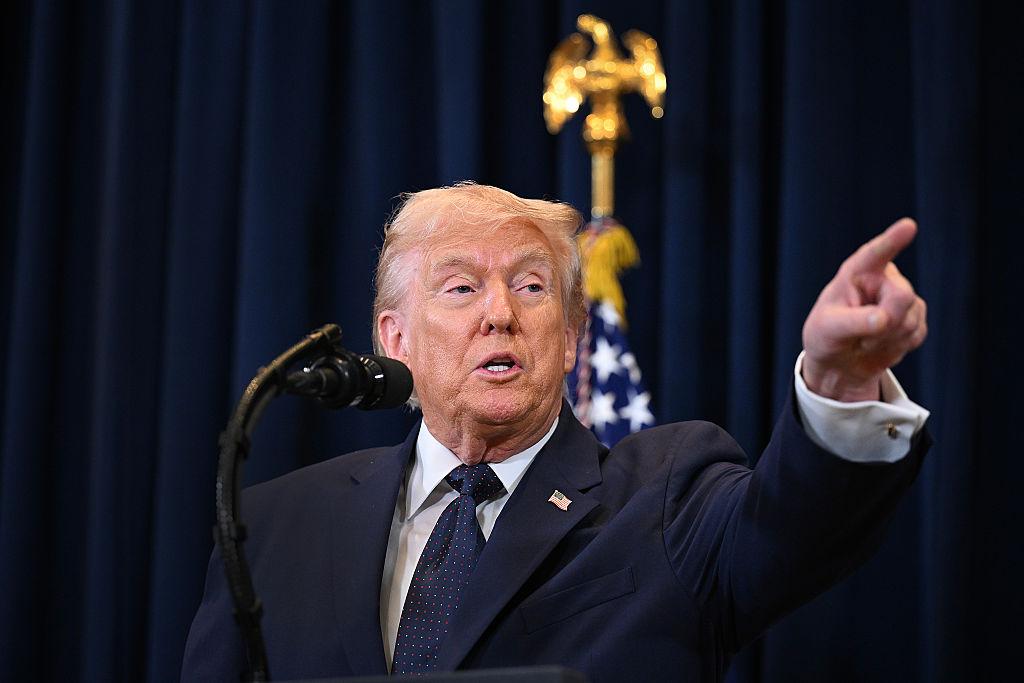
Trump says NATO countries won’t join an Iran operation, highlighting growing divisions between the United States and its traditional allies over potential military action in the Middle East. According to recent developments reported across major outlets, former President Donald Trump stated that NATO members are reluctant to participate in any aggressive move against Iran. This raises key questions about global security, alliance unity, and the future of US-led military strategies. The issue matters now because tensions in the Middle East are rising again, and any lack of coordination among Western powers could reshape global geopolitics, energy markets, and military alliances.
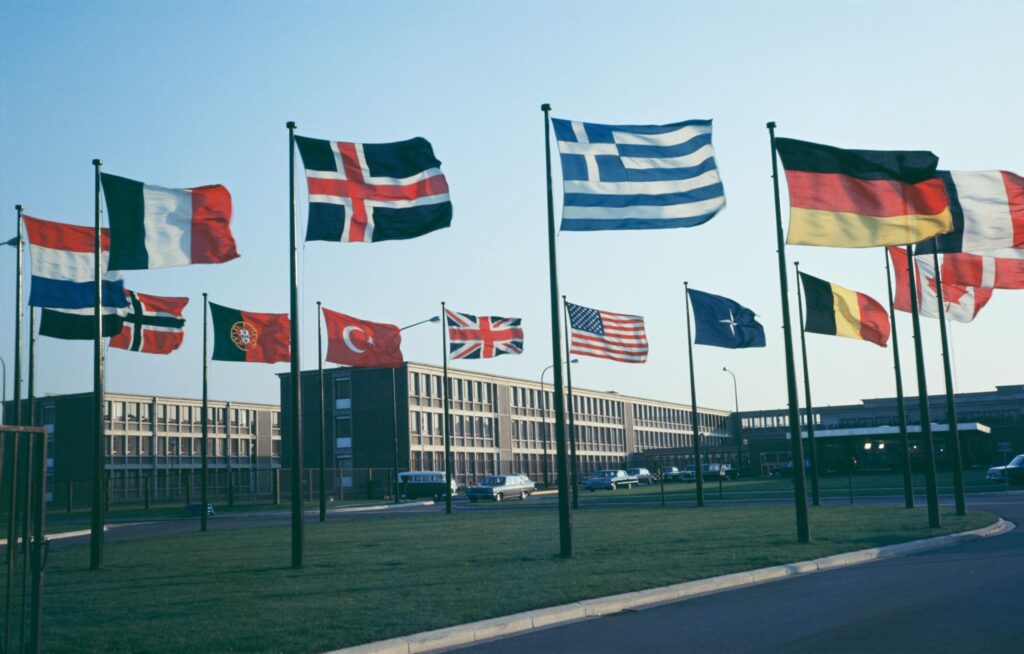
Why NATO Allies Are Hesitating on Iran
NATO countries have historically supported US-led operations, but this situation appears different. Many European nations are cautious about escalating conflict with Iran due to economic ties, energy dependency, and political risks. Countries like Germany and France have previously emphasized diplomacy over military confrontation, especially after the long-term consequences seen in Iraq and Afghanistan.
Another major reason is public sentiment within Europe. Citizens in many NATO countries are increasingly against foreign military interventions. Governments are under pressure to prioritize domestic stability over international conflicts. This hesitation reflects a broader shift where NATO members are no longer automatically aligned with US foreign policy decisions.
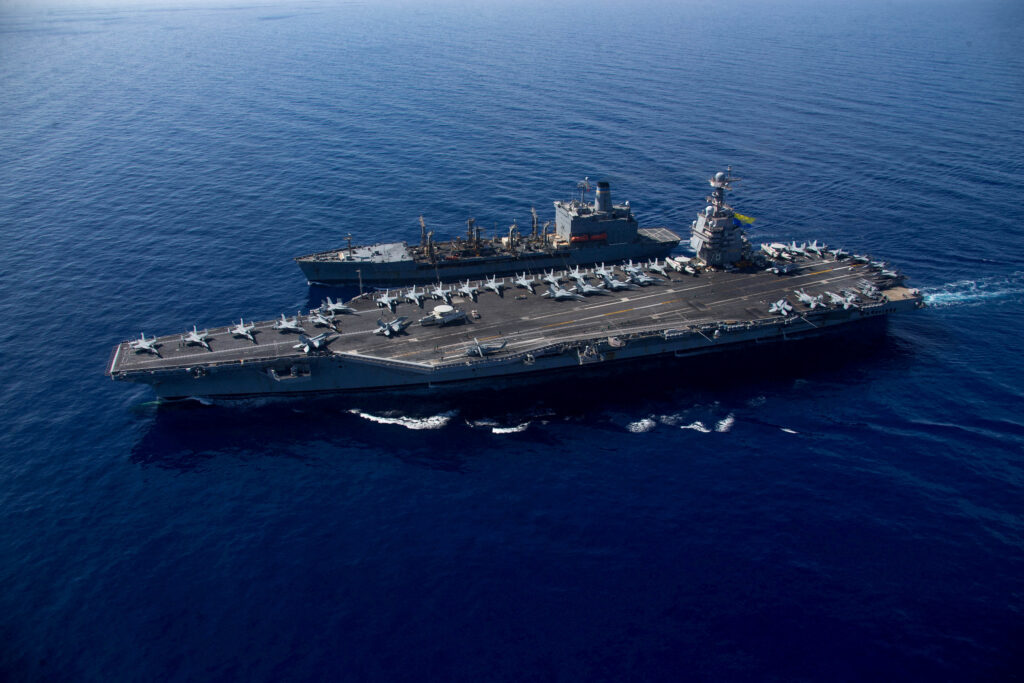
Trump’s Position and Strategic Messaging
Donald Trump’s statement signals a strong shift back toward his “America First” strategy. He is emphasizing that the United States may need to act independently if allies refuse to cooperate. This message is aimed at both domestic voters and global leaders, reinforcing his stance that the US should not rely heavily on international coalitions.
At the same time, Trump’s comments could also be a negotiation tactic. By publicly highlighting NATO’s reluctance, he may be trying to pressure allies into reconsidering their position. This approach has been seen before in trade and defense spending discussions, where Trump pushed NATO countries to increase their commitments.
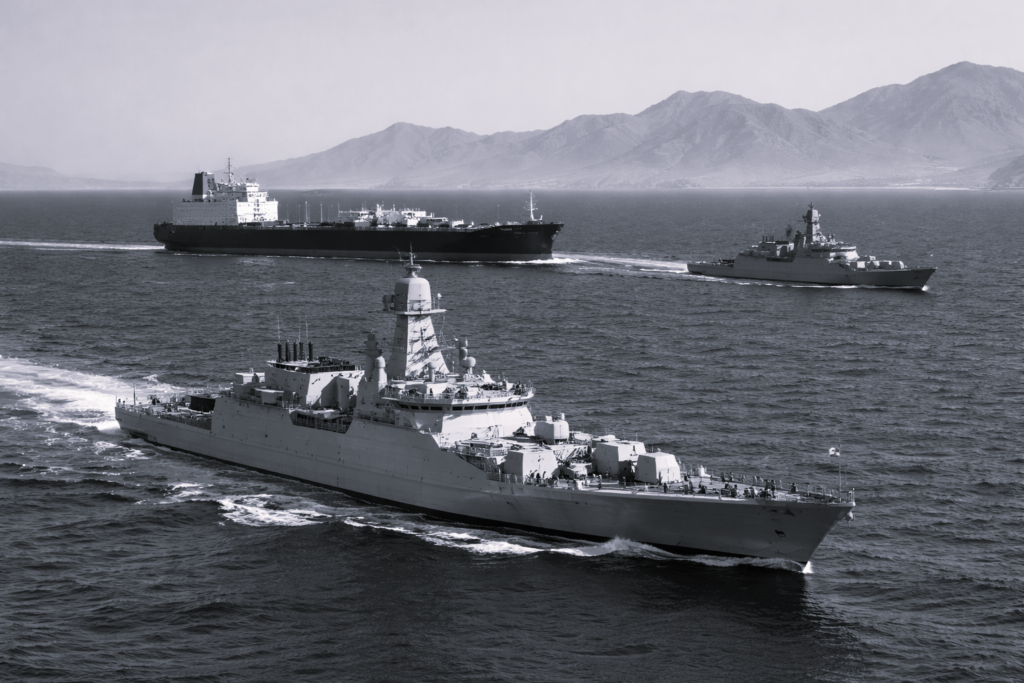
What This Means for US Foreign Policy
If NATO refuses to participate, the US could face significant strategic challenges. Military operations without allied support are more costly and riskier. Shared intelligence, logistics, and regional bases are critical advantages that NATO provides, and losing them could weaken operational effectiveness.
Additionally, acting alone could damage long-term diplomatic relationships. The US relies on NATO not just for military strength but also for political legitimacy. Without that backing, any action against Iran may face stronger international criticism and reduced global support.

Impact on Middle East Stability and Global Markets
The potential lack of NATO involvement could have serious consequences for the Middle East. Iran may feel emboldened if it perceives division among Western powers. This could lead to increased regional tensions, especially involving countries like Israel and Saudi Arabia.
Global markets are also highly sensitive to such developments. Oil prices could surge if conflict risks increase in the region, which is a major hub for energy production. Investors tend to react quickly to geopolitical uncertainty, meaning stock markets and currencies could experience volatility in response to these tensions.
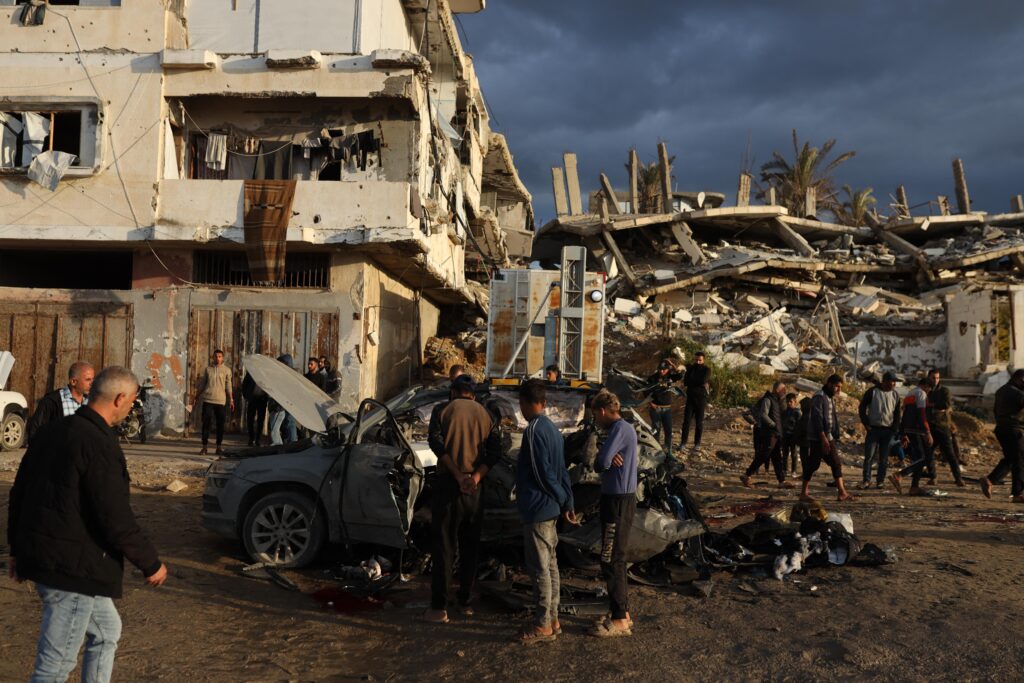
Why This Matters Now
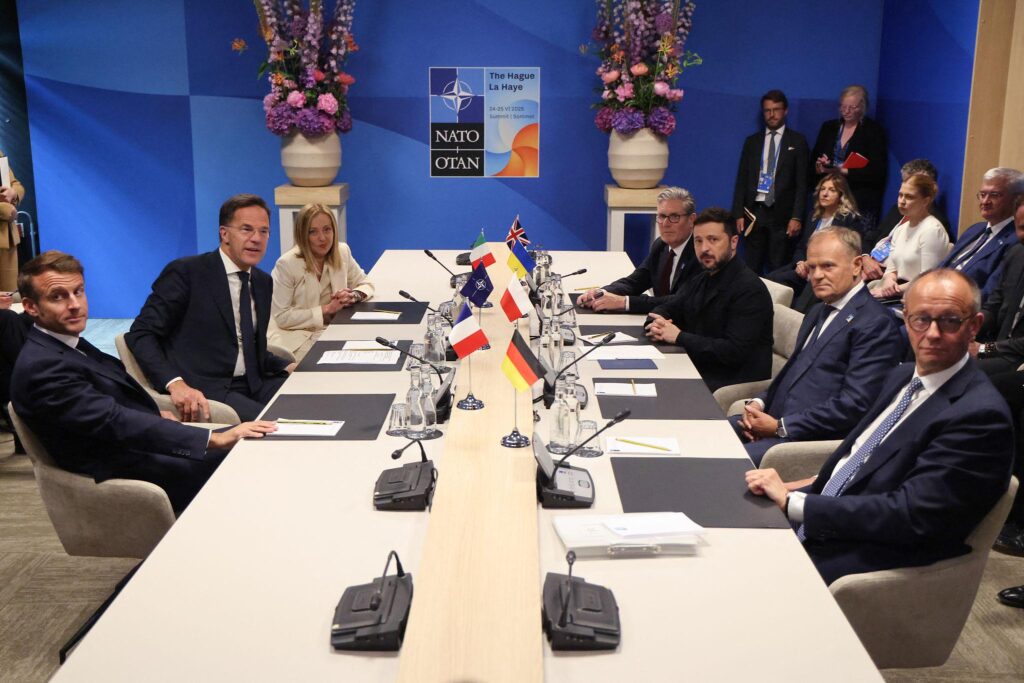
This situation is unfolding at a time when global alliances are already under pressure. The war in Ukraine, tensions with China, and economic uncertainty have tested international cooperation. NATO’s hesitation on Iran reflects a deeper shift toward more independent foreign policies among member nations.
For the United States, this could mark a turning point. The traditional model of leading coalitions may be weakening, forcing policymakers to rethink strategies. For readers and investors, this matters because it directly affects global stability, energy prices, and economic outlooks.
The Bigger Picture: A Changing Global Order
The current developments suggest that the global order is evolving. NATO, once seen as a unified military alliance, is now showing signs of internal divergence. Countries are prioritizing national interests over collective action, especially in complex conflicts like Iran.
This could lead to a more fragmented world where alliances are flexible rather than fixed. While this may reduce large-scale wars, it also creates uncertainty. Without strong coordination, conflicts may become harder to manage and resolve.
Trump’s statement about NATO refusing to join an Iran operation reveals deeper geopolitical shifts that go beyond a single issue. It reflects changing alliances, evolving foreign policies, and rising global uncertainty. As tensions continue to develop, the world will be closely watching how both the United States and NATO navigate this complex situation.
Subscribe to trusted news sites like USnewsSphere.com for continuous updates.