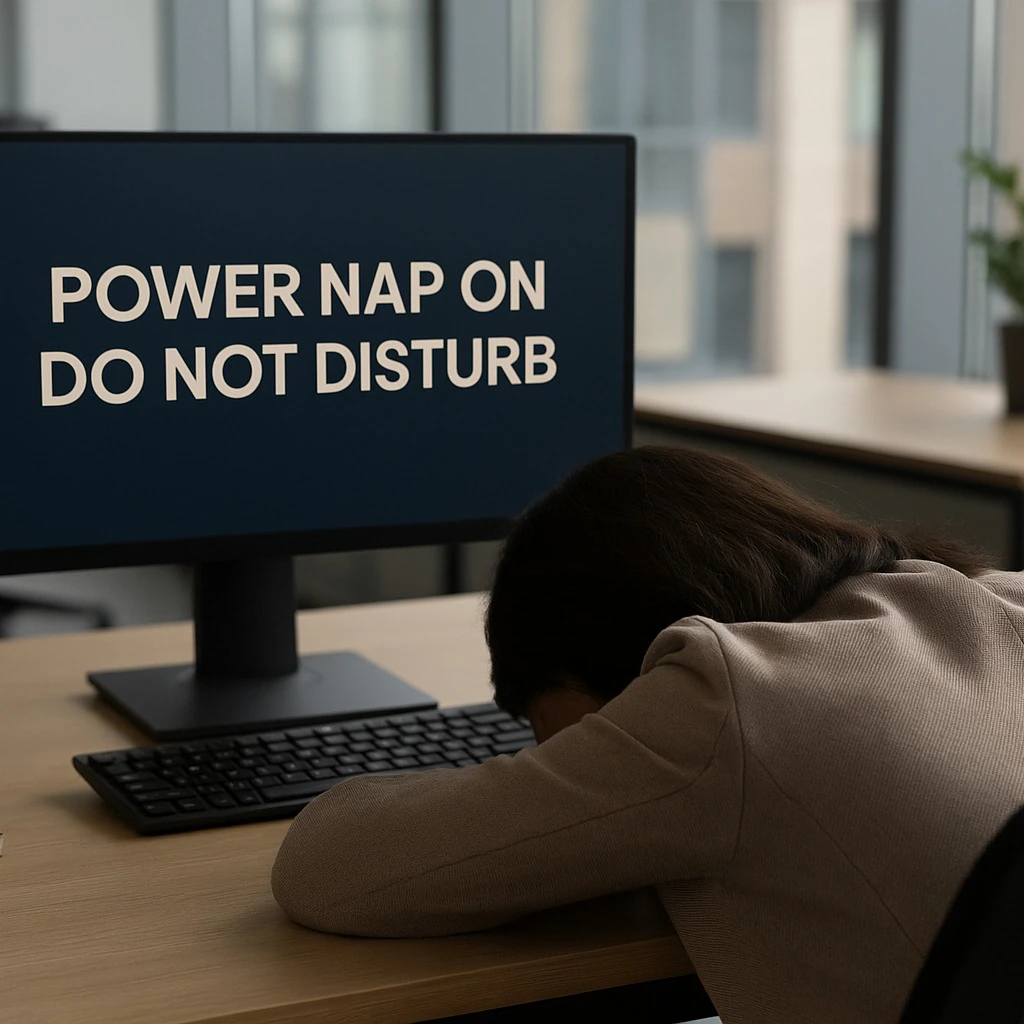
National Napping Day is gaining attention across the United States as health experts encourage people to take short daytime naps to recover from sleep loss caused by daylight saving time. The awareness day is observed on the Monday following the clock change, when many Americans feel more tired after losing an hour of sleep.
The idea behind National Napping Day is simple: short naps can help the brain reset, restore alertness, and improve overall health. Researchers say a quick nap lasting 10–30 minutes may boost energy, support heart health, and improve concentration. With sleep deprivation becoming a major public health concern in the U.S., experts say this small habit can make a measurable difference.
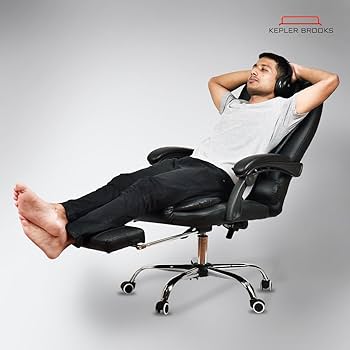
Why National Napping Day Happens Right After Daylight Saving Time
National Napping Day is intentionally scheduled right after daylight saving time begins in the United States. When clocks move forward by one hour, millions of Americans instantly lose an hour of sleep. Studies show that this sudden change disrupts the body’s internal clock, also known as the circadian rhythm.
Sleep researchers say the Monday after the time change often leads to higher fatigue levels, lower productivity, and increased stress. Some studies even suggest a temporary rise in workplace accidents and traffic incidents during the week following the time shift.
National Napping Day was created to raise awareness about these effects and remind people that rest is essential for health and productivity. Experts say short naps can help restore focus and reduce the mental fog people experience after the time change.
The Science Behind How Short Naps Help the Brain Reset
Scientists have studied naps for decades, and the evidence consistently shows that short naps can improve mental performance. When people nap for about 20 minutes, the brain enters a light stage of sleep that helps refresh alertness without causing grogginess.
Research suggests naps improve several important brain functions, including memory retention, reaction time, and problem-solving ability. This is why many technology companies and innovative workplaces have begun offering nap rooms or quiet spaces for employees.
Short naps also help regulate stress hormones. By giving the brain a brief break, naps can reduce fatigue and help people maintain better concentration throughout the day.

Research Shows Napping May Support Heart Health
Beyond mental performance, naps may also provide long-term health benefits. Some research has found that regular short naps are linked with a significantly lower risk of cardiovascular disease.
One widely cited study found that people who took occasional daytime naps had up to a 37% lower risk of dying from heart-related conditions compared with those who never napped. Researchers believe naps may reduce stress and improve blood pressure regulation.
While experts emphasize that naps should not replace proper nighttime sleep, they say a short midday rest can be part of a healthy lifestyle. This is particularly important in modern societies where chronic sleep deprivation is becoming increasingly common.
Why Short Naps Work Better Than Long Ones
Although naps are beneficial, sleep specialists warn that long naps can backfire. Sleeping for more than 45–60 minutes during the day may cause sleep inertia, the groggy feeling people experience when waking from deeper sleep.
The most effective naps typically last between 10 and 30 minutes. These quick rests allow the brain to recharge without entering deep sleep stages that disrupt nighttime rest.
Timing also matters. Experts recommend napping in the early afternoon, usually between 1 p.m. and 3 p.m., when the body naturally experiences a drop in energy. Napping later in the evening may interfere with the ability to fall asleep at night.

Why This Matters Now for Sleep and Public Health
Sleep deprivation has become a major health concern in the United States. According to the Centers for Disease Control and Prevention (CDC), about one in three American adults does not get enough sleep on a regular basis.
Lack of sleep has been linked to heart disease, obesity, diabetes, depression, and reduced cognitive performance. As work schedules become more demanding and digital devices continue to disrupt sleep patterns, experts say small changes like short naps can help people recover lost rest.
National Napping Day highlights a broader conversation about sleep health. It encourages people to treat rest as an essential part of productivity rather than a sign of laziness. Many health professionals believe increasing awareness about sleep habits could improve both workplace performance and long-term public health outcomes.
Short naps may seem simple, but growing research suggests they can play a powerful role in improving energy, mental performance, and cardiovascular health. As more Americans experience sleep loss due to busy lifestyles and daylight saving time disruptions, experts say even a brief afternoon rest can help the body reset.
Subscribe to trusted news sites like USnewsSphere.com for continuous updates.