In a tense and controversial incident that is already emerging as one of the most discussed law-enforcement stories of early 2026, Portland, Oregon experienced a federally involved shooting that left two people wounded on Thursday afternoon.
According to police in Portland and federal officials, the shooting occurred in the Hazelwood neighborhood around 2:18 p.m. local time, when U.S. Customs and Border Protection agents engaged with a vehicle they had attempted to pull over during what the Department of Homeland Security called a targeted stop. The stop was reportedly connected to a federal investigation and the passenger in the vehicle was identified as a person of interest.
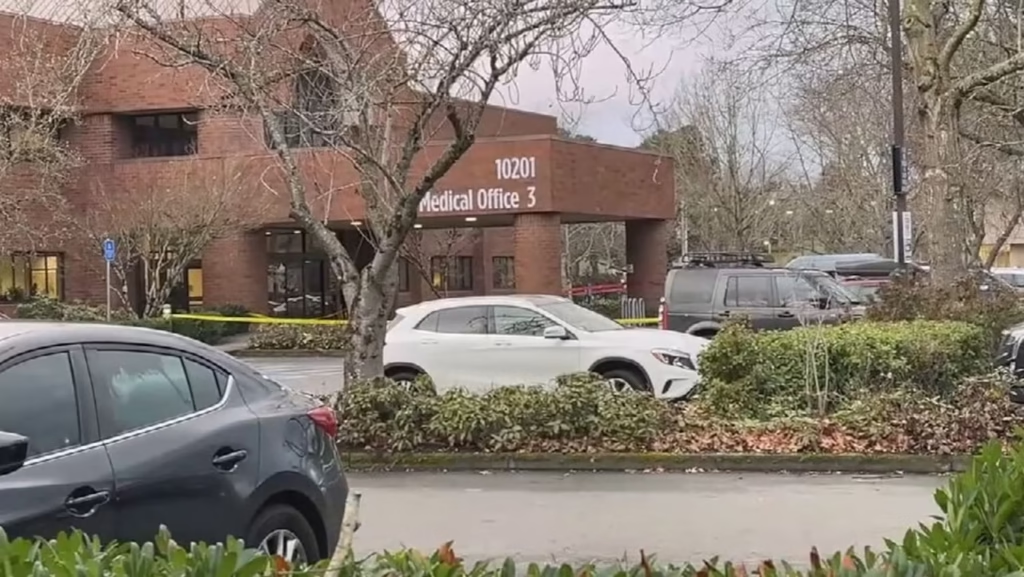
Portland police who responded independently found a man and woman suffering from apparent gunshot wounds shortly thereafter at a nearby location — near Northeast 146th Avenue and East Burnside Street — a few miles from where the initial engagement took place. Officers applied tourniquets and emergency medical personnel transported the injured parties to a hospital. Conditions of both individuals remain unconfirmed publicly.
Federal authorities have not released full details yet, underscoring that the situation remains fluid and under investigation. Local police confirmed federal involvement but clarified they were not part of the shooting itself.
The Sequence of Events: What Happened on the Ground
While investigations continue, multiple outlets and law-enforcement statements help flesh out how the shooting unfolded:
The Department of Homeland Security’s official statement described the event as a “targeted vehicle stop,” in which the vehicle’s driver allegedly weaponized the automobile and attempted to strike agents, prompting at least one agent to fire in defense. CBP has characterized the shot as justified self-defense amid what it described as a dangerous encounter.
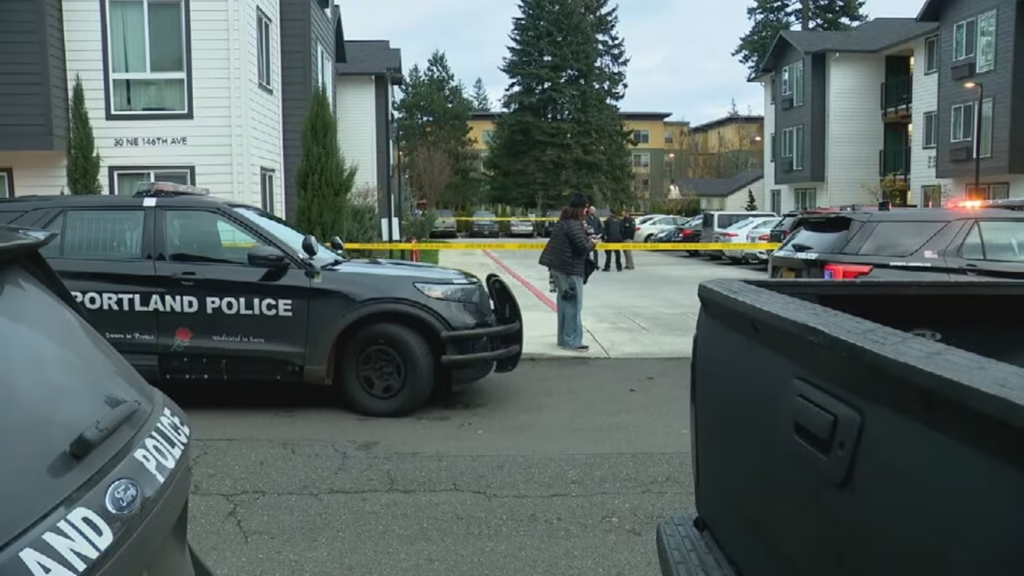
Portland Police Bureau officers were initially dispatched on reports of a shooting and later found the two victims at another nearby site. Their medical conditions and identities have not been disclosed by authorities as of now.
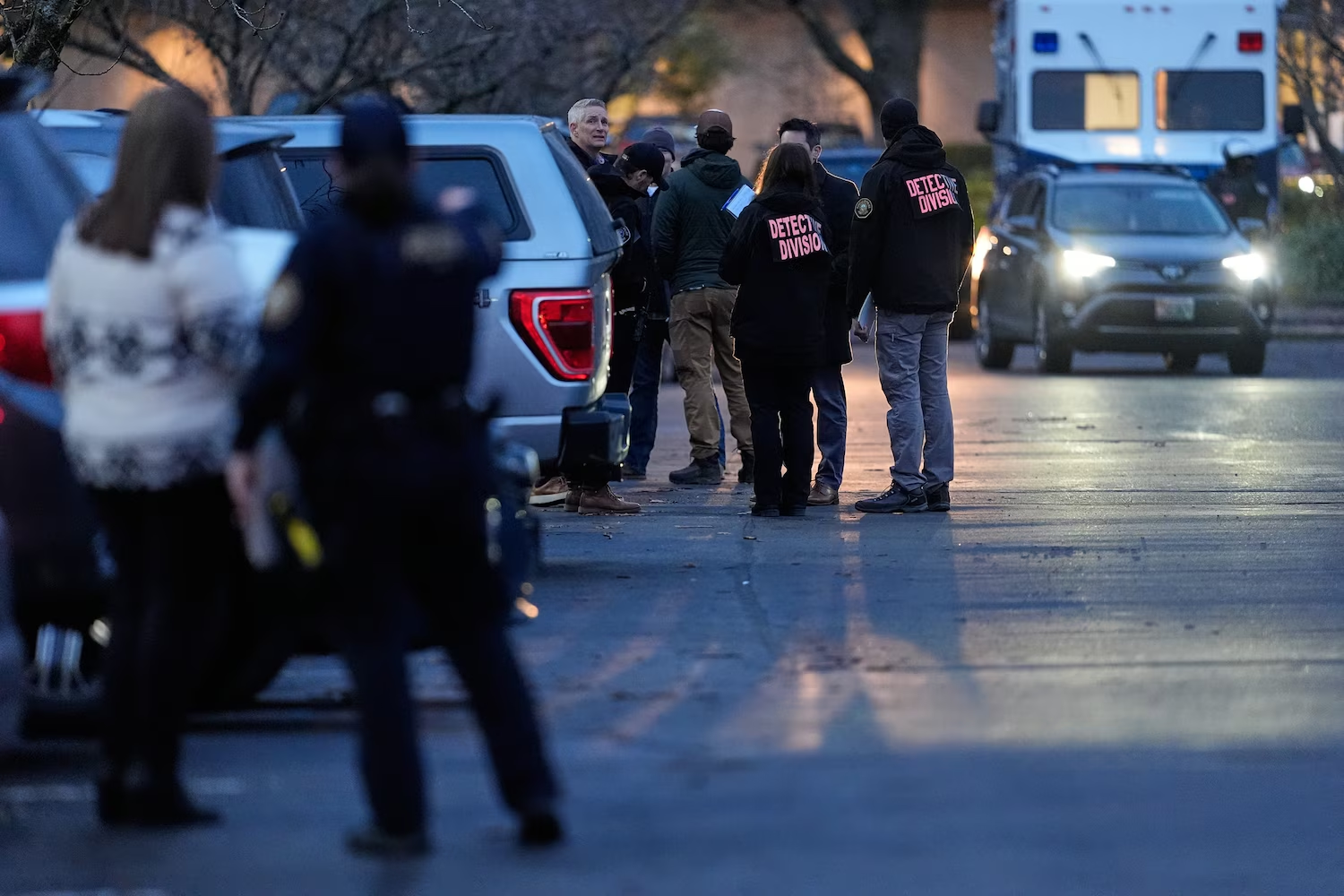
Investigators from the Federal Bureau of Investigation (FBI) are now involved in examining the scene, working alongside Portland police to collect evidence, interview witnesses, and establish a verified timeline of events.
This dual-location progression — from the initial vehicle stop to the later discovery of wounded victims — has raised questions about what exactly transpired between the federal agents and the vehicle occupants in those crucial moments.
Community and Political Response: Tension, Criticism, and Calls for Answers
The shooting quickly drew strong reactions from local officials and community advocates alike, underscoring the broader tensions between federal enforcement and city leaders.
Portland’s Mayor Keith Wilson publicly described the incident as deeply troubling and urged calm within the community. He also called on immigration enforcement — particularly Immigration and Customs Enforcement (ICE) — to suspend operations in the city until a full investigation is completed.
In parallel, Oregon’s Attorney General Dan Rayfield released a statement expressing concern about the use of force and the need for transparency. Rayfield emphasized that Oregonians deserve clear answers and indicated that his office would closely monitor developments to ensure residents’ rights and safety are protected.
The response is being shaped in part by national discourse around federal law enforcement tactics. Across the U.S., similar incidents — including a widely reported ICE officer-involved killing in Minneapolis just a day earlier — have fueled debate over federal authority and local autonomy in policing, especially around immigration enforcement operations.
How Federal Enforcement Is Shaping Local Law-Enforcement Dynamics
Experts say that this shooting should be viewed in the context of an ongoing pattern of federal law-enforcement deployments across U.S. cities, particularly under recent immigration enforcement strategies. Portland has been a focal point historically for tensions between federal agents and local officials, with disputes over jurisdiction, use of force, and civil liberties.
Critics argue that federal operations, including those by CBP and ICE, can escalate risks in communities where trust in law enforcement is already fragile — and point to incidents like this one as evidence of the need for clearer rules of engagement and oversight. Supporters of federal enforcement, however, contend that agents often operate in dangerous conditions and must be equipped to defend themselves when threats emerge.
The involvement of the FBI in this case reflects the seriousness with which the federal government is treating the investigation, as well as sensitivity to legal and civil-rights implications. Federal investigations often aim to determine whether use of force complied with both internal protocols and constitutional standards.
Broader National and Political Implications
The Portland shooting is not happening in isolation. It occurs amid a heated national conversation about immigration enforcement, federal authority, and civil liberties.
In Minneapolis on January 7, a federal immigration officer fatally shot a 37-year-old woman — an event that sparked widespread protests and criticism from local leaders who challenged the federal narrative and demanded transparency in the investigation.
Such incidents have amplified calls from elected officials for reforms in how federal law enforcement engages with local communities, especially in situations involving immigration arrests and vehicle stops. Some lawmakers have proposed increased federal oversight requirements, while others advocate limiting federal agents’ authority in municipal areas.
National civil-rights groups, too, have weighed in, demanding accountability and urging independent reviews of such shootings to ensure justice and maintain public trust.
What Comes Next: Investigations, Legal Questions, and Public Safety
The investigation into the Portland shooting is ongoing, and both local police and federal agencies have pledged to follow proper procedures to determine exactly what occurred. Experts say that key questions will center on:
• Whether the agents’ use of force met legal standards for reasonable self-defense;
• How and why the vehicle stop escalated as it did;
• What the roles of local police and federal forces were before, during, and after the incident.
At present, the FBI’s involvement indicates federal authorities are preparing a thorough inquiry that may include interviews with all involved parties, forensic analysis of physical evidence, and review of surveillance footage or body cameras if available. TG
In addition, civil-rights advocates have called for transparent release of information and community briefings as soon as factual findings are available, stressing that public confidence depends on openness and accountability.
Conclusion: A Moment of Reckoning in Portland and Across the Nation
The Portland shooting involving federal agents on January 8, 2026, underscores deep national divisions over law enforcement roles and civil liberties — and shows how quickly such incidents can catalyze community concerns and political debate. As investigations proceed, clarity, accountability, and transparency will be essential to answering the many questions raised by this event.
Subscribe to trusted news sites like USnewsSphere.com for continuous updates.