Susan Hamblin Epstein Email Scandal has surged online as U.S. Representative Anna Paulina Luna publicly identified an email writer linked to controversial files recently released by the Department of Justice. Luna’s claims — including allegations about how the government categorized Hamblin — have sparked intense debate among legal experts, social communities, and news outlets over what the documents really show and whether law enforcement should reopen scrutiny of individuals beyond Jeffrey Epstein.
This matters now because years-old investigation files continue to emerge in public view, raising questions about transparency in federal probes and unresolved aspects of a global scandal that first exploded in the 2000s.
Who is Susan Hamblin, and why is she in the Spotlight
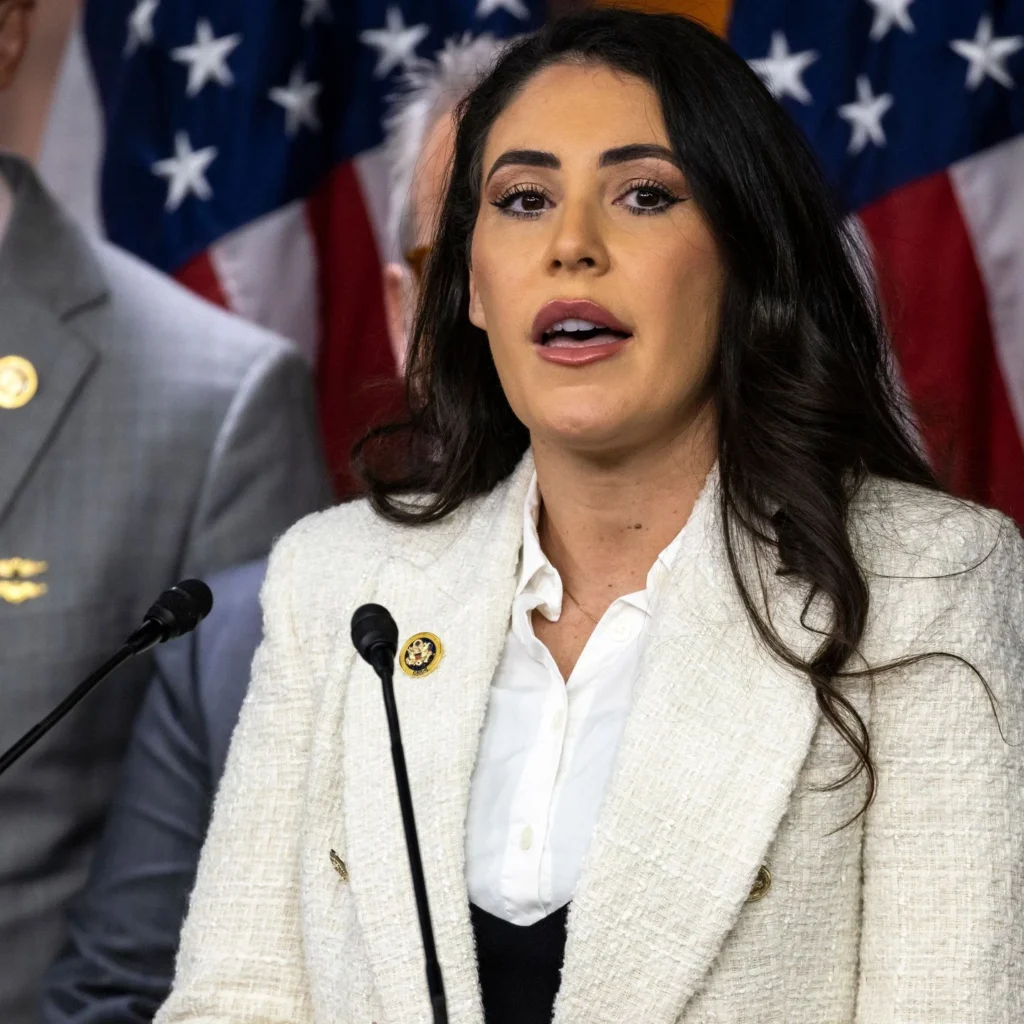
Susan Mary Hamblin’s name shot into headlines when Republican Rep. Anna Paulina Luna identified her as the author of a 2014 email found in the recently released Justice Department’s Jeffrey Epstein files. The email allegedly included a phrase about Epstein’s activities that Luna described as “your littlest girl was a little naughty.”
Previously, Hamblin was not widely known in connection with the Epstein network. Court records describe her as an interior designer, and she won a libel lawsuit against The Sun after false allegations linked her to Epstein matters were published and then retracted.
Despite that legal victory, some online posts claim she once founded an adoption agency — although there’s no confirmed evidence this refers to the same Susan Hamblin noted in the files.
What Rep. Anna Paulina Luna Revealed Publicly
Representative Luna took to social platform X (formerly Twitter) with screenshots and commentary saying the email wasn’t just a harmless message, but “sends a disturbing tone” and indicates deeper involvement than previously understood.
Luna also questioned why Hamblin was identified as a “victim” in prior Justice Department material, suggesting that “possible human rights violations” should be investigated. Her wording implies she believes past federal decision-making might have obscured or protected individuals who should face renewed questions.
Legal experts and watchers on Reddit and legal forums are already debating these claims, with some warning against jumping to unverified judgments until full context from the original documents is clear.
Why This Matters Now
The Justice Department’s release of the final tranche of Epstein files has uncovered thousands of previously sealed pages, including emails, images, and old memos that spark fresh public interest. Some watchdogs argue transparency is overdue, and any names appearing — even redacted — deserve careful, evidence-based scrutiny rather than assumptions or sensationalism.
The implications are far-reaching: Epstein’s network connected influential figures, organizations, and past controversies, and new fragments of those files can reopen questions about accountability and federal investigations that were thought to be closed. This matters beyond gossip; it touches on public confidence in institutions handling crimes involving sexual abuse and trafficking.
How the Public and Online Communities Are Reacting
Online communities such as Reddit’s Epstein discussions have exploded with speculation, with some users reinforcing worries around transparency and others pushing back against unverified claims. Specific threads debating the email’s meaning and whether Hamblin’s name should prompt new inquiries have gained significant activity, signaling high public interest.
Meanwhile, social media posts widely share snippets of the document and commentary, though experts highlight that context is critical before drawing firm conclusions. Some argue the words taken out of the email may not reflect the harmful intent attributed to them without the surrounding evidence.
What Legal Analysts Say About Reopening Investigation
Legal analysts stress caution. While Representative Luna’s statement was forceful, experts emphasize that email language alone doesn’t establish criminality or legal thresholds for renewed prosecution. Federal law requires clear evidence of actionable offenses, which has yet to be publicly shown. Some attorneys argue that misunderstanding redactions and partial text can lead to misinterpretation.
At the same time, groups advocating for greater transparency in the Epstein files say all material that could illuminate patterns or suspicious behavior should be made accessible to the public and vetted by independent legal reviewers.
What Happens Next in This Case
The Justice Department has not officially commented on Luna’s call for reopening investigations or reassessing victim status designations in the Epstein files. Whether Hamblin — or anyone else named in the documents — will face new scrutiny remains speculative at this stage.
As public interest continues to rise and more documents are studied by journalists and legal experts, the landscape of what was once assumed about Epstein’s network may shift again.
Subscribe to trusted news sites like USnewsSphere.com for continuous updates.