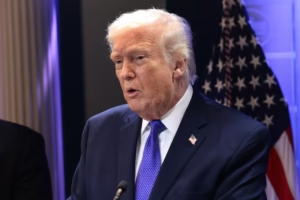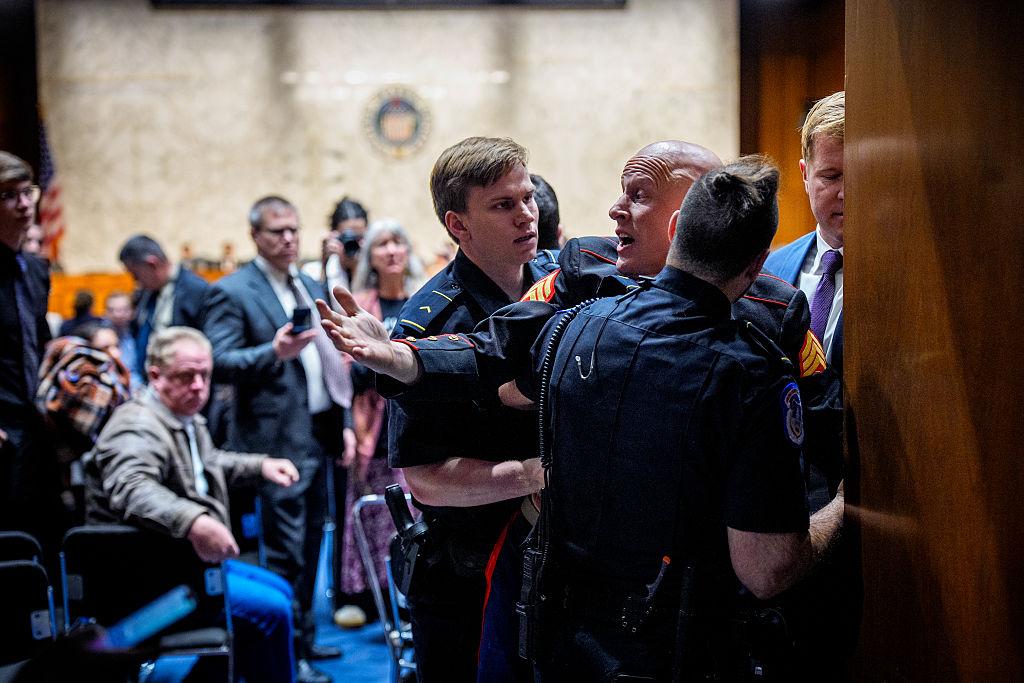
Marine Veteran Dragged From Senate Hearing as GOP Senator Assists Police During Explosive Israel War Protest
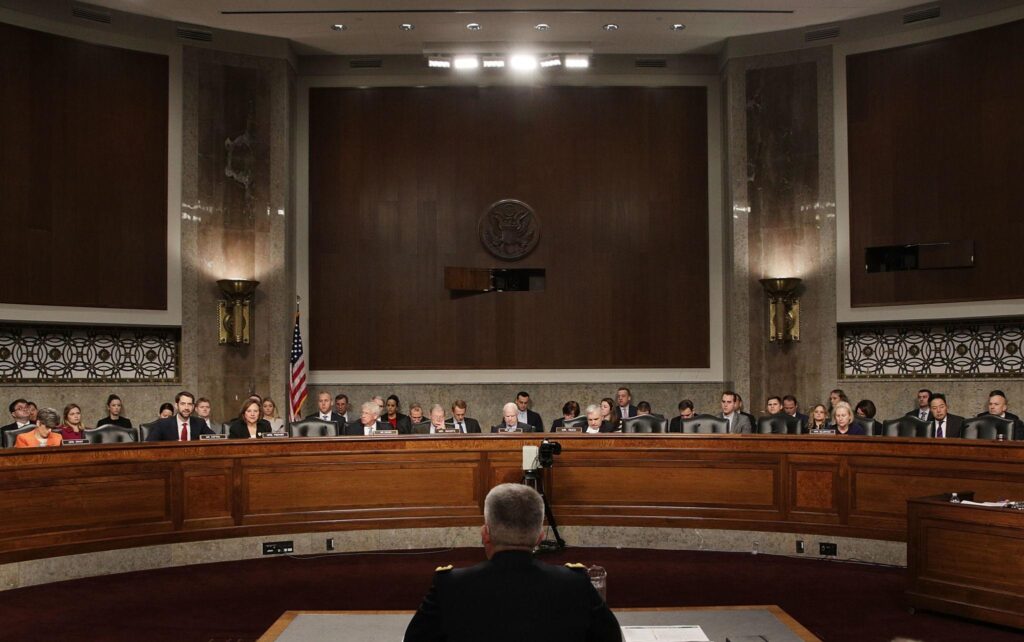
GOP Senator Helps Remove Anti-War Protester at Senate Hearing became a major political flashpoint in Washington after a Marine veteran protesting U.S. support for Israel was forcibly removed from a congressional hearing. The incident occurred during a Senate committee meeting discussing U.S. foreign policy and aid to Israel, and the dramatic moment quickly spread across social media and news networks across the United States.
The protester, identified as a former U.S. Marine, stood up during the hearing and shouted anti-war statements criticizing American military and diplomatic support for Israel amid the ongoing conflict in Gaza. Capitol Police moved quickly to remove him from the room. In a moment that sparked national debate, a Republican senator assisted officers in escorting the protester out of the hearing chamber. The incident has since triggered questions about free speech, congressional decorum, and the intensity of the political divide over U.S. policy toward Israel.
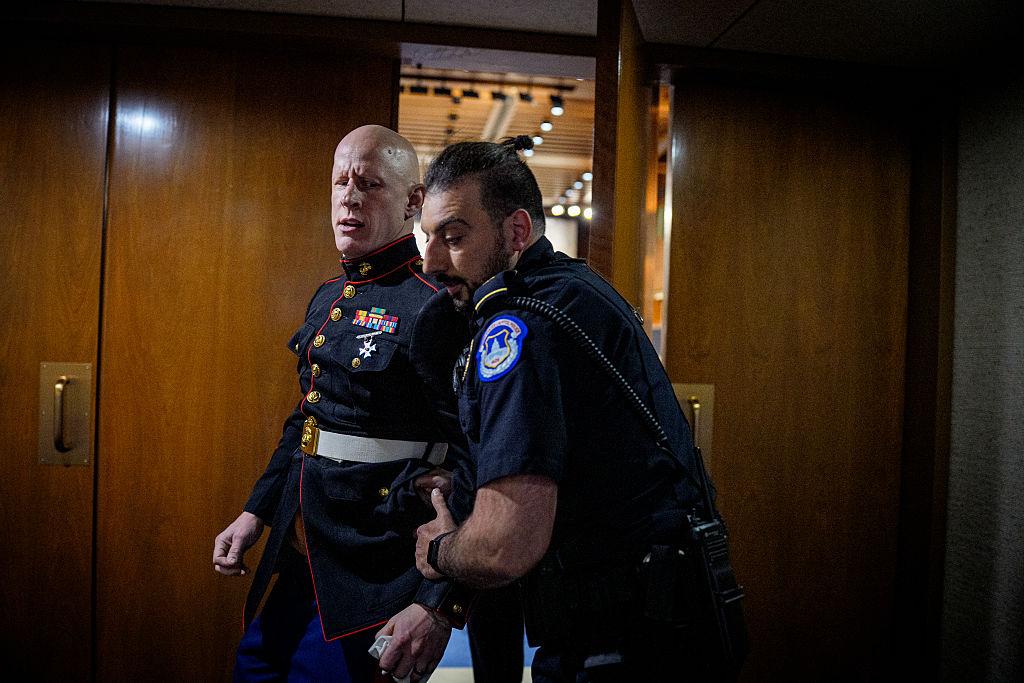
Marine Veterans’ Protest Sparks Dramatic Scene in Congress
The disruption began when the Marine veteran interrupted the Senate committee hearing by loudly criticizing the U.S. government’s support for Israel. Witnesses inside the chamber reported that the protester shouted statements opposing the war and accusing U.S. lawmakers of enabling military actions in Gaza.
Capitol Police officers immediately approached the individual to remove him from the hearing room. During the confrontation, video footage shows a Republican senator leaving his seat and physically assisting officers as they pulled the protester away from the audience section. The removal quickly escalated into a tense moment as the protester continued shouting slogans about the war while being escorted out.
Why the Hearing Became a Flashpoint Over Israel Policy
The Senate meeting where the incident occurred was focused on U.S. national security and foreign policy in the Middle East. In recent months, the war between Israel and Hamas has dominated debates in Washington about military aid, humanitarian assistance, and the broader strategic role of the United States in the region.
Lawmakers from both parties have faced growing pressure from activists and voters over how the U.S. should respond. Some members of Congress strongly support continued military aid to Israel, arguing that the country is a key ally and faces ongoing security threats. Others have called for stricter conditions on U.S. aid or even a suspension of weapons shipments due to humanitarian concerns in Gaza.
This political tension has made congressional hearings related to Israel increasingly heated, with protests occurring both inside and outside government buildings.
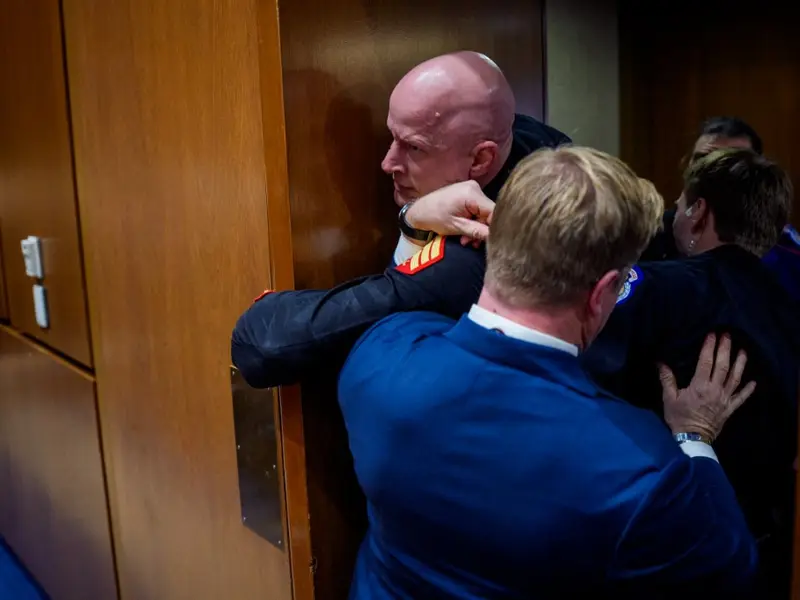
Reaction From Lawmakers and Political Leaders
The involvement of the Republican senator in physically assisting police has sparked mixed reactions among politicians and commentators. Some conservative lawmakers praised the action, arguing that disruptions during official hearings undermine the democratic process and must be stopped immediately.
Others criticized the scene, saying lawmakers should avoid physically engaging with protesters and instead allow law enforcement to handle security situations. Civil liberties advocates also raised concerns about whether protesters expressing political views in congressional hearings are being treated too aggressively.
The debate reflects a broader national argument about how political protest should be handled inside government institutions.
The Growing Role of Protest in U.S. Political Hearings
Public protests during congressional hearings are not uncommon in the United States. Activists frequently attend hearings to raise awareness about issues ranging from climate change and healthcare to foreign policy and war.
However, the intensity of protests related to the Israel-Hamas conflict has increased significantly since the war escalated in late 2023. Demonstrations have occurred on college campuses, in major U.S. cities, and even inside federal buildings.
Many protesters say they are trying to force lawmakers to reconsider U.S. policy toward Israel. At the same time, lawmakers insist that congressional hearings must remain orderly so officials can conduct government business without disruption.
Why This Moment Matters Now
The dramatic removal of the Marine veteran highlights how deeply polarized the debate over Israel and Gaza has become in the United States. The issue has divided voters, lawmakers, and advocacy groups across the political spectrum.
With the 2026 election cycle approaching, foreign policy decisions involving Israel could become an even bigger campaign issue. Candidates are already facing pressure from both pro-Israel groups and anti-war activists who want the U.S. government to change its approach.
For many Americans, the moment captured during the Senate hearing reflects the broader tension surrounding U.S. involvement in global conflicts and the role of citizen protest in influencing government decisions.
What Happens Next in the Debate Over U.S. Policy
Congress is expected to continue debating military funding, humanitarian aid, and diplomatic strategy related to the Middle East conflict. Future hearings will likely draw heightened public attention, and security measures around these meetings may be increased to prevent further disruptions.
Political analysts say the incident may also influence how congressional leaders manage protests during hearings moving forward. Some lawmakers are already calling for stricter enforcement of rules in committee rooms, while others emphasize the importance of protecting peaceful protest and political expression.
As the United States navigates its role in international conflicts, moments like this Senate hearing disruption reveal how strongly Americans feel about foreign policy decisions and the impact they have at home and abroad.
Subscribe to trusted news sites like USnewsSphere.com for continuous updates.