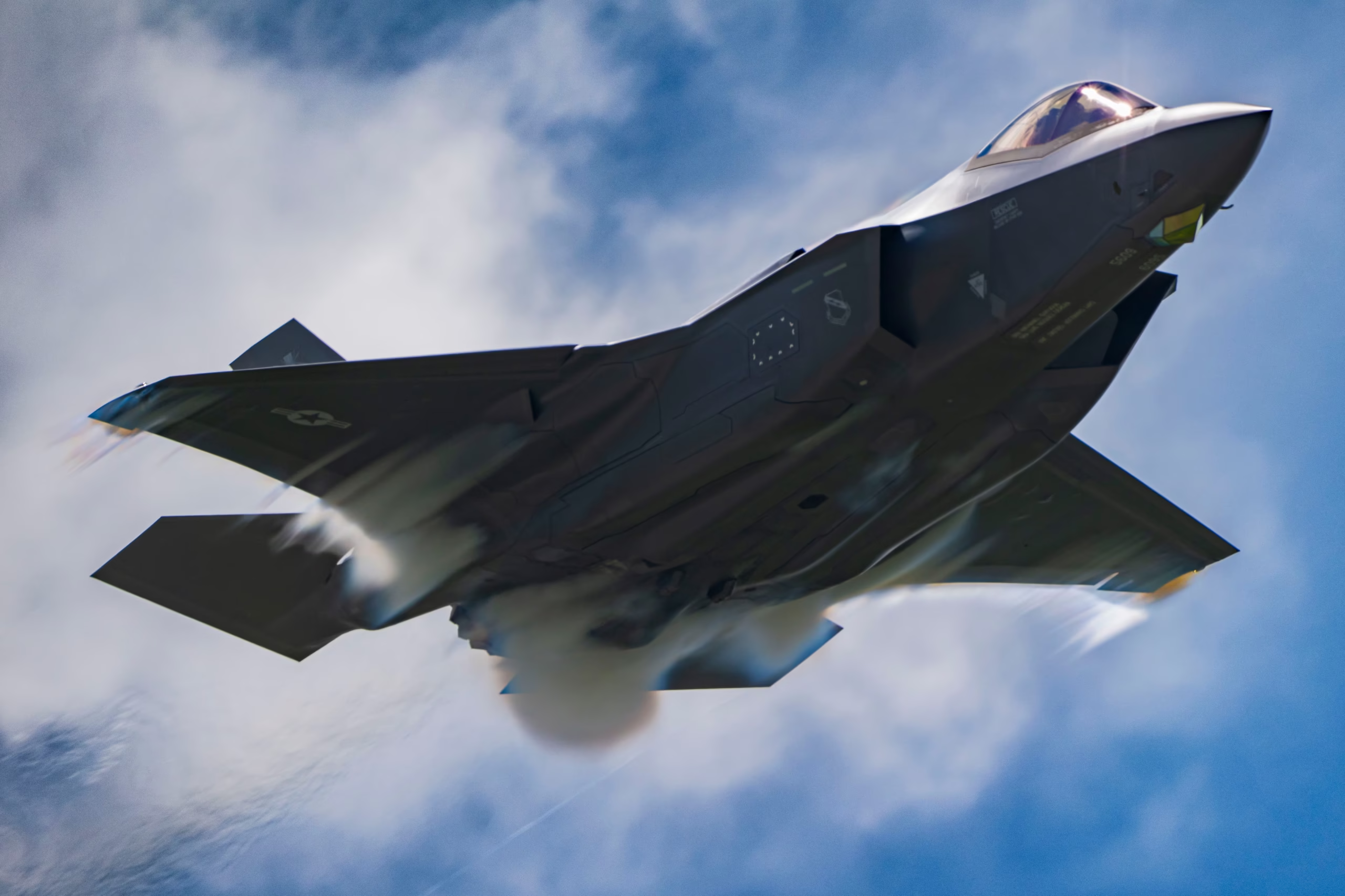
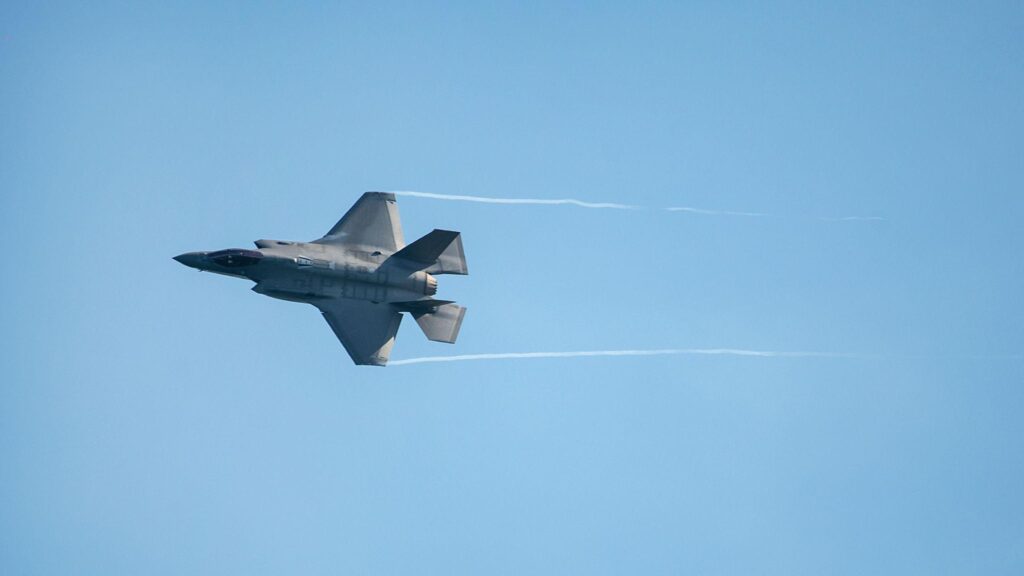
US F-35 emergency landing in Iran is now one of the most critical developments in the ongoing US–Iran conflict, raising serious questions about air superiority, military risk, and global stability. A US stealth fighter jet was forced to make an emergency landing after a combat mission over Iran, with reports suggesting it may have been hit by Iranian air defenses. The pilot survived and is stable, but the incident has triggered global concern.
This matters now because it could mark the first time Iran has successfully damaged one of the world’s most advanced fighter jets during this conflict. The impact goes beyond military strategy—it affects global markets, oil prices, and geopolitical stability.
What Happened During the F-35 Emergency Landing Incident
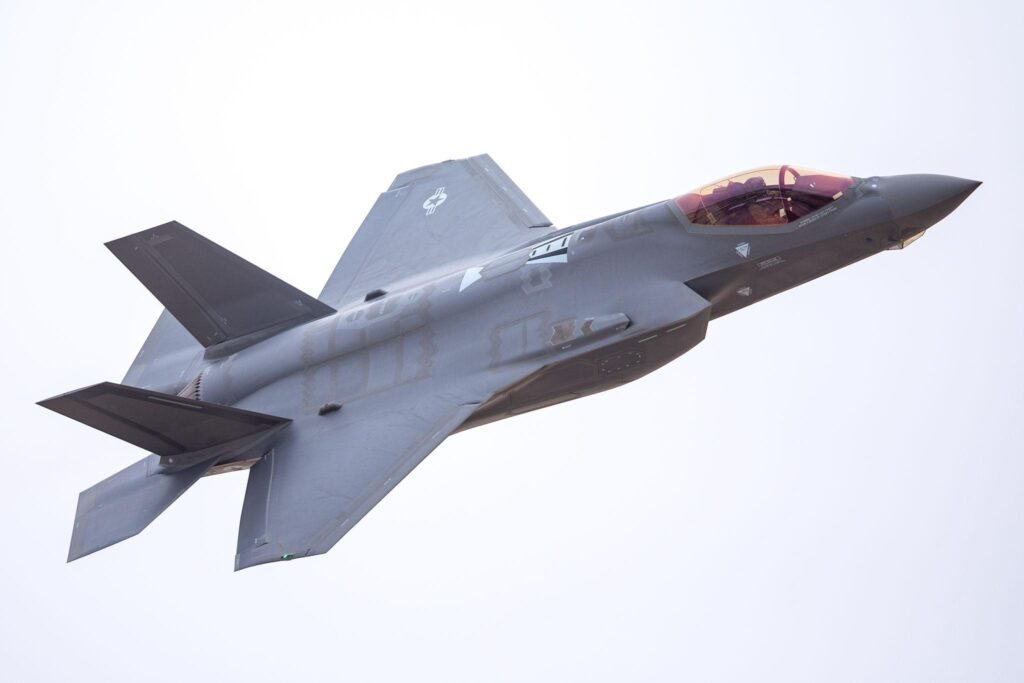
The incident occurred during an active US combat mission over Iranian territory. According to defense officials, the F-35 stealth fighter had to divert and make an emergency landing at a US base in the Middle East. The aircraft landed safely, and the pilot was reported to be in stable condition.
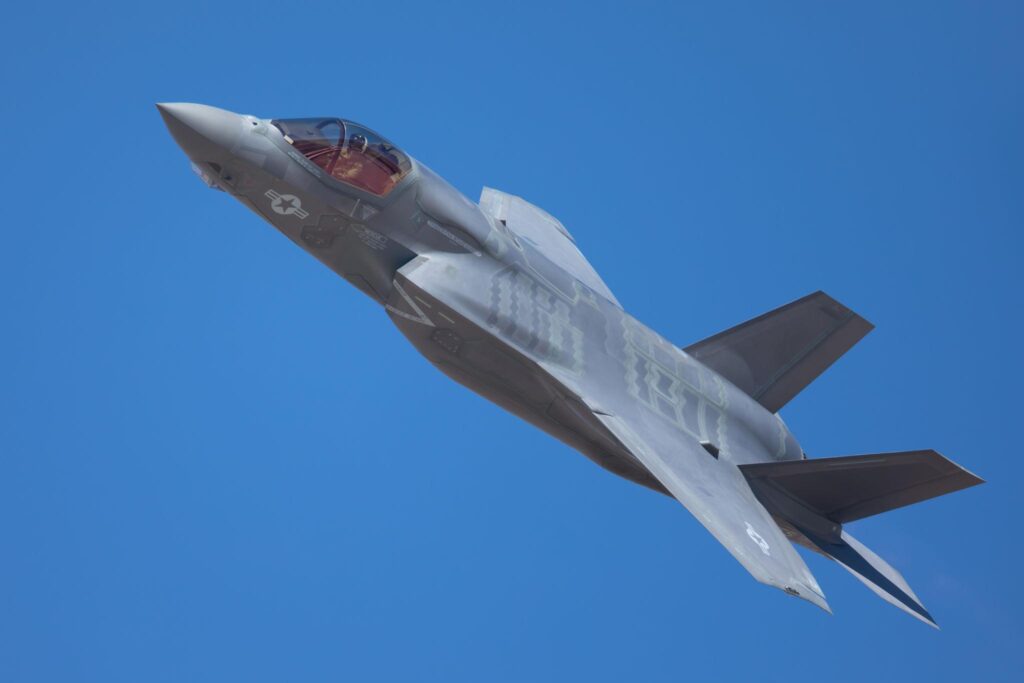
Early reports suggest the jet may have been struck by Iranian surface-to-air fire, although investigations are still ongoing. If confirmed, this would be a rare and significant moment because the F-35 is designed to evade advanced air defense systems.
The lack of confirmed damage details indicates that military authorities are still assessing the situation, including whether this was a direct hit or system malfunction triggered during combat conditions.
Why This Incident Is So Significant for Military Strategy
The F-35 is widely considered one of the most advanced fighter jets in the world, equipped with stealth technology, advanced sensors, and electronic warfare capabilities. For years, it has been seen as nearly untouchable in contested airspace.
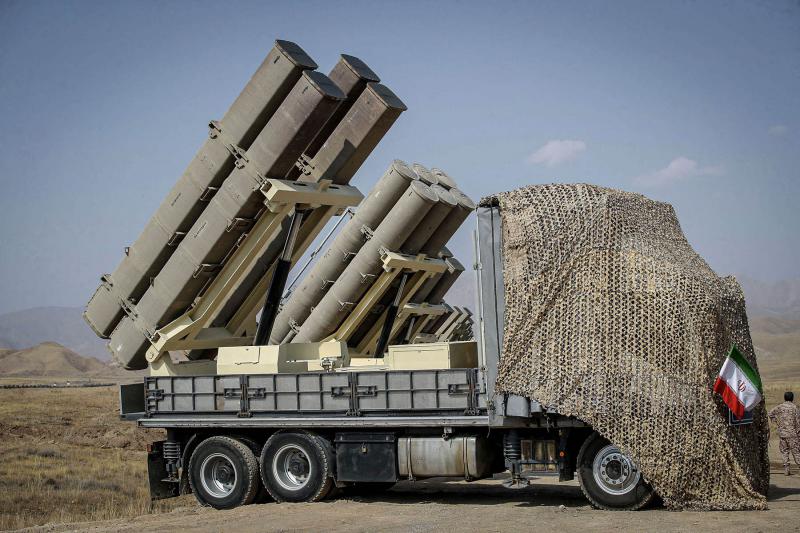
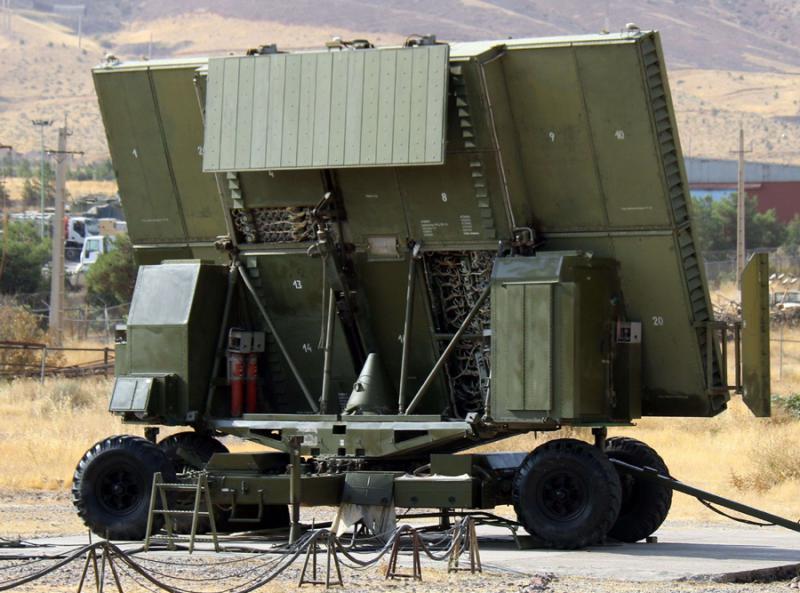
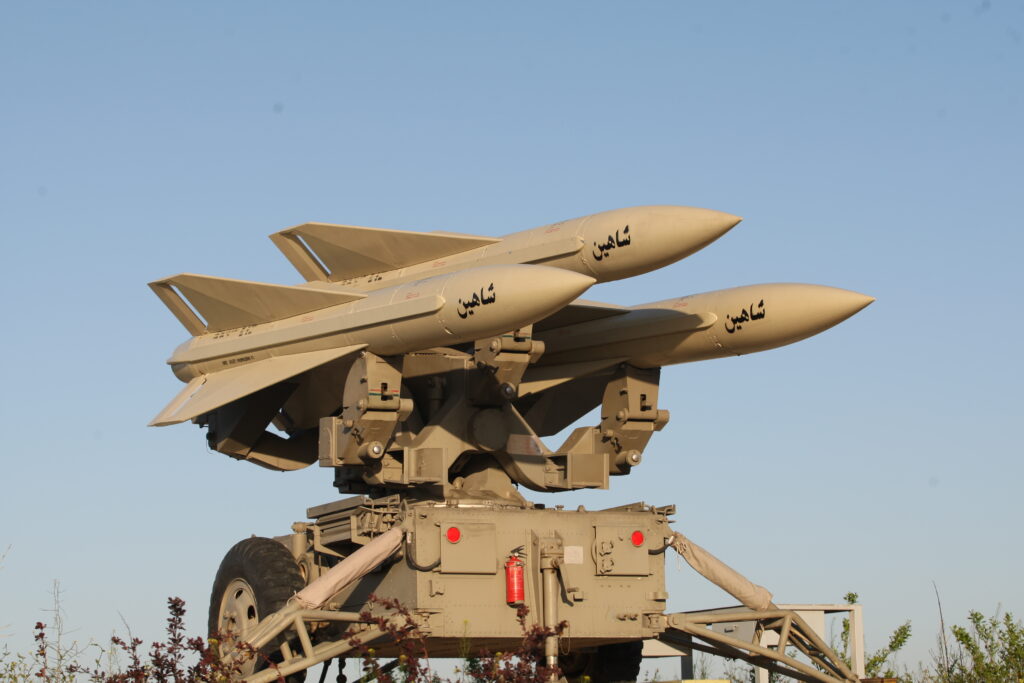
If Iranian defenses did successfully hit or damage the aircraft, it challenges long-standing assumptions about US air dominance. It suggests that Iran’s air defense systems—possibly upgraded or strategically deployed—can pose a real threat even to stealth aircraft.
This changes the battlefield calculation. Military planners may now need to rethink mission strategies, risk levels, and future air operations over heavily defended regions.
Escalating Conflict: A Pattern of Rising Military Losses
This F-35 incident is not happening in isolation. It comes amid a broader escalation in the US–Iran conflict, where multiple aerial losses and incidents have already been reported.
Recent reports confirm that several US aircraft have been lost or damaged during operations, including drones and other fighter jets. In one tragic case, a US refueling aircraft crash resulted in the deaths of six crew members.
Additionally, reports indicate that friendly fire incidents and drone shootdowns have added to the complexity and danger of the conflict.
This pattern shows that the conflict is becoming more intense, unpredictable, and costly for all sides involved.
Global Impact: Oil Prices, Markets, and Geopolitical Tensions
The impact of this incident extends far beyond the battlefield. The US–Iran conflict has already disrupted global energy markets, with oil prices rising sharply due to fears of supply disruptions.
Key shipping routes like the Strait of Hormuz—responsible for a significant portion of global oil transport—are now under threat. This has pushed crude oil prices above $110 per barrel and increased inflation concerns worldwide.
Stock markets have reacted with volatility, and governments across Europe and Asia are closely monitoring the situation. The fear is that continued escalation could trigger a broader regional or even global crisis.
What Happens Next: Investigation and Strategic Response
The Pentagon has launched an investigation into the F-35 incident to determine exactly what caused the emergency landing. This includes analyzing flight data, potential missile tracking, and any electronic warfare interference.
If Iranian involvement is confirmed, the US may respond with stronger military actions or increased defensive measures. On the other hand, global leaders and organizations are calling for de-escalation to prevent further damage and loss of life.
This moment could become a turning point in the conflict—either escalating tensions further or pushing both sides toward strategic restraint.
Why This Matters Now More Than Ever
This incident highlights a critical shift in modern warfare. Advanced technology alone no longer guarantees safety or dominance. Even the most sophisticated aircraft can face real threats in high-risk environments.
For global audiences, especially in the US and Europe, this is a reminder that geopolitical conflicts directly affect everyday life—from fuel prices to economic stability.
For military analysts, it raises deeper questions about the future of air combat, the effectiveness of stealth technology, and the growing capabilities of regional powers like Iran.
Subscribe to trusted news sites like USnewsSphere.com for continuous updates.