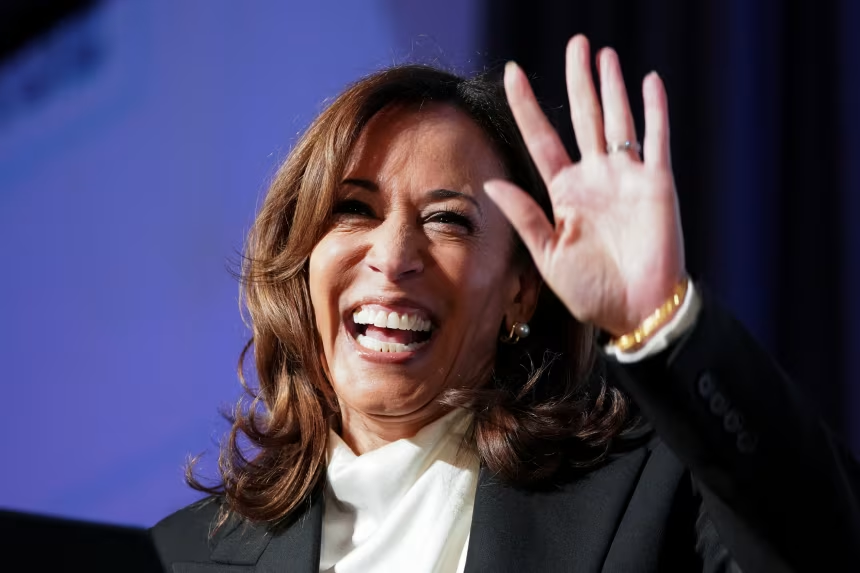
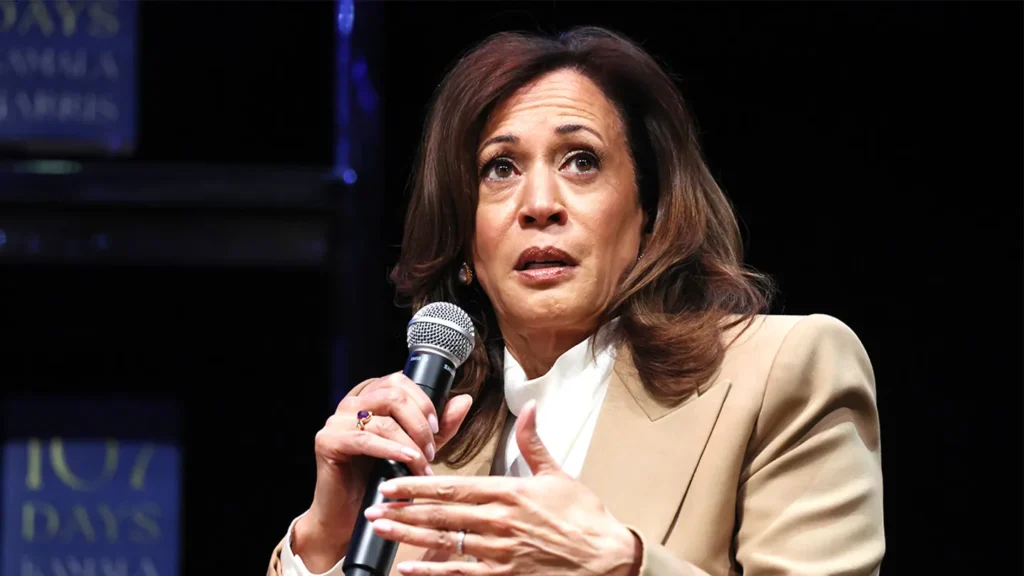
Former Vice President and 2024 Democratic presidential nominee Kamala Harris has reactivated her dormant campaign social media presence — previously known as Kamala HQ — and rebranded it as a Gen-Z-focused digital organizing hub called “Headquarters.” This strategic relaunch aims to mobilize younger Americans ahead of the 2026 midterm elections and strengthen progressive engagement, while fueling speculation about a possible 2028 White House bid. Harris’ decision marks a significant shift in political outreach as Democrats try to counter former President Donald Trump’s rising influence and energized base online.
Kamala Harris: Why This Matters Now
This development comes at a critical moment when political communication is largely driven by digital platforms such as X (formerly Twitter), TikTok, and Instagram. With the 2026 midterms approaching, Democrats are facing persistent challenges in engaging younger voters — especially Generation Z and Generation Alpha — who often consume news and political messaging through social media rather than traditional outlets. Harris’ return to the online conversation represents an effort to meet voters where they are, amplify progressive messages, and respond to the far-right’s digital presence.
The Rebrand: From “Kamala Harris HQ” to “Headquarters”
Harris’ original Kamala Harris HQ social media efforts were designed in 2023–2024 as part of her presidential campaign’s digital strategy, targeting young voters with memes, short videos, and engaging content that pushed progressive narratives and often took on then-President Trump’s messaging online.
Now, more than a year after her 2024 election loss to Donald Trump, that same digital footprint has been revived — but with a different purpose. The accounts, currently active across X, TikTok, Instagram, and other platforms, are being positioned not as a campaign machine, but as a year-round progressive organizing force called Headquarters.
In an announcement video shared online, Kamala Harris described Headquarters as a place “where people can find what’s happening, meet with leaders, and stay engaged with progressive causes.” The effort is a collaboration between Harris and the national advocacy group People For The American Way, with Harris serving as chair emerita — a role focused on support and influence rather than day-to-day management.
The Strategy Behind the Move
Political analysts say the rebrand serves multiple strategic purposes:
- Sustain Engagement Between Elections: Historically, progressive digital campaigns evaporate after election days. Headquarters aims to build a permanent online infrastructure to consistently engage supporters rather than only mobilizing them during election cycles.
- Connect with Younger Voters: By targeting Gen Z and younger town voters with culturally relevant content — including memes, cultural references, and humor — Democrats hope to build loyalty and interest among a demographic that often leans progressive but has low voter turnout.
- Counter Trump’s Online Influence: The former president and his allies have built a substantial social media base with millions of followers. Democrats view the resurrected HQ accounts as a digital counterweight to conservative narratives online.
This strategy also reflects broader political shifts: leaders are increasingly focusing on content creation and community building rather than just traditional campaigning tactics, especially as social platforms continue to drive political discourse and voter engagement.
Reactions From Both Sides of the Political Spectrum
The relaunch of Headquarters has drawn a wide range of responses:
- Progressive Support: Some Democrats and progressive commentators praise the move as a smart way to build lasting infrastructure and energize younger influencers and activists ahead of critical battles for Congress in 2026.
- Criticism and Mockery: Conservative commentators and online critics have mocked the effort, especially its attempts to use internet culture and generational slang. Some see the rebrand as out of touch or overly calculated rather than genuinely grassroots.
- Speculation on 2028: Although the initiative is not officially connected to a presidential run, political observers note that maintaining an active digital presence could benefit Harris if she chooses to jump into the 2028 race. Harris has not ruled out a future White House bid, and her consistent visibility feeds that conversation among pundits.
The Digital Power Play in Modern Politics
The rebranding of Kamala Harris HQ to Headquarters highlights how digital strategy is an integral part of modern political movements. Gone are the days when grassroots organizing existed only through phone banks, rallies, or local volunteers. Today’s campaigns must maintain a dynamic digital presence that mirrors how everyday Americans get their news and connect with causes.
Platforms like X and TikTok are not just broadcasting tools — they’re spaces where culture, humor, politics, and identity collide. Campaigns that fail to capture energy in these spaces risk losing relevance, especially among younger generations who are shaping the future of American elections.
What’s Next? Impact on 2026 and Beyond
As Democrats and Republicans gear up for the 2026 midterm elections, every tool in the digital arsenal will matter. Headquarters, with its existing large follower base and the credibility inherited from Harris’ 2024 campaign, could become a central hub for progressive brands of activism, policy messaging, and voter mobilization.
If successful, the initiative may influence how future political campaigns are structured — shifting from traditional, short-lived campaign accounts to continuous content ecosystems that build loyalty year-round.
What happens next could shape not just midterm outcomes, but also the broader landscape leading into 2028 and beyond.
Subscribe to trusted news sites like USnewsSphere.com for continuous updates.