Trump presidency in free fall is becoming a major topic across American political media as analysts and voters question the direction of the administration in 2026. Reports from several political outlets highlight a combination of falling approval ratings, economic uncertainty, and escalating global tensions that are shaping the public debate. The key question Americans are asking now is simple: Is the administration losing control of its strongest policy areas—economy, immigration, and national security?
In recent weeks, economic data showing weak job creation, rising geopolitical tensions with Iran, and controversial immigration policies have created a wave of criticism from analysts and lawmakers. Polling also shows declining support for several foreign policy decisions, while markets reacted sharply earlier this year to tariff threats. Together, these developments are fueling a growing conversation about the stability and long-term direction of the presidency.
Why this matters now is clear: the United States is approaching critical policy decisions on economic growth, global security, and immigration reform. The outcomes of these debates could shape the political landscape leading into the next major elections and determine how the administration’s legacy will be judged.
Economic Warning Signs Are Creating New Political Pressure
One of the most immediate concerns surrounding the administration is the economy. Recent reports show weak job creation numbers and growing worries about market volatility. In February, the U.S. economy reportedly lost around 92,000 jobs, raising concerns about slowing growth and weakening labor demand.
Financial markets have also reacted strongly to political decisions. Earlier in 2026, global investors were shaken when tariff threats against European allies triggered a sharp sell-off. The S&P 500 dropped more than 2% in a single day, marking the worst market performance in several months and highlighting how quickly policy signals can affect investor confidence.
For decades, Republicans have traditionally been seen by many voters as strong managers of economic policy. Analysts say that if economic uncertainty continues, it could weaken one of the administration’s key political advantages. With affordability, inflation, and wage growth remaining top concerns for American families, economic performance will likely remain a decisive factor in public opinion.
Foreign Policy Decisions Are Increasing Global Tensions
Another major factor shaping the debate about the administration is foreign policy. The United States recently carried out a dramatic military operation targeting Iran’s leadership, an event that has intensified geopolitical tensions across the Middle East.
The strike triggered retaliatory missile attacks and renewed fears of a wider regional conflict involving multiple countries. Critics argue that such aggressive strategies could escalate into a larger war, while supporters say the actions demonstrate strength and deterrence.
At the same time, the administration has taken a more assertive approach in the Western Hemisphere. Analysts point to initiatives aimed at expanding U.S. influence in Latin America and countering China’s growing role in the region.
Foreign policy has historically been a central part of a presidential legacy. The decisions made in moments of global crisis often define how a presidency is remembered. As conflicts and strategic rivalries intensify worldwide, the stakes for U.S. leadership are rising.
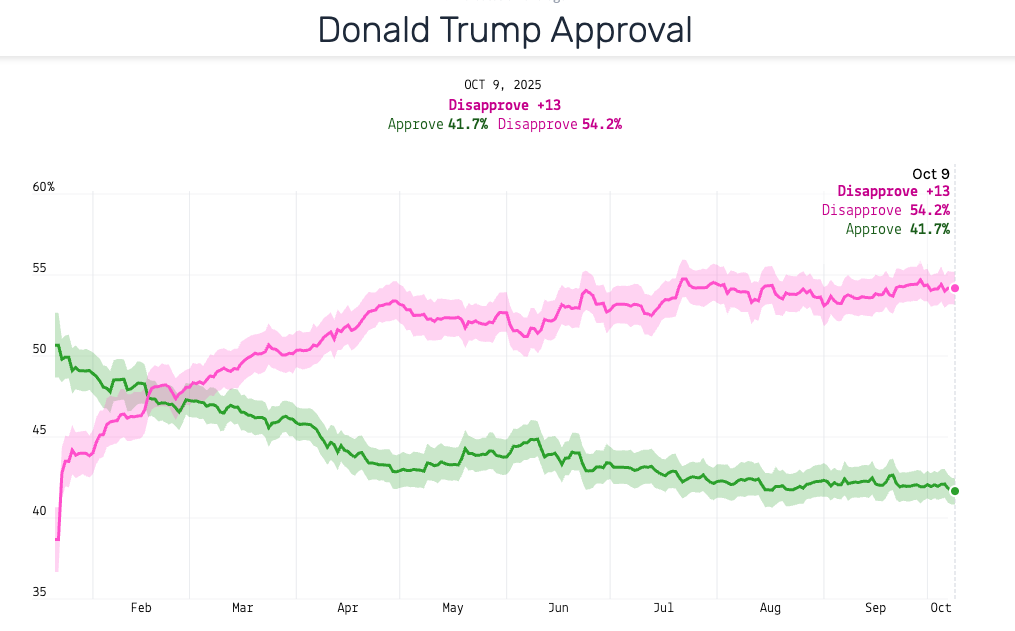
Approval Ratings Show a Divided and Polarized America
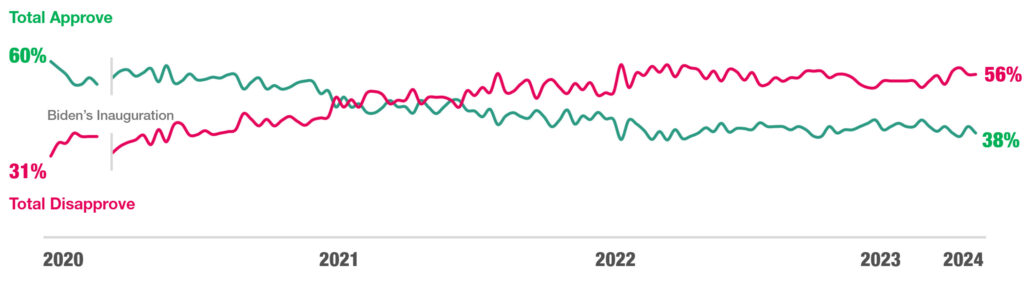
Public opinion remains deeply divided about the administration’s performance. Polls indicate that approval ratings have fluctuated significantly during the current term. Some voters support strong immigration enforcement and aggressive national security policies, while others are concerned about international conflict and domestic political tensions.
Recent polling suggests that only about 27% of Americans support certain military actions against Iran, reflecting growing skepticism among voters regarding foreign interventions.
At the same time, the administration still maintains strong backing from a loyal political base that helped secure victory in the 2024 election. Political analysts say this dynamic reflects a broader pattern in American politics: intense polarization where support and opposition are both deeply entrenched.
This divide means that even small shifts in public opinion can have significant political consequences. If approval ratings continue to fluctuate, they could influence upcoming congressional races and legislative negotiations.
Immigration Policy Remains a Powerful Political Flashpoint
Immigration enforcement has been another central issue during the administration. The government has implemented aggressive border policies aimed at reducing unauthorized migration and strengthening deportation measures.
Supporters argue that stricter enforcement is necessary to restore order at the border and protect national security. Critics, however, point to controversial incidents during enforcement operations and warn about humanitarian concerns.
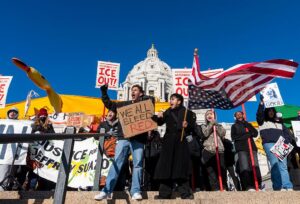
Data suggests that migration numbers have declined under these policies, but public reaction has been mixed. While some communities support the tougher approach, others have organized protests following enforcement actions and high-profile incidents.
Immigration has long been one of the most emotionally charged topics in American politics. As debates continue, policymakers face the challenge of balancing security concerns with humanitarian values and economic realities.
Political Alliances and Media Influence Are Changing the Landscape
Beyond policy decisions, the political environment surrounding the presidency is also evolving. Media ownership changes and expanding political alliances are reshaping how political narratives spread across the United States.
In recent months, allies of the administration have increased their presence in the media industry through acquisitions and investments in major companies. Analysts say these developments could influence how political information reaches voters and how narratives are shaped ahead of future elections.
Political strategy is no longer limited to speeches and legislation. Control of communication platforms, social media influence, and information networks now play a major role in shaping public perception.
As the media ecosystem continues to evolve, the relationship between political power and information flow is becoming one of the defining issues of modern democracy.
Why This Moment Could Define the Legacy of the Presidency
Presidential legacies are often defined by how leaders respond to moments of crisis. Economic challenges, geopolitical conflicts, and domestic political divisions all test a president’s ability to maintain stability and guide the nation forward.
The current debate about whether the Trump presidency is entering a period of decline reflects broader questions about leadership, governance, and the future direction of American politics.
Supporters argue that strong policies and bold decisions are necessary to protect U.S. interests and restore national strength. Critics say the administration’s approach is creating instability at home and abroad.
What happens next will likely depend on several key factors: economic recovery, diplomatic developments, and public opinion in the months ahead. If the administration can stabilize these areas, the narrative surrounding the presidency could change quickly. If not, political pressure may continue to grow.
For now, the conversation about America’s leadership remains one of the most closely watched stories in global politics.
Subscribe to trusted news sites like USnewsSphere.com for continuous updates.