Cuba’s power grid collapse has plunged millions into darkness, raising urgent questions about infrastructure failure, political tensions, and possible U.S. intervention. In March 2026, a nationwide blackout left homes, hospitals, and businesses struggling to function, while former U.S. President Donald Trump’s comments about potential involvement intensified global attention. The crisis matters now because it exposes Cuba’s fragile energy system, raises humanitarian concerns, and could reshape U.S.–Cuba relations at a critical geopolitical moment.
Nationwide Blackout Leaves Millions Without Power


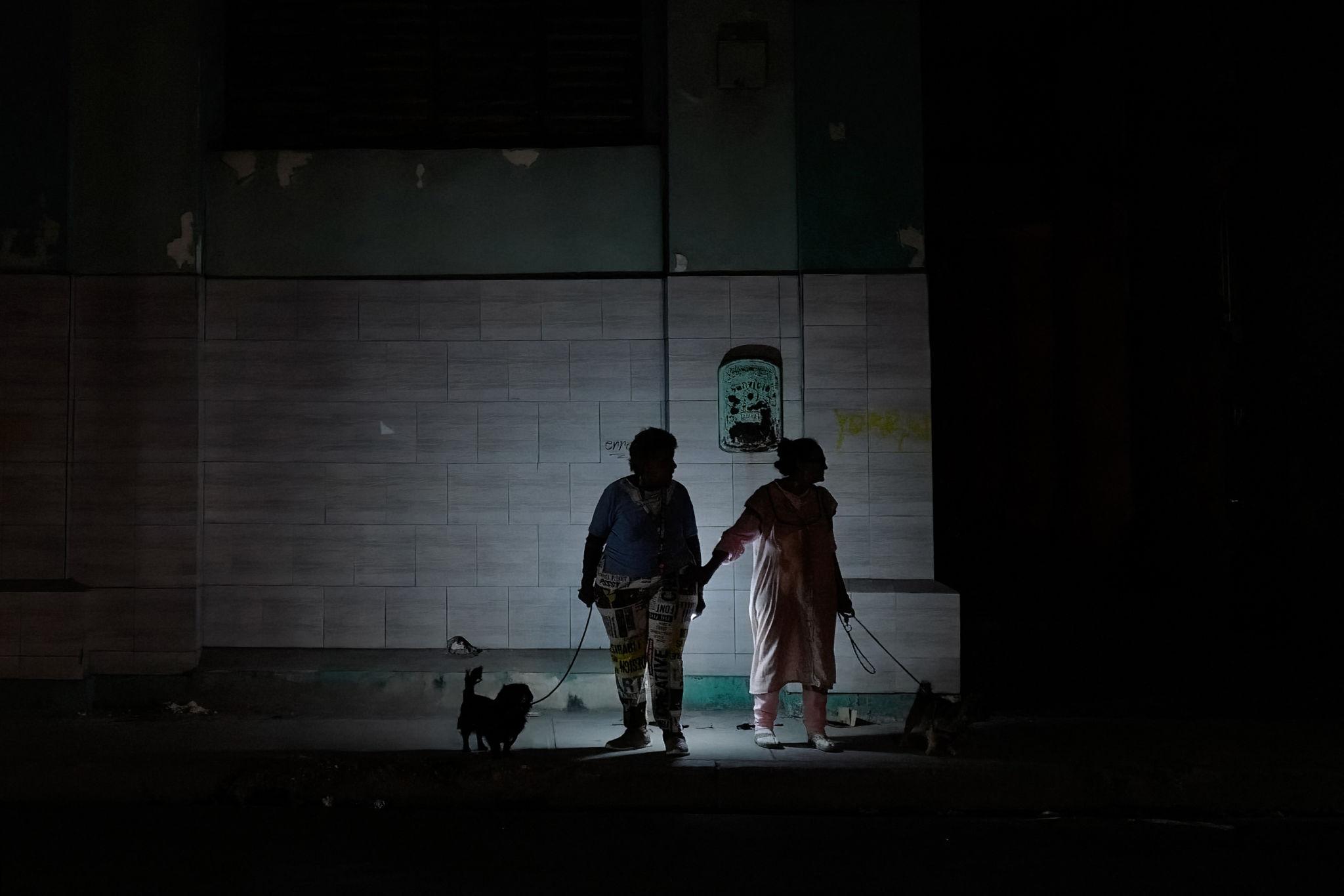
Cuba experienced one of its most severe power outages in years, with large parts of the island losing electricity almost simultaneously. Reports indicate that the collapse originated from failures in the national grid, which is heavily dependent on aging infrastructure and limited fuel supplies. In cities like Havana, entire neighborhoods were left in darkness, forcing residents to rely on candles and backup generators.
Hospitals, transportation systems, and communication networks were heavily disrupted. While emergency services attempted to maintain operations, the lack of consistent electricity made even basic services difficult. For a country already facing economic hardship, this blackout intensified daily struggles for millions of citizens.
What Caused the Collapse of Cuba’s Power Grid?


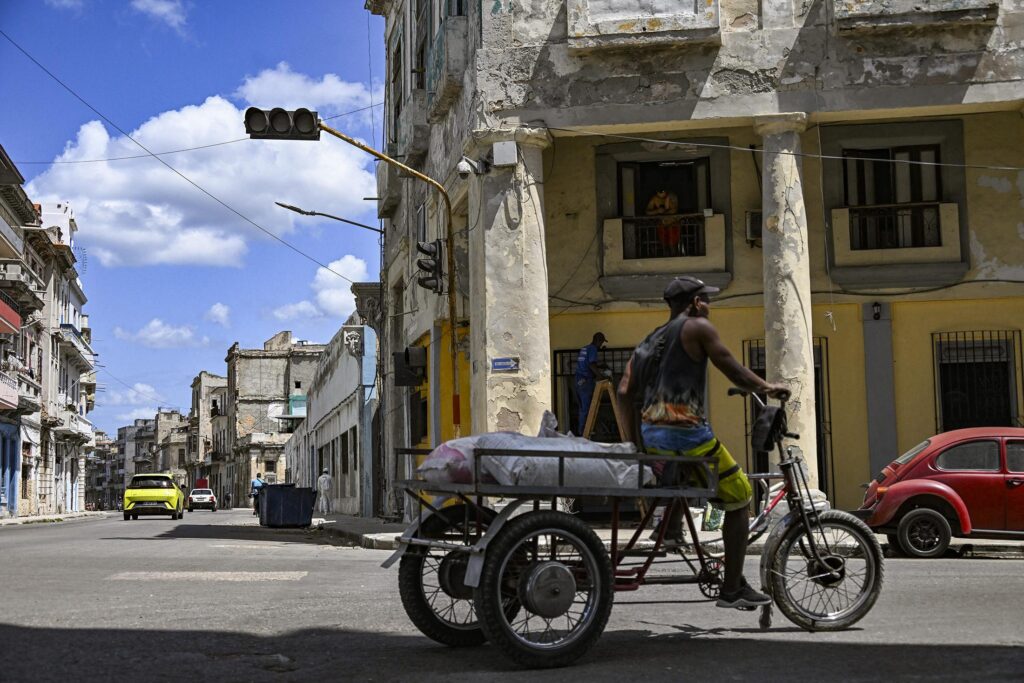
The collapse appears to be the result of multiple underlying issues rather than a single failure. Cuba’s energy grid relies heavily on outdated thermal power plants, many of which have been operating beyond their intended lifespan. Frequent breakdowns and maintenance issues have made the system increasingly unstable.
Fuel shortages have also played a significant role. Cuba depends on imported oil, and disruptions in supply have limited the ability to keep power plants running consistently. Combined with a lack of investment in modern energy infrastructure, these factors created a perfect storm that ultimately led to the grid’s failure.
Trump’s Comments Raise Questions About U.S. Involvement


The situation gained further attention after Donald Trump suggested that the United States could consider involvement in Cuba’s crisis. While details remain unclear, his remarks have sparked debate among policymakers and analysts about what form such involvement could take.
Some experts believe any intervention would likely focus on humanitarian aid, such as providing emergency energy support or technical assistance. Others warn that political tensions could escalate if the situation is perceived as interference in Cuba’s internal affairs. The uncertainty surrounding these comments has added another layer of complexity to an already fragile situation.
Humanitarian and Economic Impact on Cuban Citizens


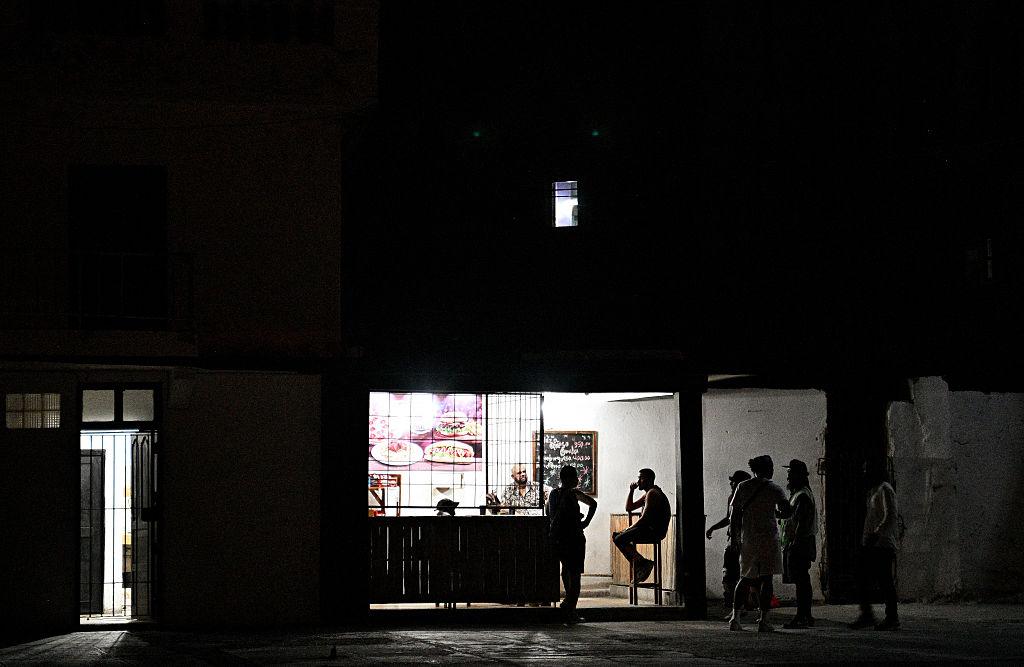
The blackout has had immediate and severe consequences for everyday life in Cuba. Food preservation has become a major issue, as refrigeration systems have stopped working across the country. Small businesses, particularly those dependent on electricity, have been forced to shut down temporarily, resulting in lost income.
Public frustration has also grown as citizens demand solutions to the ongoing energy crisis. Prolonged outages have historically led to protests in Cuba, and there are concerns that continued instability could trigger further unrest. The humanitarian impact is especially significant for vulnerable populations, including the elderly and those relying on medical equipment.
Why This Crisis Matters Now for Global Politics
The Cuba power grid collapse is not just a domestic issue—it has broader implications for global politics. The crisis highlights the vulnerability of aging infrastructure in developing nations and underscores the importance of energy security. For the United States, the situation presents both a challenge and an opportunity to influence regional stability.
Additionally, the timing is critical. With ongoing geopolitical tensions and shifting alliances, any U.S. involvement in Cuba could have ripple effects across Latin America. Countries in the region are closely watching how the situation unfolds, as it may set a precedent for future responses to similar crises.
What Happens Next: Recovery, Risks, and Future Outlook
Efforts are underway to restore power across Cuba, but experts warn that full recovery could take time. Temporary fixes may bring partial relief, but without significant investment in infrastructure, similar outages are likely to occur again.
Looking ahead, the crisis may push Cuba to explore alternative energy solutions, such as renewable power sources, to reduce reliance on outdated systems. At the same time, international support—whether humanitarian or technical—could play a key role in stabilizing the situation. The coming weeks will be critical in determining whether Cuba can recover quickly or face prolonged instability.
Conclusion
The Cuba power grid collapse has exposed deep structural weaknesses in the country’s energy system while triggering international concern and political debate. With millions affected and global attention focused on the island, the crisis represents a turning point that could reshape both domestic policy and international relations.
Subscribe to trusted news sites like USnewsSphere.com for continuous updates.