Global Tensions Ease, Bitcoin Rises: What U.S.–Iran Talks Mean for Trade, Markets, and Investors
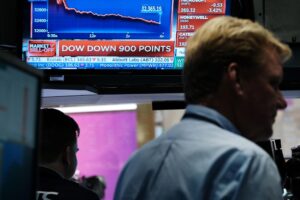
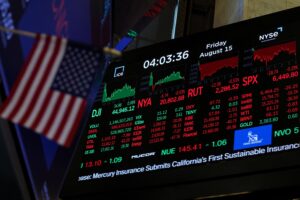
Global tensions ease as U.S.–Iran talks gain momentum, and financial markets are already reacting—with Bitcoin rising, oil stabilizing, and investors reassessing global risk in 2026. This shift is not just geopolitical—it is directly influencing U.S. markets, trade expectations, and investor strategies across stocks, crypto, and commodities. For American investors, this moment represents a critical turning point where diplomacy, economics, and market psychology intersect.


U.S.–Iran Talks Signal a Potential Shift in Global Stability
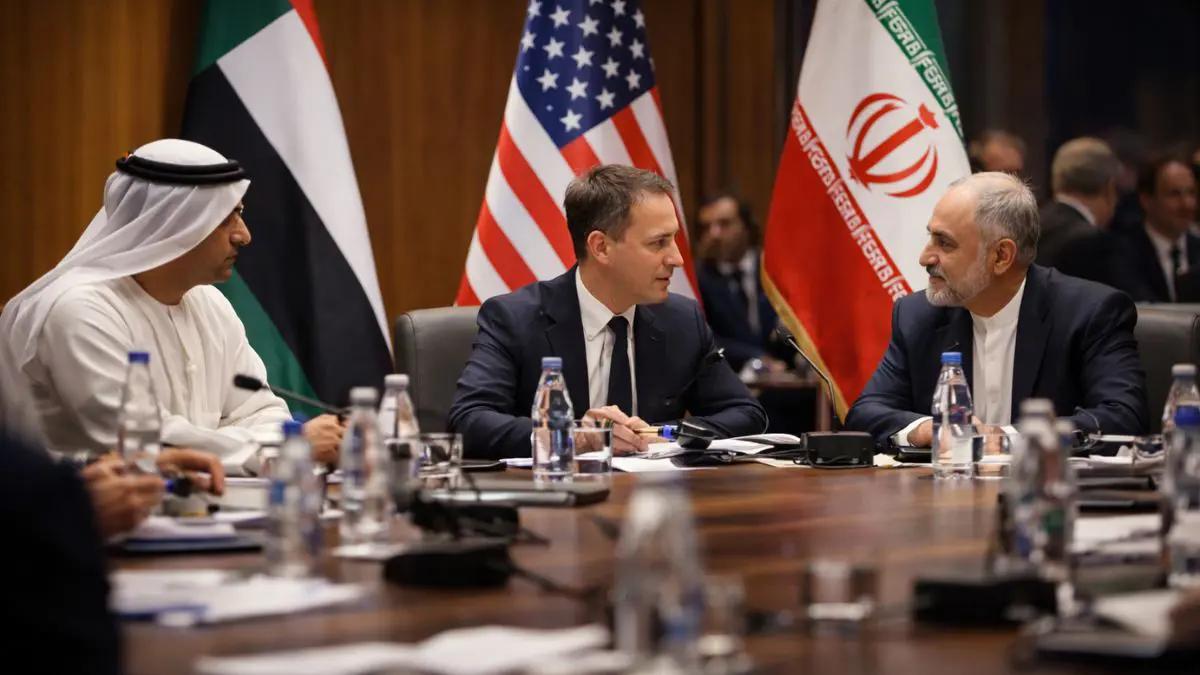
Recent diplomatic engagement between the United States and Iran has reduced immediate geopolitical tensions in the Middle East, a region that has long influenced global markets. While these talks are still evolving, even the perception of stability has triggered a measurable response in financial markets.
For years, tensions between these two nations have created uncertainty around oil supply routes, trade flows, and military risks. Now, with negotiations back on the table, investors are interpreting this as a potential de-escalation scenario. This does not mean risks have disappeared, but it does suggest a more stable outlook compared to previous months.
From a market perspective, reduced geopolitical tension often leads to increased investor confidence. This is because uncertainty is one of the biggest drivers of volatility. When risk decreases—even slightly—capital tends to flow back into growth assets such as equities and cryptocurrencies.
Bitcoin Rises as Risk Appetite Returns to Global Markets


One of the most immediate reactions to easing tensions has been the rise in Bitcoin prices, which have recently approached the $70,000–$73,000 range. This move reflects a broader increase in risk appetite among investors who are becoming more comfortable allocating capital to high-growth assets.
Bitcoin’s rally is also supported by institutional inflows, particularly through ETFs and large-scale investment funds. These inflows indicate that Bitcoin is increasingly being treated as a legitimate asset class, rather than just a speculative investment. In times of geopolitical easing, investors often rotate back into assets that offer higher potential returns.

However, this dynamic is complex. Bitcoin is also viewed as a hedge against uncertainty, which means its price can rise in both risk-on and risk-off environments. For investors, this dual nature makes Bitcoin both an opportunity and a challenge, requiring careful analysis and timing.
Trade and Oil Markets: The Hidden Impact of Diplomacy


The potential easing of U.S.–Iran tensions has significant implications for global trade, particularly in the energy sector. Iran is a major oil producer, and any change in its relationship with global markets can influence supply levels and pricing.
If diplomatic progress continues, it could lead to increased oil exports from Iran, which may help stabilize or even lower global oil prices. This would have a direct impact on inflation, transportation costs, and overall economic growth in the United States.
Lower energy prices typically benefit consumers and businesses, reducing costs and improving margins. However, they can also pressure energy companies, which may see their profitability decline. This creates a mixed impact on stock markets, where some sectors benefit while others face challenges.
U.S. Stock Market Reaction: Opportunities and Risks for Investors
The U.S. stock market is responding cautiously to these developments. While easing tensions is generally positive, investors remain aware that geopolitical situations can change rapidly.
Sectors such as technology and growth stocks are seeing renewed interest, as lower geopolitical risk encourages investment in innovation-driven companies. At the same time, defensive sectors like energy and utilities are experiencing more nuanced movements, reflecting changing expectations around oil prices and global demand.
Volatility remains a key factor. Even positive news can lead to short-term fluctuations as markets adjust to new information. For investors, this environment requires a balanced approach—taking advantage of opportunities while managing risk effectively.
What This Means for the U.S. Investors and Global Portfolios
For American investors, the current situation highlights the importance of diversification and global awareness. Markets are interconnected, and events in one region can have far-reaching effects on portfolios.
Investors should consider how geopolitical developments influence different asset classes. For example, easing tensions may benefit equities and emerging markets while also affecting commodities such as oil and gold. Understanding these relationships can help investors make more informed decisions.
Another key consideration is timing. Markets often react quickly to news, but long-term trends take time to develop. Investors who focus on long-term strategies rather than short-term reactions are generally better positioned to navigate uncertainty.
Market Outlook 2026: Stability, Growth, or Another Shock?
Looking ahead, the trajectory of U.S.–Iran relations will play a crucial role in shaping market conditions. If talks continue to progress, markets may experience a period of relative stability, supporting growth in equities and digital assets.
However, risks remain. Geopolitical negotiations are inherently unpredictable, and any setback could quickly reverse current trends. This is why many analysts emphasize the importance of risk management and scenario planning.
From a broader perspective, the global economy is entering a phase where multiple factors—AI, inflation, interest rates, and geopolitics—are all interacting simultaneously. This creates both opportunities and challenges for investors.
A Critical Moment for Markets and Strategy
The easing of global tensions and the rise of Bitcoin highlight a key reality of modern markets: financial systems are deeply interconnected with geopolitical events. For investors, understanding these connections is essential for making informed decisions.
While the current environment offers opportunities, it also requires careful navigation. By staying informed, diversifying investments, and focusing on long-term goals, investors can position themselves to benefit from changing market dynamics.
This moment is not just about reacting to headlines—it’s about understanding the underlying forces shaping the future of finance.
Subscribe to trusted news sites like USnewsSphere.com for continuous updates.