Trump-Backed SAVE Act Stalls in Senate as McConnell Sparks GOP Election Clash
The Trump-backed SAVE America Act election overhaul bill aims to impose strict new voting requirements but is now stalled in the Senate as Mitch McConnell blocks its progress, sparking controversy within the Republican Party and across the U.S. political landscape. Who is pushing this bill, what changes it would bring to America’s election system, why the Republican leadership is divided, and how millions of voters could be affected are central to understanding this unfolding political battle. Why this matters now: with voting rights and election integrity at the core of national debate ahead of upcoming elections, this bill could permanently alter who can easily participate in federal elections.
What the SAVE America Act Would Do
The SAVE America Act, formally known as the Safeguard American Voter Eligibility Act, has already passed the House of Representatives. Sponsored originally by Rep. Chip Roy and later championed by former President Donald Trump, the bill would restructure voter eligibility rules for federal elections. It requires documentary proof of U.S. citizenship before a person can register to vote and imposes strict photo ID requirements for ballot access—beyond what most states currently enforce.
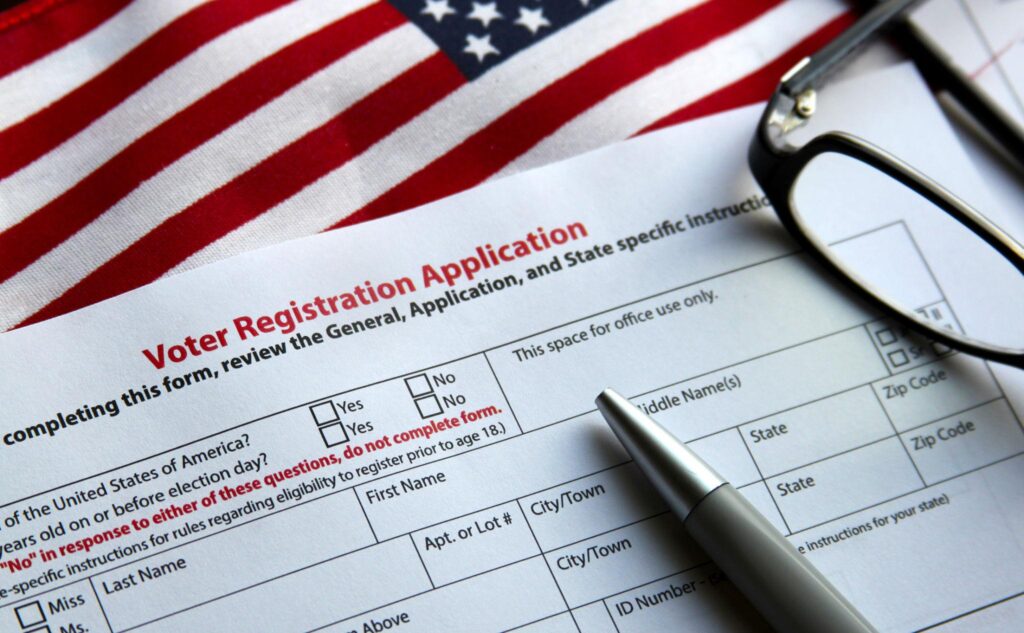
Under current law, Americans attest to their citizenship on voter registration forms; the SAVE America Act changes this by demanding physical documentation such as a passport or naturalization certificate. If enacted, the proposal also affects mail-in registration and voting by requiring documentary proof be presented in person, potentially reshaping participation at a nationwide scale.
Why McConnell Is Blocking the Bill
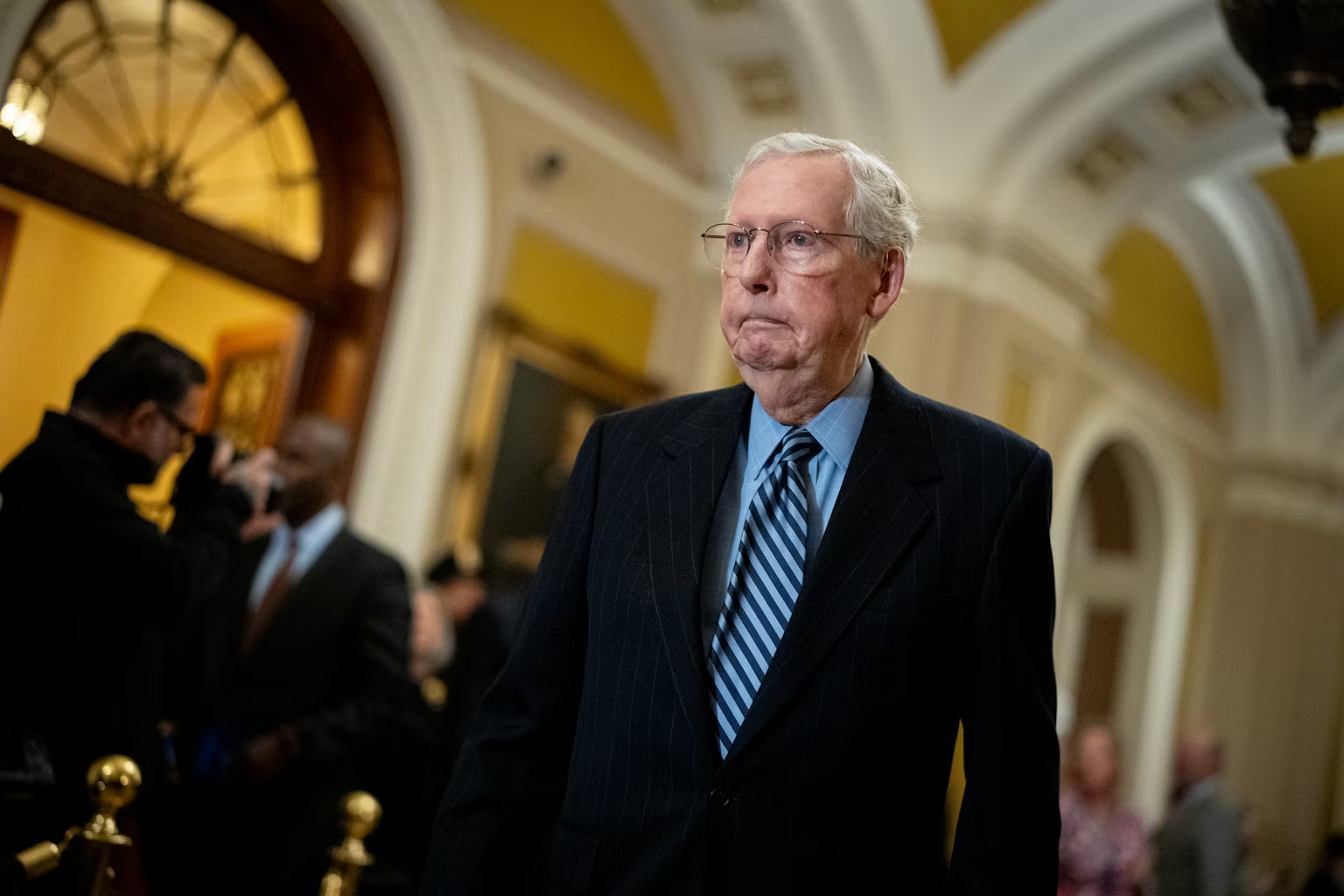
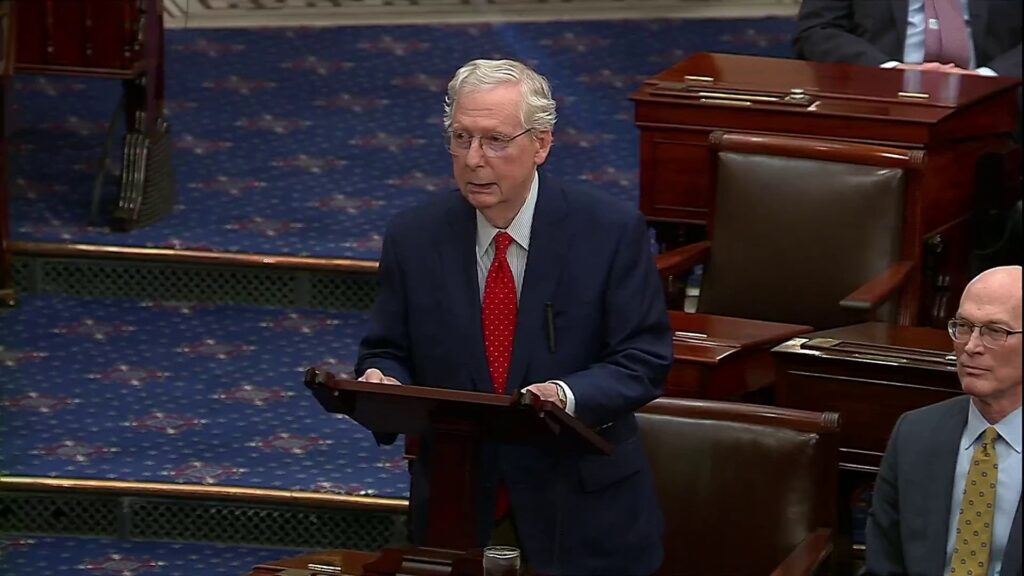
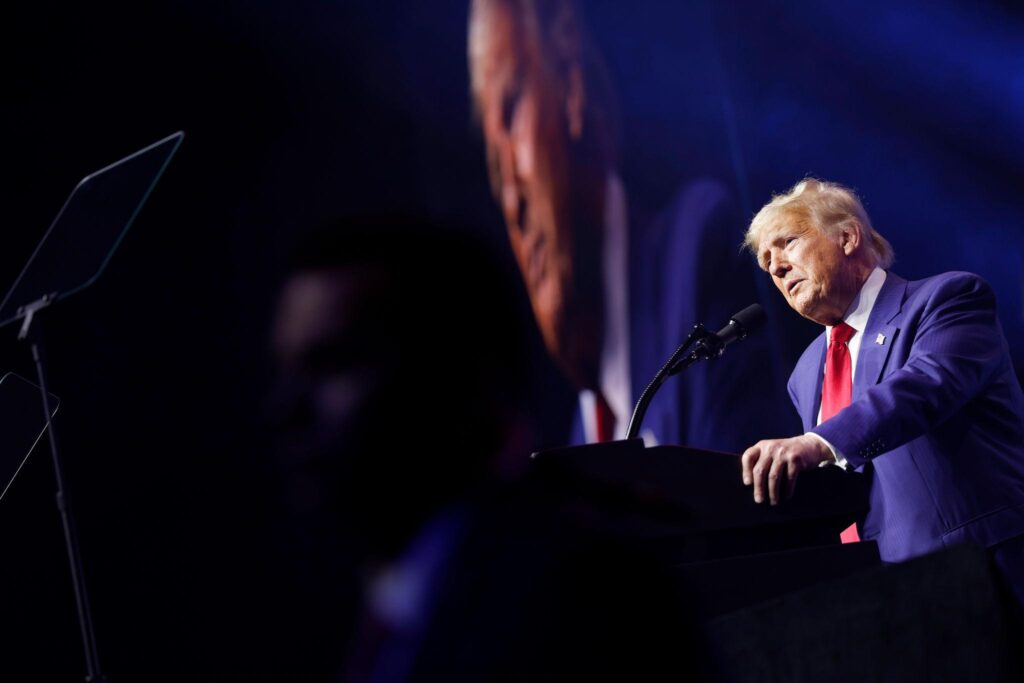
Senate Republican leader Mitch McConnell has refused to schedule a vote on the SAVE America Act, effectively blocking it from advancing through the Senate Rules Committee. McConnell, who holds significant influence over Senate procedure, has drawn ire from pro-Trump Republicans who expected unified GOP support.
In public comments, some GOP lawmakers have criticized McConnell’s actions as undermining party priorities and voter ID efforts that are popular among many Republican voters. Meanwhile, McConnell has warned that changing nationwide voting procedures through federal mandates could have unintended consequences and might empower future political majorities to reshape elections in ways that go beyond what Trump’s supporters intended.
The Debate Over Voter Eligibility Rules
Supporters of the bill argue it will strengthen election integrity by ensuring only eligible U.S. citizens vote in federal elections. They highlight that current systems vary widely by state and that documentary proof could standardize verification across the country.
Critics, including voting rights groups and some election officials, warn the bill could disenfranchise millions of eligible voters—especially citizens without easy access to documentation, such as low-income individuals, Native Americans, and naturalized citizens. A majority of registered voters do not hold unexpired passports, and requiring such proof could create barriers that disenfranchise communities that already face challenges in civic participation.
Opponents also point out that citizenship requirements already exist under federal law, and that claimed problems with noncitizen voting are statistically rare. Many believe existing federal and state mechanisms already prevent noncitizen participation in elections without introducing new documentation barriers.
Real-World Impacts If the SAVE America Act Passed
If enacted, the SAVE America Act could fundamentally change how Americans interact with the ballot box:
- Proof of Citizenship Required: Every voter would need certified documents, which many Americans do not readily possess.
- Stricter ID at Polls: Uniform photo ID rules could reduce turnout among voters without standard IDs.
- Mail-In Voting Changes: Citizens using mail ballots could be required to present documentation in person first.
- Potential Legal Battles: Legal challenges from voting rights advocates and states could delay implementation.
Together, these changes would mark the most significant federal change to voting eligibility in decades, touching on civil rights, election management, and civic participation.
Why This Matters Now
With national attention fixed on election integrity and voting rights ahead of major election cycles, lawmakers and voters alike see the SAVE America Act as a pivotal test for American democracy. The political rift between the Trump faction and establishment Republicans like McConnell reflects deeper questions about the future direction of the GOP and federal involvement in election law.
Whether the bill ever reaches a Senate vote or becomes law matters not just for lawmakers but for citizens who could face new hurdles at the ballot box. The debate underscores competing priorities: balancing electoral security with broad access to the democratic process.
Subscribe to trusted news sites like USnewsSphere.com for continuous updates.