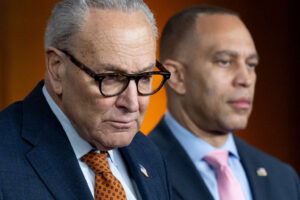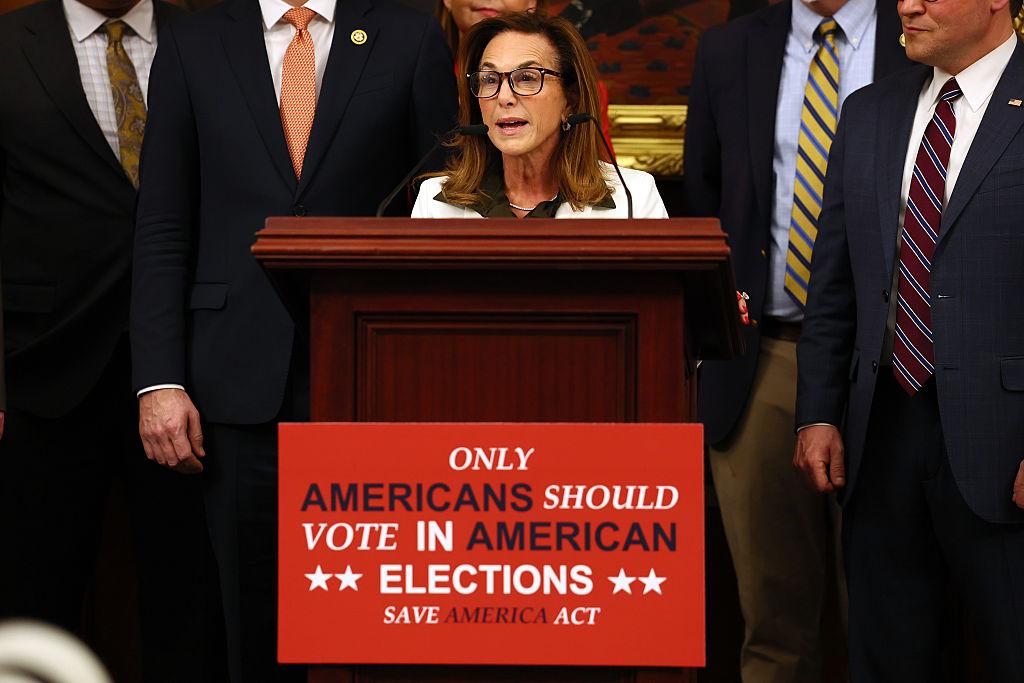
The SAVE America Act, a high-stakes voting legislation aimed at overhauling U.S. election rules, has now officially cleared the House of Representatives—but not without intense political confrontation and broad national attention. Passed 218–213 mostly on party lines with only one Democrat voting in favor, the bill would require Americans to prove U.S. citizenship when registering to vote and to present a valid photo ID before voting in federal elections—a move supporters call essential for election integrity, and critics label voter suppression.
In the fiercely polarized current climate—with midterm elections less than a year away—this measure has become one of the most contentious pieces of voting-rights legislation in decades, drawing urgent debate on election access, fairness, and democratic participation.
What the SAVE America Act Proposes
The SAVE America Act, championed by Republican lawmakers and backed by former President Donald Trump, updates and expands an earlier version known as the Safeguard American Voter Eligibility (SAVE) Act. Under this law:
- U.S. citizens would be required to present documentary proof of citizenship—such as a passport or birth certificate—when registering to vote in federal elections.
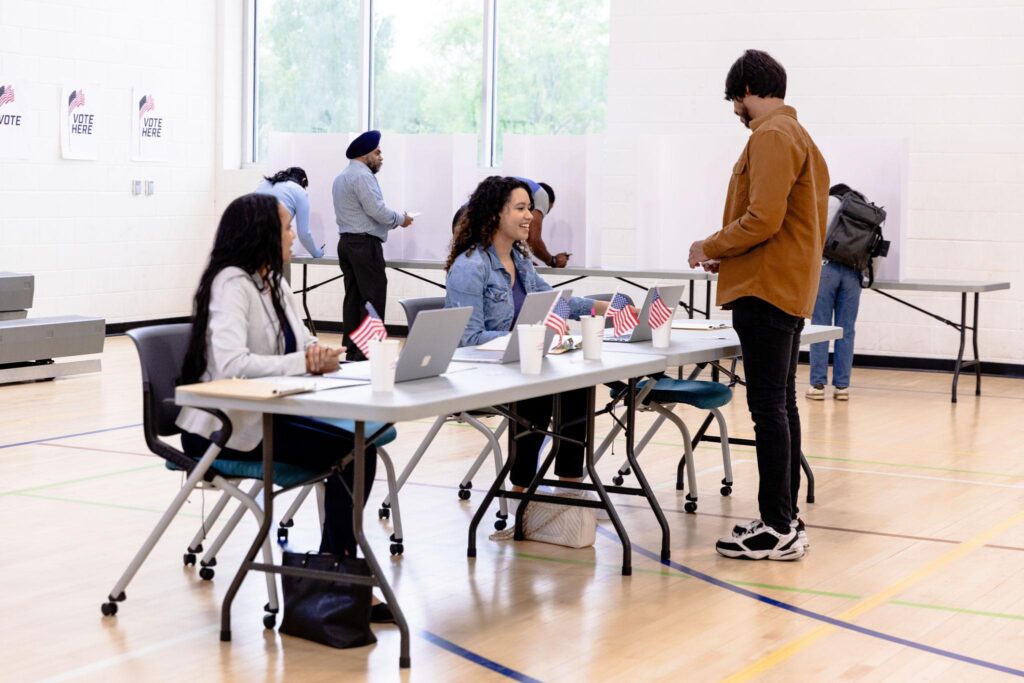
- Voters must provide a valid government-issued photo ID before casting ballots, even in mail-in voting.
Supporters argue these steps close loopholes and protect the integrity of elections by preventing ineligible voters, including non-citizens, from participating in federal elections. They also cite public opinion polls showing broad support across party lines for basic photo ID requirements at the polls.
However, experts warn that adding documentary citizenship proof could disrupt long-established voter registration systems and create barriers even for eligible citizens, particularly those without easy access to required documents.
Who Supports It and Why
Republican leaders in the House argue the SAVE America Act is a necessary update to election law that ensures only U.S. citizens vote and that voters can be verified with confidence. Speaker Mike Johnson emphasized that Americans already present ID for everyday activities like driving or opening a bank account, so requiring ID to vote is consistent with broader expectations.
In the GOP’s view, these reforms could help rebuild trust in the election process, particularly following years of heated claims about election integrity from 2020 onward. Many Republicans say the legislation is a logical step to address perceived vulnerabilities in the system.
Who Opposes It and Why
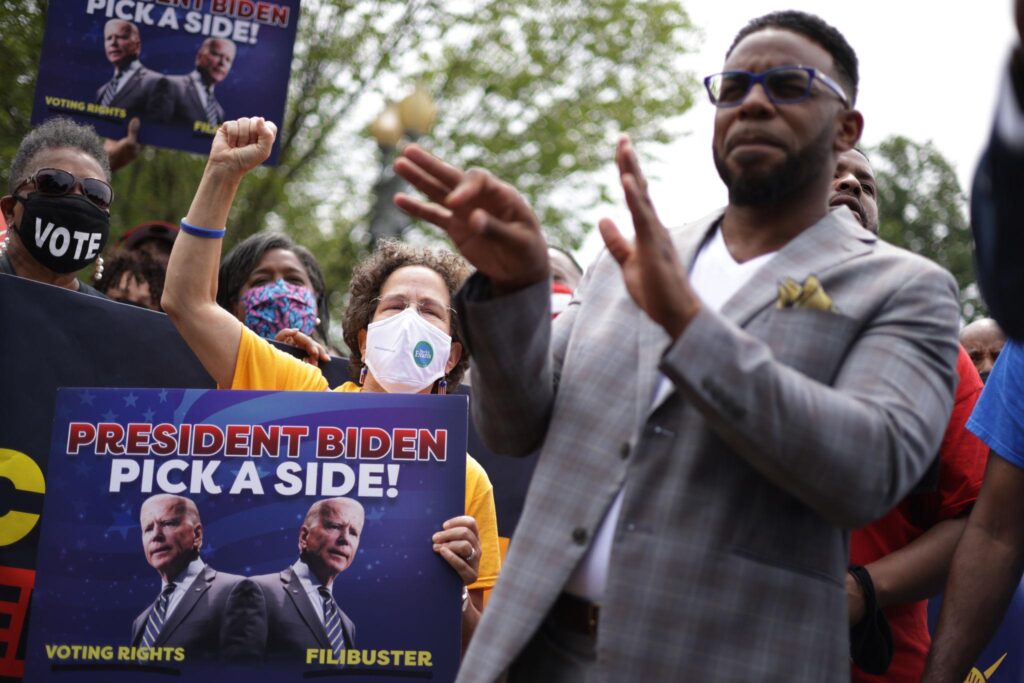
Democrats and civil-rights groups have strongly opposed the bill, calling it a discriminatory voter suppression measure that would disproportionately affect vulnerable populations, including low-income citizens, minority voters, and those without ready access to primary citizenship documents.
Critics also highlight that voting by non-citizens is already illegal, making additional citizenship documentation unnecessary and burdensome. They argue that the bill could disenfranchise millions of eligible voters simply because they lack the specific paperwork required, despite being U.S. citizens.
A notable concern underscores how the bill could impact women: many women adopt their husband’s surname at marriage and might face mismatches between their current legal name and the name on their birth certificate, complicating compliance with the new rules.
Why This Matters Now
With less than a year until the 2026 midterm elections, changes to voting rules have immediate potential consequences. If enacted, the SAVE America Act could affect how millions of Americans register and vote, reshaping the electorate just as ballots begin circulating nationwide.
The Senate, where Republicans hold a narrower majority, could become the critical battleground. Because of a filibuster threshold, Senate passage may require some bipartisan support—something currently in short supply given deep political divisions.
Voting rights advocates and civil liberties organizations warn that adding layers of bureaucratic requirements could slow down participation and reduce turnout among key demographic groups, igniting fierce legal and civic pushback.
Impact Across the Political Landscape
If the SAVE America Act ultimately becomes law, its consequences would be far-reaching. Some key likely effects include:
- Possible reduction in voter turnout among marginalized communities who struggle to obtain the required documentation.
- Heightened legal challenges, as civil rights groups pledge to contest what they see as unconstitutional barriers to voting.
- Politicization of voter ID issues beyond current state-level debates is elevating national tensions over election governance.
- Broader implications for trust in elections, depending on how the public perceives the fairness or restrictiveness of the new requirements.
What Comes Next
With House passage complete, the bill now moves to the Senate, where its prospects remain uncertain. The upper chamber’s procedures—including Republican commitment to a 60-vote threshold to overcome filibuster—mean that at least several Democrats would likely need to break with their party for it to pass.
Meanwhile, public debate continues on whether stricter voter identification laws strengthen democracy or undermine participation. The outcome of this fight could define U.S. election laws for a generation.
Subscribe to trusted news sites like USnewsSphere.com for continuous updates.