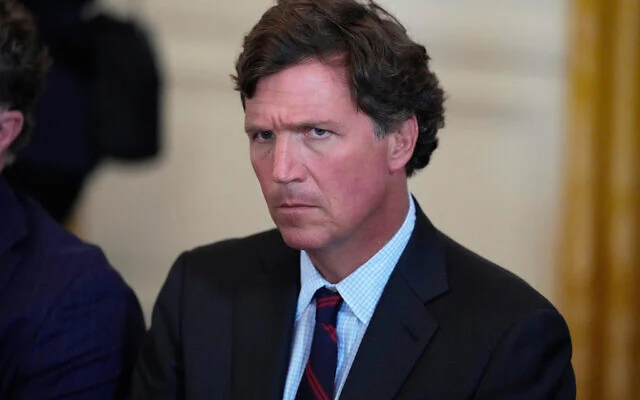
Tucker Carlson Israel airport incident debunked: What happened, why it matters now, and how it’s shaping the political debate. In the latest unfolding story involving former Fox News host Tucker Carlson’s claim that he was “detained” by Israeli security at Ben Gurion Airport after interviewing U.S. Ambassador Mike Huckabee, both Israeli authorities and the U.S. Embassy have firmly denied that any detention or interrogation took place, calling it routine passport procedures instead.
What Carlson Claimed and Official Responses
Carlson, a well-known conservative commentator, said that during his brief visit to Israel, he and his team were stopped by men identifying themselves as airport security. He claimed passports were confiscated, and his executive producer was taken into a side room and questioned about the content of their interview with Huckabee before they were allowed to leave the country.
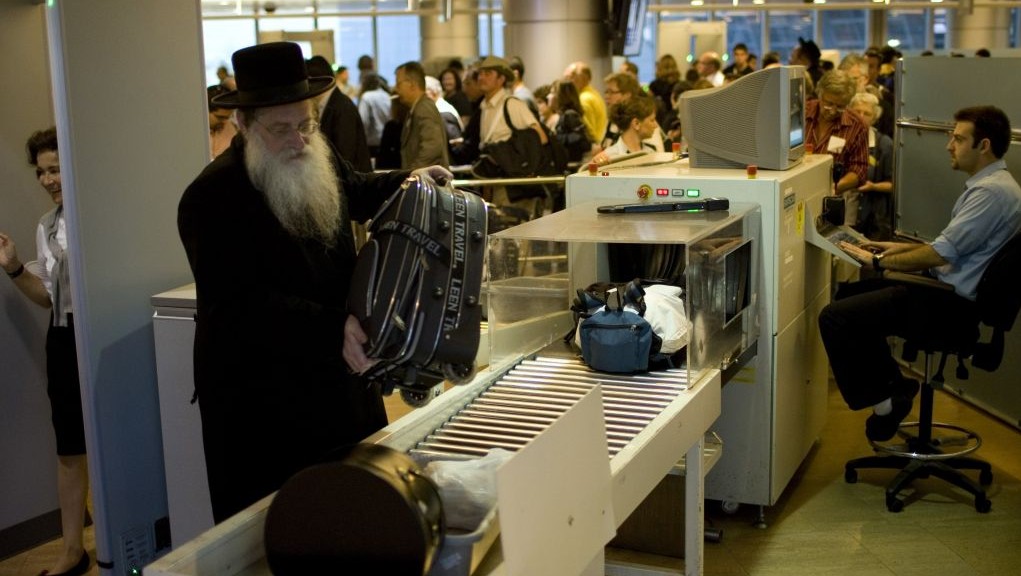
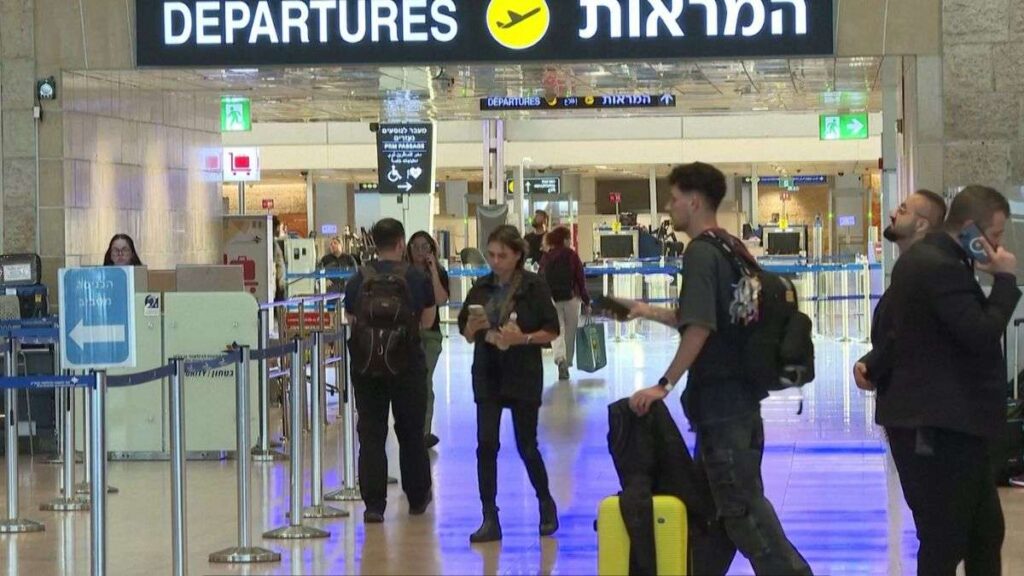
However, Israeli authorities and the U.S. Embassy rejected these allegations outright. The Israel Airports Authority said Carlson and his team were not detained, delayed, or interrogated, and that any questions were standard security checks performed in a private VIP area to protect privacy. The U.S. Embassy in Israel echoed this, saying Carlson received the same routine passport control and security questions as any other visitor, including Ambassador Huckabee himself.
This direct contradiction between Carlson’s account and official statements is now the focal point of the story, with each side presenting a completely different narrative.
Why Carlson Was in Israel and the Context
Carlson’s visit was not a random trip. He went to Israel to interview U.S. Ambassador Mike Huckabee following a public exchange between the two over Israel’s treatment of Christians and broader political issues. Carlson had been openly critical of the Israeli government and its policies, amplifying contentious viewpoints that have stirred debate within conservative circles.
Israeli media also reported that officials had considered denying Carlson entry entirely before deciding against it to avoid a diplomatic incident with the United States.
So while Carlson framed the airport encounter as a dramatic confrontation, authorities insist it was business as usual — routine security processes that are part of international travel protocols. This discrepancy has drawn criticism, skepticism, and commentary from both supporters and detractors across social and political channels.
Why This Matters Now
The dispute is more than a personal spat: it comes at a time when U.S.–Israel relations are under intense scrutiny amid ongoing tensions in the Middle East and debates within American politics. Former President Donald Trump himself reportedly urged Carlson to tone down his rhetoric on Israel, underscoring how polarizing discussions about the country have become within the Republican Party and conservative media.
Trump’s message reflects concern among some U.S. leaders that extreme rhetoric could inflame divisions at home and undermine diplomatic ties abroad. Carlson’s high-profile platform means his statements travel far beyond niche audiences — and his characterization of events like the airport incident can shape public perception, whether or not the underlying facts hold up under scrutiny.
The Broader Debate on Press Freedom and Accountability
Beyond whether Carlson was “detained,” the story touches on larger issues about press freedom, the right to report independently, and how states handle journalists who are critical of their policies. Critics have suggested that if a democratic ally monitors or questions a visiting journalist’s reporting, even standard procedures could be interpreted through the lens of press repression — especially when one side frames routine actions as something more sinister.
At the same time, authorities insist routine security protocols have been unfairly mischaracterized to make a dramatic political point. The balance between security and journalistic freedom — particularly when combined with geopolitical tensions — makes this more than a simple misunderstanding.
Reactions from Social and Political Circles
Social media and political commentators have exploded with reactions. Some believe Carlson’s claims reflect a genuine concern about how conservative voices are treated abroad, while others see it as an attempt to stoke controversy for attention or political leverage. Critics argue that exaggerating such incidents harms credibility and distracts from more substantial discussions about U.S.–Israel relations and Middle East policy.
Public debate has ranged from outright support of Carlson’s version to strong criticism that frames his story as misleading or inflated — especially given official denials from both Israel and the U.S. embassy. The viral nature of these reactions highlights how media narratives can influence public opinion in real time.
What Comes Next
As more information emerges, this story will continue evolving. Whether through official diplomatic channels, further statements from Carlson or Huckabee, or analysis by press freedom advocates and geopolitical experts, the narrative is likely to stay in the spotlight for some time. For now, the clearest consensus among governments and authorities is that no formal detention or interrogation occurred — only routine checks that were misinterpreted or reframed as a political incident.
This moment underscores how contentious and impactful modern media narratives have become — with even routine procedures capable of sparking international headlines, debate, and political fallout.
Subscribe to trusted news sites like USnewsSphere.com for continuous updates.