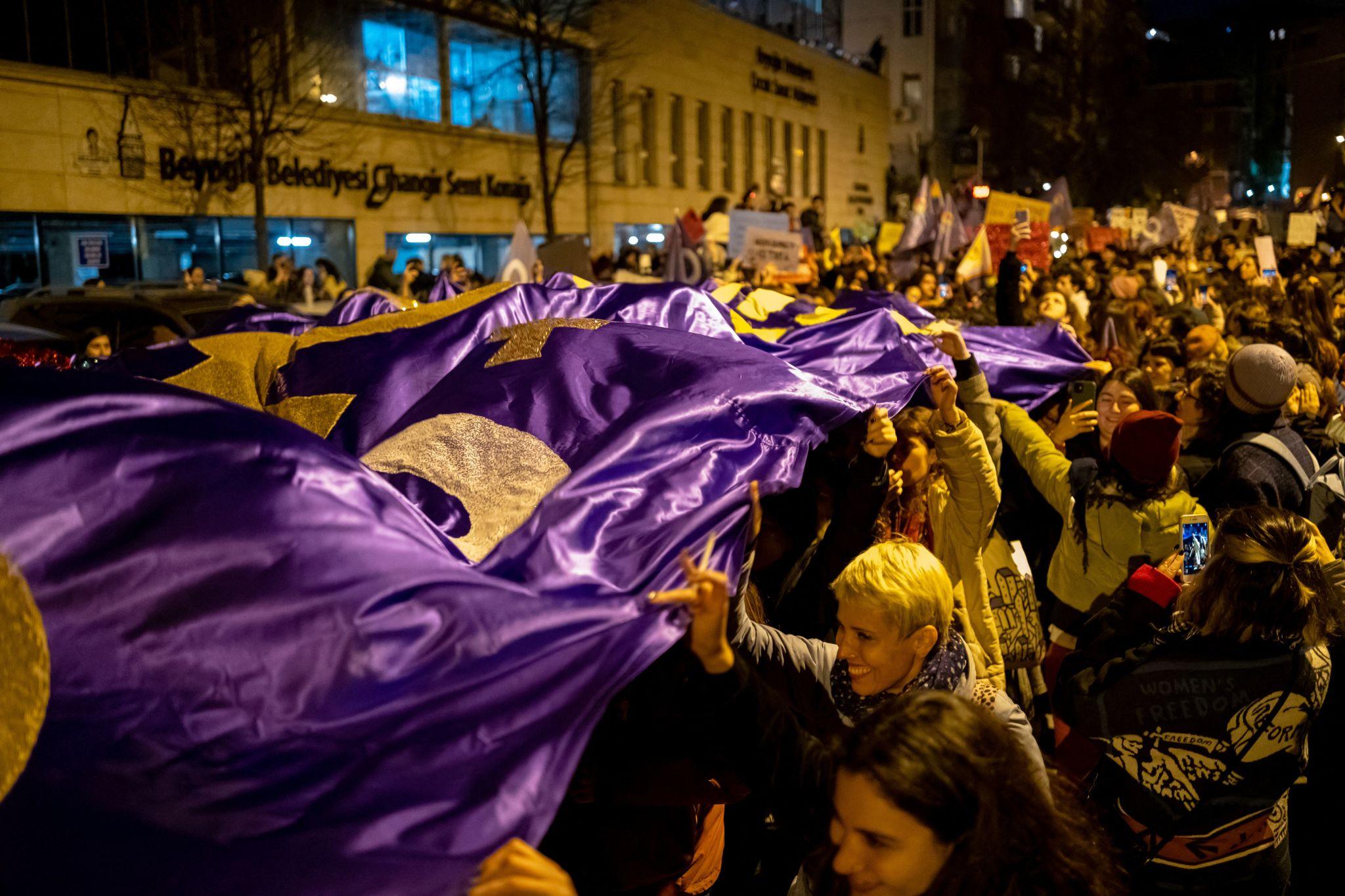
International Women’s Day 2026 is a global celebration of women’s achievements and a powerful call to action for gender equality around the world. Observed every year on March 8, the day highlights women’s social, political, cultural, and economic contributions while drawing attention to persistent challenges such as gender pay gaps, workplace discrimination, and unequal access to leadership roles. Governments, labor organizations, companies, and activists worldwide organize campaigns, events, and initiatives to push for equal opportunities.
This year’s discussions emphasize not only celebrating progress but also accelerating real change. Across the United States, Europe, and many other regions, organizations are using International Women’s Day to advocate for stronger workplace protections, equal pay, and more representation in decision-making positions. The day reminds the world that while progress has been made, millions of women still face structural barriers that limit their opportunities.
The History and Meaning Behind International Women’s Day
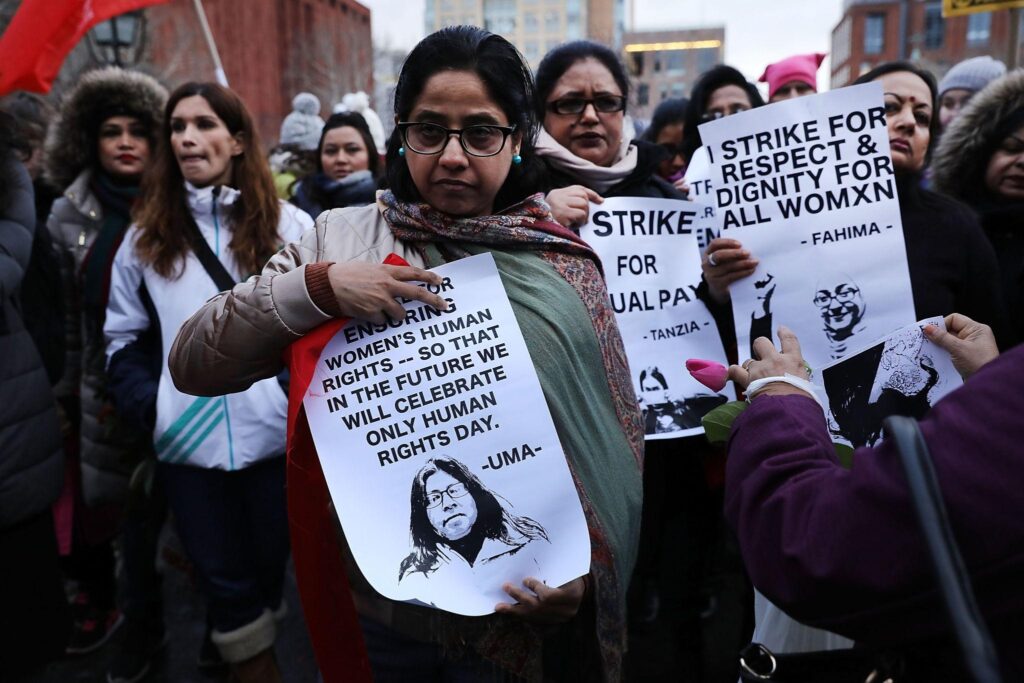
International Women’s Day traces its roots to early twentieth-century labor movements. Women workers across Europe and North America organized protests demanding fair wages, safer working conditions, and voting rights. The first widely recognized International Women’s Day events took place in 1911, when millions participated in rallies across several European countries.
Over the decades, the observance expanded beyond labor rights and evolved into a broader global movement for gender equality. The United Nations officially recognized International Women’s Day in 1975, marking it as a worldwide opportunity to promote women’s rights and highlight the importance of equal participation in society. Today, governments, schools, corporations, and nonprofit organizations participate in events ranging from conferences and awareness campaigns to community initiatives supporting women’s empowerment.
Why International Women’s Day Matters Now
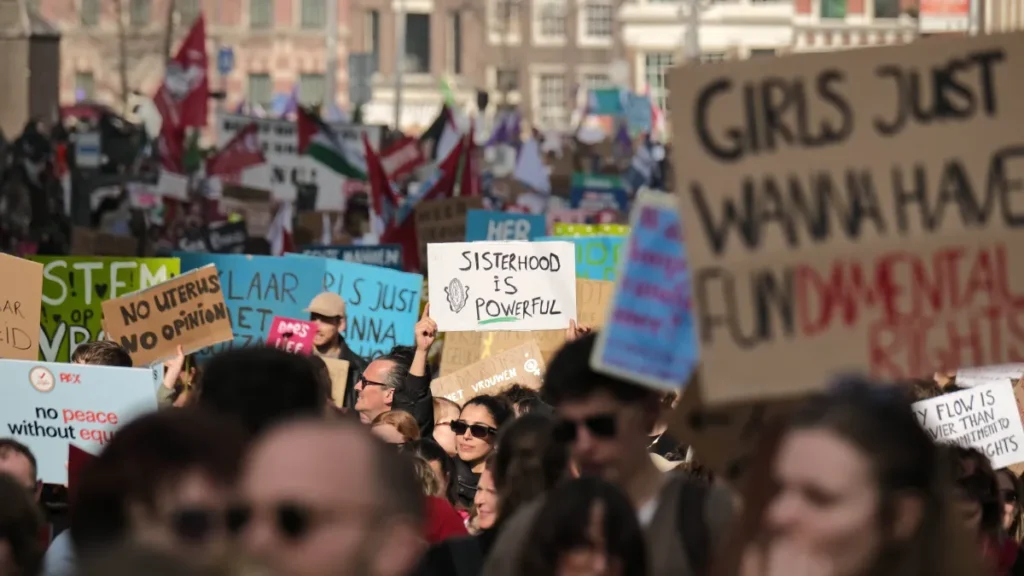
Despite major advancements in education, employment, and political representation, gender inequality remains a global challenge. According to international labor organizations and equality advocates, women worldwide still earn significantly less than men on average, and they remain underrepresented in leadership roles across industries.
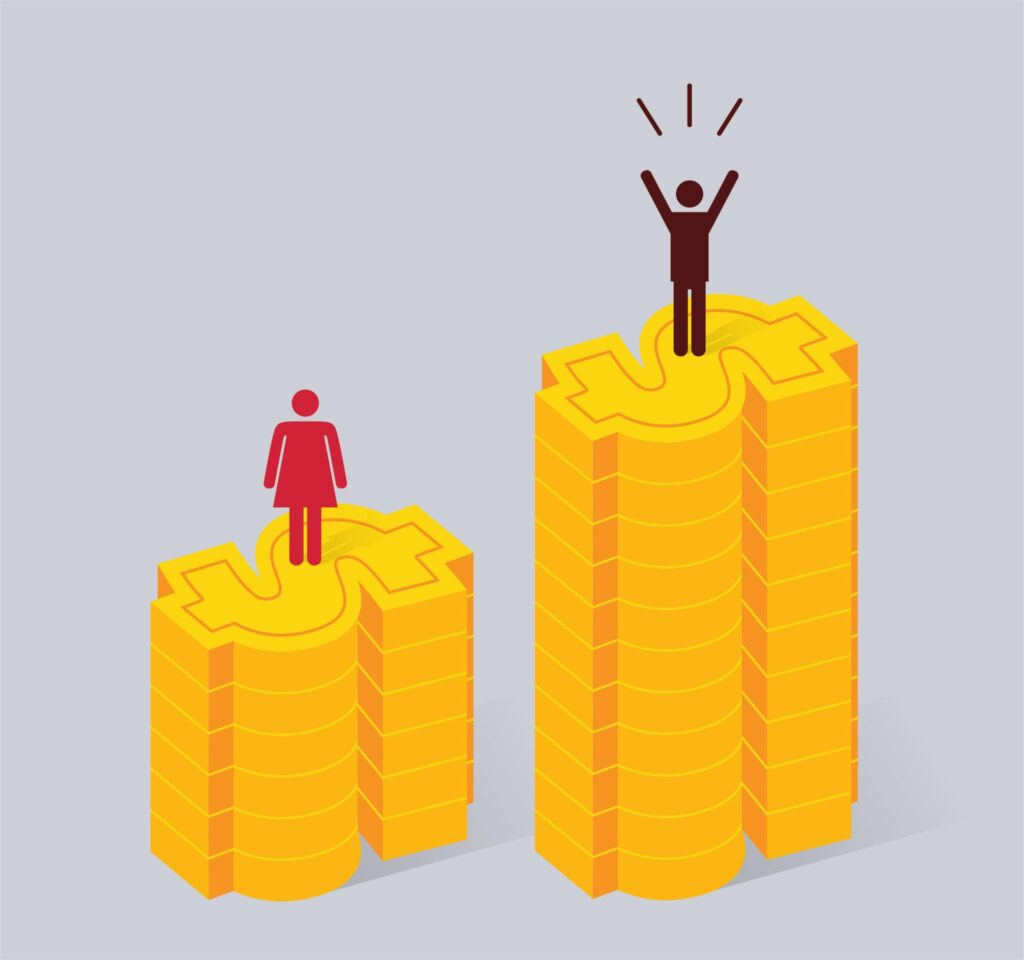
This is why International Women’s Day continues to focus on both celebration and accountability. Many advocacy groups argue that economic progress, workplace innovation, and social stability are closely linked to gender equality. When women have equal access to education, employment, and leadership opportunities, societies experience stronger economic growth and improved community outcomes.
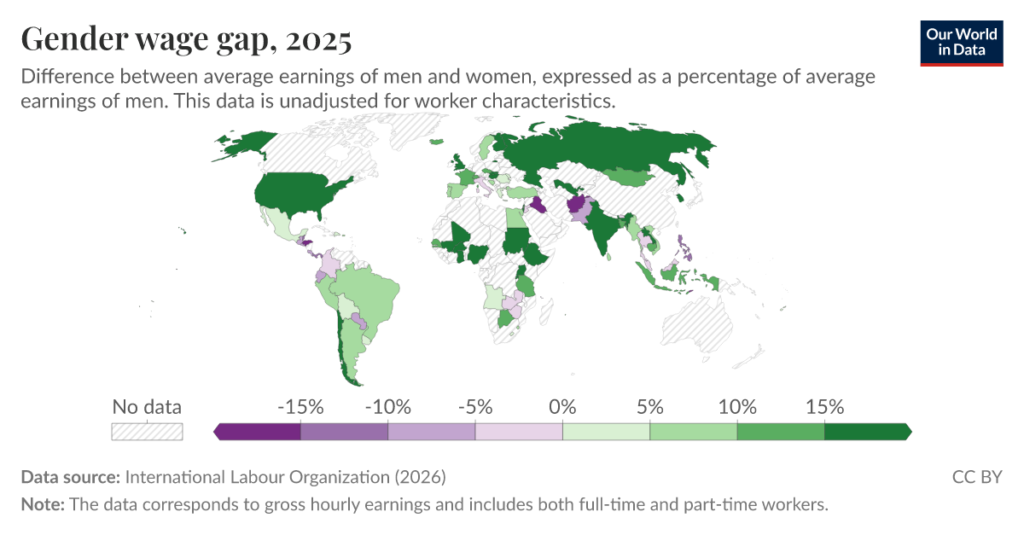
The day also provides a platform to spotlight urgent issues such as gender-based violence, access to healthcare, and the digital divide that affects women in many regions. By bringing these topics into public conversation, activists and policymakers hope to accelerate long-term solutions.

Global Campaigns and Themes for 2026
Each year, International Women’s Day is associated with campaigns and themes encouraging governments and organizations to act. The 2026 observance highlights the importance of inclusive economic growth, workplace equality, and empowering young women through education and digital skills.
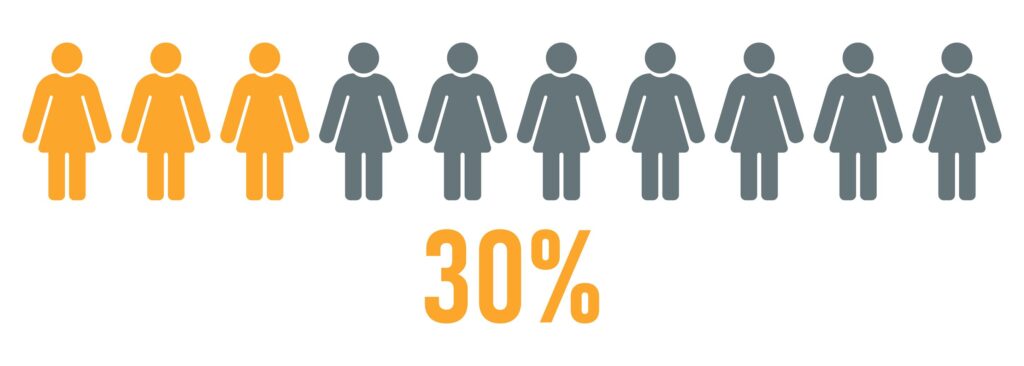
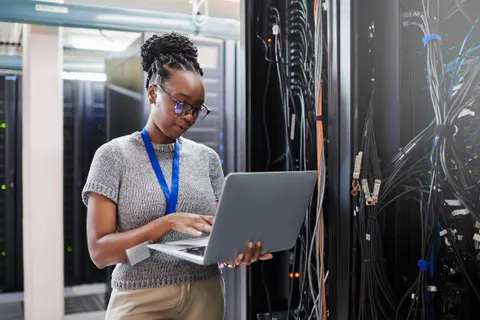
Technology companies, labor unions, and nonprofit organizations are increasingly using the day to promote initiatives supporting women in science, engineering, entrepreneurship, and leadership. These campaigns emphasize the need to close the gender gap in rapidly growing industries such as technology and artificial intelligence.
Digital campaigns, educational programs, and community events are also gaining momentum. Social media plays a major role in spreading awareness, allowing people around the world to participate in conversations about equality, inclusion, and women’s achievements.

How Countries and Communities Celebrate
International Women’s Day is celebrated differently across regions, reflecting diverse cultures and traditions. In some countries, the day is recognized with public holidays or national events honoring women’s contributions to society.
In the United States and Europe, universities, organizations, and advocacy groups often host panels, educational programs, and leadership discussions focused on women’s rights and workplace equality. Businesses also participate by highlighting female leaders, supporting mentorship programs, and promoting diversity initiatives within their companies.
Community organizations frequently use the day to spotlight grassroots efforts that empower women at the local level. These initiatives include supporting women entrepreneurs, expanding educational access for girls, and advocating for stronger policies that promote equality.
The Economic and Social Impact of Gender Equality
Experts widely agree that empowering women is not only a social priority but also an economic one. Studies from global economic institutions suggest that closing gender gaps in the workforce could significantly boost global economic growth.
When women participate fully in the labor market, economies benefit from increased productivity, innovation, and entrepreneurship. Countries that prioritize gender equality often experience higher levels of economic resilience and stronger social development.
Education also plays a critical role. When girls have equal access to education and career opportunities, communities see long-term improvements in health outcomes, economic stability, and overall quality of life. This is why many organizations use International Women’s Day as a platform to advocate for policies that invest in education and workforce participation for women.
What the Future of International Women’s Day Looks Like
Looking ahead, many experts believe International Women’s Day will continue evolving as a global platform for collaboration and action. Governments, businesses, and civil society groups are increasingly recognizing that gender equality is essential for sustainable economic development and social progress.
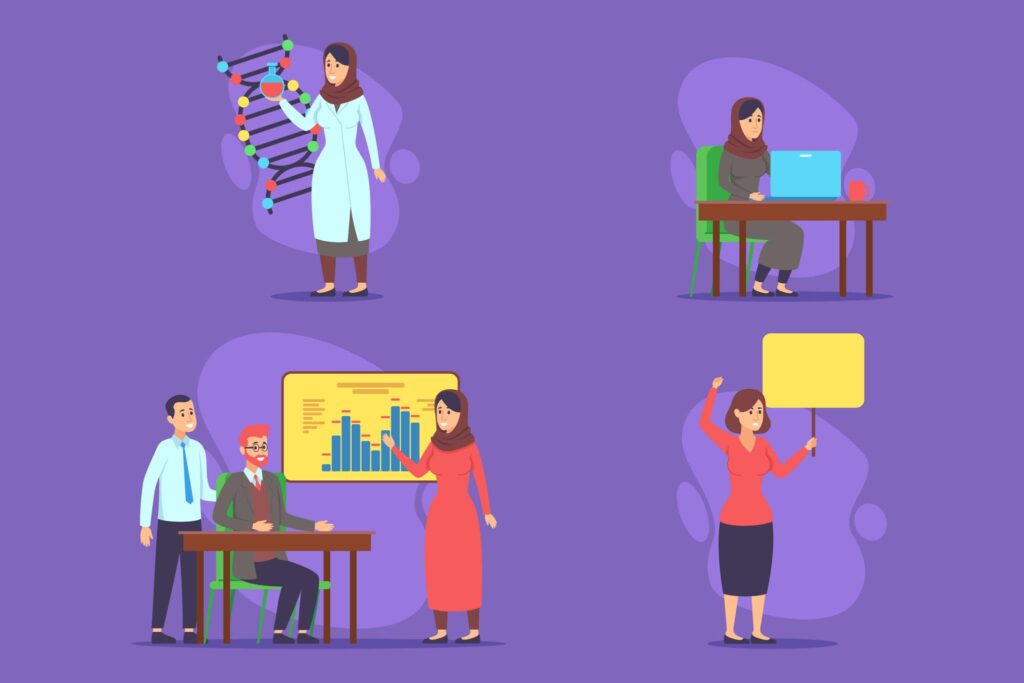
Future initiatives are likely to focus heavily on digital inclusion, leadership representation, and workplace equity. As technology reshapes global industries, ensuring women have equal access to new opportunities will be a key part of closing existing gaps.
For millions of people around the world, International Women’s Day is more than a symbolic celebration. It is a reminder that progress requires ongoing effort, cooperation, and commitment from individuals, organizations, and governments alike.
Subscribe to trusted news sites like USnewsSphere.com for continuous updates.