In a dramatic escalation ahead of the 2026 midterm elections, the FBI executed a sweeping search and seizure operation at the Fulton County Elections Hub in Georgia — removing ballots, voter rolls, and election records tied to the 2020 presidential election — intensifying fears of political interference and deepening America’s polarized debate over voting rights and federal power. This action, connected directly to former President Donald Trump’s repeated assertions of election fraud in 2020, has prompted widespread concern from election officials, civil liberties advocates, and political leaders who warn it could undermine confidence in U.S. democratic processes.
Why this matters now: With national attention focused on integrity and fairness in elections, the Fulton County FBI action highlights fierce disputes over how elections are run, who controls sensitive voting data, and whether federal authorities are being used for political ends — making election legitimacy a defining issue for voters this year.
Federal Raid on Georgia Election Office: What Happened and Why
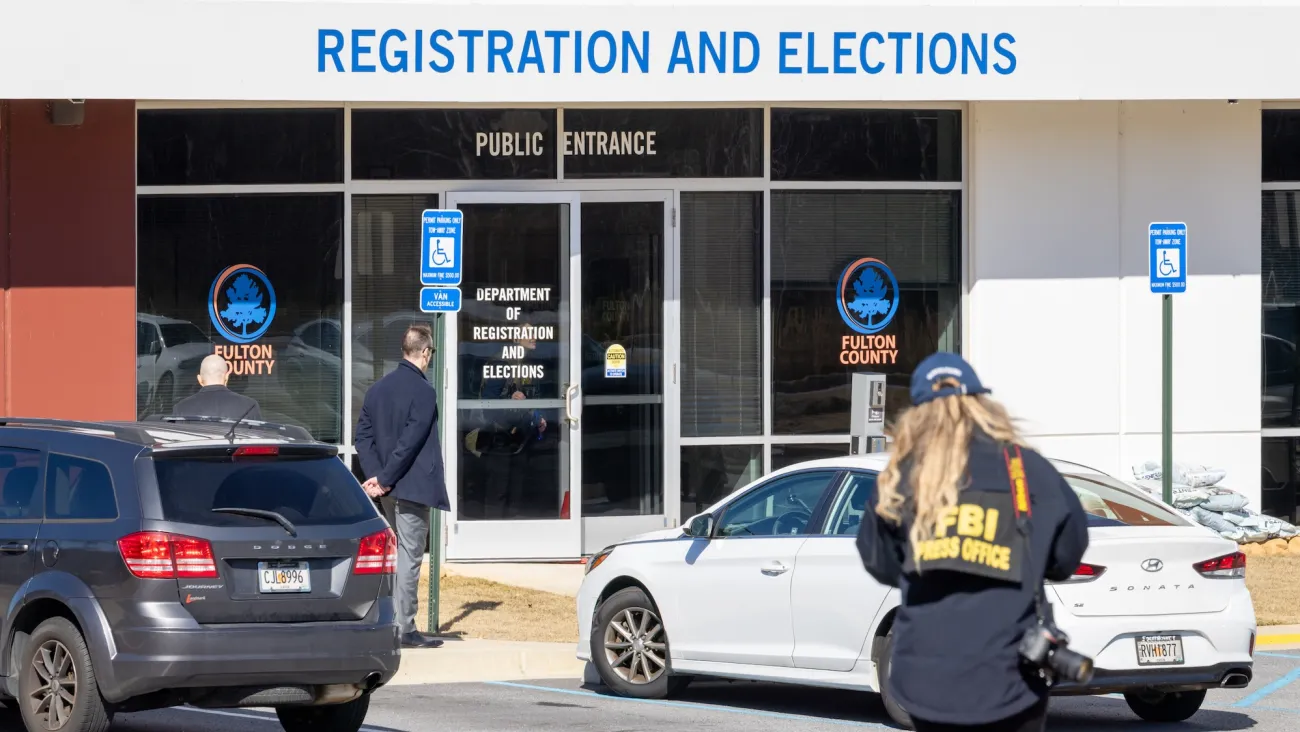
On January 28, 2026, FBI agents, backed by a court-authorized warrant, carried out a search at the Fulton County Election Hub and Operation Center near Atlanta, Georgia. The warrant authorized the FBI to seize physical ballots from the 2020 election, voter rolls, ballot images, and tabulator tapes from voting machines — materials that have been at the center of false fraud claims for years.

Officials from Fulton County confirmed the operation but have expressed confusion and alarm, especially since many of those records were already maintained securely by local election authorities. County leaders say they were largely kept out of the proceedings and remain unsure where the seized materials now reside.
The raid occurred amid lingering national tensions over election legitimacy, with Trump repeating debunked allegations that the 2020 electoral outcome was fraudulent — despite multiple audits and recounts confirming Joe Biden’s victory in Georgia.
Local officials, including Fulton County Commission Chair Rob Pitts, called the operation chaotic and politically charged, saying it threatens public confidence in election security and transparency.
Reactions from Across the Political Spectrum
Republican supporters of the FBI action argue the seizure was lawful and necessary to enforce election laws and investigate potential crimes. However, many Democrats and voting-rights advocates vehemently disagree. Georgia’s Democratic senators condemned the FBI’s actions as an abuse of federal power and accused the Trump administration of using law enforcement to intimidate voters and interfere in upcoming elections.

Critics also express concern that such high-profile federal involvement could dampen voter turnout in November by fostering distrust among voters who already feel besieged by political conflict over elections.
Experts and civil liberties groups have sounded the alarm, warning that involving federal agencies in disputes over state election data sets a dangerous precedent that could be exploited to influence electoral outcomes.
Connection to Broader Election Integrity and Interference Fears
The FBI’s Fulton County action did not happen in isolation. Across the United States, state and federal disputes over voter data collection, election administration, and legal authority to intervene in local election systems have intensified. In Minnesota, for example, election officials and Democratic leaders publicly discussed strategies to prepare for potential federal interference in future elections, reflecting rising anxiety among states about preserving election autonomy.
Separately, federal lawsuits seeking to compel states to turn over detailed voter data have faced judicial pushback, including recent rulings that dismissed complaints for improper filing locations or lack of legal basis.
The backdrop of this controversy includes broader efforts by GOP officials since 2024 to challenge election rules, purge voter rolls, and revise administrative election oversight in several states, particularly Georgia.
Why This Matters: Democracy, Trust, and 2026 Elections
The timing of the Fulton County FBI search — just months before the 2026 midterm elections — has made it a flashpoint in America’s ongoing battle over democratic trust. While federal authorities defend their actions as rooted in legal authority and the enforcement of election law, critics argue it risks politicizing law enforcement and undermining confidence in the democratic process.
Voters from both parties are watching closely, with many concerned that federal involvement in local election administration could escalate polarization and erode public faith in the integrity of results — a concern that strikingly echoes unresolved tensions from previous election cycles.
Whether this episode leads to meaningful reforms or further legal battles, the broader debate over election interference, voting access, and federal versus state authority is certain to be one of the defining political stories of 2026.
Looking Ahead: Legal Challenges and Election Security
Legal analysts predict court challenges to the Fulton County operation as local officials and civil rights groups weigh options to push back against federal seizure of election records. Some argue that the FBI’s reliance on a sealed warrant and broad authority to collect sensitive voting data will be central points of contention in future litigation.
Meanwhile, election officials across the country are beefing up contingency plans, emphasizing voter outreach, and preparing for potential disruptions or intimidation campaigns as the midterms approach.
The national conversation around election integrity, transparency, and trust has never been more intense — and the fallout from the Fulton County search will likely shape policy debates and campaigns for months to come.
Subscribe to trusted news sites like USnewsSphere.com for continuous updates.