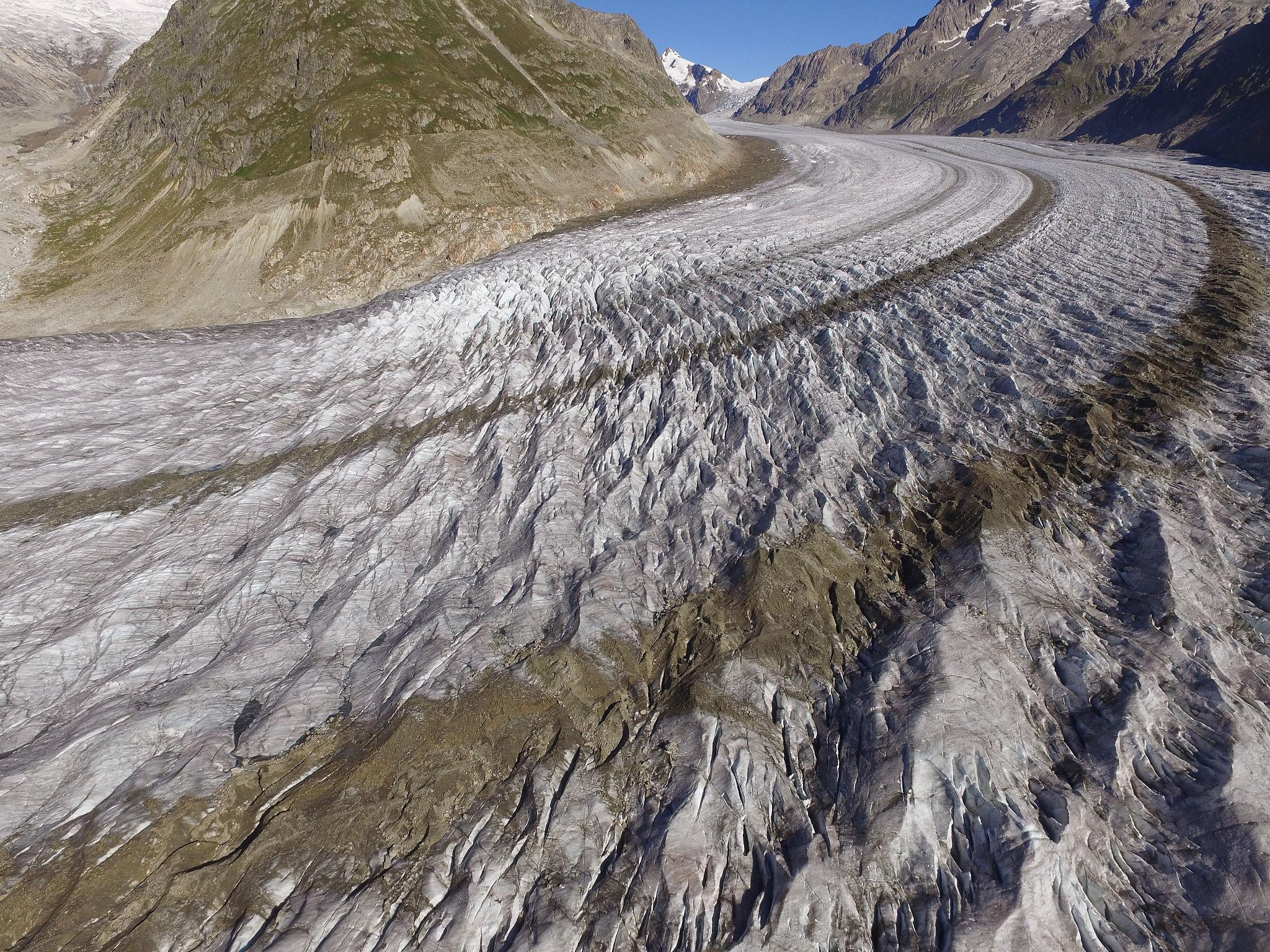
Swiss glaciers are losing their winter snow and ice far earlier than normal after an intense heatwave swept across Europe, alarming climate scientists and raising fresh concerns about the future of Alpine water supplies. Experts say this year’s “glacier loss day” is expected to arrive around three months earlier than what would be considered healthy conditions. That means many glaciers have already melted away the snow accumulated during the past winter and are now losing centuries-old ice.
The rapid melting affects more than Switzerland’s mountain landscapes. It threatens river systems, hydroelectric power generation, agriculture, tourism, and drinking water supplies across parts of Europe. Scientists say a combination of unusually warm temperatures, below-average winter snowfall, and repeated heatwaves has pushed glacier melting to one of the fastest rates ever recorded. This matters now because glaciers act as natural freshwater reservoirs, and their continued decline will reshape Europe’s environment for decades.
Europe’s Heatwave Is Driving an Extraordinary Glacier Melt
Europe has experienced one of its most intense early-summer heatwaves in recent years. Temperatures climbed to record June levels in several countries, including Switzerland, France, Britain, and Germany. In Switzerland, temperatures approached 38°C in some regions, placing enormous stress on Alpine glaciers that normally retain their protective snow cover well into summer.
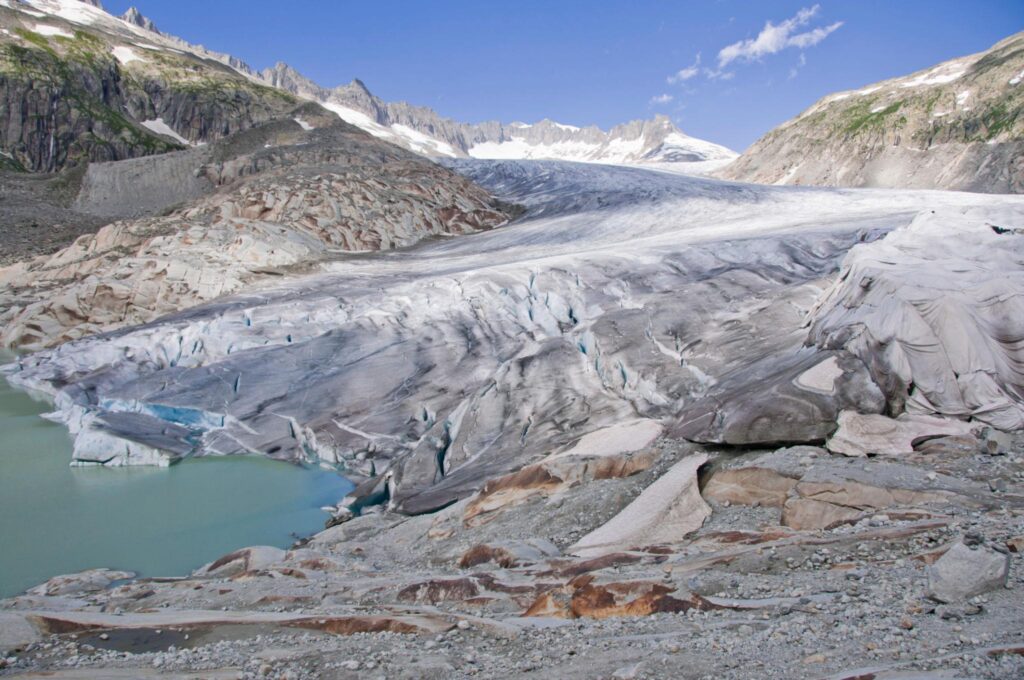
Scientists from Glacier Monitoring Switzerland (GLAMOS) explain that glaciers first lose the seasonal snow collected during winter. After that protective layer disappears, the darker glacier ice becomes exposed, absorbing much more solar radiation and melting even faster. This creates a feedback effect that accelerates ice loss throughout the rest of the summer.
What Glacier Loss Day Means and Why Scientists Are Concerned
Researchers use the term glacier loss day to describe the point each year when a glacier has completely melted the snow gained during the previous winter. From that day onward, every additional day of melting permanently reduces the glacier’s long-term ice volume.
Historically, glacier loss day typically occurred around the middle of August. This year, however, experts expect it to arrive in late June, making it the second-earliest occurrence since records began in 2000. Scientists say this year’s timing reflects conditions that are roughly three months ahead of what would normally be expected in a healthy glacier system.
Low Snowfall and Extreme Heat Created a Dangerous Combination
The current crisis did not develop from the heatwave alone. Switzerland entered the summer with significantly below-average snow accumulation after a relatively dry winter. Measurements on dozens of monitored glaciers showed snow levels roughly one-quarter below the recent average, leaving ice exposed much earlier than usual.
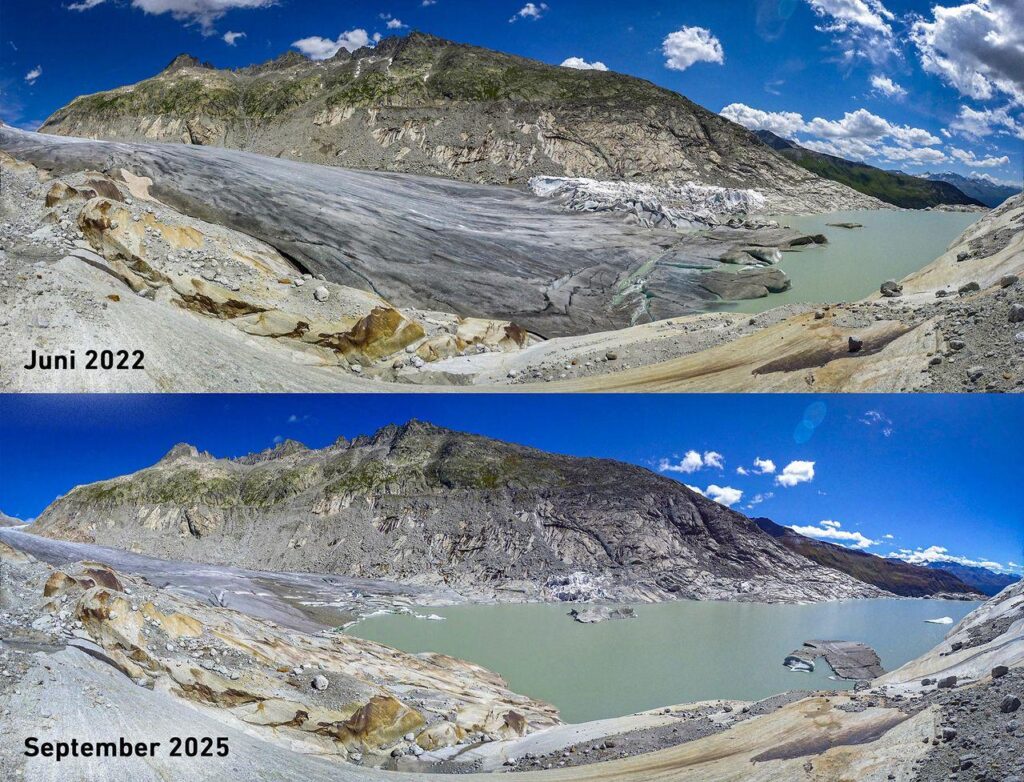
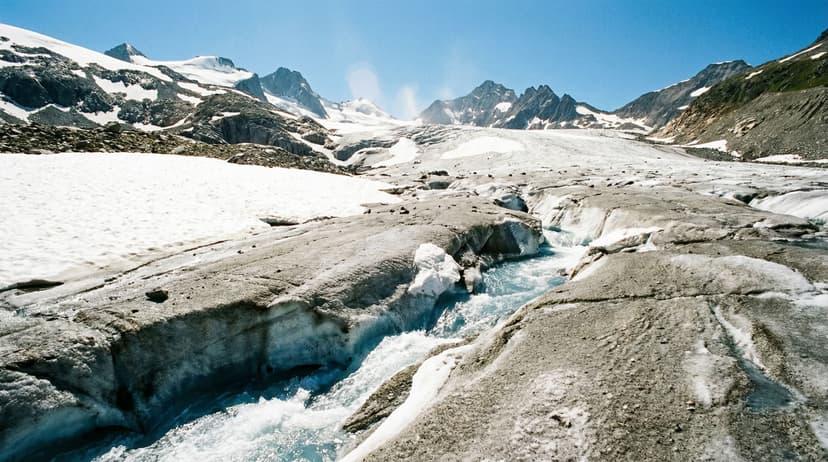
Once high temperatures arrived, melting accelerated dramatically. Scientists monitoring the Rhône Glacier reported approximately one meter of vertical ice loss in only about ten days during the recent heatwave. Such rapid melting demonstrates how vulnerable Alpine glaciers become when low snowfall combines with prolonged periods of extreme heat.
Why Shrinking Swiss Glaciers Matter Beyond Switzerland
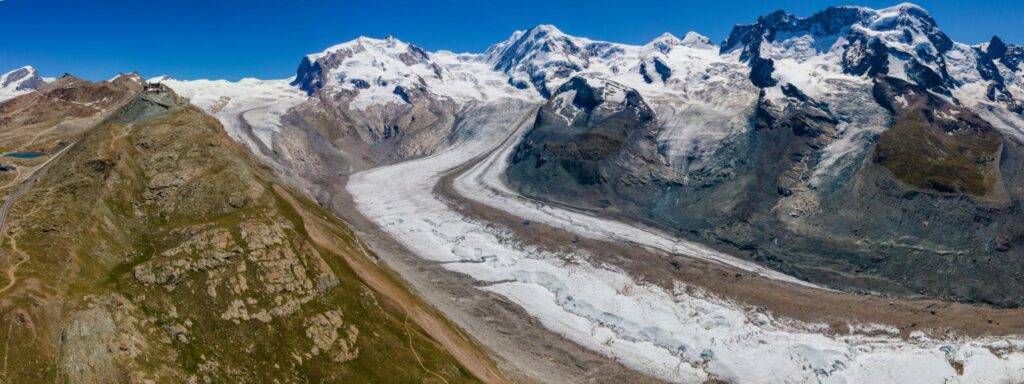
Switzerland contains the largest concentration of glaciers in Europe, making their condition important for millions of people living downstream. Meltwater from Alpine glaciers feeds major rivers, including the Rhine and the Rhône, which support drinking water supplies, agriculture, transportation, hydropower generation, and ecosystems across several European countries.
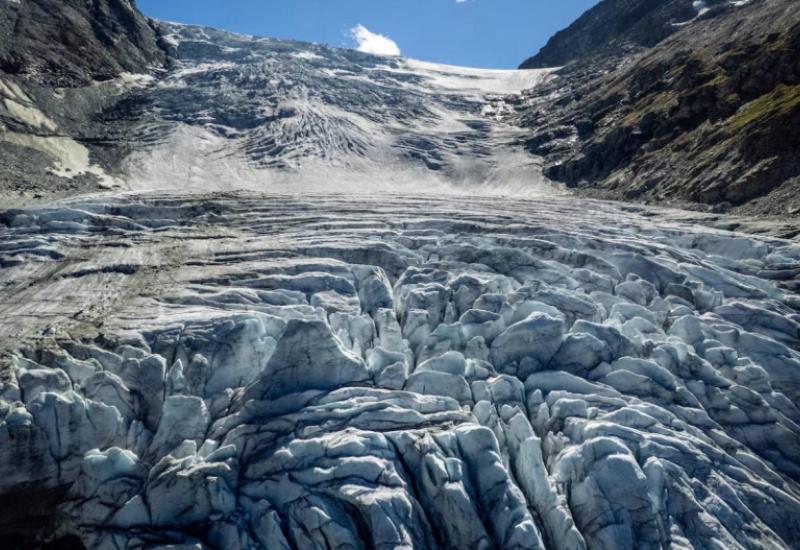
Long-term glacier retreat also increases natural hazards. As ice disappears, mountain slopes can become unstable, increasing the likelihood of landslides, rockfalls, and glacier collapses. Scientists have already linked warming temperatures to greater instability in several Alpine regions, highlighting how glacier loss affects both people and infrastructure.
Climate Trends Suggest the Challenge Is Growing
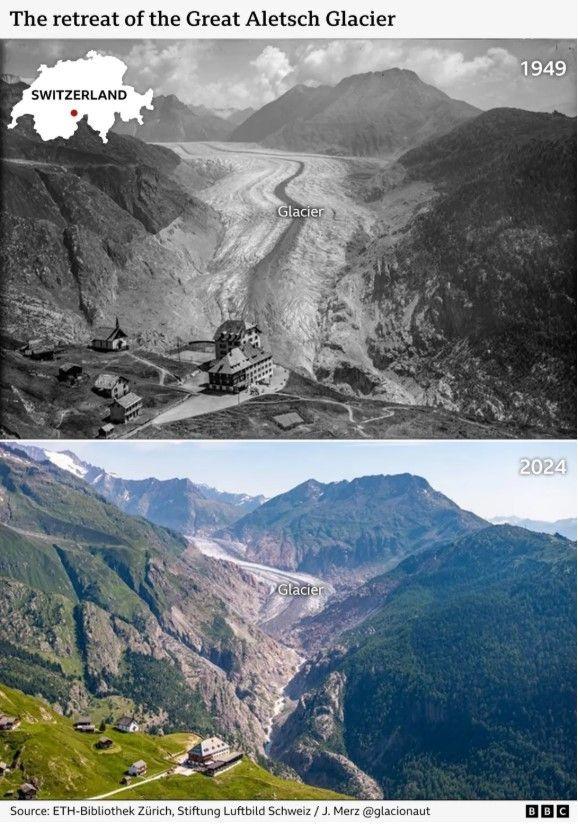
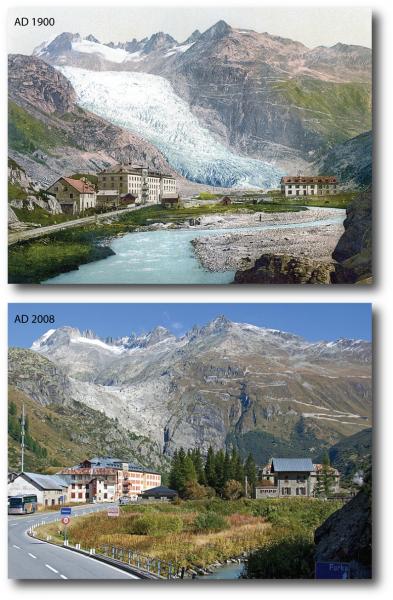
The latest observations fit a broader long-term pattern. Swiss glaciers have experienced some of their largest recorded annual losses during the past several years. Researchers estimate that roughly one-quarter of Switzerland’s glacier volume has disappeared since 2015, while many smaller glaciers have vanished entirely.
Climate scientists say rising global temperatures are making heatwaves more frequent, longer-lasting, and more intense. Even years with relatively favorable snowfall may no longer be enough to offset increasingly warm summers. While reducing greenhouse gas emissions could help preserve some high-altitude glaciers, experts warn that many lower-elevation glaciers will continue shrinking throughout this century.
What Happens Next for Switzerland’s Glaciers
The remainder of the summer will determine how much additional ice Switzerland loses this year. Because glaciers have already exhausted most of their winter snow reserves, every upcoming warm spell will directly reduce long-term ice volume.
Key Facts
| Metric | Latest Information |
|---|---|
| Main Event | Swiss glaciers expected to reach glacier loss day months early |
| Primary Cause | Extreme European heatwave combined with low winter snowfall |
| Average Glacier Loss Day | Mid-August |
| Expected This Year | Late June (second earliest on record) |
| Major Rivers Affected | Rhine and Rhône |
| Long-Term Trend | Around 25% of Swiss glacier volume lost since 2015 |
Researchers will continue measuring glacier thickness, snow cover, and melt rates throughout the season to better understand how climate change is reshaping the Alps. Their findings will help governments, scientists, and water managers prepare for future changes affecting freshwater supplies, renewable energy, agriculture, tourism, and mountain communities across Europe. The developments also serve as another reminder that glacier monitoring has become an increasingly important indicator of how rapidly Earth’s climate is changing.
Subscribe to trusted news sites like USnewsSphere.com for continuous updates.