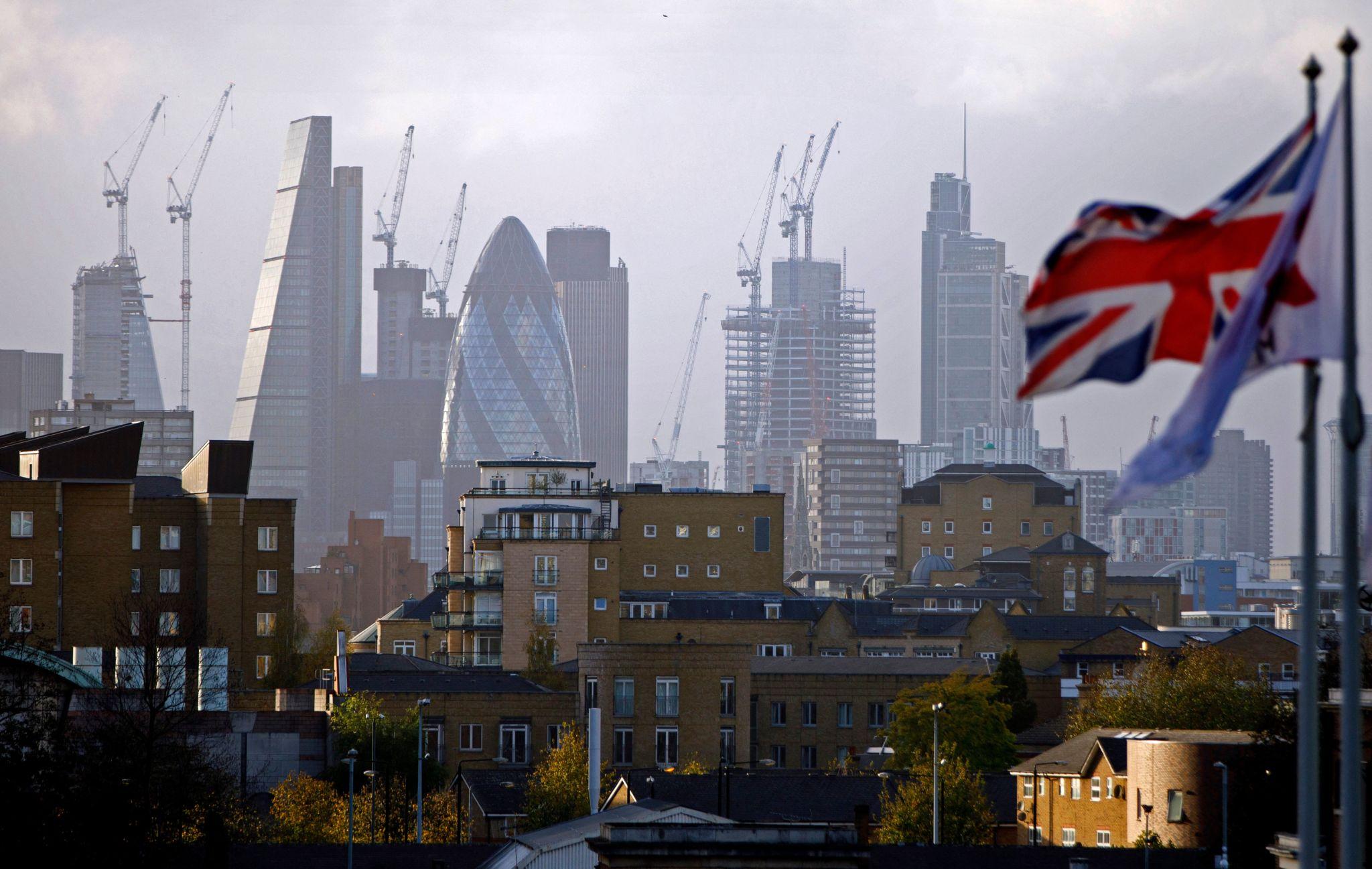
Brexit cost the UK economy 6%, according to new research and company-level evidence linked to Bank of England surveys, adding fresh momentum to the debate over the long-term economic impact of Britain’s departure from the European Union. The findings suggest that weaker investment, slower productivity growth, and reduced trade activity have collectively weighed on economic performance since the 2016 referendum. The issue matters now because the UK is approaching a decade since the Brexit vote, while policymakers, businesses, and investors continue to evaluate the country’s long-term growth prospects.
The latest estimates indicate that Britain’s economy may be significantly smaller than it would have been had the country remained inside the European Union. Economists continue to debate the exact figure, but multiple studies point toward a measurable reduction in economic output, business investment, and productivity growth over recent years.
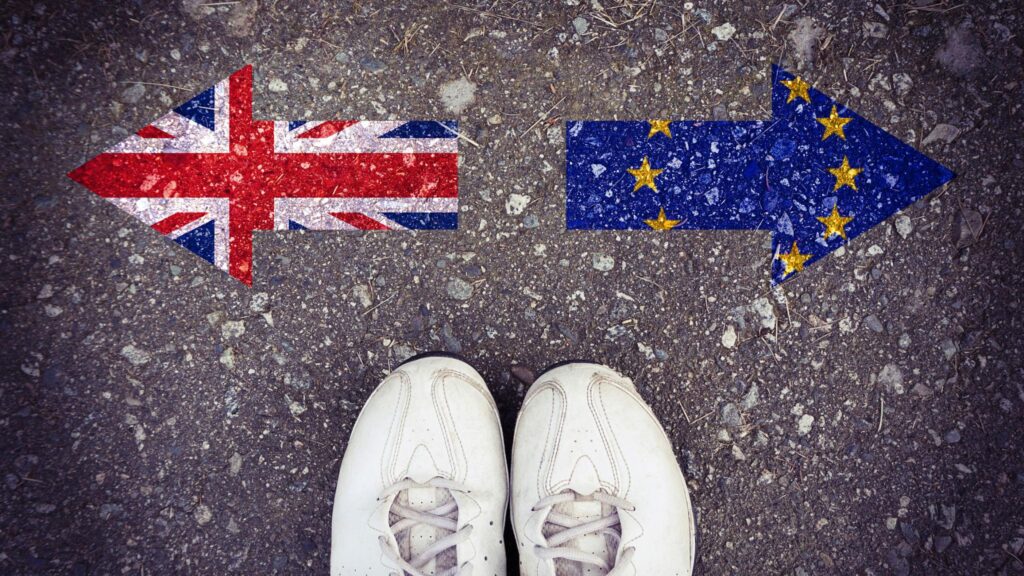
New Research Points to a Significant Economic Cost
Recent economic analysis based on company data and broader economic indicators suggests Brexit has reduced the size of the UK economy by roughly 6% compared with a scenario in which Britain had remained a member of the European Union. Several independent research institutions have reached similar conclusions, strengthening the argument that Brexit has created a lasting economic drag.
Researchers note that the effects have accumulated gradually rather than appearing immediately after the referendum. Businesses initially adapted to uncertainty, but over time new trade barriers, regulatory changes, and investment delays have contributed to slower economic growth. The impact is now becoming clearer as economists have nearly a decade of data to analyze.

Investment Weakness Remains a Major Concern
One of the most significant findings across multiple studies is the decline in business investment. Investment is widely considered a critical driver of future productivity, innovation, and wage growth. Analysts estimate that UK investment levels are substantially lower than they would have been without Brexit.
Many companies delayed expansion plans during years of political uncertainty surrounding trade negotiations and future regulations. Some international firms redirected investments toward EU member states to maintain easier access to the European single market. The cumulative effect has been slower capital spending and reduced economic dynamism across several sectors.
Lower investment can have long-lasting consequences because it affects productivity improvements, technological adoption, and future competitiveness. Economists warn that these effects often take years to fully appear in economic statistics.
Trade Barriers Continue to Affect Businesses
Trade remains one of the most frequently cited areas impacted by Brexit. Although a trade agreement between the UK and the European Union prevents many tariffs, businesses continue to face additional paperwork, customs procedures, regulatory checks, and compliance requirements.
For many small and medium-sized enterprises, these administrative burdens have increased costs and reduced profitability. Exporters have had to adapt supply chains, hire compliance specialists, and navigate new border procedures.
Research examining international trade patterns shows that some European trade relationships have weakened since Brexit. Businesses that once benefited from frictionless trade across Europe now face additional costs that can make British products less competitive in certain markets.
Many exporters have adjusted successfully, but economists argue that overall trade activity remains lower than it otherwise would have been under previous arrangements.
Productivity Growth Has Slowed Since Brexit
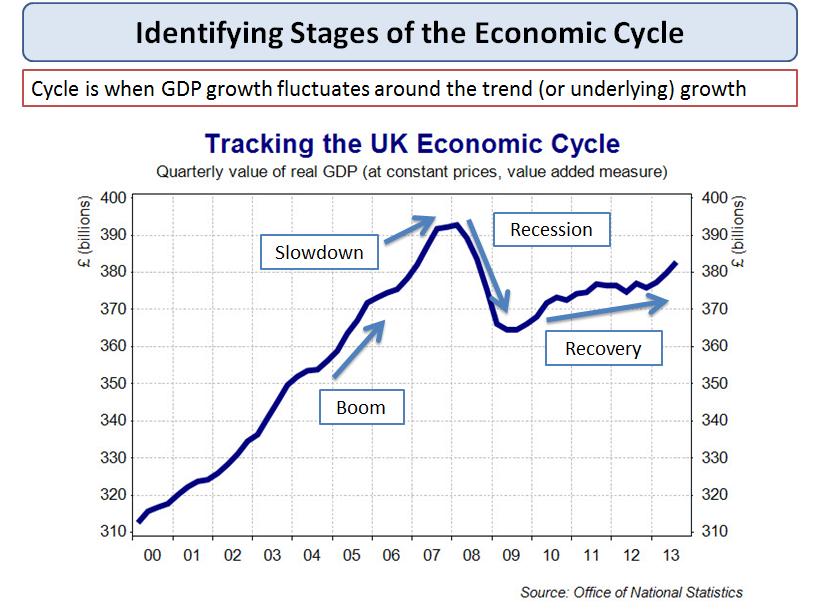
Productivity is often described as the most important factor determining long-term living standards. When workers and businesses become more productive, economies typically generate higher wages and stronger growth.
Several studies suggest that Brexit has contributed to weaker productivity growth by reducing investment, limiting labor mobility, and increasing operational costs for businesses. Companies spending more time on customs administration and regulatory compliance may have fewer resources available for innovation and expansion.
A slower pace of productivity growth can affect household incomes over time. Economists estimate that reduced productivity has become one of the key channels through which Brexit influences economic performance.
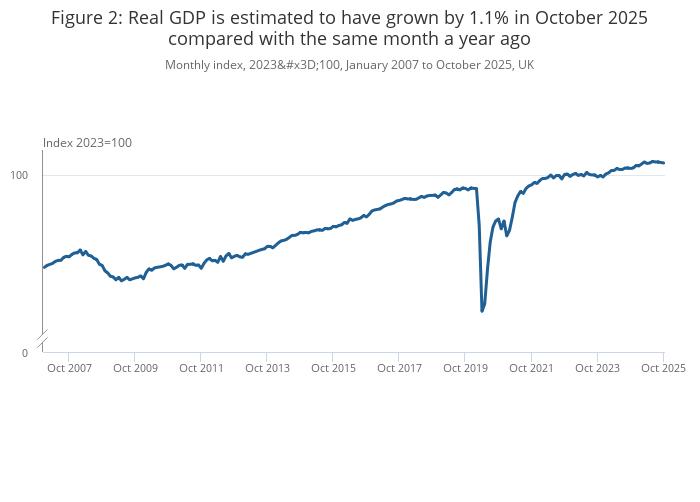
While other factors such as the COVID-19 pandemic, global inflation, and geopolitical tensions have also affected growth, researchers continue to find evidence that Brexit itself has played a meaningful role.
What Supporters and Critics Say About the Findings
Supporters of Brexit argue that economic studies often underestimate the benefits of greater political and regulatory independence. They contend that Britain now has more flexibility to negotiate trade agreements, design domestic regulations, and pursue economic policies tailored to national priorities.
Critics, however, point to slower growth, weaker trade performance, and lower investment as evidence that the economic costs have outweighed potential benefits. They argue that reduced access to the European single market has created barriers that continue to affect businesses across multiple industries.
The debate remains highly political, but an increasing number of economists agree that Brexit has imposed measurable economic costs even if estimates differ regarding the exact size of the impact.
Why This Matters for the UK’s Future
As Britain approaches ten years since the historic referendum, the economic legacy of Brexit is becoming a central topic for policymakers, investors, and voters. Future growth strategies will likely focus on improving productivity, attracting investment, strengthening international trade relationships, and addressing structural challenges within the economy.
The latest evidence suggests that reversing the effects of weaker investment and slower productivity growth may take years. Businesses continue adapting to the post-Brexit environment, while governments seek ways to improve competitiveness and boost economic performance.
Whether future policy reforms can offset the estimated economic losses remains one of the most important questions facing the UK economy. What is increasingly clear, however, is that Brexit’s economic consequences continue to shape Britain’s financial outlook, trade relationships, and growth potential long after the formal departure from the European Union.
Key Takeaways
- New research suggests Brexit reduced UK GDP by around 6%.
- Investment levels remain below pre-Brexit expectations.
- Trade barriers continue to increase costs for many businesses.
- Productivity growth has slowed in recent years.
- Economists remain divided on exact estimates but generally agree there has been a measurable economic impact.
- The debate over Brexit’s long-term economic legacy is likely to continue for years.
Subscribe to trusted news sites like USnewsSphere.com for continuous updates.