
Europe Heatwave Power Outages Hit France as Record Temperatures Sweep the Continent
Europe’s heatwave power outages in France are creating major challenges across the continent as record-breaking temperatures strain electricity networks, disrupt transportation, and force governments to activate emergency measures. France, Spain, Italy, Germany, and the United Kingdom are all experiencing unusually intense heat, with some locations recording temperatures well above seasonal averages. The crisis is being driven by a powerful heat dome that has trapped hot air across Western Europe.
The heatwave has already caused widespread disruptions, including electricity failures, school closures, reduced nuclear power output, and public health emergencies. Authorities are urging residents to stay hydrated, avoid outdoor activities during peak afternoon hours, and closely follow local weather advisories. The situation highlights growing concerns about Europe’s ability to adapt to increasingly extreme weather events.
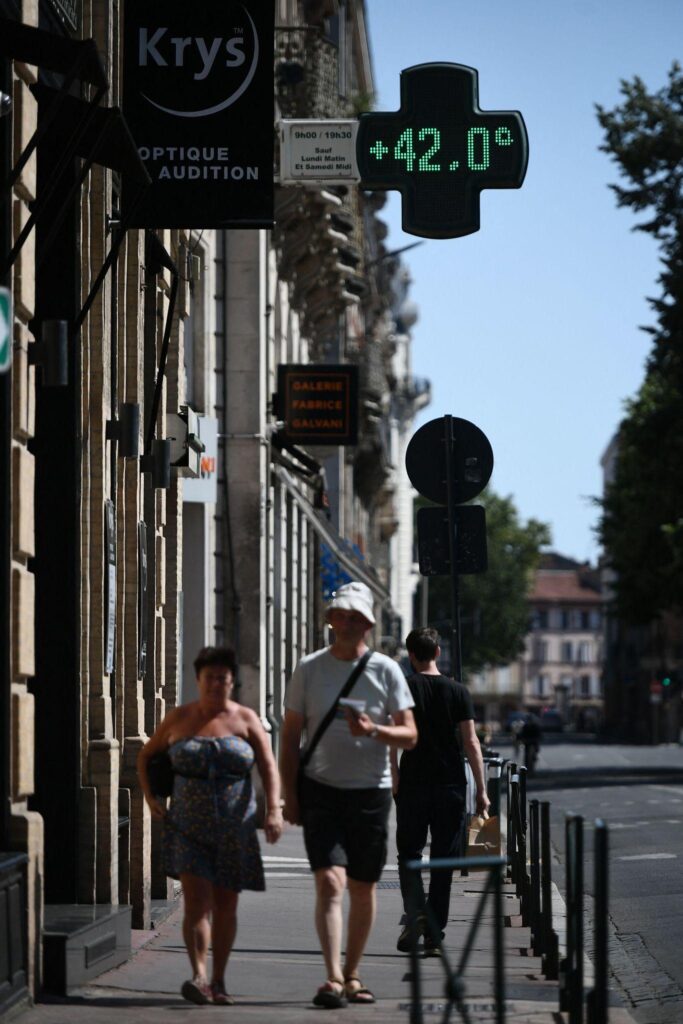
France Faces Major Power Outages During Record Heat
France has emerged as one of the hardest-hit countries during the current heatwave. Parts of the country experienced their hottest temperatures ever recorded, with some areas exceeding 44°C (111°F). The extreme heat placed significant pressure on the electrical infrastructure, resulting in widespread outages that left tens of thousands of homes without power.
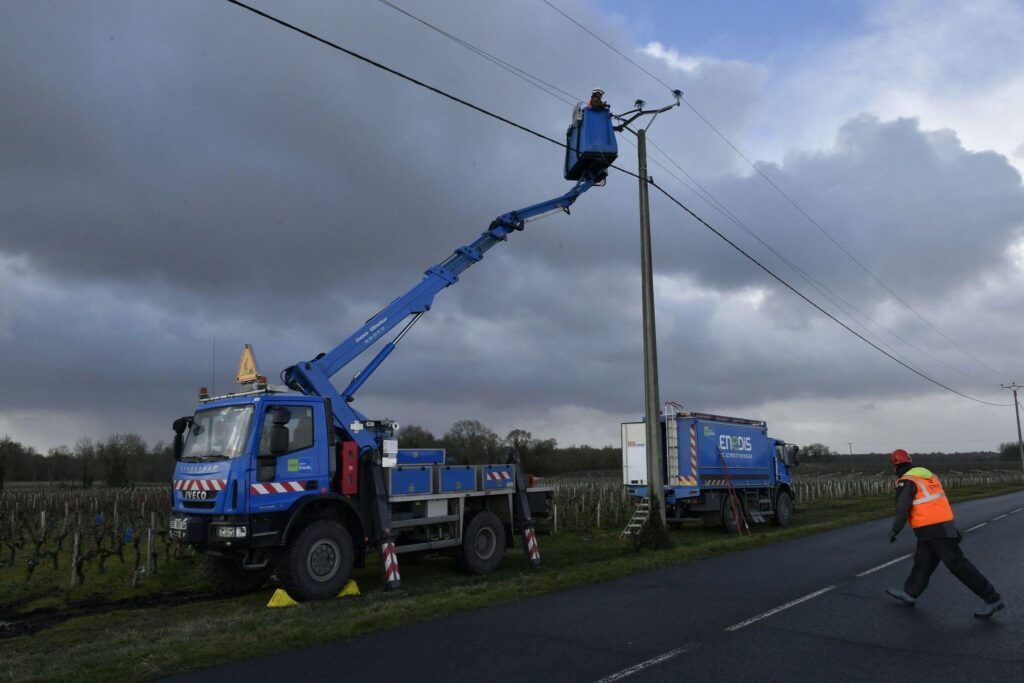
Reports indicate that as many as 106,000 customers were affected by power interruptions as transformers and other grid components struggled under unusually high demand. Air conditioning use surged as residents attempted to stay cool, creating additional stress on the power network. Energy operators worked through the night to restore service and prevent larger-scale disruptions.
Why the European Heat Dome Matters Now
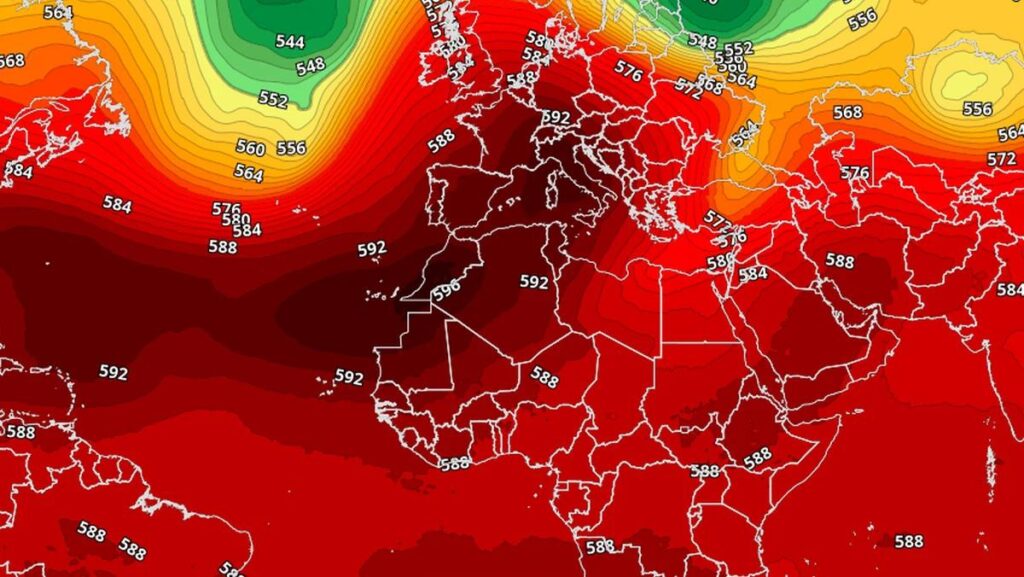
Meteorologists say the current crisis is being driven by an atmospheric phenomenon known as a heat dome. This occurs when a strong high-pressure system becomes trapped over a region, preventing cooler air from entering and allowing temperatures to rise continuously for days.
The current heat dome has expanded across much of Western Europe, creating conditions rarely seen in recent decades. Scientists note that climate change is increasing the likelihood of these prolonged heat events by raising average temperatures and making extreme weather more frequent. As a result, heatwaves that once occurred occasionally are becoming more intense and longer-lasting.
Energy Systems Under Growing Pressure
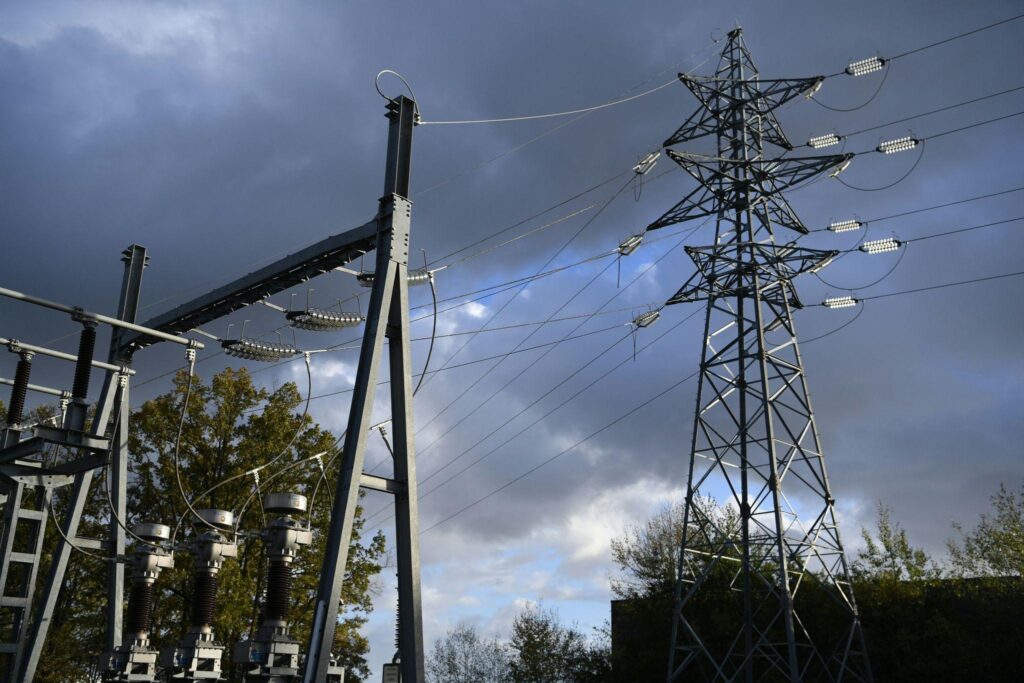
The heatwave is affecting more than household electricity consumption. France’s nuclear energy sector, which provides a large share of the nation’s electricity, has also been impacted. Several reactors have reduced output because the river water used for cooling has become too warm.
Lower nuclear production comes at a time when electricity demand is increasing sharply due to cooling needs. This combination has pushed electricity prices higher across parts of Europe and raised concerns about energy security during future heatwaves. Analysts warn that power systems originally designed for milder climates may require significant upgrades as extreme temperatures become more common.

Public Safety Concerns Continue to Rise
Beyond infrastructure problems, the heatwave has become a serious public health challenge. Governments across Europe have issued heat alerts and opened cooling centers for vulnerable populations, including elderly residents and people with medical conditions.
Authorities have reported multiple heat-related deaths and numerous accidents linked to people seeking relief in rivers, lakes, and coastal waters. Emergency services have experienced increased demand as hospitals and healthcare systems respond to dehydration, heat exhaustion, and other heat-related illnesses. Several schools have closed or adjusted schedules to protect students from dangerous temperatures.
Economic and Travel Disruptions Spread Across Europe
The impact of the heatwave extends well beyond public health and energy systems. Transportation networks in several countries have been disrupted as rail operators reduce speeds to protect tracks from heat damage. Popular tourist attractions have modified schedules, while outdoor events have been canceled or postponed.
Businesses are also feeling the effects. Construction projects, agricultural operations, and manufacturing activities have slowed in some regions due to safety concerns. Economic experts warn that repeated extreme heat events could reduce productivity and increase costs for governments, businesses, and consumers throughout Europe.
What Happens Next?
Weather agencies expect parts of Europe to remain under extreme heat conditions in the coming days. While some regions may experience temporary cooling, forecasts suggest that elevated temperatures could continue across large sections of the continent.
Climate researchers say the current heatwave serves as another warning about the increasing risks associated with global warming. Governments are likely to face growing pressure to strengthen energy infrastructure, improve emergency response systems, and develop long-term adaptation strategies. The lessons learned from this heatwave may shape future policies aimed at protecting communities from increasingly severe weather events.
As Europe continues to battle record temperatures, the coming weeks will test the resilience of power networks, transportation systems, healthcare services, and local governments across the region.
Subscribe to trusted news sites like USnewsSphere.com for continuous updates.