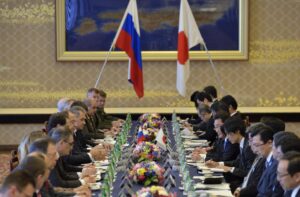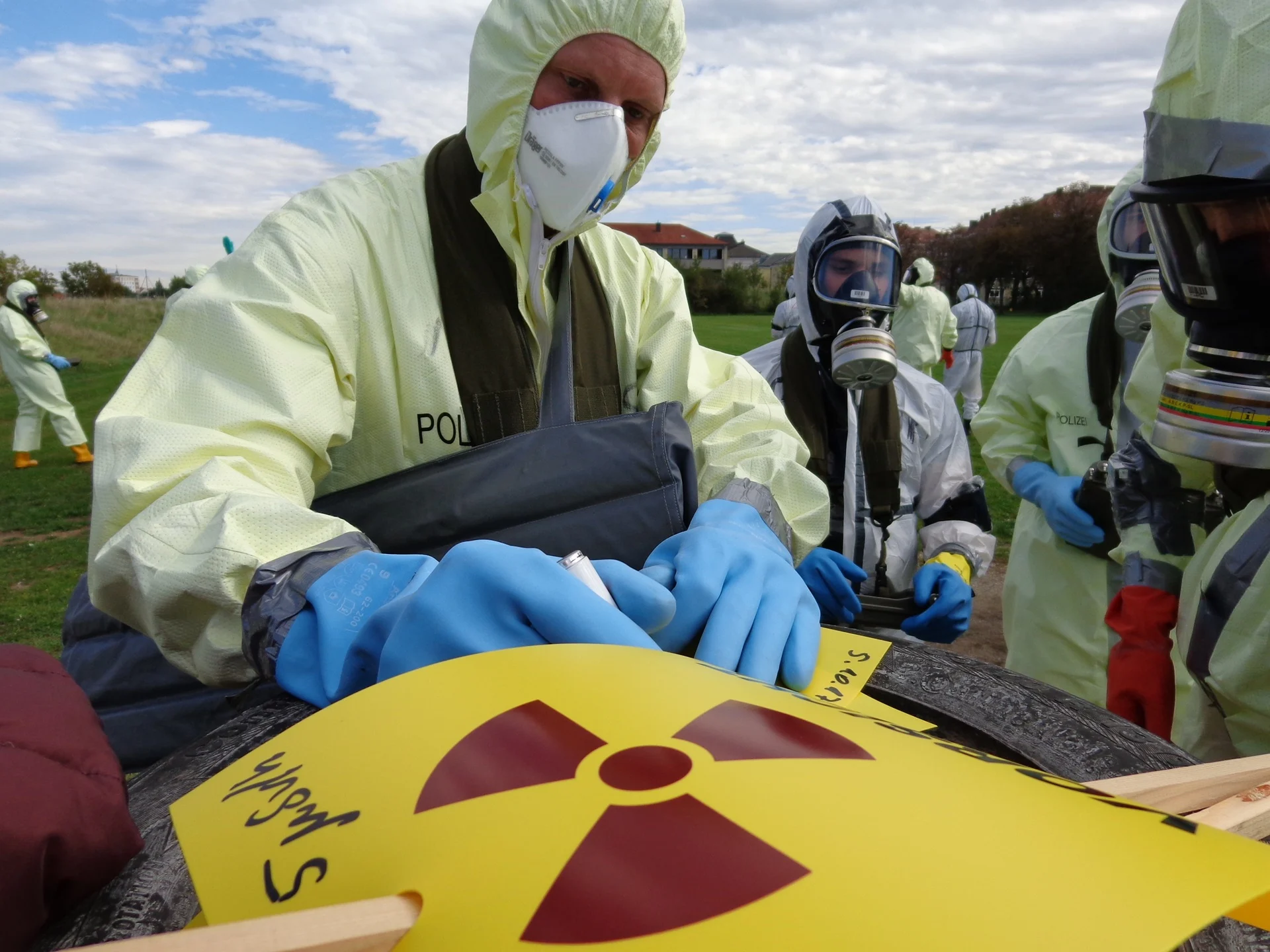
WHO nuclear scenario Iran is now at the center of global concern as the World Health Organization begins preparing for potential nuclear-related emergencies linked to rising tensions in Iran. The move signals growing fears among international health authorities about the possibility of escalation involving nuclear threats, regional conflict, and humanitarian disasters. The WHO is reportedly coordinating emergency response frameworks, stockpiling medical resources, and evaluating health system readiness in case of radiation exposure or large-scale casualties. This comes amid increasing geopolitical strain in the Middle East, raising urgent questions about preparedness, global safety, and long-term consequences.
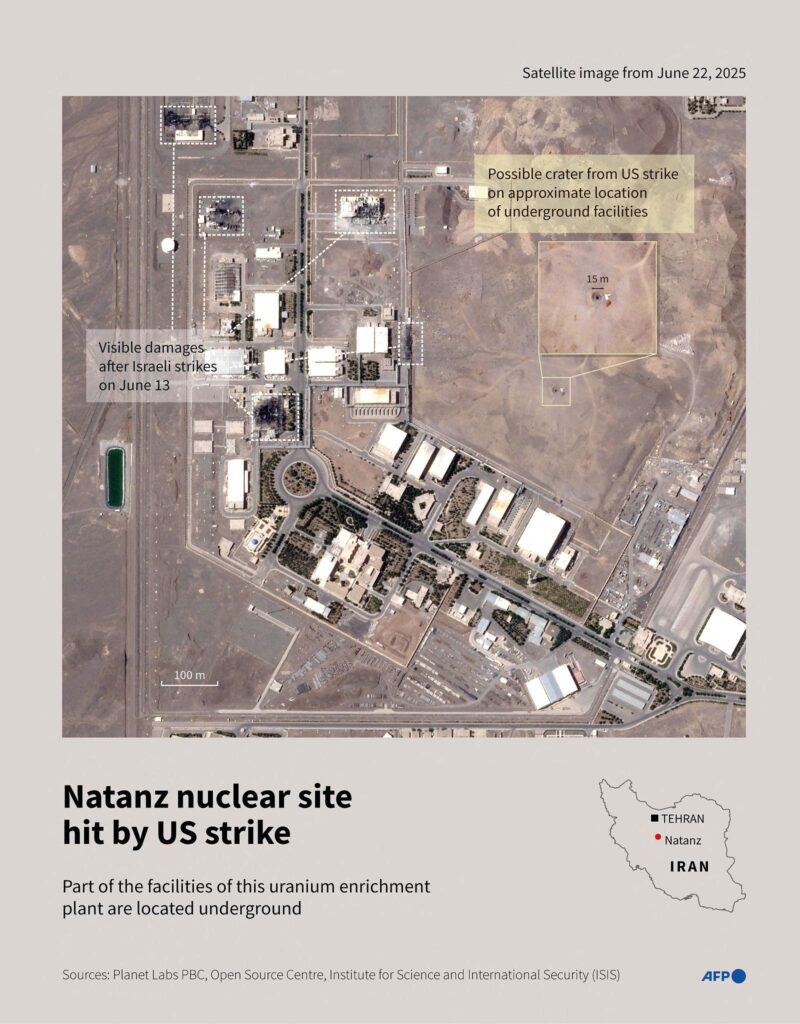
Why the WHO Is Preparing for a Nuclear Scenario in Iran
The World Health Organization does not typically prepare for nuclear scenarios unless there is a credible risk of escalation. In this case, rising tensions involving Iran, Western powers, and regional actors have triggered concern at the highest levels of global health governance.
Reports suggest that the WHO is developing contingency plans for mass casualty incidents, radiation exposure, and infrastructure collapse. This includes preparing medical protocols for treating radiation sickness, strengthening surveillance systems, and coordinating with international agencies. The focus is not just on Iran but also on neighboring regions that could be affected by fallout or displacement.
This preparation reflects a broader shift in global risk management, where health organizations are increasingly involved in geopolitical crisis response, not just disease outbreaks.
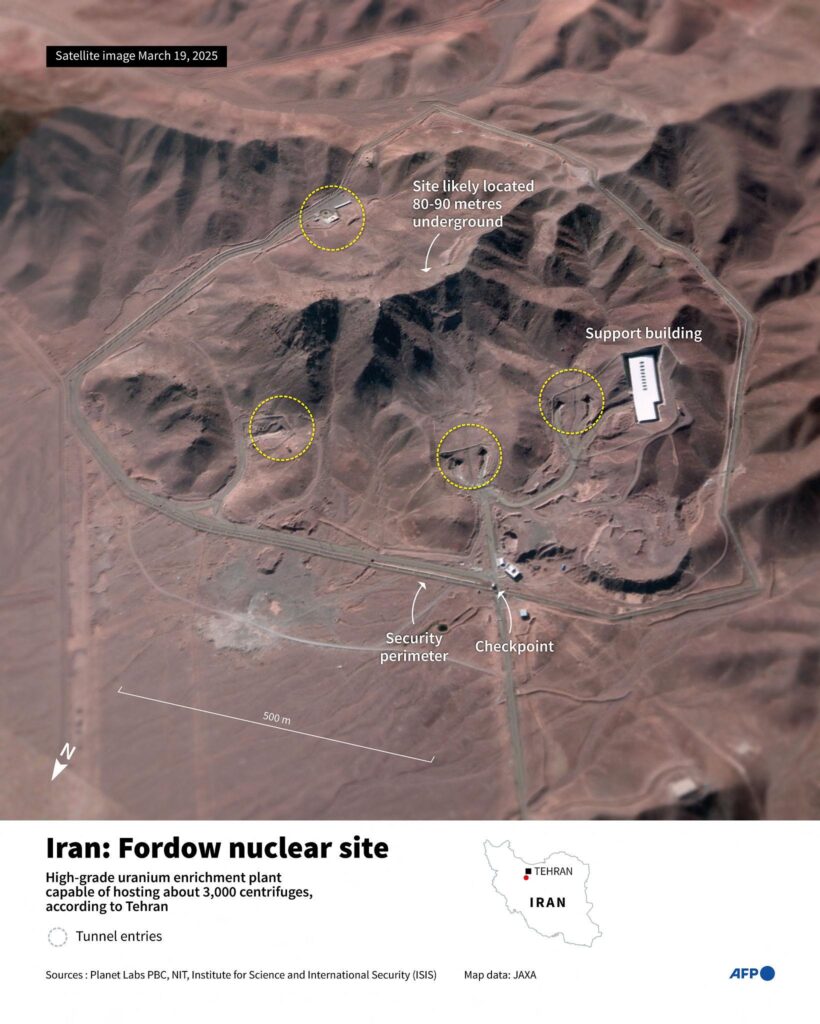
Global Tensions Driving the Risk of Nuclear Escalation
The situation surrounding Iran has intensified due to ongoing disputes over nuclear programs, military positioning, and international sanctions. While no confirmed nuclear weapon use has occurred, the possibility of escalation—either intentional or accidental—has pushed global institutions into a state of alert.
Recent developments include heightened military activity in strategic zones and diplomatic breakdowns between major powers. These tensions increase the risk of miscalculation, which could lead to catastrophic consequences.
Health experts warn that even a limited nuclear event could overwhelm healthcare systems instantly. The long-term environmental and biological effects would extend far beyond the initial blast, affecting food supply, water safety, and population health for years.
Health Risks and Human Impact of a Nuclear Event
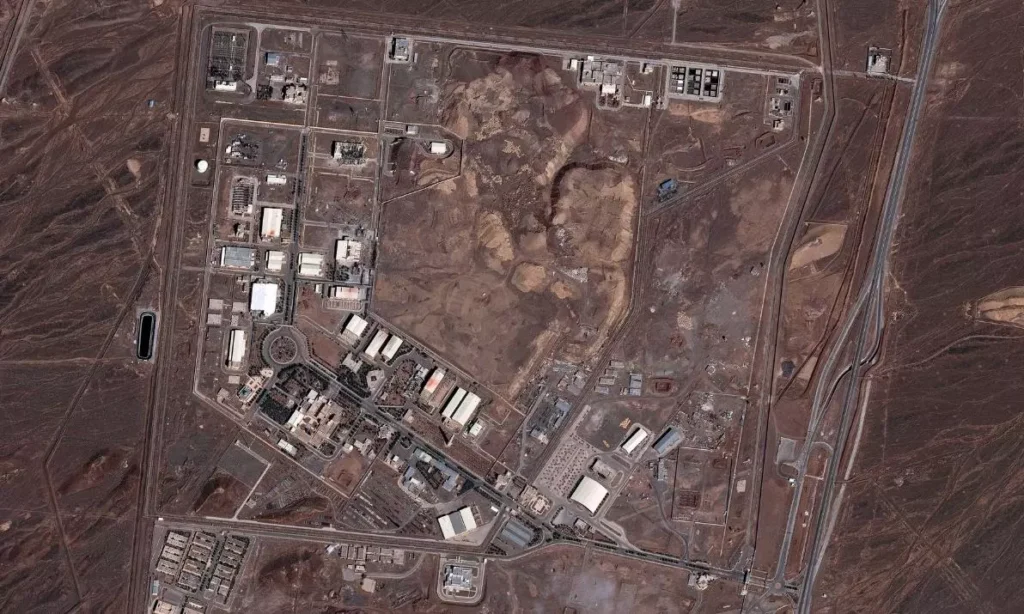
A nuclear-related incident would present one of the most severe public health crises in modern history. Immediate effects would include burns, trauma injuries, and acute radiation syndrome. However, the long-term consequences could be even more devastating.
Radiation exposure can lead to cancers, genetic mutations, and chronic illnesses that persist across generations. Additionally, psychological trauma, displacement, and infrastructure collapse would create a prolonged humanitarian crisis.
WHO’s planning includes preparing emergency medical teams, securing supply chains for essential drugs, and training healthcare workers to handle complex radiation-related cases. These steps aim to reduce mortality and improve survival rates in the event of a disaster.
How Countries and Health Systems Are Responding
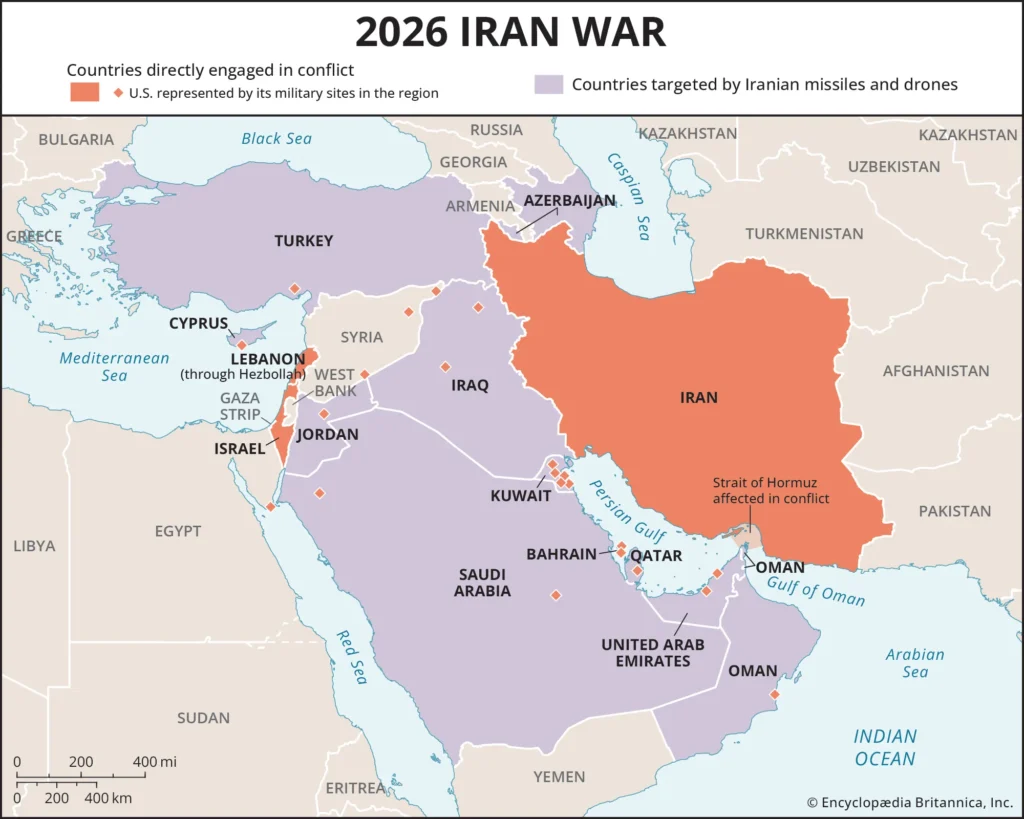
Governments and international organizations are increasingly aligning their strategies with WHO guidelines. Countries in the Middle East and Europe are reviewing emergency preparedness plans, stockpiling medical supplies, and strengthening communication networks.
Hospitals are being advised to enhance disaster response capabilities, including isolation units and radiation detection systems. Cross-border cooperation is also being emphasized to ensure coordinated responses in case of widespread impact.
The private sector, including pharmaceutical companies, may play a crucial role in supplying treatments and vaccines if needed. This highlights the importance of global collaboration in managing complex crises that transcend national boundaries.
Why This Matters Now for the World
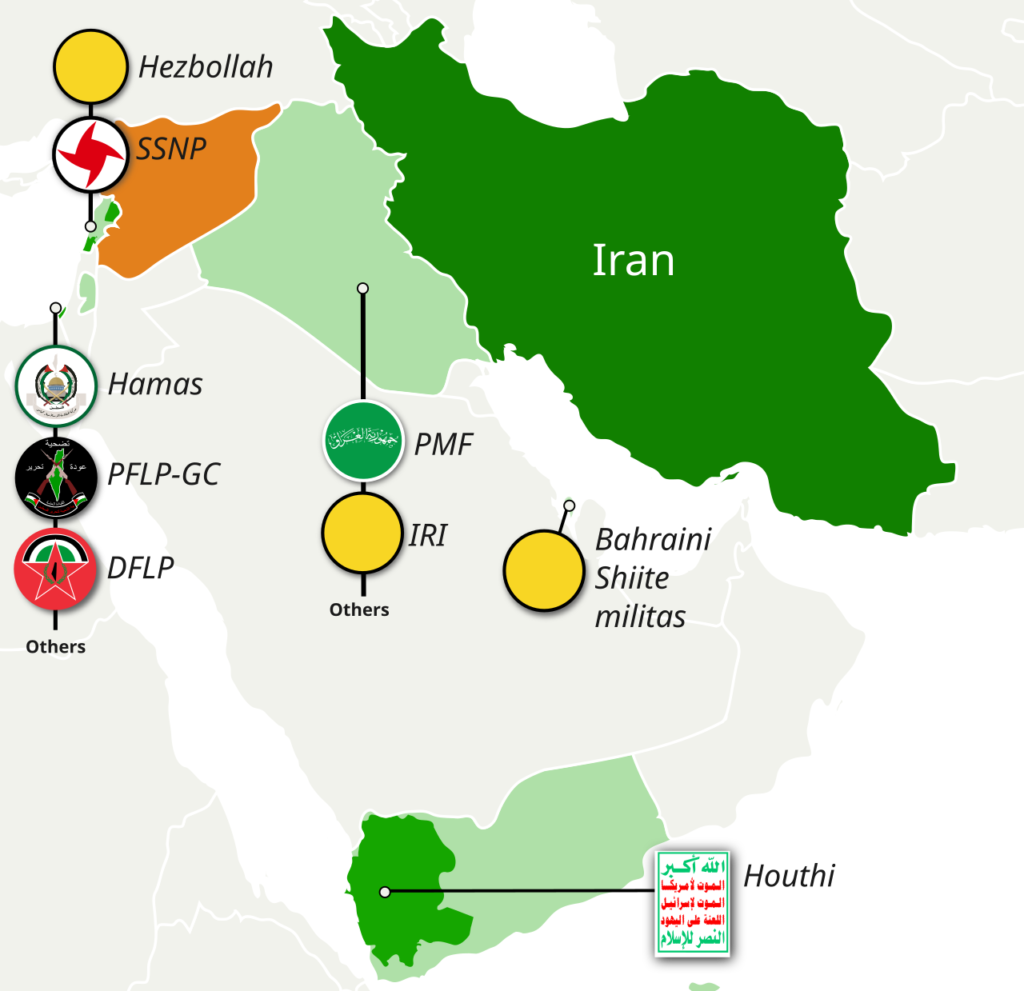
This situation matters now because it signals a shift from theoretical risk to active preparation. When organizations like the WHO begin planning for nuclear scenarios, it reflects a serious level of concern about global stability.
For the public, this raises awareness about the interconnected nature of modern crises—where geopolitical tensions can quickly translate into health emergencies. It also underscores the importance of preparedness, resilience, and international cooperation.
For policymakers, the message is clear: prevention and diplomacy are critical, but so is readiness for worst-case scenarios. The cost of unpreparedness could be catastrophic on a global scale.
What Happens Next and What to Watch
Moving forward, the global community will closely monitor diplomatic developments involving Iran and other key players. Any escalation could accelerate WHO’s response plans and trigger broader international action.
Key indicators to watch include military movements, nuclear policy announcements, and emergency declarations by global agencies. Additionally, increased coordination between health organizations and governments may signal rising urgency.
While the hope remains that such preparations will never be needed, the current actions by WHO highlight the importance of staying ahead of potential crises rather than reacting after they occur.
Subscribe to trusted news sites like USnewsSphere.com for continuous updates.