
Barcelona records highest temperature in 112 years after an exceptional heatwave swept across Spain and much of Western Europe, pushing temperatures to dangerous levels and raising fresh concerns about climate change. The historic reading has drawn worldwide attention as millions of people cope with extreme heat, wildfire risks, public health warnings, and disruptions to daily life.

The record-breaking temperature is more than just another weather milestone. It reflects a wider pattern affecting Europe this summer, with several countries experiencing unusually hot conditions. Scientists, emergency officials, and governments are closely monitoring the situation as experts warn that extreme heat events are becoming more frequent. Why this matters now: rising temperatures affect public health, energy demand, tourism, agriculture, transportation, and the economy across Europe and beyond.

Barcelona Breaks a Temperature Record That Stood for More Than a Century
Barcelona experienced its hottest recorded day in more than 112 years after temperatures climbed above 40°C at the Fabra Observatory, surpassing the previous historical record. Weather officials described the reading as extraordinary for a coastal Mediterranean city that normally benefits from sea breezes.
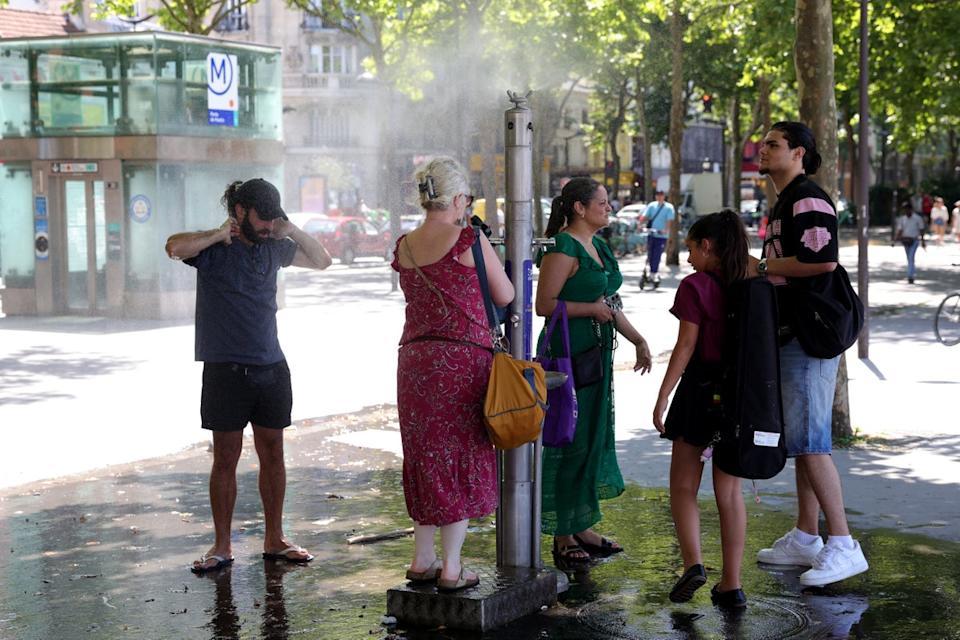
The record comes during another intense heatwave affecting Spain, where many inland communities have also experienced temperatures above 40°C. Meteorologists say the combination of persistent high-pressure systems, dry air, and strong sunshine created ideal conditions for extreme heat across the Iberian Peninsula.
Heatwave Expands Across Western Europe
Barcelona’s record was not an isolated event. Large areas of Spain, France, Portugal, Italy, Belgium, the Netherlands, and the United Kingdom have experienced unusually high temperatures in recent weeks. Governments have issued public health alerts urging residents to stay hydrated, avoid unnecessary outdoor activities during peak afternoon hours, and check on elderly relatives and vulnerable neighbors.
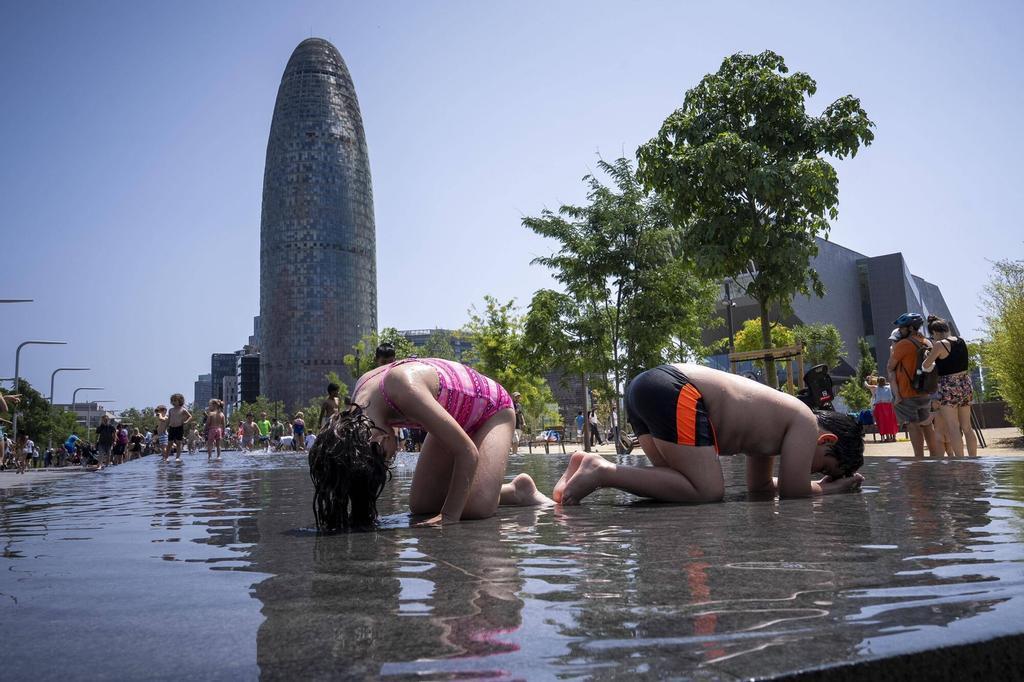
Several European countries have also reported disruptions to transportation, schools, outdoor work schedules, and electricity demand. High temperatures increase air-conditioning use, placing additional pressure on energy systems while creating difficult conditions for emergency responders.
Climate Scientists Say Extreme Heat Is Becoming More Common
Climate researchers say individual weather events result from many atmospheric factors, but long-term global warming is making severe heatwaves more likely and more intense. Rising greenhouse gas concentrations have increased average global temperatures, allowing heat records to be broken more frequently than in previous decades.

Western Europe recently recorded its hottest June since modern observations began. Climate monitoring organizations reported temperatures well above historical averages, while ocean temperatures in nearby waters also remained unusually warm. These conditions reduce nighttime cooling and increase health risks, especially during prolonged heatwaves.
Health, Tourism, Agriculture, and Infrastructure Face Growing Pressure
Extreme heat affects much more than comfort. Doctors warn that prolonged exposure can lead to dehydration, heat exhaustion, and heatstroke, particularly among older adults, children, outdoor workers, and people with existing medical conditions.
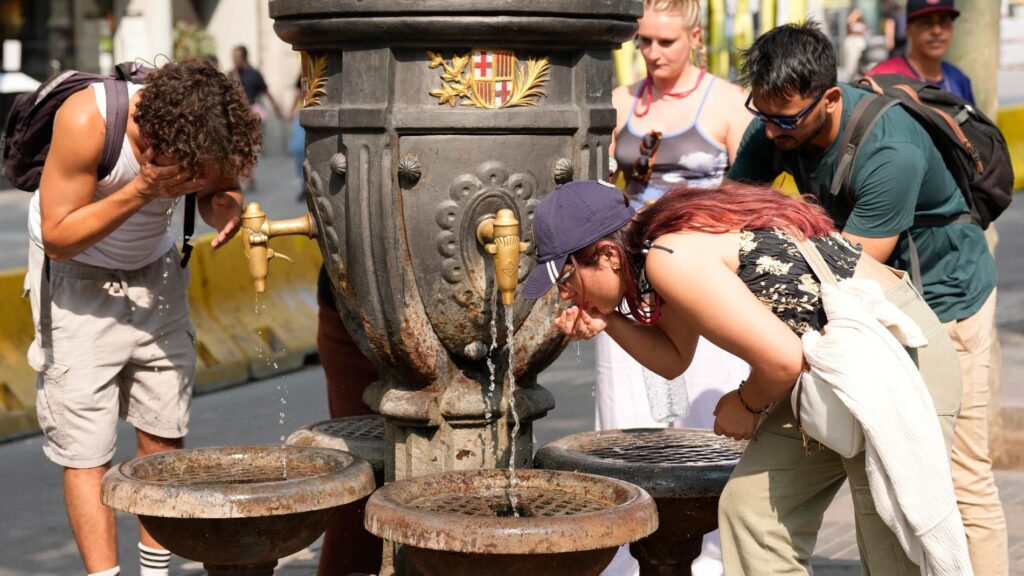
Agriculture is also facing challenges as crops experience heat stress and increased water demand. Farmers across southern Europe continue monitoring irrigation supplies while wildfire conditions remain elevated in many regions. Tourism destinations such as Barcelona are balancing busy summer visitor numbers with public safety measures designed to reduce heat-related risks. Transport operators and utility companies are also preparing for additional strain if temperatures remain above seasonal averages.
What Weather Experts Expect Next
Forecasts indicate that some parts of Europe may continue experiencing above-average temperatures in the coming days, although local conditions will vary by region. Weather agencies continue monitoring the movement of high-pressure systems that can prolong heatwaves and delay cooling.
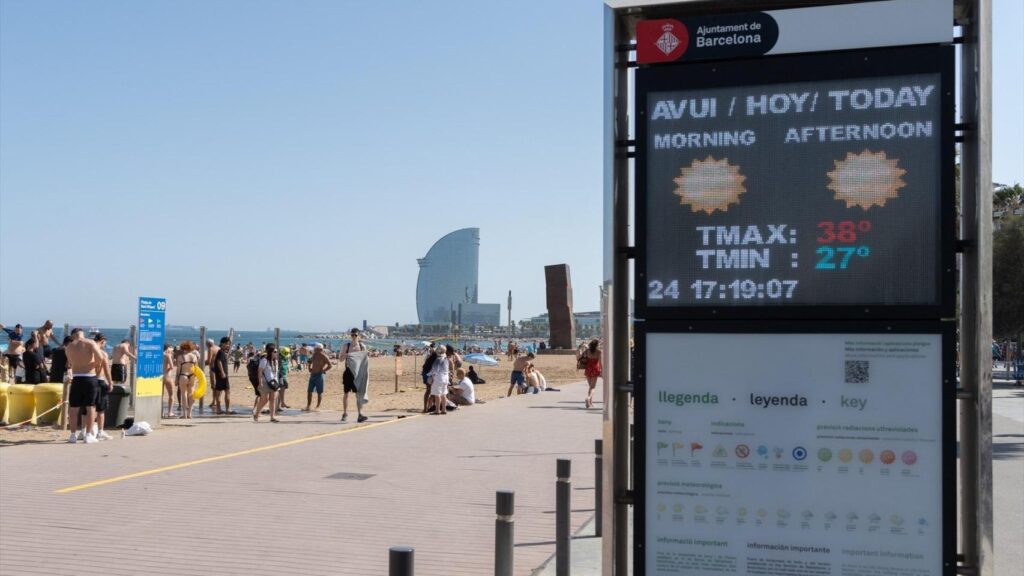
Officials are encouraging residents to follow official weather updates, drink plenty of water, seek shade during the hottest hours of the day, and pay special attention to vulnerable family members. Emergency preparedness remains important because prolonged heat can create cumulative health risks over several consecutive days.

Why This Record Matters Beyond Spain
Barcelona’s historic temperature record represents a broader signal of changing climate conditions that extend far beyond one city. Businesses, governments, urban planners, and public health agencies are increasingly investing in cooling infrastructure, green spaces, improved building standards, and emergency response systems to reduce the impact of future heatwaves.
For readers in the United States and around the world, this event demonstrates how extreme weather is becoming a global challenge with consequences for travel, food production, insurance, public health, and economic stability. While individual records will continue to be broken, scientists emphasize that improving climate resilience will be essential as temperatures continue to rise over the coming decades.
Subscribe to trusted news sites like USnewsSphere.com for continuous updates.