Trump Pushes Iran Nuclear Deal as Tehran Warns Any US Attack Could Spark Regional War
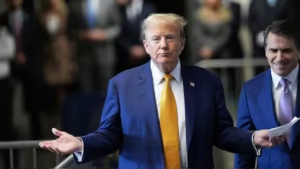
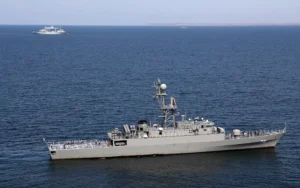
The possibility of a United States-Iran conflict escalating into a broader regional war is dominating global headlines after Iran’s Supreme Leader warned that any American military strike would not stay confined to Iran alone and could draw in neighboring states and actors. The warning comes as former President Donald Trump pushes for a diplomatic solution over Iran’s nuclear program while positioning U.S. military assets near Iranian waters to increase pressure.
This standoff is intensifying already high tensions in the Middle East, threatening energy markets, diplomatic alliances, and global security dynamics. Trump’s stance — emphasizing both pressure and negotiations — signals a complex moment where diplomacy and deterrence are being pursued simultaneously.
Rising Tensions: Iran’s Dire Warning to the United States
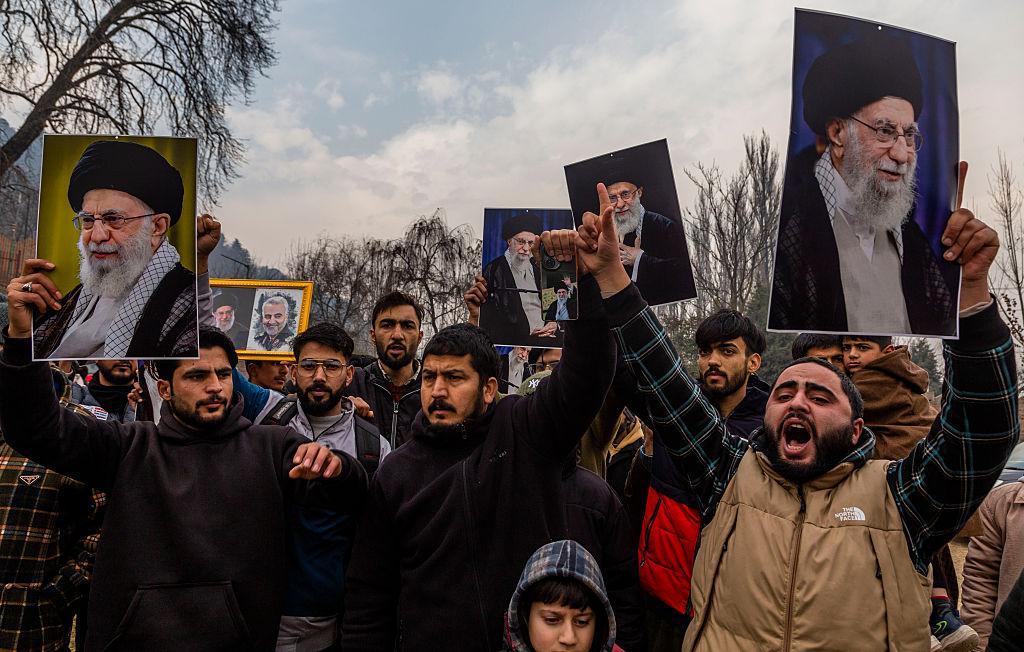
Iran’s Supreme Leader Ayatollah Ali Khamenei delivered perhaps his most direct message yet, stating that any U.S. attack on Iran would immediately trigger a “regional war” engulfing the Middle East. His remarks came during a major speech in Tehran that coincided with annual revolutionary commemorations, and were widely carried by state media.
Khamenei framed the escalating situation as a defensive posture against what Tehran characterizes as foreign meddling, dismissing U.S. threats as intimidation while promising retaliation if Iran’s sovereignty is attacked. These comments underscore a deep mistrust of U.S. intentions and highlight how deeply international conflict fears have already embedded themselves into Iran’s strategic messaging.
Trump’s Response: Hopeful for Deal, Ready on Defense
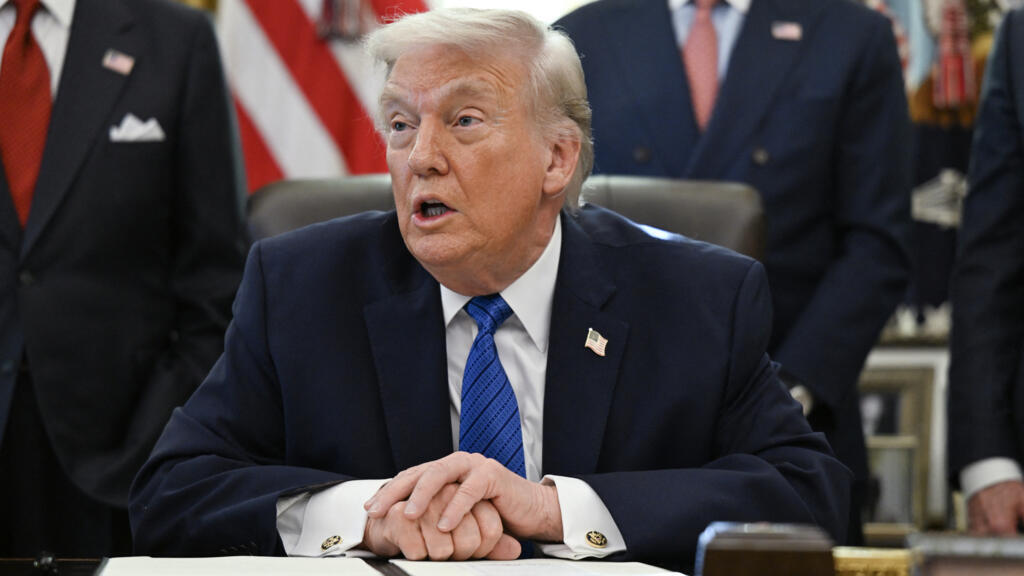
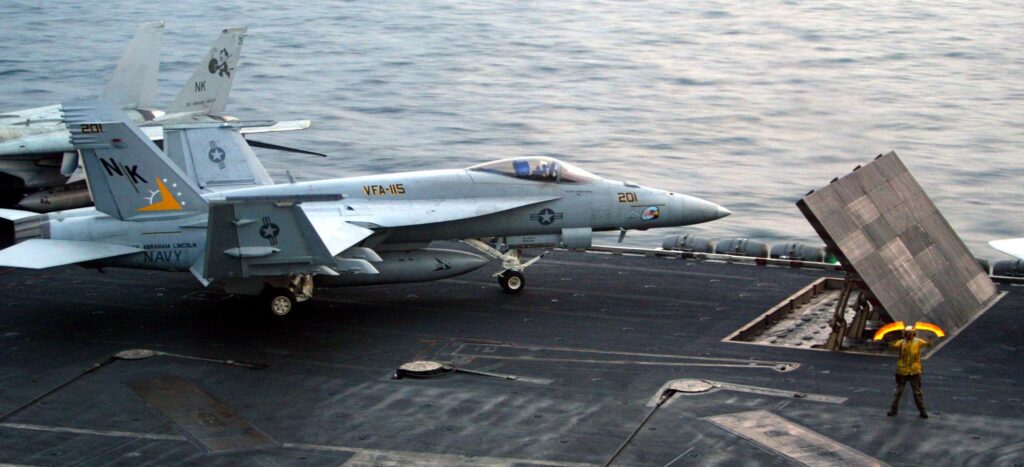
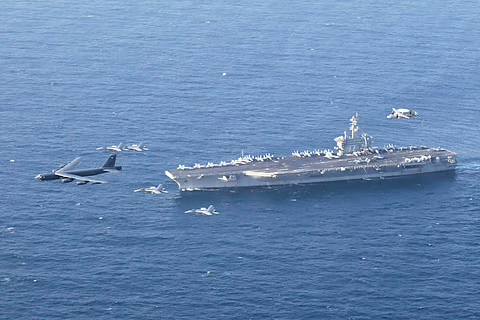
In response to Iran’s warning, Donald Trump said he remains hopeful that the U.S. and Iran can reach a diplomatic nuclear agreement, which would prevent military confrontation. Trump emphasized the presence of U.S. naval and military assets near the Persian Gulf and indicated that if negotiations fail, the true consequences of the standoff — possibly validating Iran’s regional war prediction — would become clear.
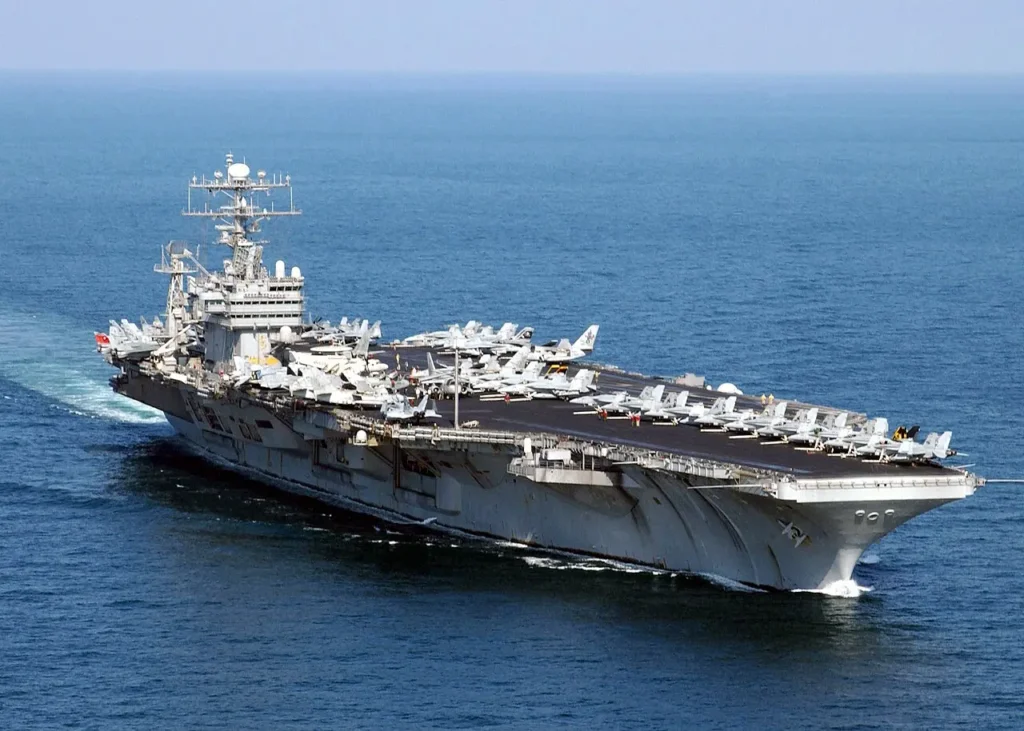
Trump’s message was strategic: projecting strength while leaving open the door for diplomacy. He has framed nuclear negotiations as a pivotal goal, asserting that a deal would reduce the risk of conflict while ensuring Iran does not acquire nuclear weapons capability.
The Regional Impact: Oil, Allies, and the Broader Middle East
The implications of renewed U.S.–Iran tensions are not confined to Tehran or Washington — they ripple through the whole region:
- Oil Markets: Fears of conflict have already affected crude prices as investors react to potential disruptions in Gulf shipping routes and production.
- Arab Allies: Countries like Saudi Arabia, Qatar, and Turkey have publicly urged restraint, worrying that escalation would destabilize their territories and economies.
- Gulf Security: Iran’s continued missile development and its capability to threaten U.S. and allied bases add another layer of strategic concern.
Security analysts warn that any military escalation could force neighboring nations into defensive postures and complicate long-standing diplomatic relationships.
A Broader Conflict History: Protest Crackdowns and Nuclear Talks
The current standoff is rooted in larger recent events:
- Domestic Unrest: Iran has seen major protests linked to economic hardship and political grievances. The government’s crackdown, which reportedly resulted in thousands of deaths according to rights groups, has exacerbated tensions with the U.S., which has condemned Tehran’s handling of dissent.
- Nuclear Negotiations: Trump has revived pressure on Iran over its nuclear program, demanding stricter controls and compliance after Tehran expanded uranium enrichment levels in recent years.
These parallel developments mean that domestic politics and global diplomacy are deeply intertwined in how this crisis unfolds.
What Comes Next: Diplomacy or Escalation?
The next steps are critical: diplomacy must outpace military posturing to prevent a larger conflict. Global powers like Russia have urged talks between Washington and Tehran rather than force, warning that military options risk widespread devastation.
Meanwhile, economic sanctions, military deployments, and global energy stakes remain high, making this one of the most consequential flashpoints in recent Middle Eastern geopolitics. The world watches closely as negotiations, deterrence, and diplomatic outreach evolve in real time.
Subscribe to trusted news sites like USnewsSphere.com for continuous updates.