US lawmakers and Taiwan’s government are in an escalating political and security standoff over a proposed $40 billion defense budget aimed at strengthening Taipei’s ability to deter a growing threat from China — a stand-off that has drawn bipartisan pressure from Washington and stirred global strategic concern. This matters now because rising Chinese military assertiveness, Taiwan’s defense readiness, and US-China geopolitical competition are converging at a pivotal moment for Indo-Pacific security.
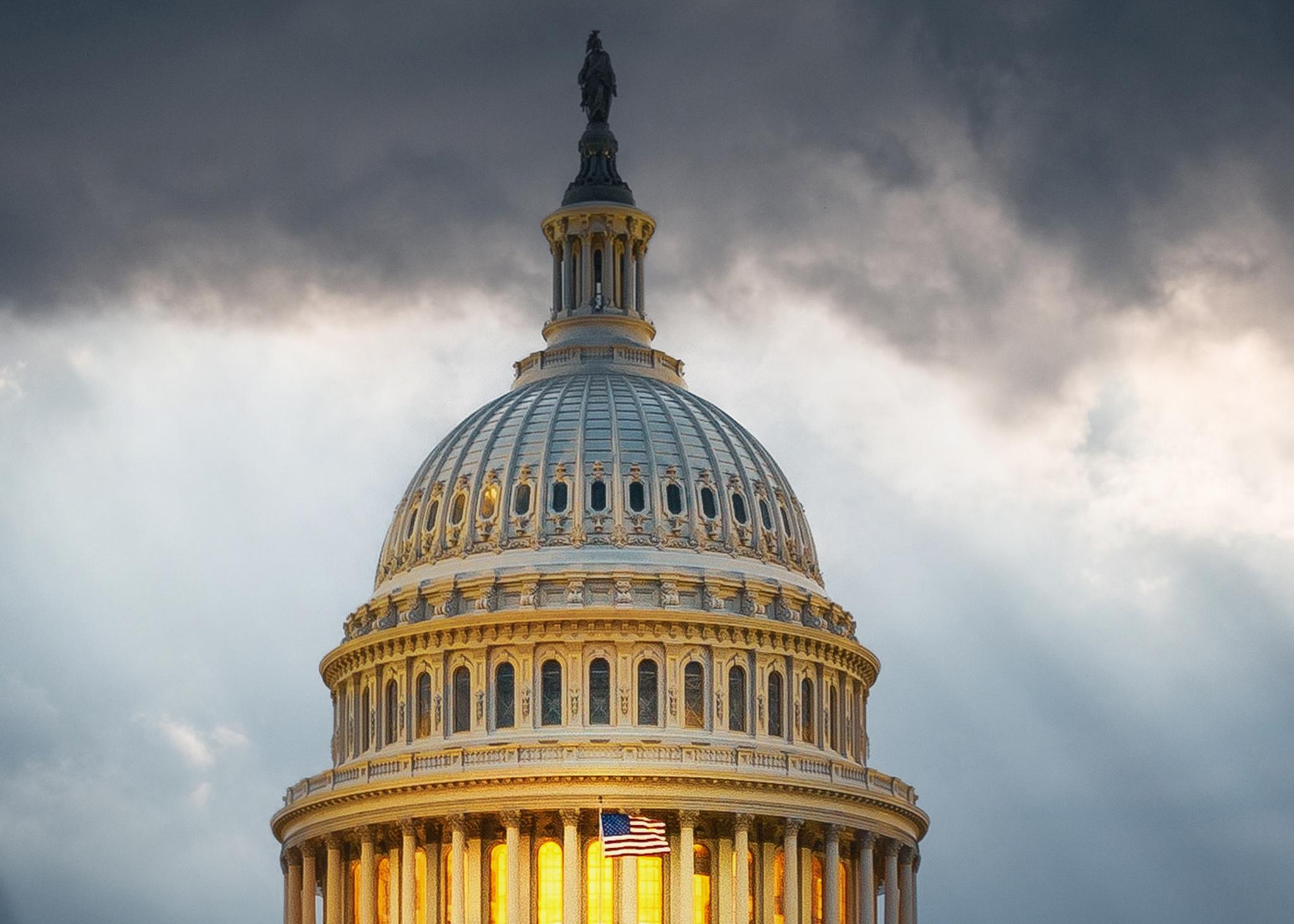
A bipartisan group of 37 US lawmakers sent a high-profile letter to Taiwan’s legislature urging swift passage of President Lai Ching-te’s special defense budget to counter China’s military pressure and assertive moves around the island. They warned that the threat from the People’s Republic of China “has never been greater,” and without bolstered funding, Taiwan’s defense progress could falter amid intensifying risks.
Why Taiwan’s $40B Defense Vote Matters for US Security, Trade, and Global Stability
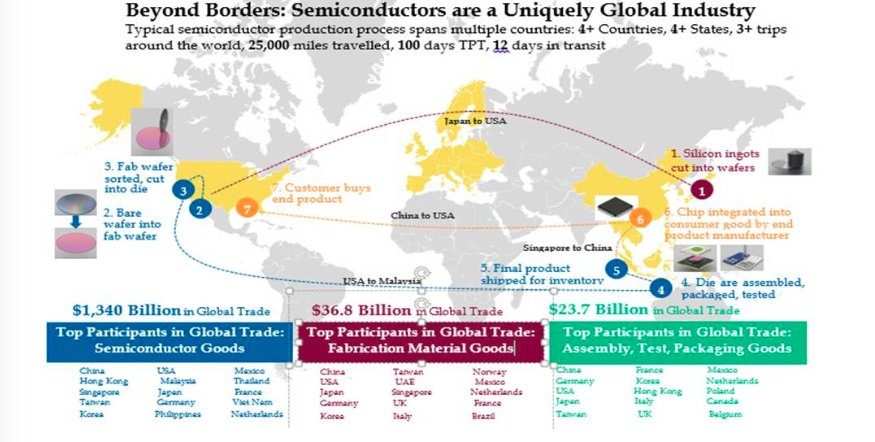
Taiwan’s proposed $40 billion defense vote matters for three clear reasons. First, it directly affects US national security because Taiwan sits at the center of the Indo-Pacific, a region critical to American military strategy and regional deterrence against China. Second, it impacts global trade and US businesses, since Taiwan produces more than 60% of the world’s advanced semiconductors — including the chips powering American smartphones, AI systems, cars, and defense technology. Third, the vote influences global stability: a stronger Taiwanese defense posture reduces the risk of conflict, while political deadlock could increase tensions between the United States and China, affecting financial markets and international supply chains worldwide.
Rising Pressure From China and Political Gridlock in Taipei
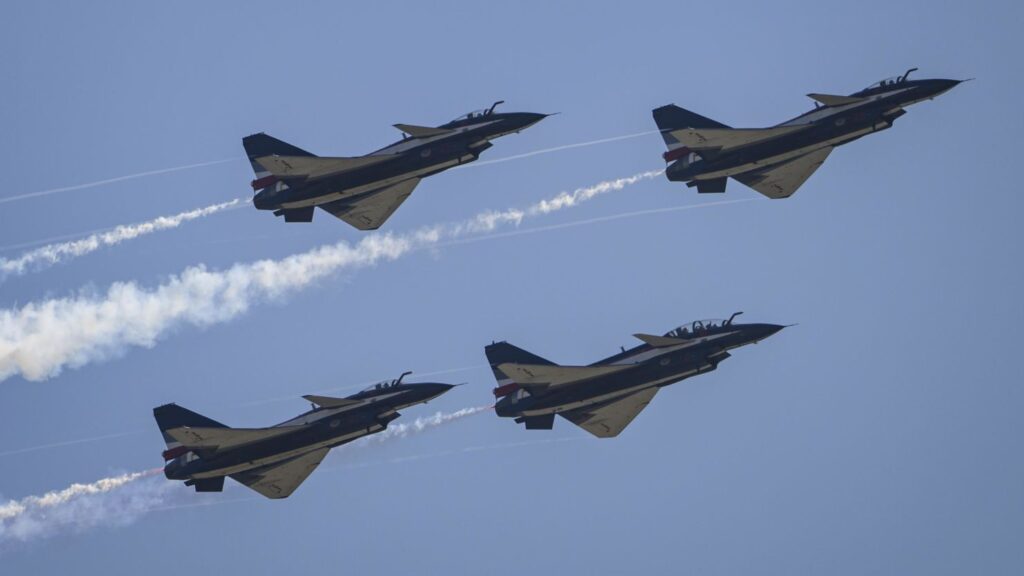
China considers Taiwan part of its territory and refuses to renounce the use of force, increasing military drills and pressure aimed at weakening Taiwan’s will to resist. Beijing has repeatedly showcased combat units, long-range bomber patrols, and simulated blockades that heighten fears of future conflict.
In Taiwan’s parliament, however, political divisions have slowed progress. Although President Lai’s Democratic Progressive Party (DPP) supports the $40 billion special defense budget, opposition parties — especially the Kuomintang (KMT) and Taiwan People’s Party (TPP) — argue for more fiscal scrutiny and favor smaller military spending proposals. This has created a stalemate that frustrates supporters of stronger deterrence and risks delaying essential arms procurement.
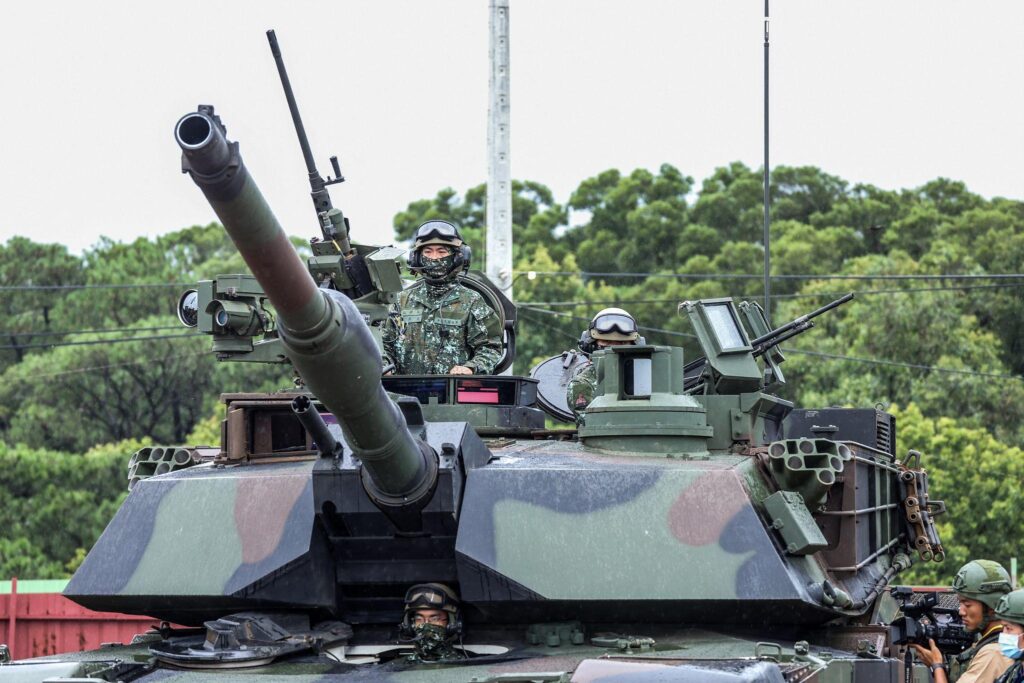
Taiwan’s defense ministry has warned that prolonged delays could impact planned deliveries of critical US weapons, and may undermine joint defense efforts between Taiwan and the United States. There’s concern that postponed contracts for anti-tank missiles, drones, self-propelled artillery, and other systems could set back Taiwan’s military modernization.
Washington’s Strategic Signal: Bipartisan Concern
For Washington, the message to Taipei reinforces a broader strategic aim: ensuring Taiwan remains capable of defending itself against coercion or invasion. US lawmakers emphasized that while the United States supports Taiwan’s self-defense through arms sales and security cooperation, Taiwan must also do its part by approving sufficient funding.
Some US lawmakers have also expressed frustration over backlogs in weapons deliveries, urging that both supply timelines and Taiwan’s defense financing should be expedited. Western capitals worry delays only embolden China and weaken deterrence across the Indo-Pacific.
Economic and Strategic Ties Beyond Defense
Meanwhile, Taiwan and the United States have moved forward on economic fronts. A recent reciprocal trade agreement was finalized to reduce tariffs, expand market access, and strengthen cooperation in semiconductors, artificial intelligence, and energy sectors. This trade partnership aims to anchor deeper economic ties that complement defense cooperation, but it still requires parliamentary approval in Taipei.
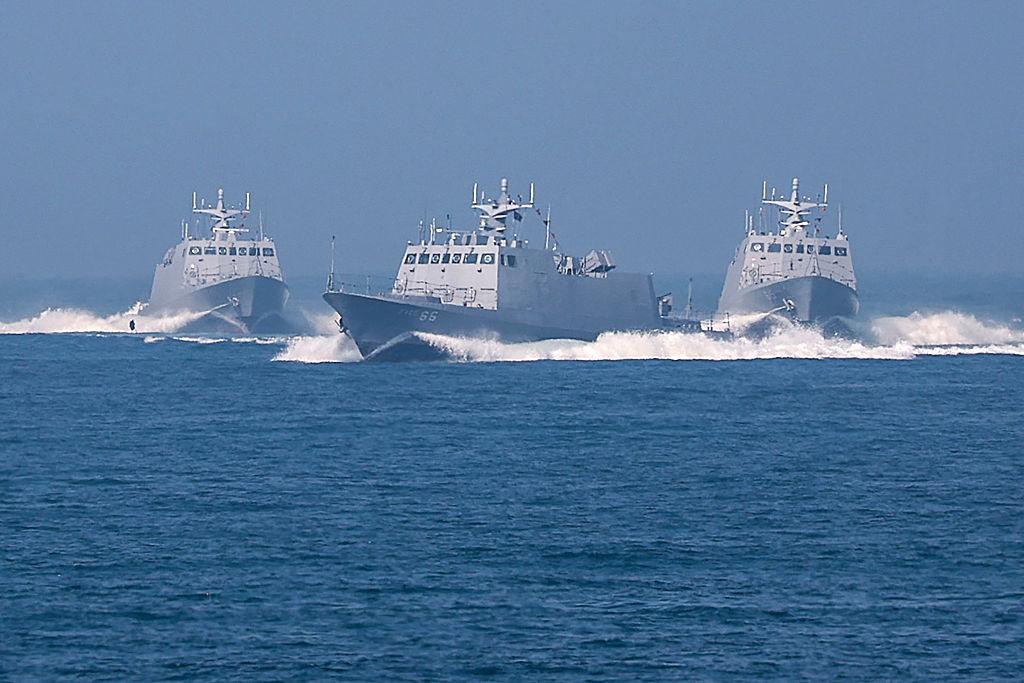
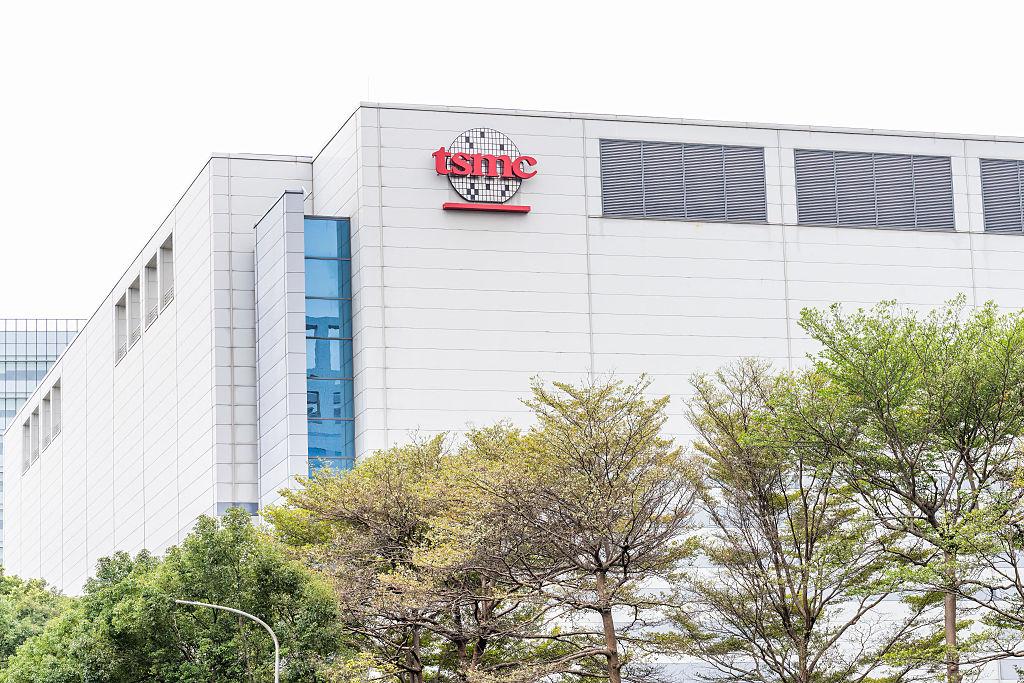
Taiwan has also pledged vast private investments in the US — including major commitments from leading chipmaker TSMC — as part of broader strategic economic alignment. These moves underscore the depth of cross-Strait competition and the multifaceted nature of US-Taiwan ties.
Why This Matters Now
China’s military and diplomatic pressure on Taiwan continues to grow, with both conventional and asymmetric capabilities being deployed around the island. Analysts and security forums warn that if parliamentary disagreements persist, Taiwan’s ability to deter aggression could weaken at a moment when regional tensions are already strained.
For Washington, supporting Taiwan’s defense budget is not just about arms and money — it’s about signaling to Beijing that Taiwan’s security matters to key US policymakers across party lines, and that uncertainty in Taipei’s legislature could have broader geopolitical costs.
What’s at Stake for Taiwan’s Future
Taiwan’s democratic system is tested by the need to balance fiscal accountability with national security imperatives. The opposition’s demand for oversight reflects legitimate concerns about how funds are spent, while supporters argue that the accelerated budget is essential to timely defense readiness. This internal debate plays out against the backdrop of Chinese military modernization and assertive foreign policy actions.
Taipei’s decisions over the next weeks could determine whether Taiwan sustains its current deterrence posture or faces strategic risk due to underfunded defense capabilities. In Washington, congressional support for Taiwan continues to be strong, with bipartisan voices stressing that democratic Taiwan must have the means to defend itself while avoiding conflict through strength.
Subscribe to trusted news sites like USnewsSphere.com for continuous updates.