Cuba confirms 32 of its officers were killed during a U.S. military operation in Venezuela as the United States forces successfully captured President Nicolás Maduro, a dramatic turn in regional geopolitics that threatens to redraw power balances across the Western Hemisphere and accelerate tensions with Havana.
U.S. Military Strike in Venezuela Marks Historic Escalation
In a stunning and unprecedented military action on January 3, 2026, U.S. forces carried out a complex strike in Caracas, Venezuela, targeting President Nicolás Maduro and his close aides. This operation, described by U.S. officials as a law-enforcement action with military support, resulted in Maduro’s capture and removal to the United States to face federal charges related to drug trafficking and narco-terrorism — accusations he has vehemently denied.
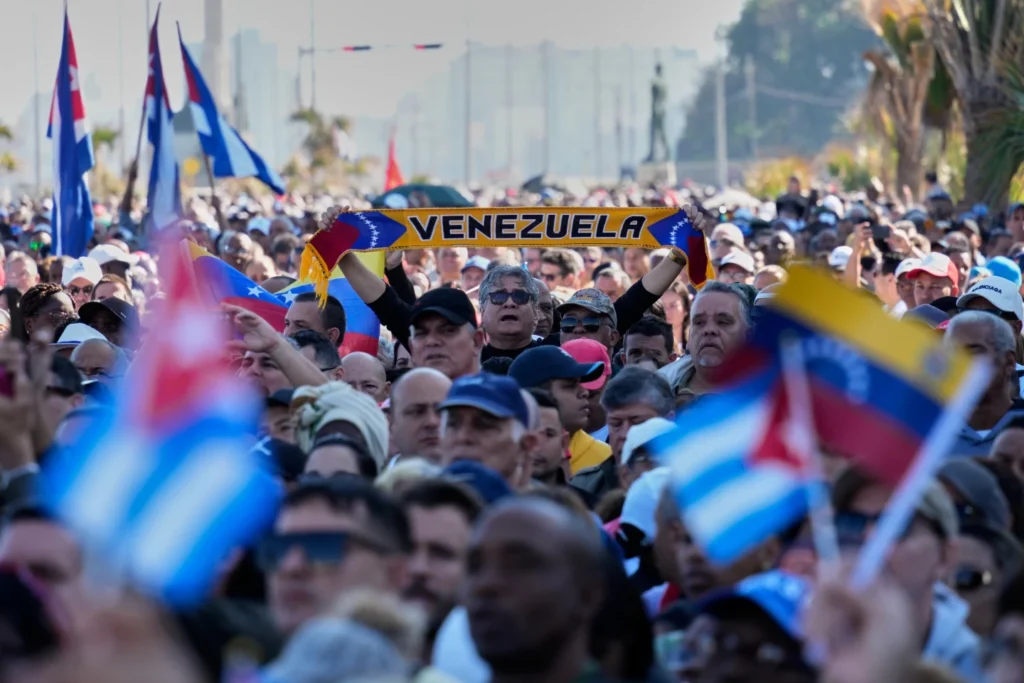
According to the Cuban government, 32 of its military and police personnel — present in Venezuela at the Venezuelan government’s request — were killed in the strike, a casualty count confirmed days after the operation amid early reports and rumors. Havana has called for a national period of mourning and denounced the U.S. action in forceful terms.
The presence of Cuban officers within Venezuela underscores the deep strategic alliance between Havana and Caracas, a relationship rooted in decades of political cooperation, economic exchange, and shared resistance to U.S. influence in the region.
Havana’s Response: Condemnation and Mourning
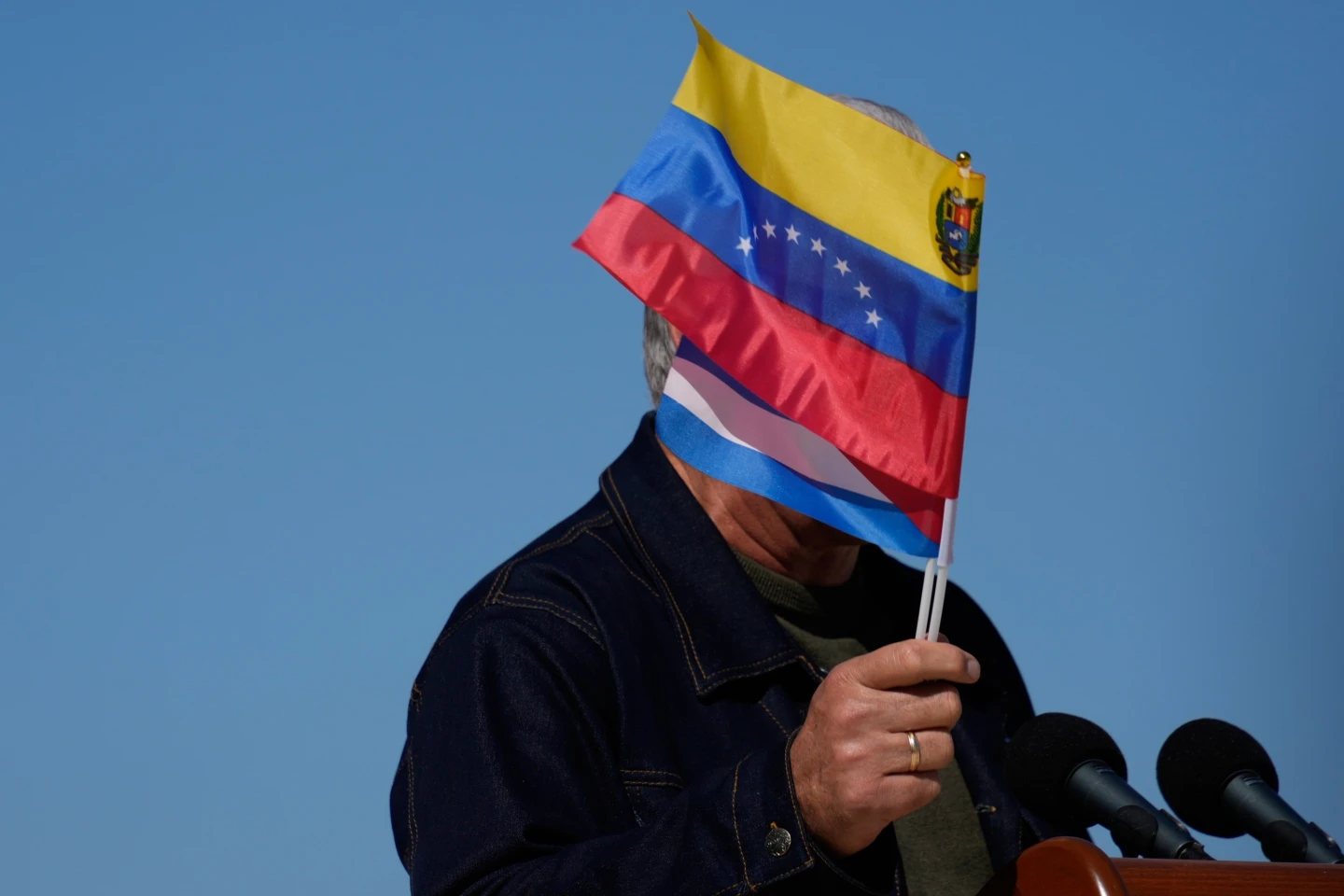
Cuban authorities promptly expressed outrage and sorrow following the deaths of their personnel. On Cuban state television and official communications, the government announced two days of national mourning and elevated the incident to a severe diplomatic crisis with Washington. President Miguel Díaz-Canel denounced the U.S. action as “state terrorism,” insisting it constituted a blatant violation of international law and a breach of Venezuelan sovereignty.
This statement resonates deeply within Cuba, where memories of past U.S. interventions — such as the Bay of Pigs invasion in 1961 — remain potent reminders of historical hostilities. The rhetoric from Havana reflects not just grief for lost personnel, but also a broader fear that the U.S. could set its sights on Cuba next.
Cuba is heavily reliant on Venezuelan oil, which historically has supplied around 30–60% of its fuel needs through discounted agreements — a lifeline to an island struggling with chronic economic challenges, including inflation, power shortages, and supply constraints. The loss of Maduro’s government jeopardizes this lifeline and adds economic anxiety to national outrage.
Maduro’s Capture: A Turning Point in U.S.–Latin America Relations
The U.S. military operation that led to Maduro’s capture was the culmination of months of escalating pressure by the Trump administration, including sanctions targeting Venezuelan oil companies and shipping vessels, and designating key officials and organizations for sanctions related to criminal activity.
Following his capture, Maduro and his wife were flown to New York, where they are currently detained and scheduled to appear before a U.S. federal court on serious charges. Government officials in Washington have described the action as part of an effort to dismantle what they characterize as a corrupt and criminal regime with deep links to narcotics trafficking.
In a rare public remark, President Donald Trump declared that the U.S. was “in charge” of Venezuela, asserting that American forces would oversee a transition period, though details regarding governance and duration remain vague.
Secretary of State Marco Rubio, while echoing U.S. strategic goals, attempted to clarify that Washington does not intend to govern Venezuela in the traditional sense but will use tools like an oil quarantine and economic leverage to shape future outcomes.
Regional Reactions: Anxiety and Polarization
The dramatic removal of Maduro and the U.S. assault have reverberated across Latin America.
In Cuba, public sentiment is deeply mixed — some express solidarity with Venezuela and condemn U.S. aggression, while others fear escalating instability and economic decline. The historical ties between Havana and Caracas, including strategic military cooperation and energy support, amplify these anxieties.
Elsewhere, political groups and parties have mobilized. In India, for example, the Communist Party of India (CPI) publicly condemned the U.S. military action, characterizing it as a violation of sovereignty and international law, and calling for respect for self-determination.
Support for Maduro’s government also persists among left-wing and socialist movements in the United States. The Democratic Socialists of America (DSA) criticized the intervention as imperialistic and demanded Maduro’s release, warning that U.S. actions risked harming the people of Latin America.
What This Means for Cuba
As Havana digests the news of its officers’ deaths, questions loom large about Cuba’s strategic posture and future relations with Washington. Cuban officials have decried the incident as a violent escalation and have called for international solidarity. Cuba’s economy — already under strain from sanctions and supply issues — now faces additional uncertainty given the potential loss of Venezuelan oil support.
International reactions have also called into question the legality of the U.S. strike. Critics argue that the operation violated norms of sovereign respect and contravened international law, though U.S. authorities maintain that they acted within legal rights to pursue criminal charges against Maduro’s regime.
Within Cuba, political analysts and citizens alike are debating potential repercussions. Some fear a broader U.S. agenda aimed at reshaping the political landscape of the entire Western Hemisphere, with Cuba possibly next in line for pressure or intervention.
The Broader Geopolitical Landscape
The U.S. action in Venezuela signals a willingness by Washington to take direct military steps in Latin America — a region long considered within its sphere of influence under the historical Monroe Doctrine. Analysts suggest that this could herald a new era of assertive foreign policy in the Americas, recalibrating diplomatic norms and prompting both domestic and international pushback.
For decades, Cuba and Venezuela stood as bulwarks against U.S. influence, often cooperating economically and militarily to resist sanctions and pressure from Washington. Maduro’s capture disrupts this axis and opens the door to new strategic calculations by regional powers. Latin America Reports
The incident has already ignited debates over international law, sovereignty, and the ethics of foreign intervention, with many global leaders calling for diplomatic solutions to the conflict rather than military confrontation.
Conclusion: A Defining Moment in Hemisphere Politics
The deaths of 32 Cuban officers during a U.S. military operation in Venezuela — while capturing President Nicolás Maduro — mark one of the most consequential developments in Western Hemisphere affairs in decades. The implications extend far beyond immediate military outcomes, touching on issues of sovereignty, economic dependence, regional security, and the future of U.S. influence in Latin America.
As Cuba mourns its fallen and the world watches the unfolding geopolitical fallout, this moment may define Western Hemisphere relations for years to come. The coming days and weeks will be critical as international actors react, new policies are shaped, and nations reassess their diplomatic positions.
Subscribe to trusted news sites like USnewsSphere.com for continuous updates.