Pakistan-Afghanistan tensions have erupted into what officials in Islamabad are calling “open war” after Pakistan bombed Kabul and other Afghan cities in response to cross-border attacks by Afghan forces, marking a dangerous escalation in a long-running conflict that threatens broader instability in South Asia.
Escalation of a Decades-Long Border Conflict
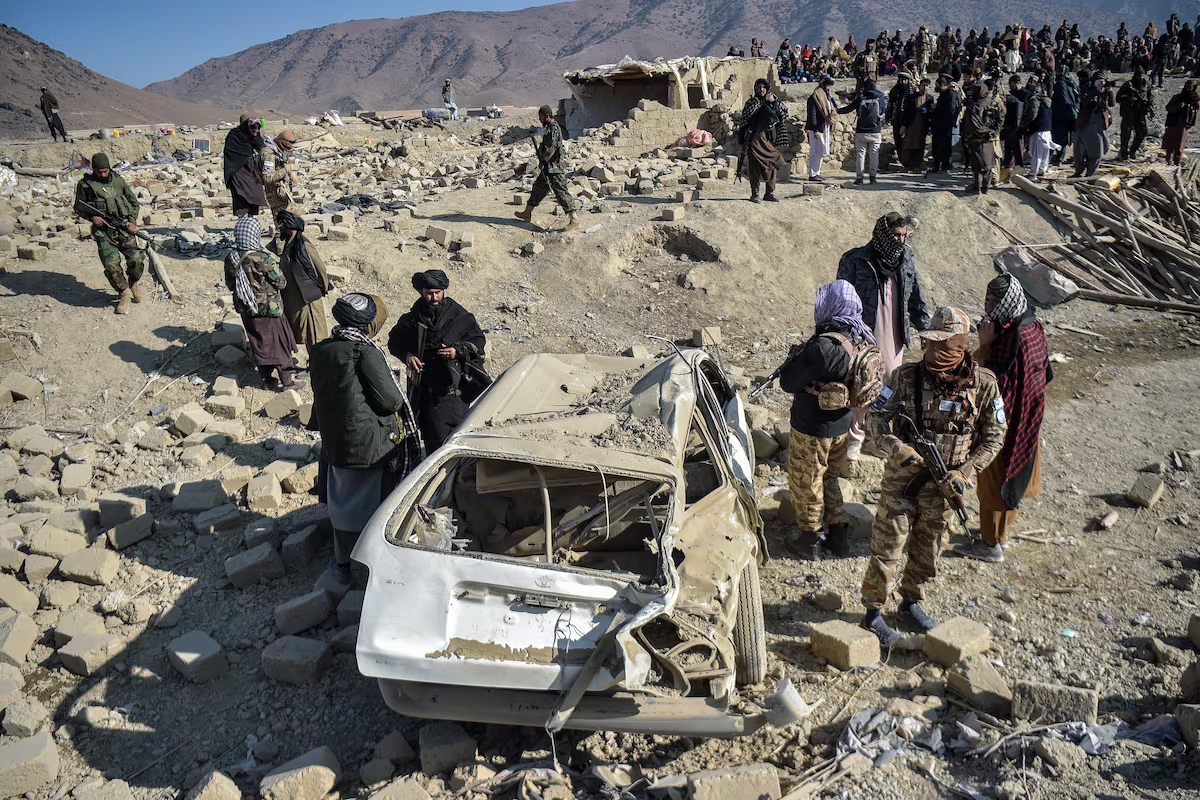
For years, Afghanistan and Pakistan have faced intermittent clashes along their 2,600-kilometre shared border, known as the Durand Line, rooted in mutual accusations of harbouring militant groups and violating territorial sovereignty. In recent weeks, Pakistan carried out a series of airstrikes on targets inside Afghanistan — including in eastern provinces Nangarhar and Paktika — claiming to hit camps linked to Tehreek-e-Taliban Pakistan (TTP) and ISIS-Khorasan militants blamed for deadly attacks inside Pakistan. Afghan authorities condemned these strikes as violations of international law that killed civilians, including women and children, deepening resentments on both sides.
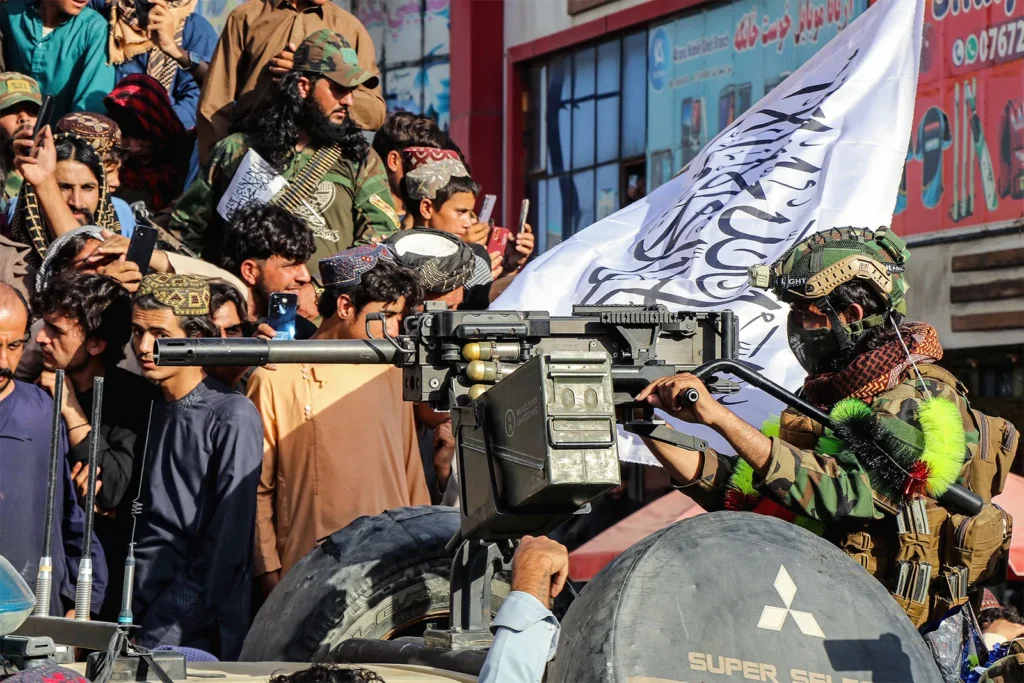
The latest escalation began after Afghan Taliban forces reportedly attacked Pakistani military posts near the border. Pakistani leadership, expressing frustration over what it called repeated “unprovoked aggression,” launched airstrikes on Afghanistan’s capital, Kabul, and other key cities, declaring a full-scale operation named Operation Ghazab Lil Haq. Pakistan’s defence minister said its patience had reached its limit and that Islamabad now viewed the situation as open warfare.
What Led to Pakistan’s Strategic Response
Pakistan’s military offensive wasn’t a sudden shift in policy but the culmination of months of tension and exchanges of fire along the frontier. Pakistani officials have repeatedly accused the Afghan government — now led by the Taliban — of failing to curtail militant groups who use Afghan territory as a base to launch attacks inside Pakistan. According to security sources, fighters from groups like the TTP carried out several operations against Pakistani forces, including a deadly incident that killed security personnel and civilians inside Pakistan. This threat perception underpins Islamabad’s decision to act with force, asserting that countering militant sanctuaries is critical to national security.
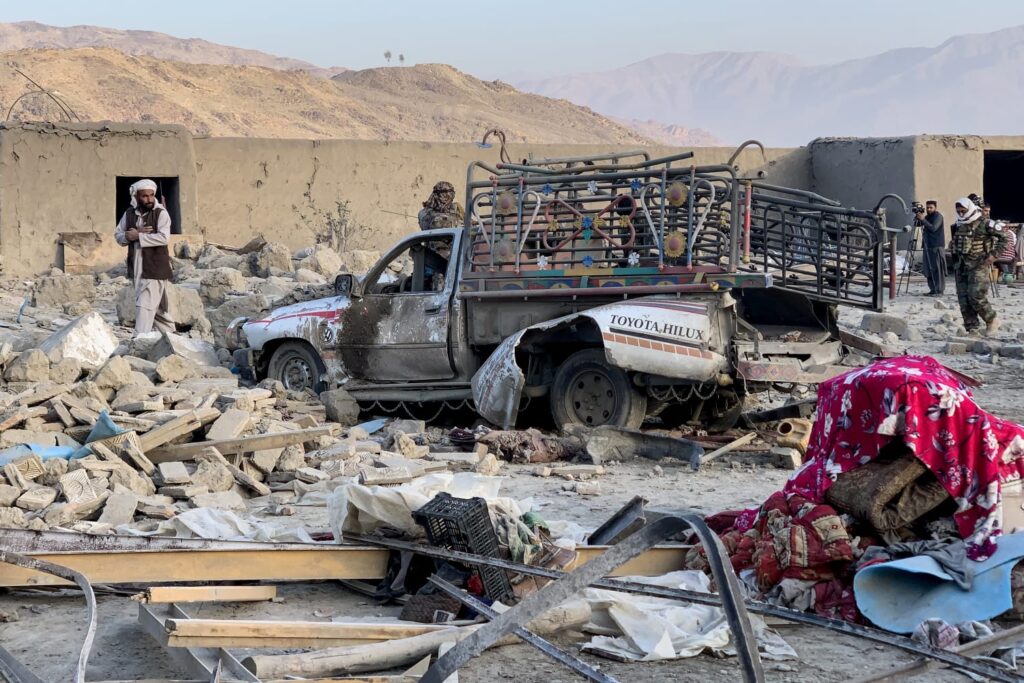
Afghan authorities have denied these claims, asserting they do not allow Pakistani Taliban fighters free rein on their soil. The Taliban government condemned Islamabad’s airstrikes, accused Pakistan of aggression, and warned that Afghanistan would respond appropriately. These mutual accusations have significantly undermined earlier diplomatic efforts to ease tensions, including a fragile ceasefire brokered in 2025 with Qatar’s mediation.
The Fighting: Kabul, Kandahar, and Paktia Hit
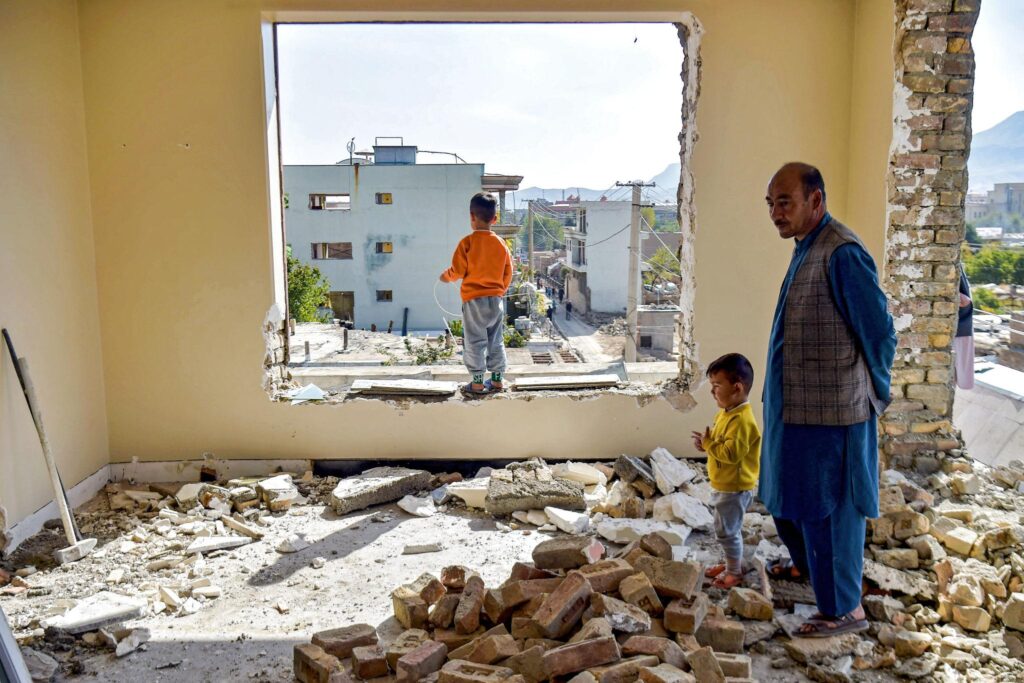
In the early hours of Friday, Pakistan’s air force reportedly launched strikes in Kabul, Kandahar, and Paktia provinces, hitting multiple targets associated with Taliban defence infrastructure, military headquarters, and ammunition depots. Explosions were heard across Kabul, with jets overhead and anti-aircraft fire evident in the capital, according to correspondents on the ground. Both Pakistan and Afghan officials provided starkly different casualty figures — Pakistan claimed to have inflicted significant losses on Taliban fighters, while Kabul reported civilian deaths and insisted its forces were defending their territory.
Pakistan’s government spokesperson said that dozens of Taliban fighters were killed and many posts were destroyed or captured, highlighting the scale and intensity of Operation Ghazab Lil Haq. Afghan authorities, by contrast, contended that the strikes primarily affected civilian areas and infrastructure, further enraging the population. Independent verification of the numbers on either side remains limited due to restrictions on media and conflict zone access imposed by both sides.
Why This Matters Now
This outbreak of violence matters because it significantly escalates what had been a simmering conflict, not only between two neighbouring countries but also between different militant and state actors influencing the broader region. The area has long been volatile, with regional powers like Iran and India watching closely — Iran has offered to help facilitate dialogue between Afghanistan and Pakistan, highlighting international concern about the repercussions of a deeper conflict.
The humanitarian impact is immediate and concerning. Civilians in border areas and major cities face heightened risks from airstrikes and artillery, while refugee movements and trade disruption are adding strain to already fragile communities. International organisations have warned that continued hostilities could worsen displacement and limit aid access across Afghanistan, where millions already rely on humanitarian support.
Regional and Global Implications
Beyond immediate human costs, sustained conflict could fracture security cooperation in South Asia and invite external powers to intervene or take sides, complicating peace prospects. Pakistan’s military assertiveness and Afghanistan’s resistance reflect deeper geopolitical fault lines linked to longstanding mistrust and differing strategic interests. The clash could also embolden militant groups on both sides and undermine efforts to negotiate lasting ceasefires or political settlements — outcomes that would be destabilising for the region.
The United Nations and other international bodies have called for restraint and urged both nations to return to dialogue. Yet, with leaders framing the conflict in existential terms and national pride at stake, diplomatic solutions may prove elusive unless external pressure and mediation intensify.
“Subscribe to trusted news sites like USnewsSphere.com for continuous updates.”