Ukraine’s President Volodymyr Zelenskyy has revealed that intelligence reports indicate Russia is preparing new large-scale military attacks against Ukrainian territory, heightening fears of an escalation in the nearly four-year conflict. This critical update comes as Ukraine endures one of the harshest winters in recent history, with crippling damage to energy infrastructure and widespread power outages due to intensified Russian strikes.
Intelligence Reveals Preparation for Major Russian Assault
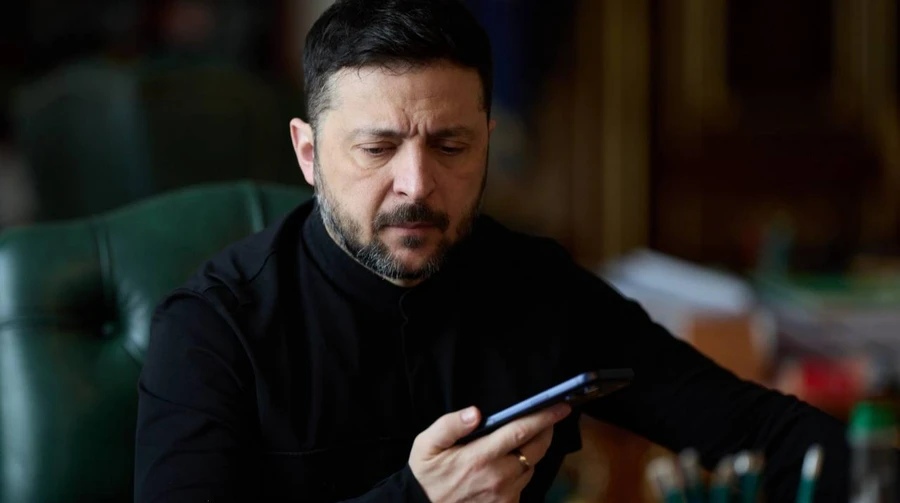
President Zelenskyy, in a public address on January 16, stated unequivocally that Ukrainian intelligence agencies have detected preparations by Russian forces for a new large-scale offensive, possibly involving renewed assaults on cities and frontline positions. The warning reflects a sustained commitment by Moscow to degrade Ukrainian defense capabilities, expand territorial control, and apply strategic pressure amid ongoing negotiations and international diplomatic efforts. Zelenskyy emphasized that this intelligence is credible and monitored constantly by defense units. His remarks highlight the urgent need for increased air defense systems and military support from Ukraine’s allies to counter the expected escalation.
Compounding these concerns, British Defence Intelligence reported that Russian forces have dramatically increased their use of one-way attack drones throughout 2025, launching tens of thousands of unmanned aerial systems against Ukrainian targets. These continuous drone and missile barrages strain Ukraine’s already overstretched air defenses, complicating the security landscape as winter deepens and infrastructure vulnerabilities grow.
Energy Infrastructure Under Fire: Humanitarian Crisis Deepens
In what international observers describe as a weaponization of winter, Russian forces have targeted Ukraine’s energy infrastructure with sustained aerial and drone strikes. These attacks have devastated electricity grids, leaving major cities like Kyiv with only about half of the power they require to keep homes heated and essential services running amid sub-zero temperatures. Residents are facing prolonged outages of heat and electricity, with many forced to rely on emergency generators and make difficult choices to stay safe.
Humanitarian agencies, including UNICEF and the International Federation of Red Cross and Red Crescent Societies, have sounded alarms over the severe conditions, noting that children in particularly hard-hit regions are at significant risk of hypothermia as temperatures plunge below -18°C. The combination of damage to infrastructure and winter conditions creates an urgent need for international aid, while aid funds remain critically underfunded.
European support for Ukraine’s energy resilience has been growing, with nations such as the United Kingdom pledging emergency energy supplies. Yet the scale of destruction continues to challenge repair efforts, and widespread outages persist across multiple regions.
Troop Losses and Military Operations Insight
In addition to the imminent threat of a renewed large-scale offensive, the human cost of Russia’s military efforts remains staggering. According to the Ukrainian General Staff, Russian forces have sustained substantial losses over the past day, with over 1,300 soldiers reported killed or wounded and significant losses in military hardware including tanks and armored vehicles. This figure adds to already extensive cumulative combat losses suffered by Russia since the start of the invasion.
Compounding Ukraine’s defense challenges are reports of intense skirmishes and shifting battlefield dynamics. Intelligence assessments from Western defense analysts indicate that Russia’s tactical focus on one-way attack drones and long-range systems complicates Ukraine’s ability to prevent damage to critical infrastructure and population centers. The rising use of such unmanned systems reveals a continued evolution of tactics, requiring adaptive defense responses from Kyiv and its partners.
International Diplomatic Push and Security Talks
Amid the dire military and humanitarian landscape, Ukraine has not retreated from international diplomacy. On January 16, officials announced that a Ukrainian delegation was en route to the United States for high-level talks aimed at securing formal security guarantees and post-war recovery frameworks. President Zelenskyy stated that these discussions could yield agreements on comprehensive security assurances and reconstruction funding — crucial for Ukraine’s long-term resilience. The documents under negotiation include provisions designed to deter future aggression and help rebuild war-torn cities, with hopes of reaching final terms at upcoming global forums such as the World Economic Forum in Davos.
However, the international landscape is complex. U.S. President Donald Trump and other leaders have offered differing public statements on peace negotiations, with some suggesting that Ukraine’s leadership has been an obstacle to a swift settlement — assertions that Kyiv firmly rejects, emphasizing that peace must be just and not at the cost of sovereignty or territorial integrity.
Moreover, international opinion remains divided within Europe, with some EU leaders exploring renewed dialogue with Moscow — a move that Russia has welcomed as a potential shift toward negotiations outside hardline sanctions regimes. Yet NATO partners maintain strong defense support commitments, underscoring the multifaceted diplomatic and political undercurrents shaping the conflict’s future.
Public Sentiment and Security Guarantee Skepticism
Recent public polling reveals a deeply skeptical Ukrainian populace: a majority of citizens oppose withdrawing troops or conceding territory in exchange for foreign security guarantees. Many Ukrainians doubt that international pledges — historically inconsistent — will prove reliable if Russia renews its offensive. This skepticism stems from past delays and unfulfilled commitments, which have eroded confidence in diplomatic assurances and reinforced national determination to defend every inch of Ukrainian soil.
This sentiment has profound implications for Ukraine’s political leadership and strategic planning, as homegrown resistance combines with international support to shape defense priorities. Rather than capitulate to pressure for territorial concessions, Ukraine’s stance reflects a broader commitment to sovereignty backed by grassroots public demand for unwavering resistance.
Human Resilience and Future Outlook
Despite the intensity of the conflict and the dire humanitarian situation, Ukrainian society continues to demonstrate remarkable resilience. Citizens adapt to prolonged blackouts, community groups organize local relief efforts, and volunteers work alongside professionals to maintain essential services. These efforts illustrate a broader national commitment to survival and recovery, even as the nation faces the dual pressures of climate extremes and military adversity.
Looking ahead, analysts suggest that the war in 2026 will be shaped by three interlinked dynamics: the evolution of battlefield technology and tactics, the effectiveness of international diplomatic engagement, and the resilience of Ukrainian civil infrastructure and society under winter hardship. Strategic support from allies — including advanced air defenses, economic aid, and robust security guarantees — will likely be decisive in shaping outcomes in the coming months.
Pivotal Moment in Ukraine’s Fight for Security
Ukraine stands at a critical junction. With credible intelligence signaling new large-scale Russian attacks and energy infrastructure collapsing under relentless strikes, the war’s trajectory in early 2026 carries grave security and humanitarian implications. Yet, through diplomatic engagement, military adaptation, and unwavering resolve, Ukraine continues to chart a course toward safeguarding its sovereignty and future.
Subscribe to trusted news sites like USnewsSphere.com for continuous updates.