Chinese Lunar New Year 2026 marks the start of the Year of the Fire Horse on February 17, 2026, bringing an extraordinary mix of tradition, cultural celebrations, global travel trends, and renewed energy for millions worldwide. It’s celebrated by billions across China and the world with family reunions, symbolic rituals like red decorations and firecrackers, and has a massive economic and travel impact as record travel journeys are expected. The Year of the Fire Horse symbolizes bold action, passion, and transformation, making this more than a festival – it’s a catalyst for fresh beginnings and societal celebration.
What the Year of the Fire Horse Means and Why It Matters Now
The Chinese zodiac cycles every 12 years, but the Fire Horse—combining the Horse’s spirited traits with the Fire element—occurs only once every 60 years. This pairing is considered uniquely intense, energetic, and transformative, encouraging decisive action and high momentum in major life pursuits. Historically, Fire Horse years were seen as potent times of bold moves and dynamic energy, and in 2026, this energy arrives with a fresh lunar cycle starting February 17.
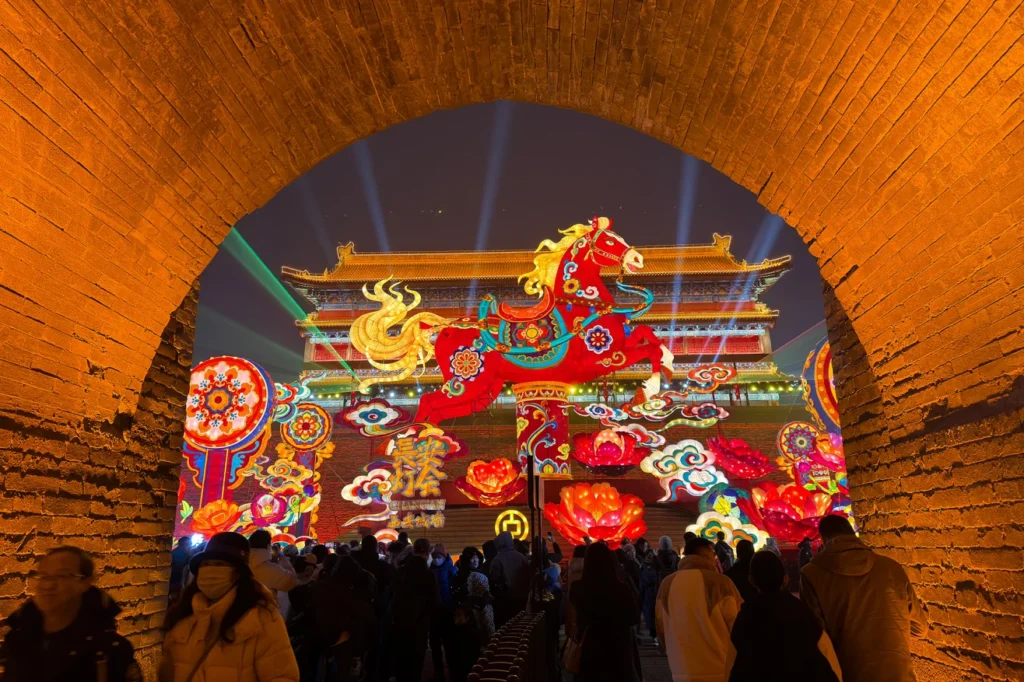
This year matters now because global communities are reengaging with traditions that were muted during pandemic years. Celebrations have regained strength, travel restrictions have eased, and families, especially in China, are making what is predicted to be a record-breaking number of journeys. That significant travel surge—expected to exceed nine billion domestic trips within China alone—highlights not just cultural importance but also economic influence during this festival period.
Deep Cultural Traditions and Global Celebrations of Lunar New Year
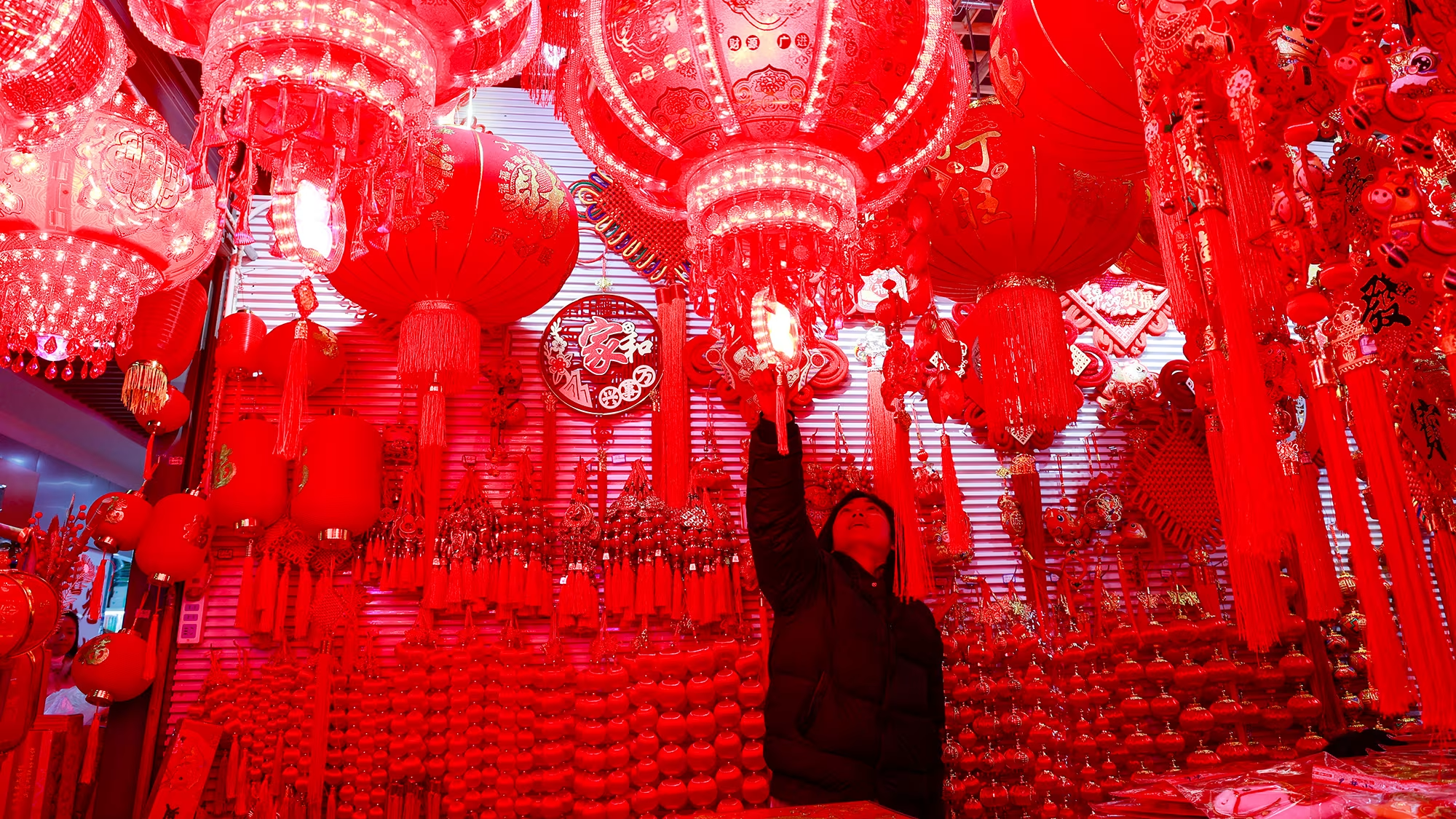
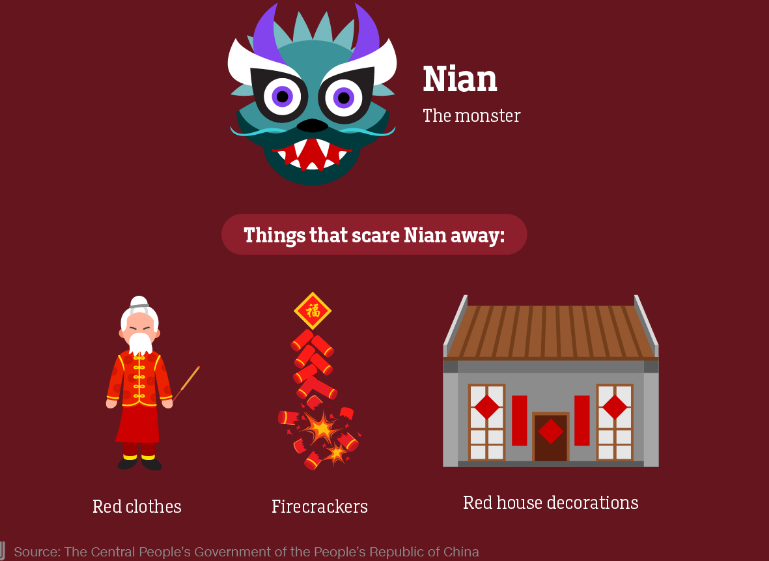
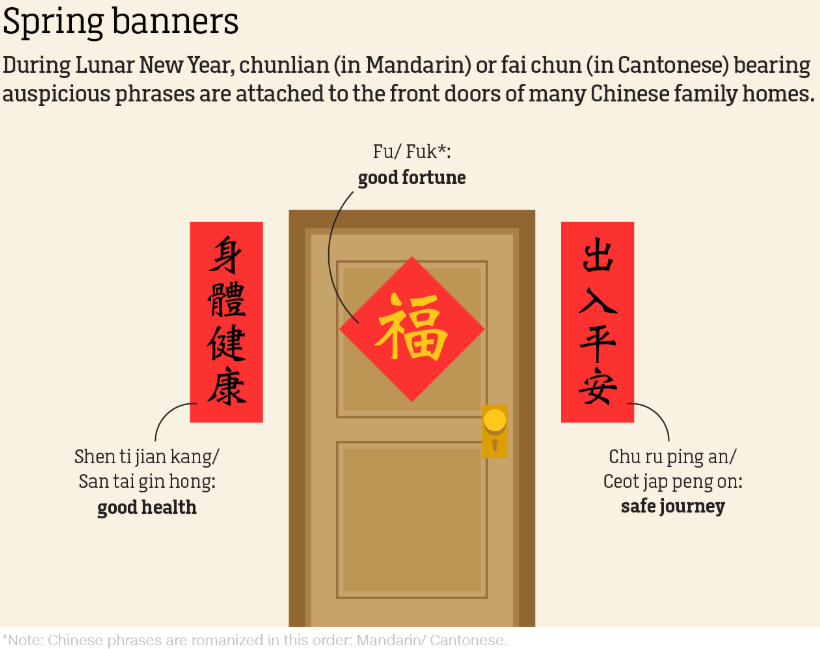
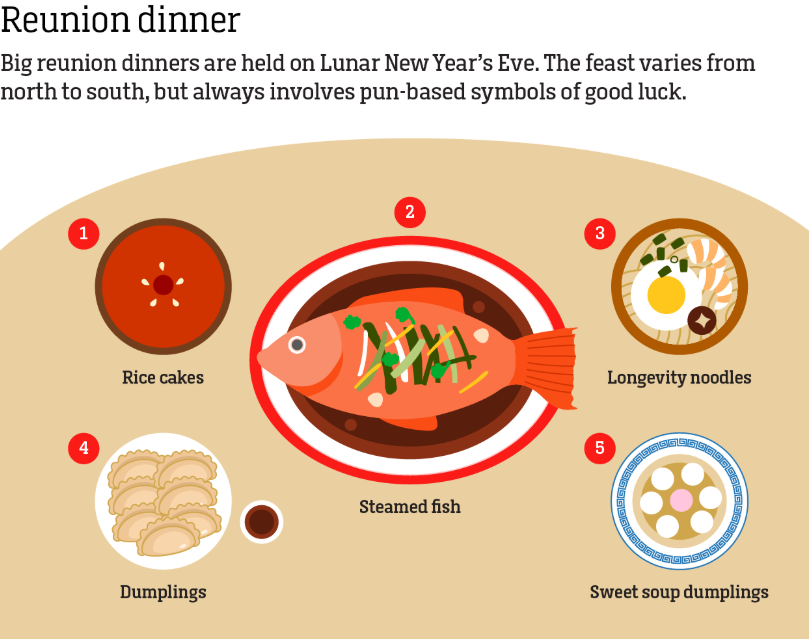
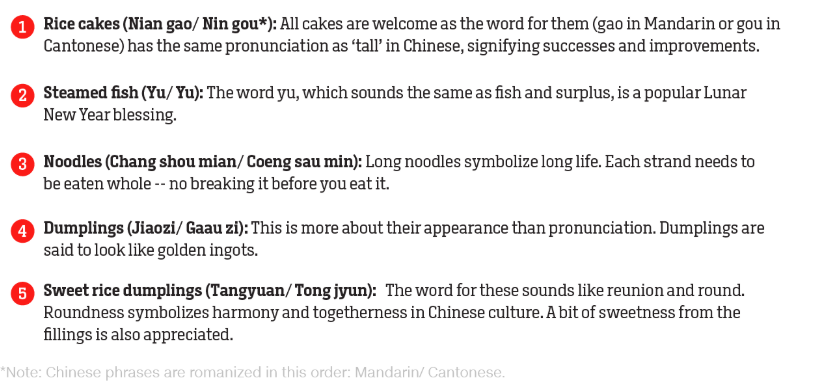
The Chinese New Year celebration, also known as Spring Festival, centers on renewal, luck, and reunion. Preparations start days before New Year’s Eve on February 16, with families cleaning homes to sweep away misfortune and leaving space for good fortune. Reunion dinners featuring symbolic foods—like fish for abundance and dumplings for prosperity—bring families together on the most important night of the year. Decorations in red, believed to ward off evil spirits, fill streets, homes, and public spaces.
Globally, the festival is marked in unique ways. In London, Trafalgar Square and Chinatown host massive parades and performances drawing hundreds of thousands of people; in San Francisco’s Chinatown, flower markets and traditional performances launch weeks of festivities. In Kolkata, Indian celebrations blend dragon dances, lanterns, and feasting, while cities across the United States, from Philadelphia to Las Vegas, hold vibrant events, showcasing lion dances, cultural exhibitions, and community gatherings.
Record-Breaking Travel Patterns and Economic Impact
China’s annual Lunar New Year “Chunyun” travel season is the world’s largest human migration, and in 2026, it’s expanding further. With official holidays running from February 15 to February 23 and extended nationwide travel periods, the number of projected trips within China is historic—more than nine billion journeys as families reunite and tourists explore domestic and international destinations.
This surge isn’t just about culture: it plays an economic role. With a record number of travellers, transportation systems like rail, road, and air are operating at peak capacity, and consumer spending during the festival supports local economies, retail sectors, and tourism industries. Countries offering visa exemptions and extended travel promotions for visitors during this period are benefiting as well, turning the festival into a global economic driver.
Zodiac Significance and Personal Impact
Astrologically, the Fire Horse year carries symbolic traits of passion, speed, courage, and independence. Those born under Horse years often embody these qualities, and 2026 places emphasis on dynamic change and leadership opportunities. According to astrologers, this combination is particularly potent for embracing new ventures and acting boldly rather than hesitating.
For many, even if not born under this sign, the Year of the Fire Horse is seen as an invitation to set ambitious goals and seize opportunities with confidence. Traditions like wearing red clothing or accessories are believed to enhance luck and protect against misfortune, especially for those whose zodiac year cycles align with this period.
Festive Activities and Symbolism Around the World
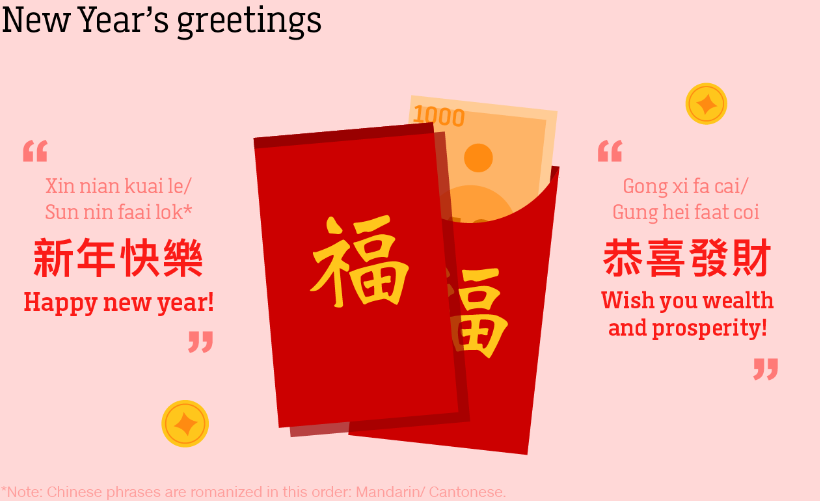
Across Asia and multicultural cities worldwide, the Lunar New Year is a time for colorful parades, dragon and lion dances, lantern festivals, and community feasts. Children receive hongbao—red envelopes with money—as blessings for prosperity. In Australia and London, grand public parades draw diverse crowds celebrating music, dance, and traditional arts.
In smaller communities and local festivals, symbolic practices like placing oranges for prosperity, rolling fruit for luck, and wearing symbolic colors continue to thrive, blending ancient customs with contemporary expressions of cultural identity.
Why the Chinese Lunar New Year 2026 Matters for Everyone
Chinese Lunar New Year 2026 isn’t just a time of celebration—it’s a moment of cultural resurgence, economic activity, and social reconnection. With record travel, global festivities, and the symbolic energy of the Fire Horse, this year underscores how traditions can influence modern life and community spirit. Whether you participate in parades, enjoy symbolic foods, or simply reflect on the meanings of renewal and courage, the impact of this festival resonates far beyond East Asia.
Subscribe to trusted news sites like USnewsSphere.com for continuous updates.