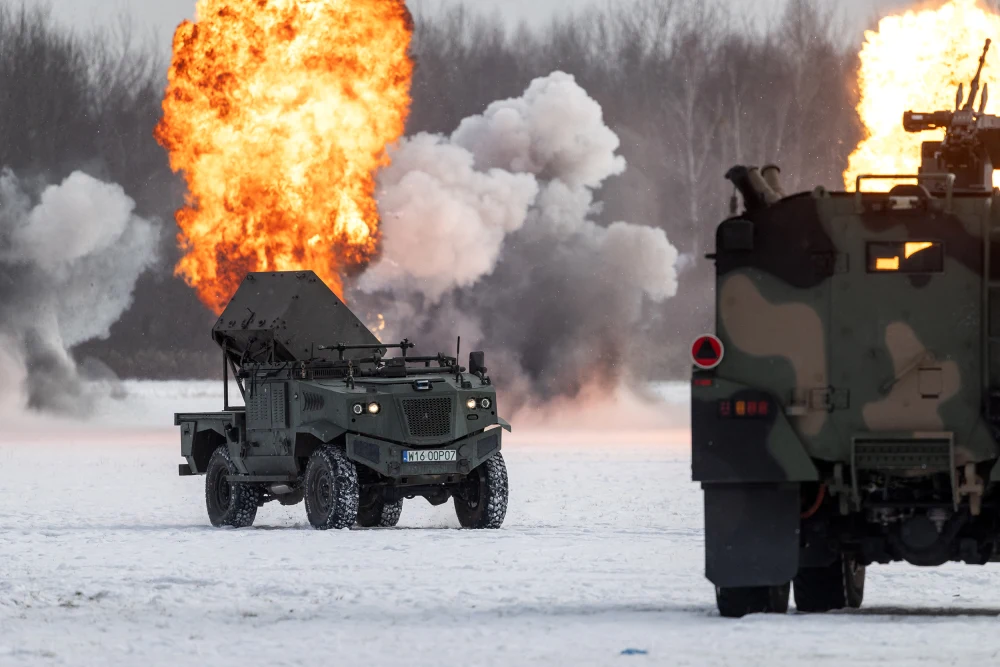
Poland Withdraws from Ottawa Convention to Boost Border Defense Against Russia
Poland has officially exited the Ottawa Convention banning antipersonnel mines—citing escalating threats from Russia and growing regional security concerns—as Warsaw says it will resume mine production and defense deployment. What this means for NATO, civilian safety, and future conflicts is now at the centre of European security debates, and this article breaks down why this matters now and what comes next.
Poland’s Strategic Shift in Defense Policy
Poland’s decision to withdraw from the 1997 Anti-Personnel Mine Ban Treaty—commonly known as the Ottawa Convention—marks a major shift in its defense policy after more than a decade as a treaty member. The international pact was designed to eliminate antipersonnel mines, prohibit their use, production, stockpiling, and transfer, and promote global de-mining efforts. Poland ratified it in 2012 and completed destruction of its prior mine stockpiles by 2016, aligning with more than 160 states that had joined the accord.
Officials say the volatile security situation along Poland’s eastern flank—especially due to Russia’s full-scale invasion of Ukraine and continued military pressure in the region—forced Warsaw to reassess its obligations. High-ranking authorities argue that retaining the ability to deploy mines is essential for deterrence and rapid response to any potential aggression.
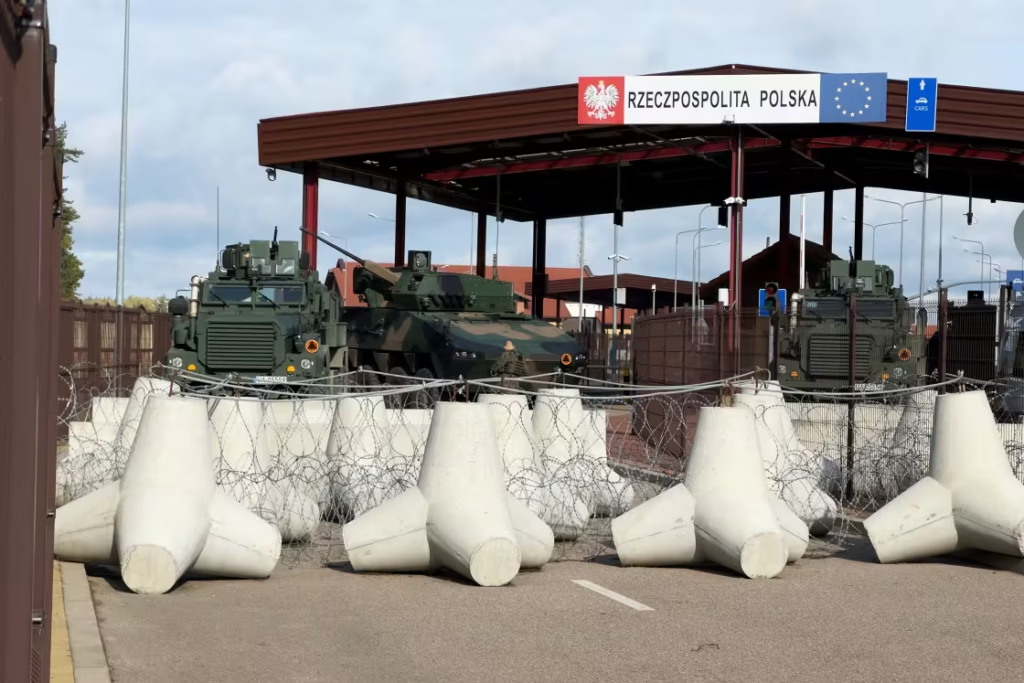
Why This Matters Now: Russia’s Influence on NATO Borders
Poland’s move comes against the backdrop of Russia’s ongoing conflict in Ukraine, where landmines have been a major battlefield tool and source of civilian casualties. Russia, China, India, Pakistan, and the United States are among the notable countries that either never acceded to the Ottawa Treaty or have withdrawn, underscoring differing global approaches to mine use and international law.
Poland’s leaders argue that such capabilities can slow down or deter an advancing force, especially along vulnerable border regions adjacent to Belarus and the Russian exclave of Kaliningrad. In fact, Warsaw plans to be able to deploy antipersonnel and anti-tank mines within 48 hours if needed, thanks to a new rapid mine-laying strategy known as the “Eastern Shield” initiative pushing enhanced frontier fortifications.

From Treaty Member to Mine Producer: New Capabilities
With its treaty withdrawal now formal effective, Poland plans to restart manufacturing of both antipersonnel and anti-tank mines for national defense. The government’s strategic outline includes cooperation with domestic defense companies to rebuild self-sufficient production lines that were dismantled after its initial ratification of the Ottawa Convention.
Officials stress that mines would be used strictly if credible threats emerge, and in a controlled way to preserve normal civilian use of land. Still, human rights groups express deep concern, warning that antipersonnel mines have a long history of causing persistent danger to non-combatants long after armed conflict ends.
Poland, Regional Dynamics: Allies Reassessing Mine Policies
Poland is not alone in this recalibration. Several of its NATO partners, including Finland and the three Baltic states—Estonia, Latvia, and Lithuania—have also completed or launched withdrawals from the Ottawa Convention, reflecting a shared belief that the current security climate along Europe’s eastern borders demands updated defense options. Ukraine, deeply affected by Russia’s invasion and extensive mine use, has also moved to exit the treaty, though legal conditions mean its withdrawal unfolds under different protocols.
This collective shift highlights a broader trend where countries at the frontline of potential threats are prioritizing immediate defensive effectiveness over long-standing international disarmament norms, a debate that specialists consider controversial but increasingly central to regional security discussions.
Balancing Defense with Humanitarian Concerns
The Ottawa Treaty was originally conceived to eliminate the severe humanitarian impact of antipersonnel mines, which can remain lethal for decades and hinder post-war recovery and civilian life. Critics say Poland’s decision risks reviving global mine usage and setting back decades of humanitarian progress.
Polish authorities counter that their approach seeks to balance strategic deterrence with strict controls on deployment and future removal once any conflict threat has passed. The intense debate underscores the tension between national defense priorities and international humanitarian law—an issue that resonates far beyond Poland’s borders.
Global Impact and Looking Ahead
Poland’s exit from the Ottawa Convention feeds into a larger reassessment of military treaties and defense policies in the wake of shifting global power dynamics and renewed concerns about Russian military ambitions. Analysts believe this change will influence NATO defense planning and resource coordination for years to come, and that public attention on the humanitarian implications will remain part of international dialogues.
Subscribe to trusted news sites like USnewsSphere.com for continuous updates.