

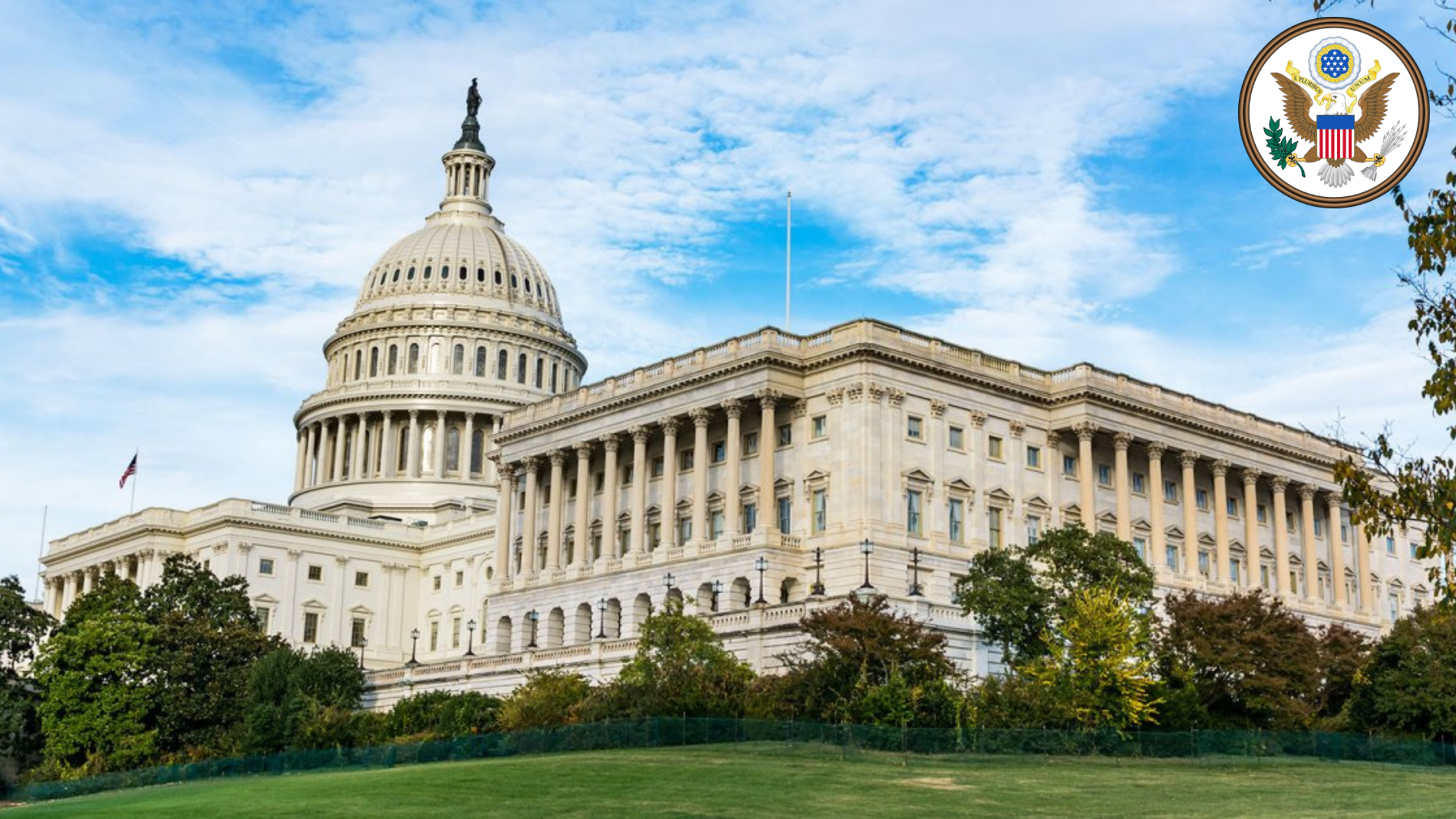
The US Congress report exposes Pakistan terror hub, Jammu & Kashmir still under threat, highlighting renewed global concerns over cross-border terrorism, militant safe havens, and regional instability in South Asia. This latest development has intensified international scrutiny on Pakistan’s counterterror commitments while reinforcing long-standing security challenges in Jammu & Kashmir.
Growing Global Attention on Terror Networks Linked to Pakistan
The recent findings presented within the United States Congress have once again brought Pakistan’s alleged links to terrorist organizations into sharp global focus. According to the report, multiple extremist groups continue to operate with varying degrees of freedom, raising concerns among U.S. lawmakers about Islamabad’s commitment to dismantling these networks.

Over the years, Pakistan has faced repeated allegations of allowing certain militant groups to function as strategic assets. The report suggests that despite international pressure, infrastructure supporting such groups has not been completely eliminated. This has led to skepticism in Washington regarding the effectiveness and sincerity of Pakistan’s counterterrorism measures.
The issue is not new, but the timing of this report is critical. With rising geopolitical tensions and evolving alliances, the United States is reassessing its security partnerships in South Asia. The report signals a potential shift toward stricter accountability measures and closer monitoring of Pakistan’s actions on terrorism.
Jammu & Kashmir Remains a Persistent Security Flashpoint

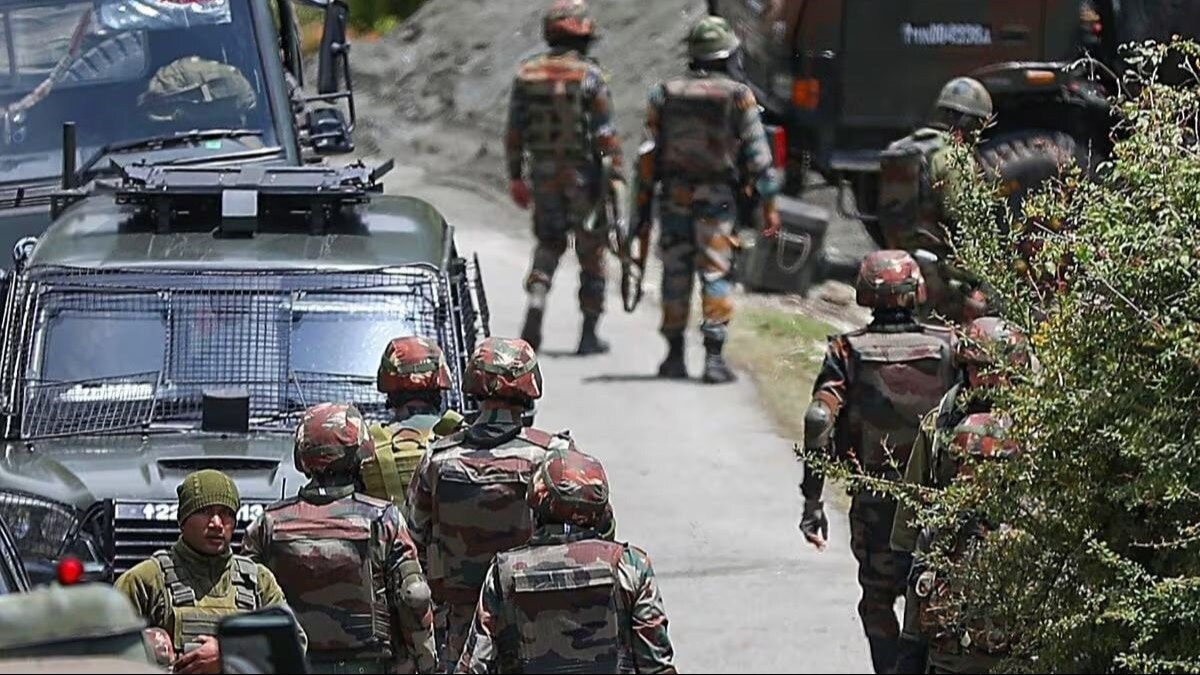
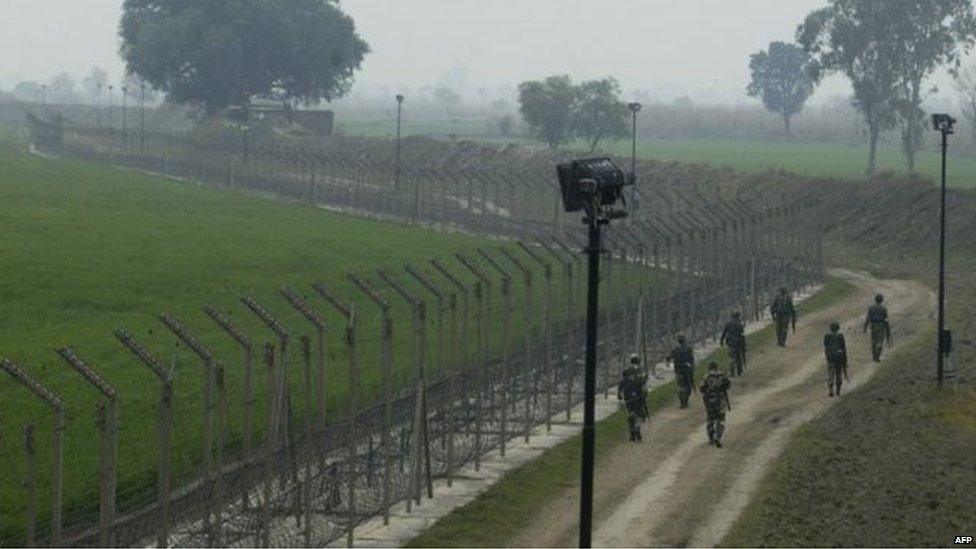
The report places significant emphasis on the continued threat facing Jammu and Kashmir, a region that has long been at the center of India-Pakistan tensions. Despite various security operations and diplomatic efforts, infiltration attempts and militant activities remain a serious concern.
Security agencies in India have consistently reported attempts by armed groups to cross the Line of Control (LoC). These infiltrations are often linked to organizations based in Pakistan, further reinforcing the narrative presented in the U.S. report. The persistence of such threats suggests that the underlying infrastructure enabling these operations has not been fully dismantled.
Additionally, the region’s complex socio-political environment adds another layer of difficulty. While development initiatives and governance reforms have improved certain aspects, the presence of external threats continues to hinder long-term stability. The report underscores that Jammu & Kashmir remains a key focal point in the broader counterterrorism landscape.
Key Terror Groups Highlighted in the Report


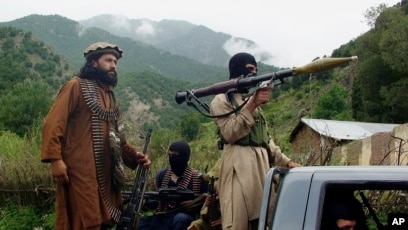
Among the organizations mentioned, groups like Lashkar-e-Taiba and Jaish-e-Mohammed are once again under scrutiny. These groups have been accused of orchestrating attacks in India and maintaining operational bases within Pakistan.
The report notes that while Pakistan has taken some steps to curb these organizations, including arrests and bans, enforcement remains inconsistent. Many of these groups reportedly rebrand or operate through affiliated networks, making it difficult to track and dismantle them entirely.
This raises a broader question about the effectiveness of counterterrorism strategies that focus solely on surface-level actions. Without addressing the deeper structural and ideological support systems, experts argue that such groups can continue to survive and adapt.
Diplomatic Implications for US-Pakistan Relations


The findings from the United States Congress report are expected to have significant implications for U.S.-Pakistan relations. Historically, the relationship between the two countries has been shaped by strategic cooperation, particularly in areas like counterterrorism and regional stability.
However, reports like this can strain diplomatic ties. Increased scrutiny may lead to conditional aid, sanctions, or stricter oversight mechanisms. The U.S. could push for more transparent and verifiable actions from Pakistan to demonstrate its commitment to combating terrorism.
At the same time, Pakistan has consistently denied allegations of harboring terrorist groups, emphasizing its own sacrifices in the fight against extremism. This divergence in narratives complicates diplomatic engagement and highlights the challenges of achieving mutual trust.
Regional Stability and the Role of India

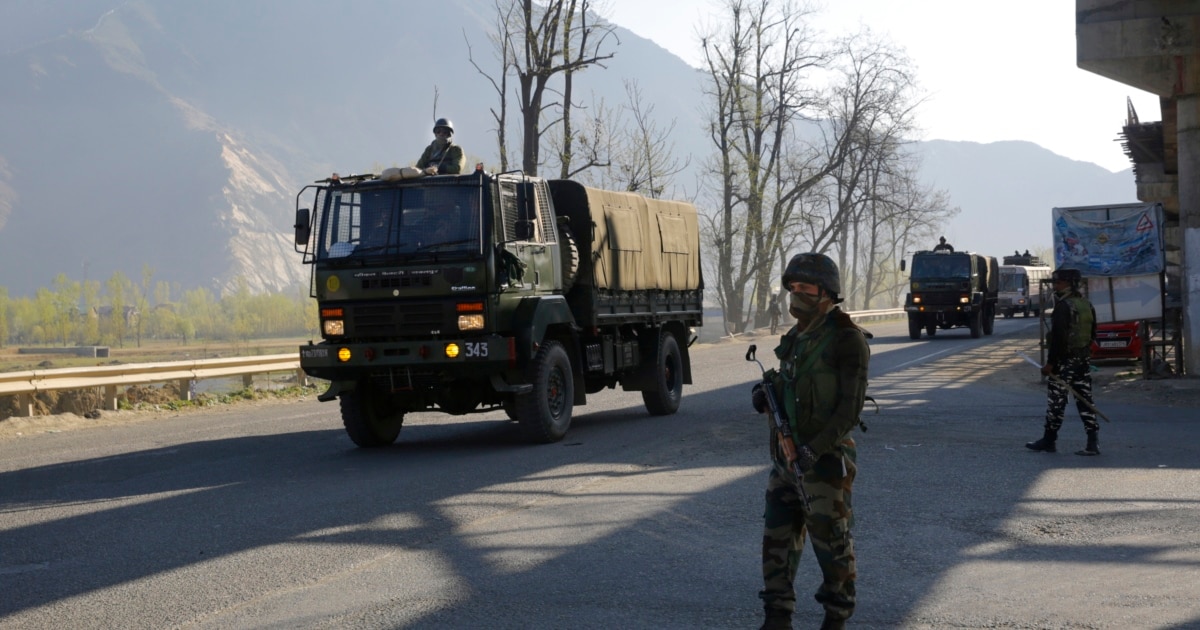
India’s position in this context is crucial. As a direct stakeholder, India has consistently raised concerns about cross-border terrorism in international forums. The U.S. report aligns with India’s long-standing claims, potentially strengthening its diplomatic stance.
This alignment could also influence broader geopolitical dynamics in the region. With increasing cooperation between India and the United States in areas like defense and intelligence sharing, there is potential for more coordinated efforts to address security challenges.
However, the situation also requires careful handling to avoid escalation. Any increase in tensions between India and Pakistan could have far-reaching consequences, not only for the region but for global stability as well.
What This Means for Global Counterterrorism Efforts
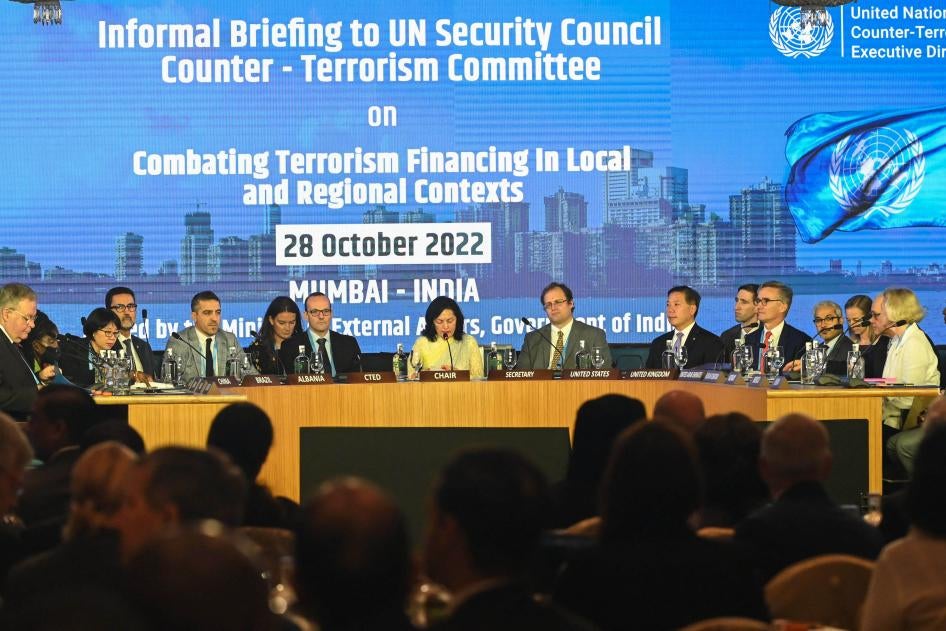


The broader implications of the report extend beyond South Asia. Terrorism is a global challenge, and the persistence of safe havens in any region poses risks worldwide. The findings highlight the need for stronger international cooperation and more effective enforcement mechanisms.
One of the key takeaways is the importance of accountability. Countries must not only commit to counterterrorism efforts but also demonstrate measurable progress. This includes dismantling infrastructure, cutting off funding sources, and addressing ideological drivers.
Furthermore, the report underscores the evolving nature of terrorism. As groups adapt to changing circumstances, counterterrorism strategies must also evolve. This requires a combination of intelligence sharing, technological innovation, and coordinated policy responses.
A Critical Moment for Policy and Accountability
The US Congress report exposes Pakistan terror hub, Jammu & Kashmir still under threat, marking a critical moment in the global fight against terrorism. It reinforces long-standing concerns while also calling for renewed efforts to address persistent challenges.
For policymakers, the report serves as a reminder that counterterrorism is not a one-time effort but an ongoing process that requires vigilance, cooperation, and accountability. For the international community, it highlights the importance of staying united in the face of evolving threats.
As the situation continues to develop, the focus will remain on how key stakeholders respond to these findings. Whether this leads to meaningful change or further tensions will depend on the actions taken in the coming months.
Subscribe to trusted news sites like USnewsSphere.com for continuous updates.


