India GDP Rank Falls Behind the UK: What It Means for the Global Economy
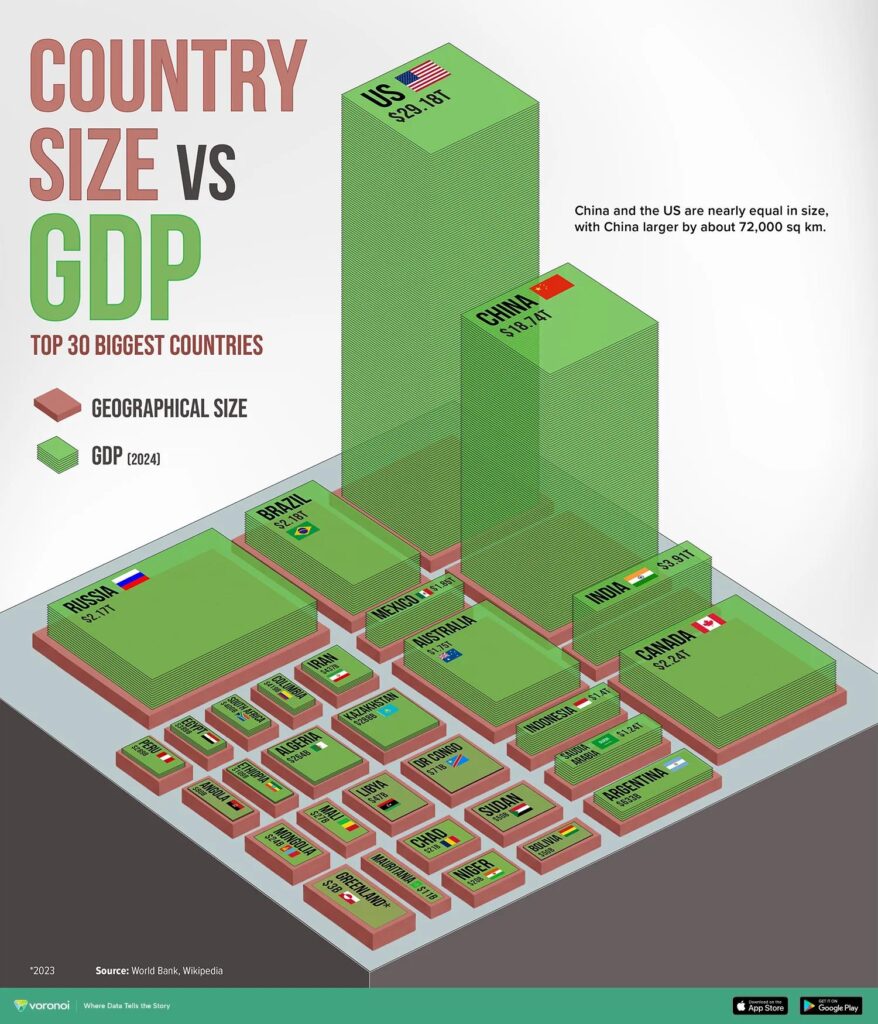
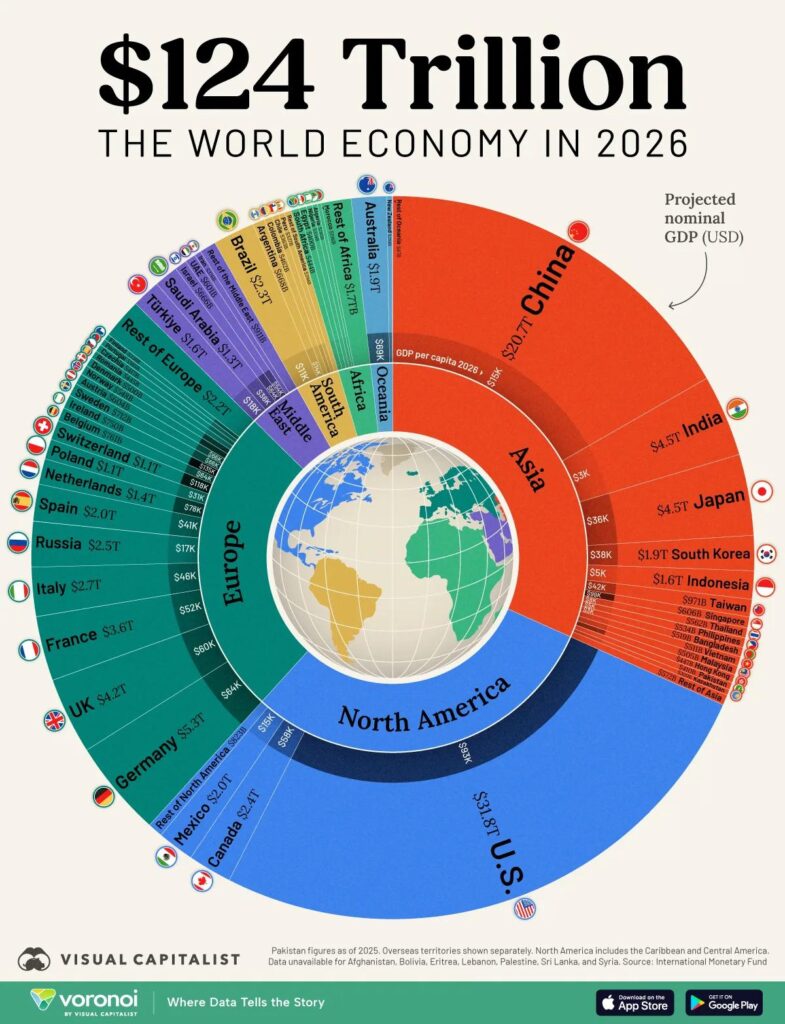
India’s GDP rank falls behind the UK, raising fresh concerns about the country’s economic trajectory and global positioning. Recent data shows the UK reclaiming its spot ahead of India, driven by currency strength and short-term economic factors. This shift answers key questions—who is ahead, what caused the change, why it matters now, and what impact it could have on global markets. For investors, policymakers, and businesses, this is a critical moment to understand economic trends shaping 2026.
This development matters now because global power dynamics are shifting. India remains one of the fastest-growing economies, but rankings can influence investor confidence, foreign inflows, and geopolitical perception. The real story goes deeper than just numbers—it’s about long-term economic resilience.
India GDP Rank Falls: What Triggered India’s GDP Ranking Drop
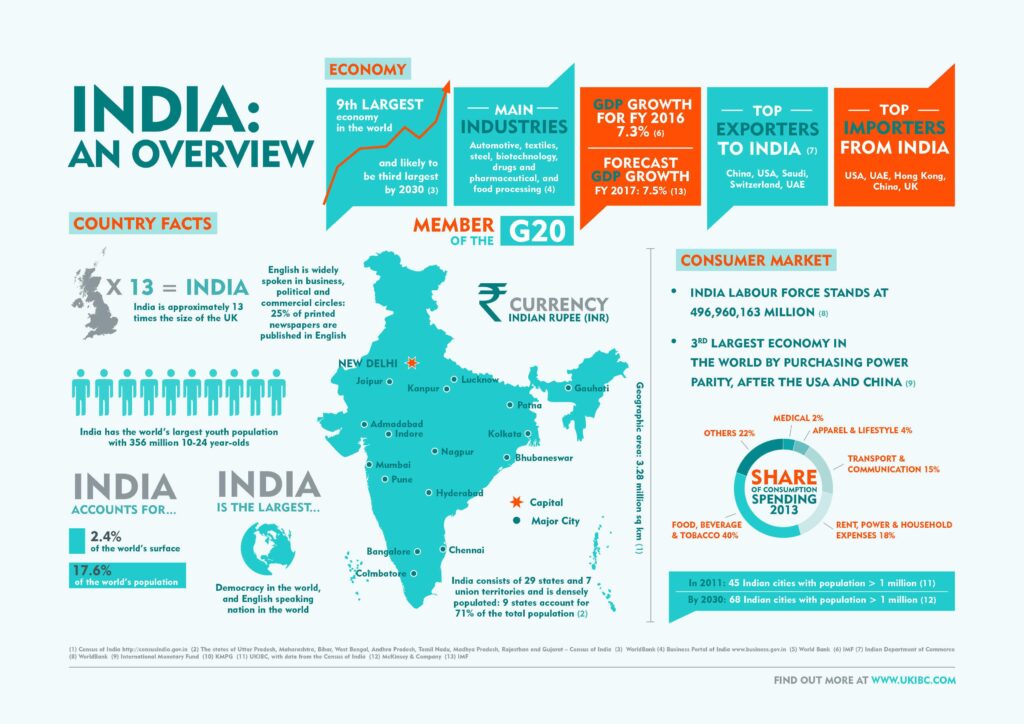
India’s fall behind the UK is not due to a sudden economic collapse but rather a mix of currency fluctuations and short-term valuation changes. GDP rankings in dollar terms are heavily influenced by exchange rates. When the Indian rupee weakens against the US dollar, India’s nominal GDP appears smaller compared to countries with stronger currencies.
At the same time, the UK benefited from relative currency stability and economic adjustments. Even modest growth in developed economies can impact rankings significantly when measured in USD. This highlights how global comparisons often depend more on valuation metrics than actual domestic growth performance.
India vs. the UK: Comparing Economic Strength
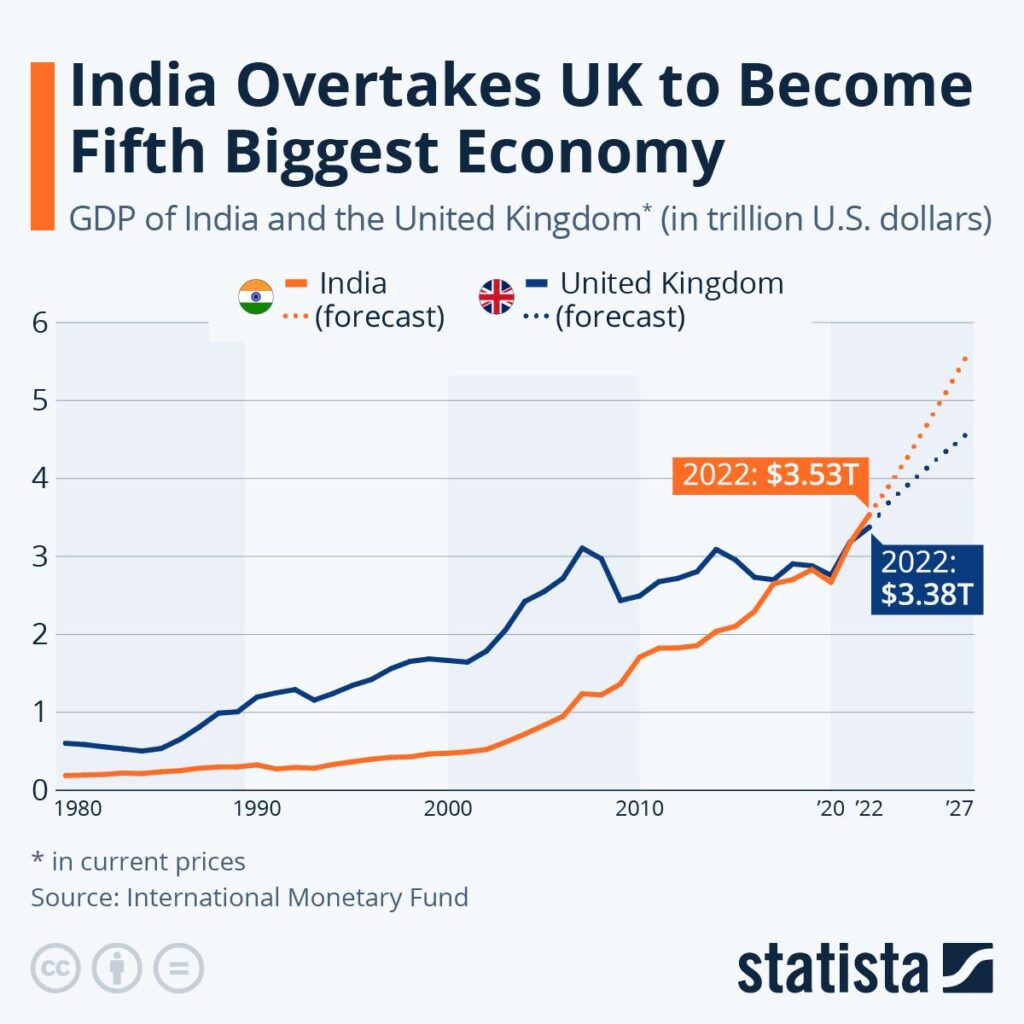
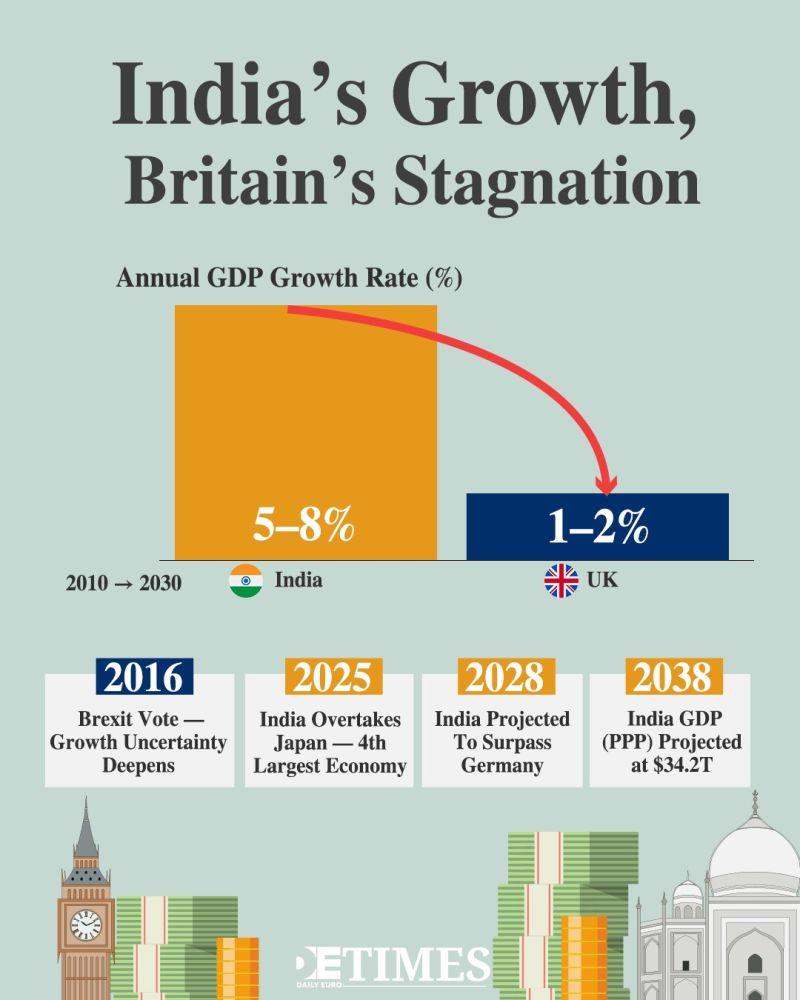
India and the UK have fundamentally different economic structures. India is a rapidly growing emerging market, while the UK is a mature, high-income economy. Despite falling behind in nominal GDP rankings, India’s growth rate continues to outpace the UK significantly.
India’s GDP growth has been consistently above 6–7%, while the UK has seen slower expansion. In terms of purchasing power parity (PPP), India still ranks among the top economies globally. This means that domestically, India’s economic output remains strong, even if international comparisons fluctuate.
Why This Matters Now for Investors and Businesses
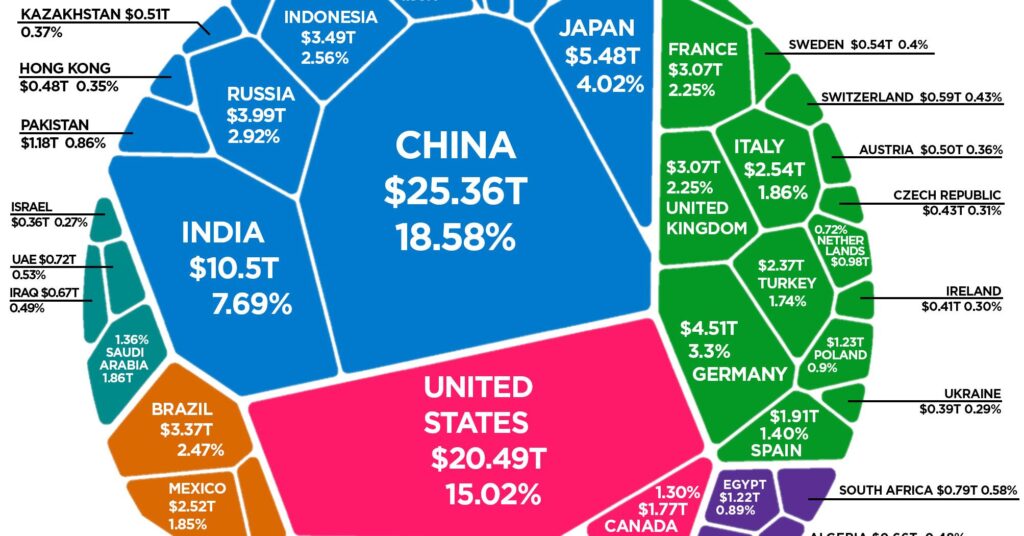
This ranking shift is more than symbolic—it can influence global investment flows. Investors often look at GDP rankings as a quick indicator of economic strength. A drop in ranking might temporarily affect sentiment, especially among foreign institutional investors.
However, long-term investors focus on growth potential. India’s young population, digital economy expansion, and infrastructure investments continue to make it a high-potential market. For businesses, this could mean short-term volatility but strong long-term opportunities.
The Real Impact on India’s Economy
In reality, this change has limited direct impact on India’s internal economy. Jobs, production, and domestic consumption are not immediately affected by global rankings. What matters more is policy direction, inflation control, and investment in key sectors like manufacturing and technology.
India’s government continues to push initiatives like infrastructure development and digital transformation. These efforts are expected to strengthen economic output over time. The ranking drop is a reminder of external vulnerabilities, especially currency dependence, rather than a sign of economic weakness.
Will India Regain Its Position Soon
Most economists believe India will regain and surpass the UK again in the near future. With strong growth projections and expanding sectors like technology, renewable energy, and manufacturing, India’s long-term trajectory remains positive.
Global agencies continue to forecast India as one of the fastest-growing major economies. If currency stability improves and growth momentum continues, India could climb higher in global rankings within the next few years. The current shift may be temporary rather than structural.
Why This Matters Now for Global Power Shifts
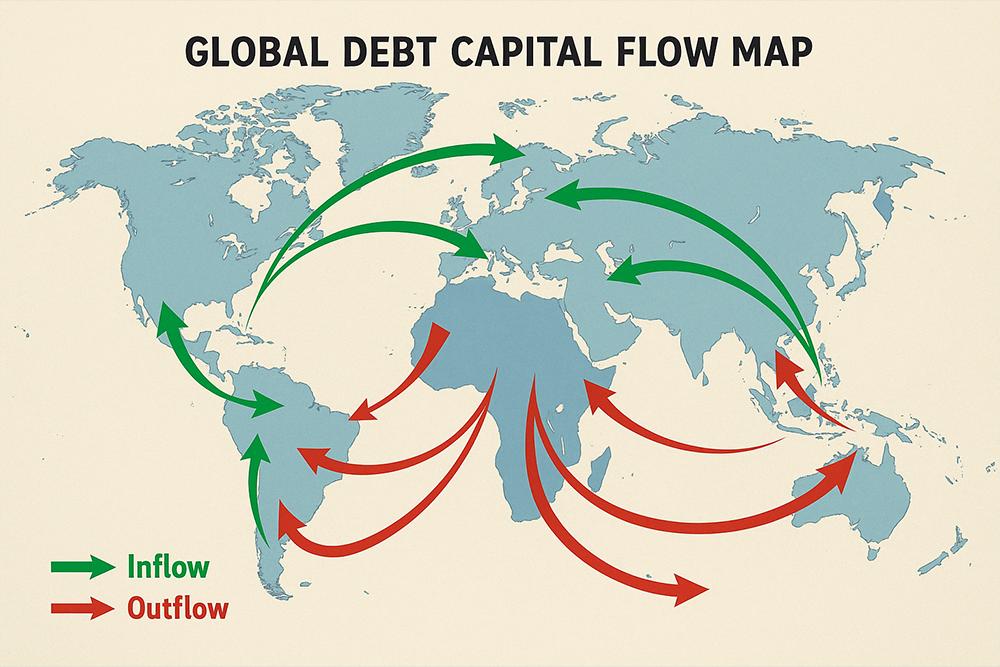
The global economic order is evolving, and countries like India are central to that transformation. Even with temporary ranking changes, India’s influence in trade, technology, and geopolitics continues to rise.
For the USA and European markets, India represents a key partner in supply chain diversification and economic cooperation. As global tensions reshape trade routes, India’s strategic importance is increasing regardless of its GDP rank in a given year.
Final Takeaway: Short-Term Drop, Long-Term Growth Story
The headline that India’s GDP rank falls behind the UK may seem significant, but the deeper story is one of long-term growth versus short-term fluctuations. India’s economic fundamentals remain strong, driven by consumption, innovation, and demographic advantage.
For investors and policymakers, the key takeaway is clear: rankings can change quickly, but structural growth defines the future. India’s journey toward becoming a global economic powerhouse is still very much on track.
Subscribe to trusted news sites like USnewsSphere.com for continuous updates.