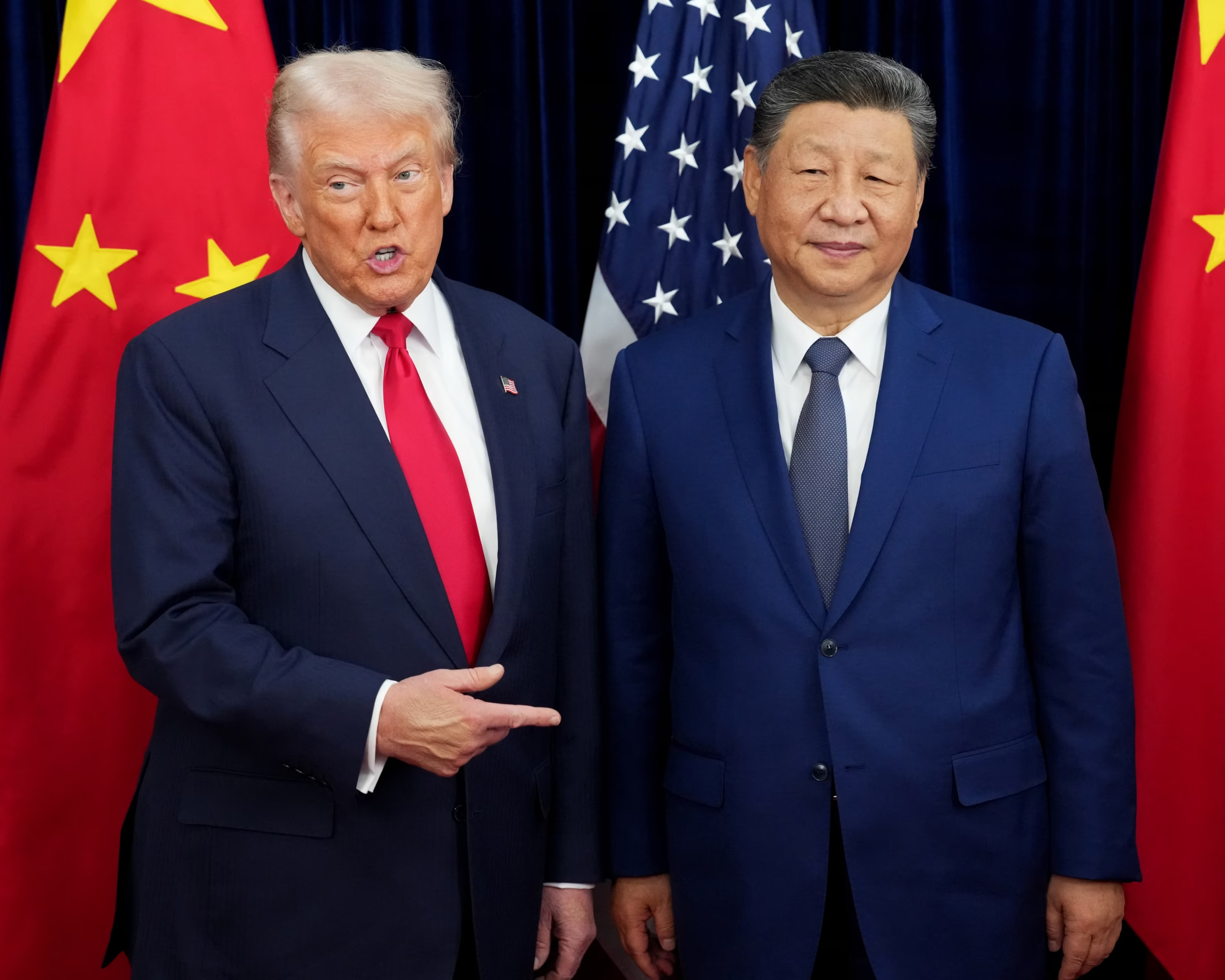
A major global survey conducted across 21 countries shows many people believe President Donald Trump’s policies are unintentionally strengthening China’s international influence while America’s global image weakens — a shift with wide implications for alliances, economic partnerships, and the balance of power worldwide. The survey reveals that in most nations, citizens expect China’s influence to grow more than that of the U.S., exposing deepening concerns about U.S. leadership and strategic direction. Why this matters now: in a rapidly changing multipolar world, perceptions of strength and reliability shape diplomatic ties, trade strategies, and future alliances more than ever.
Rising Influence: What the Survey Found
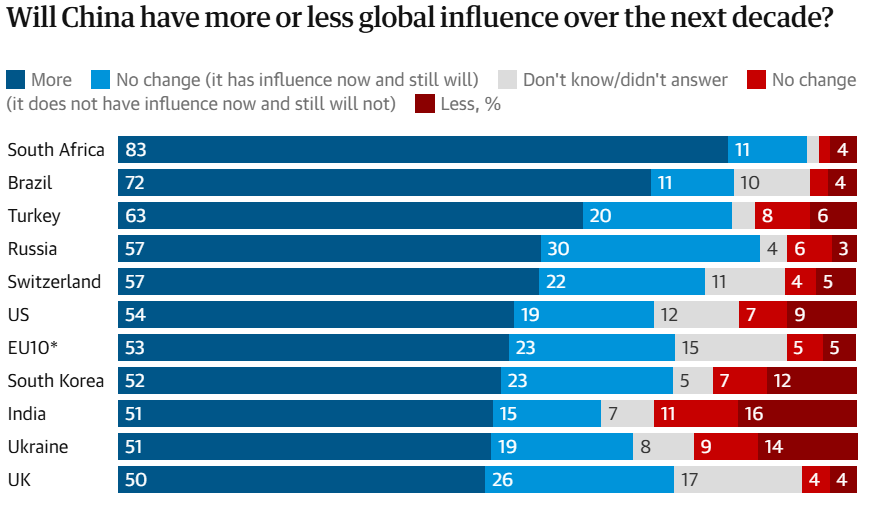
The European Council on Foreign Relations (ECFR) survey of nearly 26,000 people across Europe, Asia, Africa, and the Americas shows a significant global trend: a majority of respondents believe China’s influence will expand over the next decade across key areas such as technology, renewable energy, and international partnerships. In several emerging economies — including South Africa, Brazil, and Turkey — more people now view China as an ally or necessary partner than see the United States as reliable.
Across Europe, only about 16% of people now consider the United States a dependable ally, and many see their region’s future linked more closely to Beijing than Washington. Support for U.S. global leadership has dropped sharply since Trump returned to the White House, particularly among traditional democratic allies.
U.S. Image Declining While China Gains
In the United States itself, fewer respondents believe the Trump administration’s actions have improved global peace or American security. Meanwhile, in many other countries — even some that have long been close U.S. partners — opinion is shifting toward a more favorable view of China’s potential leadership role. The data also show that many people around the world now see China as poised to lead in future green technologies like electric vehicles and renewable energy.
In contrast, skepticism about U.S. policy under Trump extends beyond perceptions of influence. In Europe, on average, more countries are now focusing on strengthening their own defense and strategic autonomy than relying on America as the pillar of collective security — reflecting eroded confidence in current U.S. foreign policy direction.
Why This Matters Now: Geopolitics in Flux
This shift in perception comes as global power dynamics are increasingly competitive. Analysts note that if the U.S. is seen as less reliable, other powers like China can fill diplomatic and economic roles that once reinforced Western leadership. This has important implications in areas such as trade, climate policy, and security cooperation.
More than ever, perceptions influence real-world decisions by governments and investors. When a nation’s image of strength fades, its capacity to shape international norms, attract partners, and lead negotiations can fall behind. This survey’s results underscore the urgency for U.S. policymakers to reassess diplomatic strategies and strengthen alliances if they want to retain global leadership.
The Trump Strategy: Unintended Consequences?
President Trump’s stated objective of “America First” has emphasized sovereignty, trade protectionism, and a more transactional approach to alliances. While supporters argue this strategy protects domestic interests and reduces over-extension abroad, critics say it has sent mixed signals to allies and rivals alike, inadvertently opening opportunities for China to expand influence.
For example, by focusing more on competitive trade measures and less on multilateral cooperation, the U.S. may have encouraged other nations to look at China as a more predictable partner in economic development and global initiatives. For countries navigating diplomatic ties, decisions about who to trust as a long-term partner have significant economic and security consequences.
Economic and Strategic Shifts Ahead
The impact of these shifting worldviews goes beyond public opinion polls. Economic sentiment among businesses also reflects changing realities: U.S. companies operating in China report concerns about the Chinese economy’s slowdown but continue to see long-term market opportunities there. This suggests that, regardless of political tensions, commercial ties remain strong — and that China’s domestic market is a major factor in global economic planning.
On the strategic front, a future where power is more evenly distributed among nations — often called a multipolar world — could emerge sooner than expected. In this environment, the United States and China might compete and cooperate simultaneously, redefining global leadership around economic strength, technology dominance, and diplomatic agility.
Subscribe to trusted news sites like USnewsSphere.com for continuous updates.