Japan Snow Disaster: 35 Dead & Nearly 400 Injured as Avalanche Risks Rise
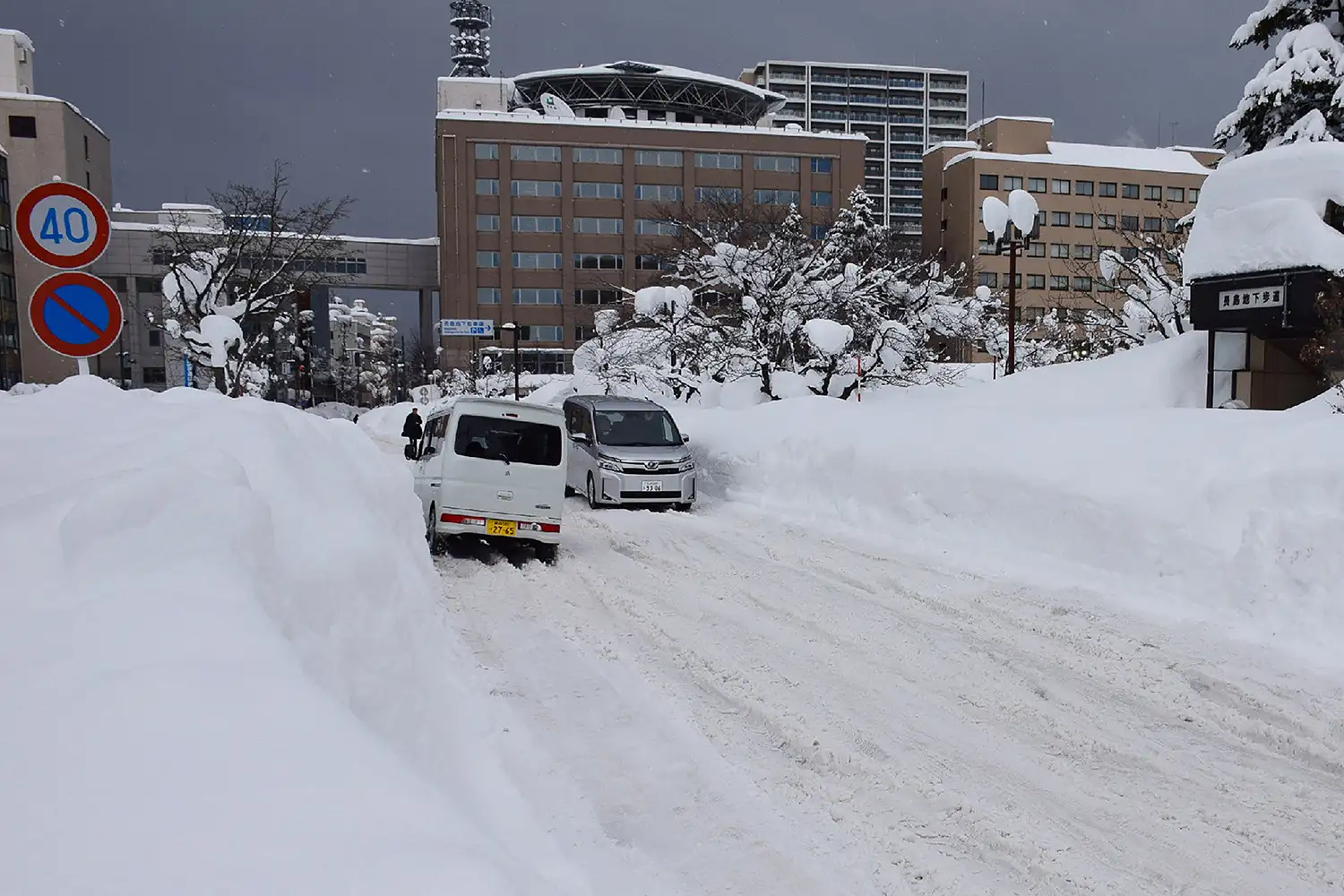
A devastating winter storm in northern Japan has killed at least 35 people and injured nearly 400 others as relentless snowfall of up to roughly 6.5 feet (2 meters) blankets major regions and disrupts daily life. The tragedy stems from more than two weeks of intense snow accumulation, with authorities warning that rising temperatures could soon trigger dangerous avalanches and hazardous snow collapses from rooftops and slopes. This event is one of the most severe snow disasters in Japan in years, marking major impacts on transport, communities, and emergency services across multiple prefectures.
How the Extreme Snowfall Unfolded
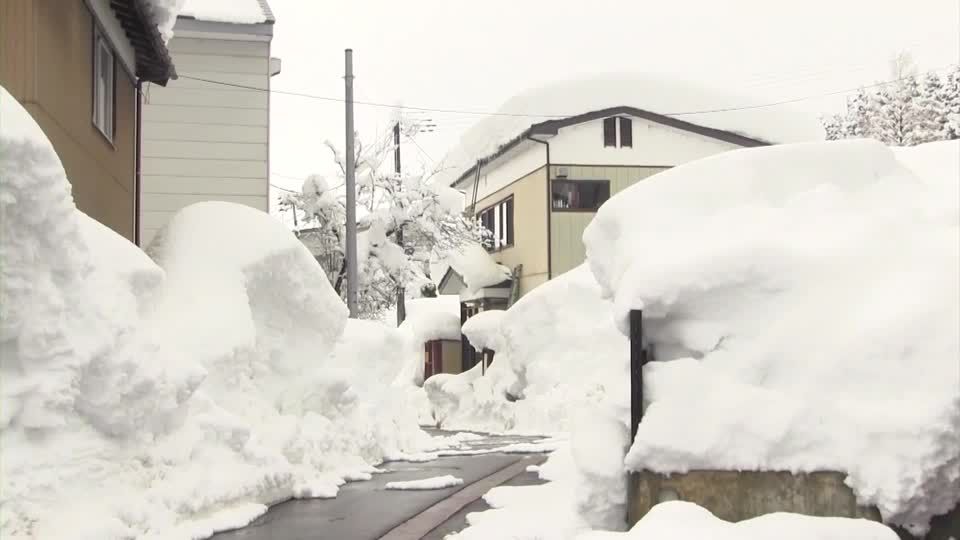
Northern and western parts of Japan, including heavily populated regions like Niigata and Aomori, have been under nonstop snowfall since late January, driven by a persistent Arctic air mass and sea-effect snow patterns that Japan’s meteorological service says are unusually intense this winter. In some localities, snow depths have exceeded two meters, far surpassing seasonal norms and breaking decades-old records. Roads, rail lines — including bullet trains — and airports have been blocked or suspended as crews struggle to clear drifts that tower over vehicles and buildings.
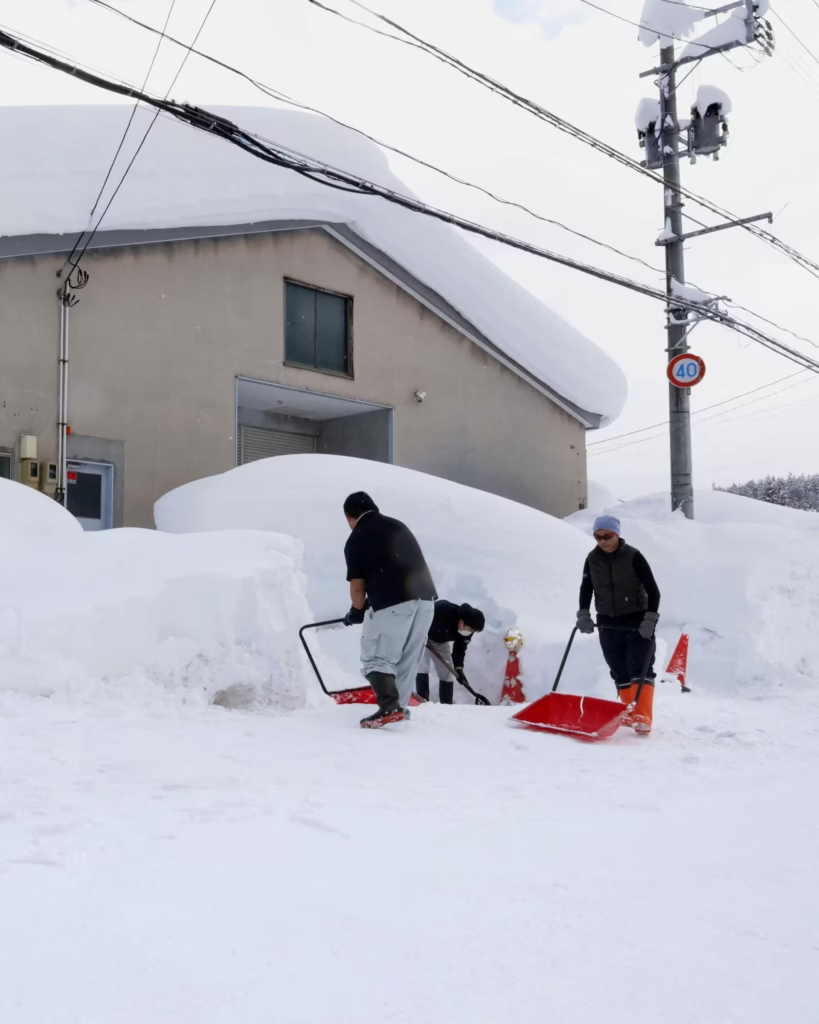
Emergency teams say many of the casualties occurred during snow-removal efforts, with residents slipping from roofs while trying to clear thick accumulations and others suffering sudden medical emergencies amid strenuous physical exertion in the cold. Many communities remain cut off, complicating rescue efforts as emergency responders often have to reach victims on foot.
Avalanche Warnings & Rising Risks
Authorities have raised urgent warnings about possible avalanches as temperatures begin to rise, which can quickly destabilize heavy snowpacks. Officials say melting snow can slide off mountain slopes or rooftops, posing new threats to residents already grappling with dangerous conditions. People are being advised to avoid unnecessary travel, stay clear of steep hills, and ensure that snow removal is done with safety gear and, if possible, professional assistance.
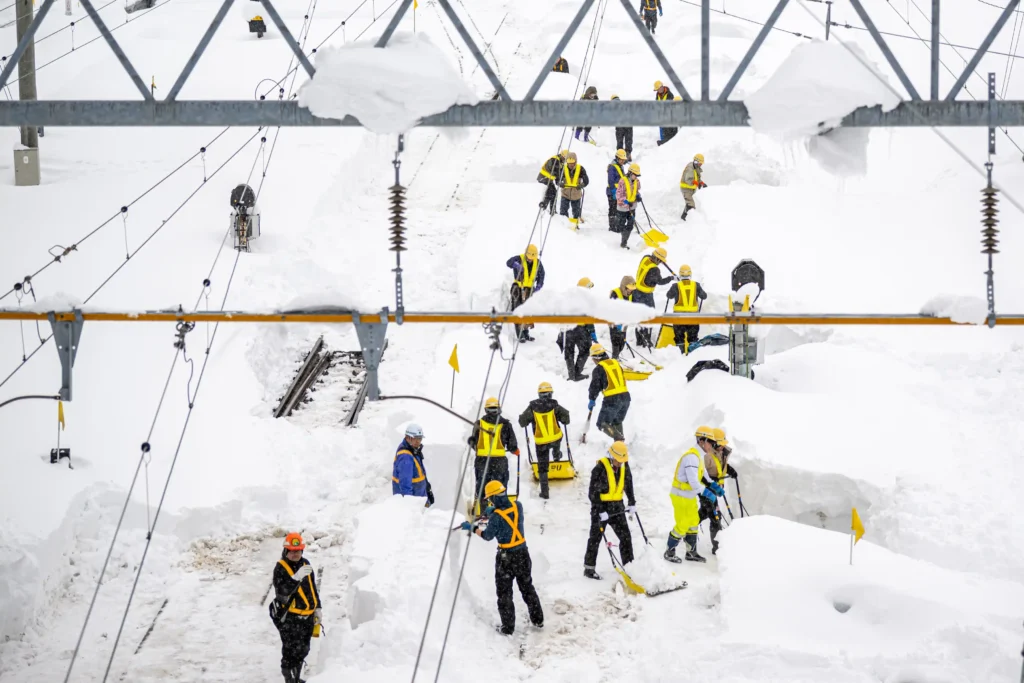
The Japan Ground Self-Defense Force is working alongside local disaster crews to help clear roads, open access routes, and reach stranded residents, especially in areas like Aomori, where homes are buried under massive snow drifts. Schools and many businesses in affected regions have closed temporarily to protect children and workers from ongoing hazards.
Japan Snow Disaster: Why This Matters Now
This winter’s storm comes at a critical time, with parts of Japan experiencing one of the deepest snow seasons in several decades. The severity has overwhelmed local infrastructure, leading to widespread power outages and emergency response strain. Even as snow begins to melt in some areas, officials warn that the transition to warmer weather may paradoxically heighten dangers such as landslides and roof collapses.
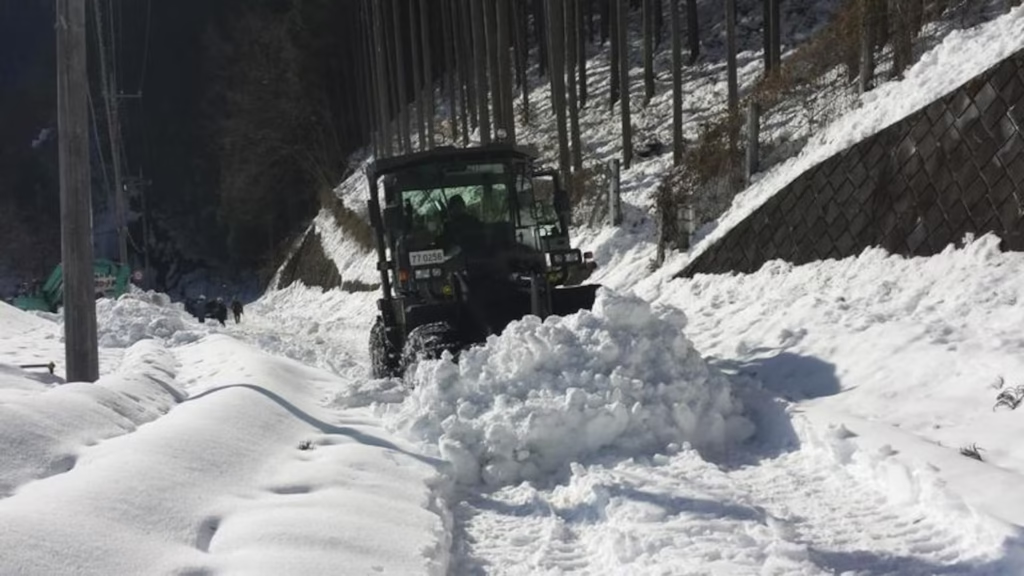
Experts say that climate patterns could be contributing to more volatile winter weather in the region, leading to unpredictable snowfall intensity and sudden melts that stress both communities and rescue systems. For residents unaccustomed to such extremes — especially older individuals clearing snow manually — the physical risks increase quickly.
Transportation and Daily Life Disruptions
Trains, highways, and local transit have been severely affected. Most rail services, including high-speed lines that are vital for travel between cities, remain suspended in the hardest-hit areas due to blocked lines and snow-covered tracks. Airports have also faced cancellations and delays, leaving many travelers stranded.
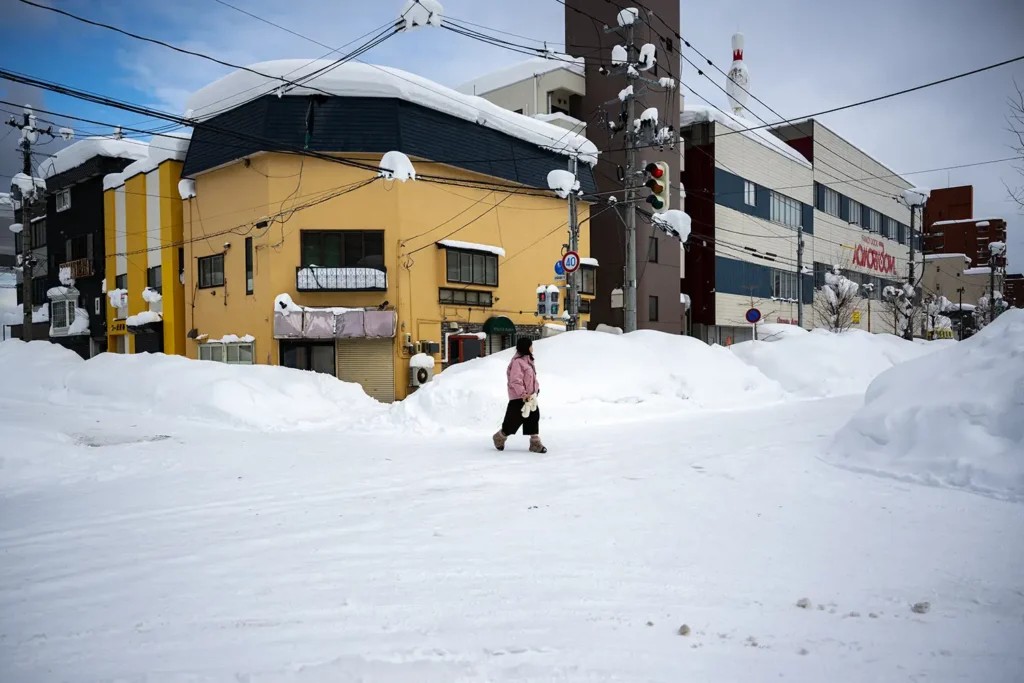
With temperatures fluctuating, crews continue 24/7 operations to keep key routes open, though mounting snow on major highways and rural roads is complicating the task. Many residents have resorted to clearing paths by hand — sometimes with tragic consequences.
Local Community & Government Response
Local governments are urging people not to risk their safety, especially the elderly and those with pre-existing health conditions, as shoveling snow can quickly lead to exhaustion or cardiac strain. There are also efforts to set up more community response teams to assist isolated families and ensure food, water, and medical supplies reach them despite transportation hurdles.
Japanese officials have pledged continued support, with national and regional task forces coordinating to deploy additional resources, including snow-melting equipment and emergency shelters for those displaced by the storm’s impacts.
The effects of this storm — from tragic loss of life to infrastructure strain and economic disruptions — will be felt long after the snow stops falling, especially in areas that rely heavily on transport and tourism. As rescue and recovery efforts continue, residents and authorities alike are bracing for ongoing challenges ahead.
Subscribe to trusted news sites like USnewsSphere.com for continuous updates.