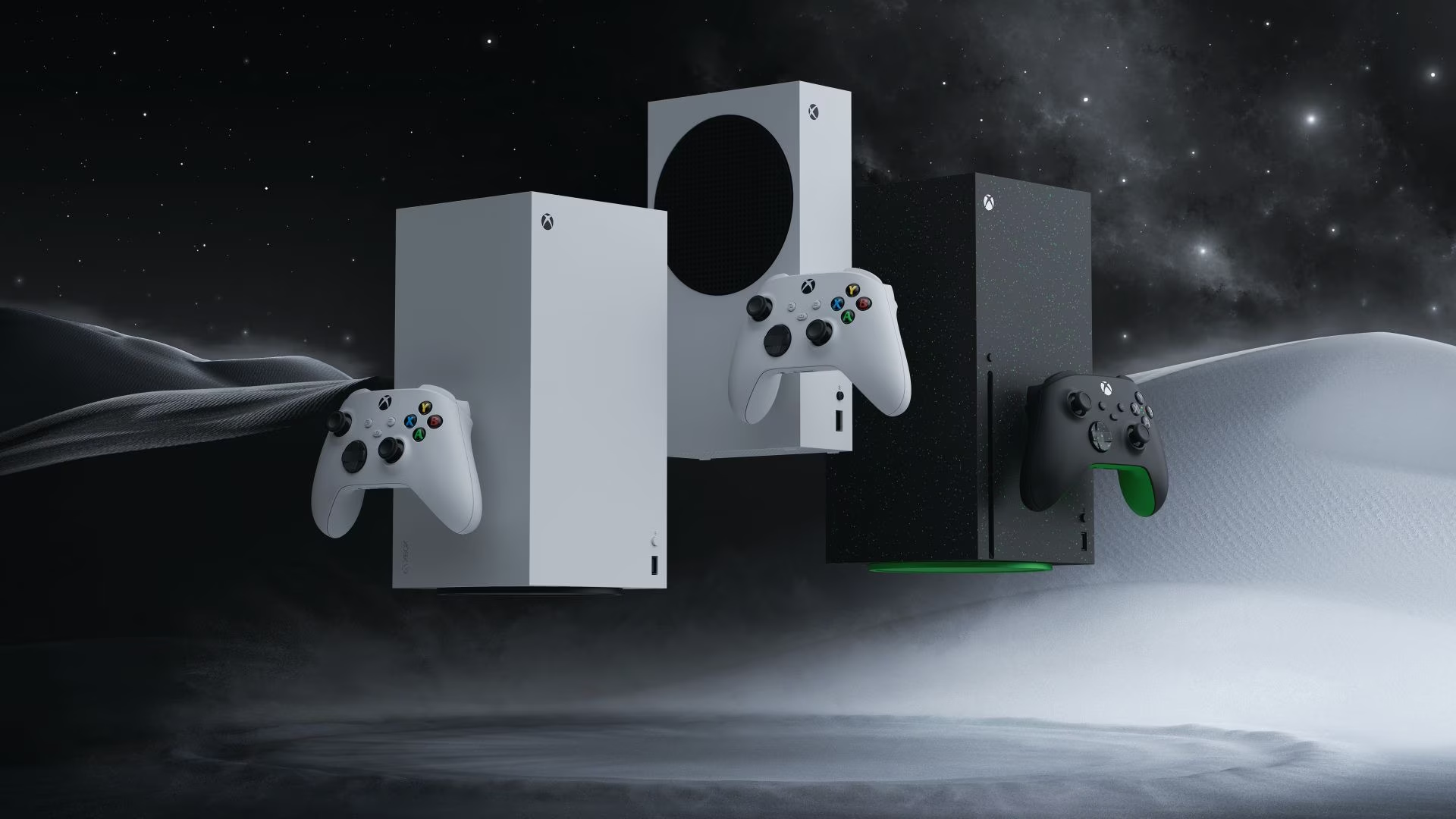
Xbox Project Helix is Microsoft’s newly confirmed next-generation gaming console designed to blur the line between console and PC gaming. The announcement, confirmed by Microsoft executives in early 2026, reveals that the upcoming Xbox platform will support both traditional Xbox games and PC titles, signaling a major shift in how console ecosystems operate. The company’s goal is clear: unify gaming libraries, attract PC players, and strengthen the Xbox ecosystem against competitors.
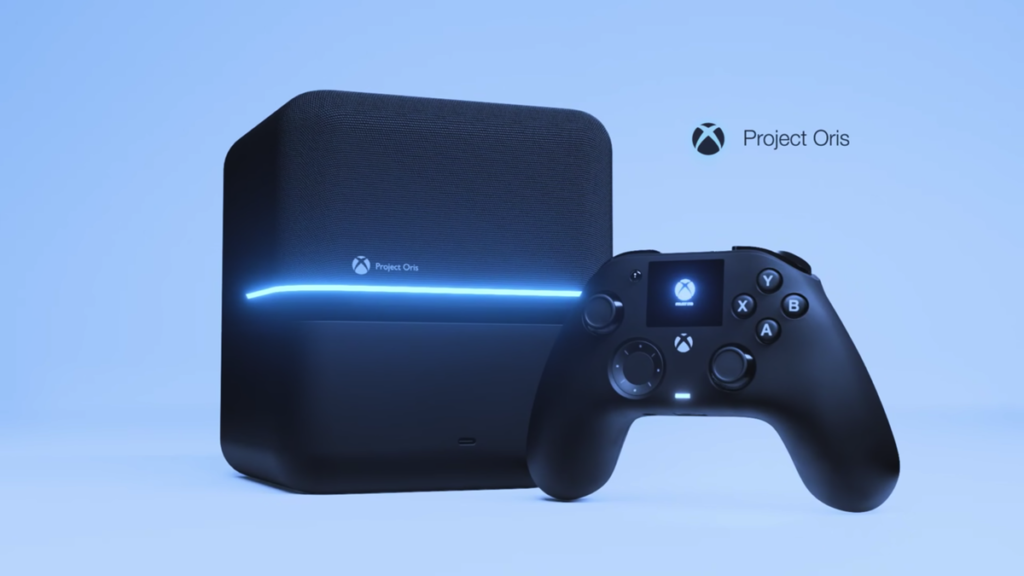
Who is behind the announcement? Microsoft and the Xbox leadership team. What is Project Helix? A next-generation Xbox console with deeper PC integration. Why does it matter? Because it could reshape the gaming industry by combining console simplicity with PC flexibility. The impact could be significant for developers, players, and the future of Xbox hardware.
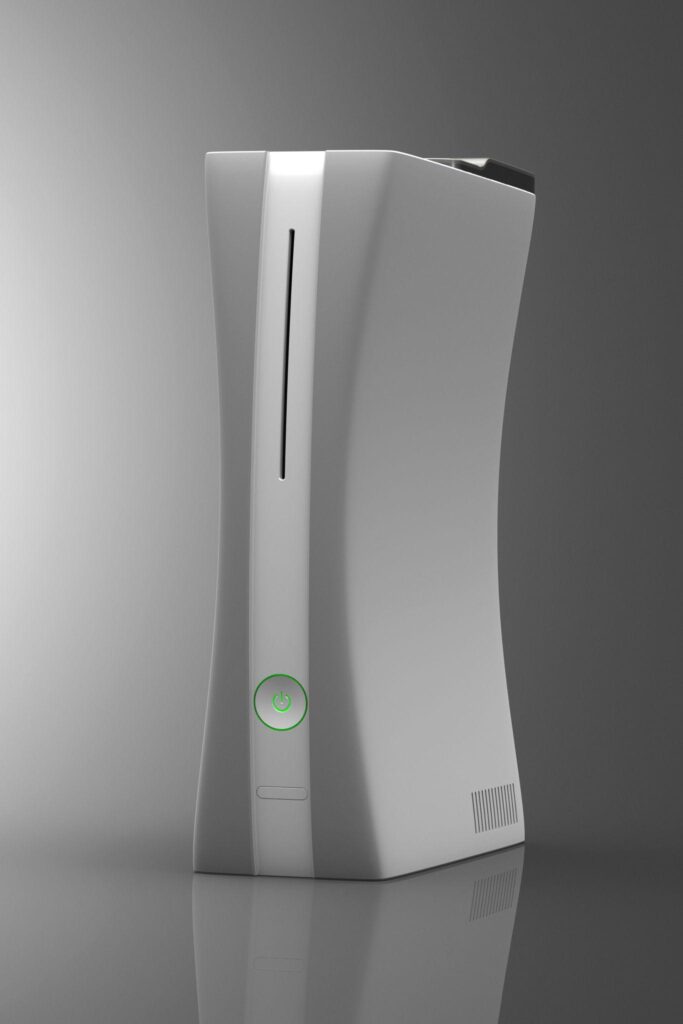
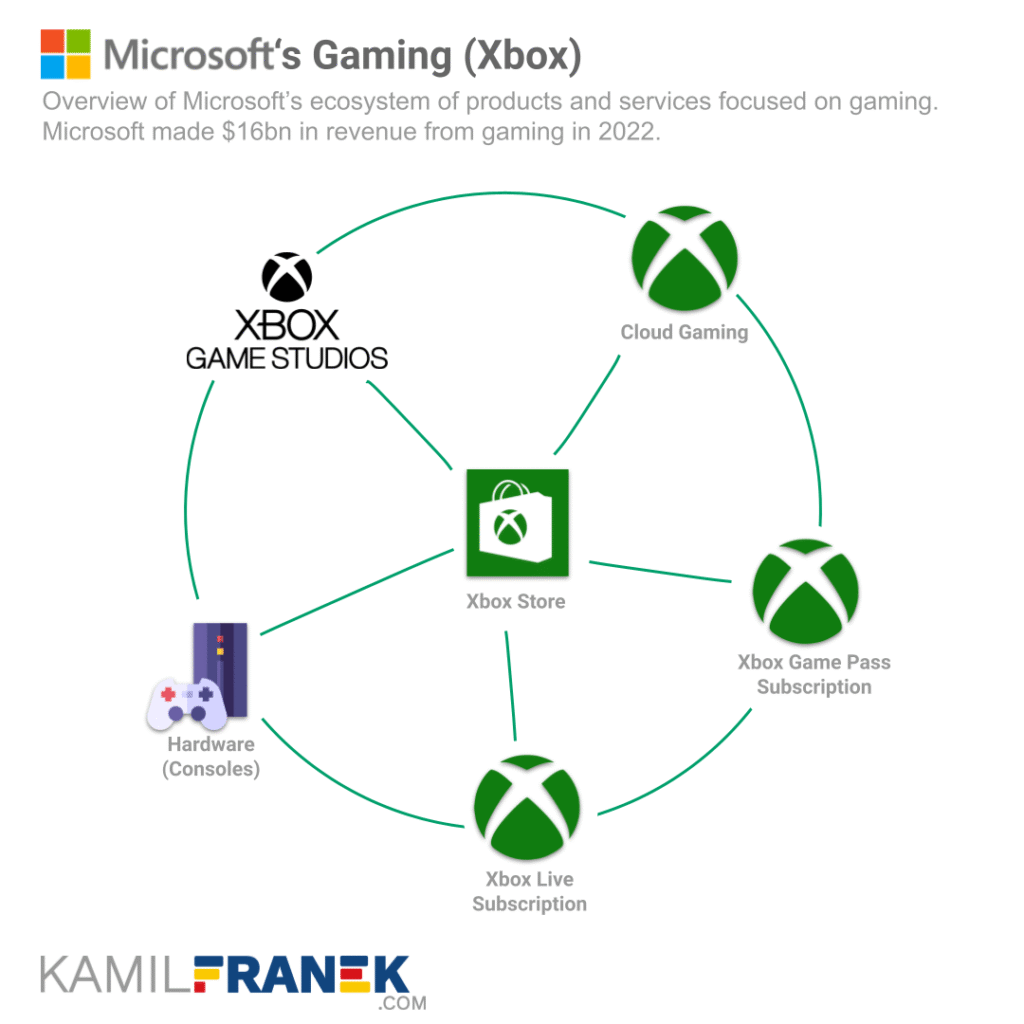
This development arrives at a time when the gaming industry is moving toward platform integration and cross-device experiences. Microsoft has already been pushing services like Xbox Game Pass, cloud gaming, and PC-console cross-play, and Project Helix appears to be the next step in that strategy.
Microsoft Confirms Project Helix as the Future of Xbox Hardware
Microsoft has officially acknowledged that its upcoming console project, internally known as Project Helix, will represent the next major generation of Xbox hardware. While the company has not yet revealed final hardware specifications or a release date, executives confirmed that the system is being built with a new architecture focused on compatibility and flexibility.
The announcement indicates that Microsoft wants the next Xbox to function as more than a traditional console. Instead of operating as a closed ecosystem, Project Helix may run games from both the Xbox platform and Windows-based PC environments. This approach could allow players to access broader game libraries without needing separate devices.
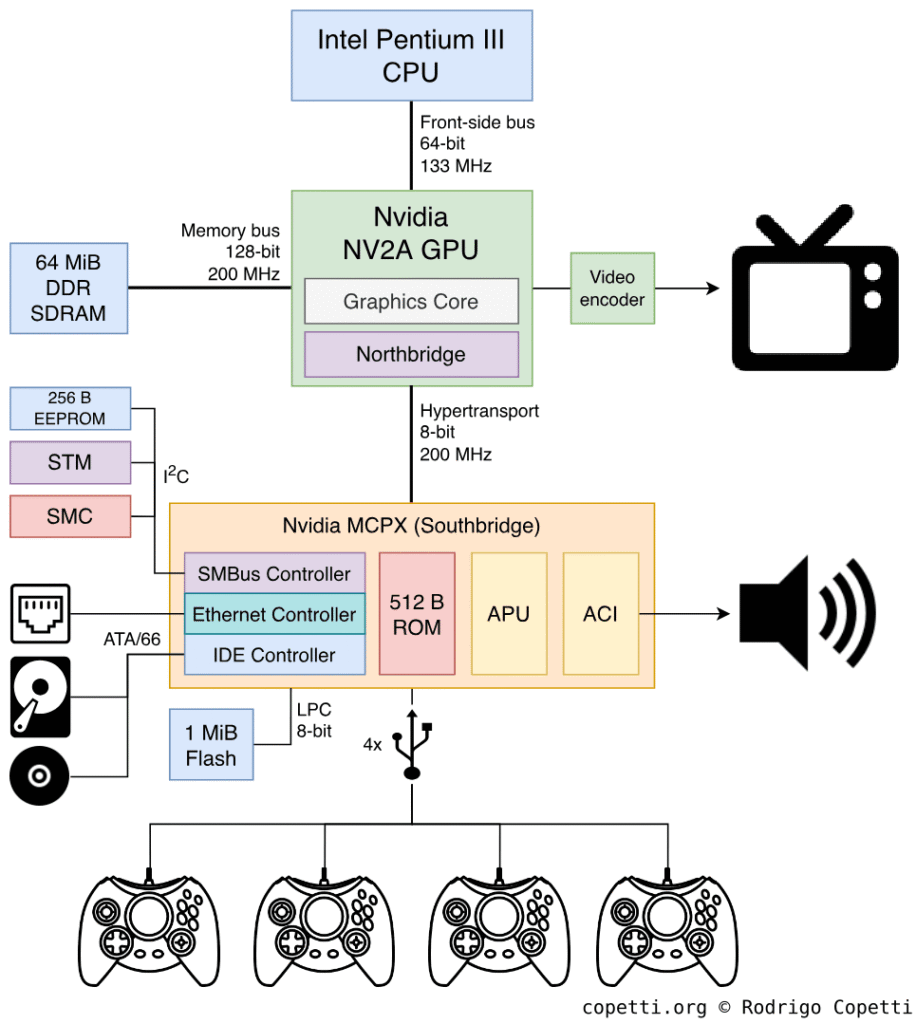
Industry analysts say this strategy reflects Microsoft’s long-term vision of making Xbox a unified gaming platform rather than just a console brand. The company has been expanding its ecosystem across PC, cloud, and mobile devices, and Project Helix appears to connect these experiences into a single hardware platform.
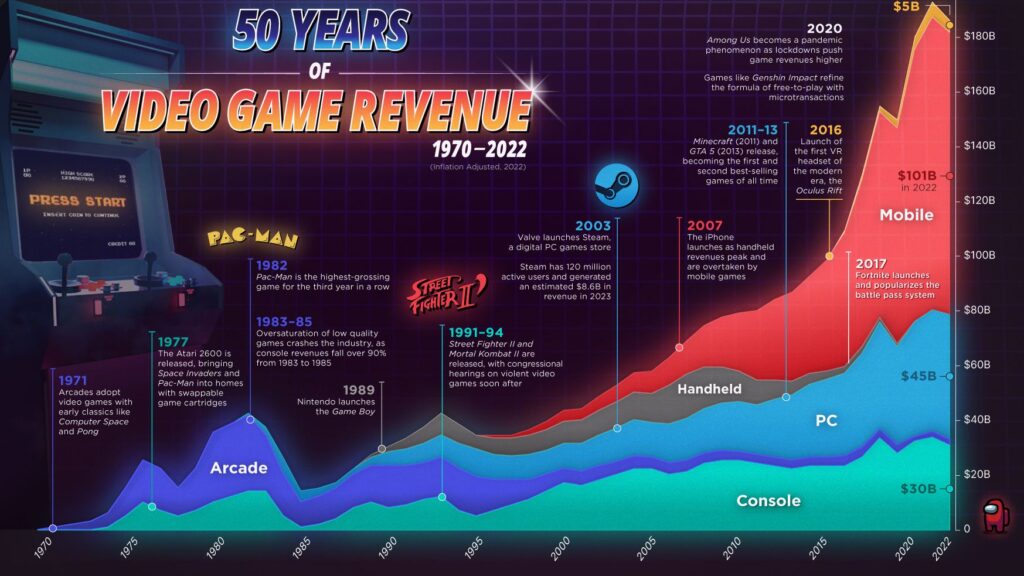
Xbox Project Helix: Why the Next Xbox Could Run PC Games
One of the most surprising aspects of Project Helix is its potential ability to play PC games directly on the console. Microsoft executives suggested that the future Xbox ecosystem will move closer to Windows-based architecture, which could allow easier access to PC gaming libraries.
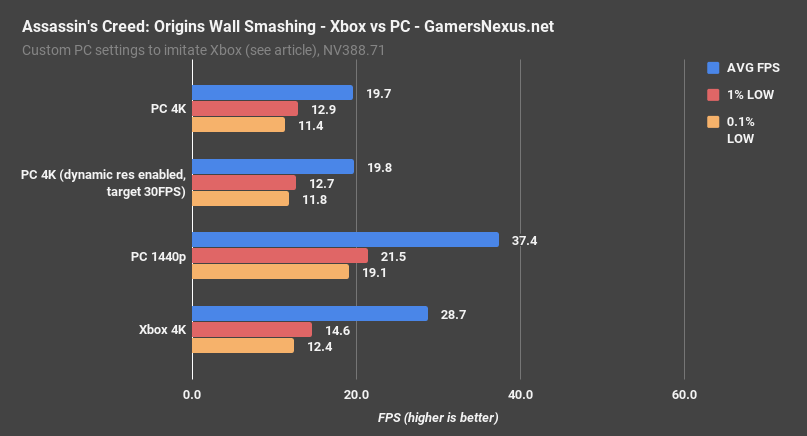
For players, this could mean that titles traditionally limited to platforms like Steam or other PC storefronts may become playable on Xbox hardware. Developers could also benefit because building games for Xbox and PC might require fewer adjustments.
This shift could significantly change the console market. Historically, consoles have relied on closed platforms with curated game stores. By allowing PC compatibility, Microsoft may create a hybrid device that combines the convenience of a console with the flexibility of a gaming computer.
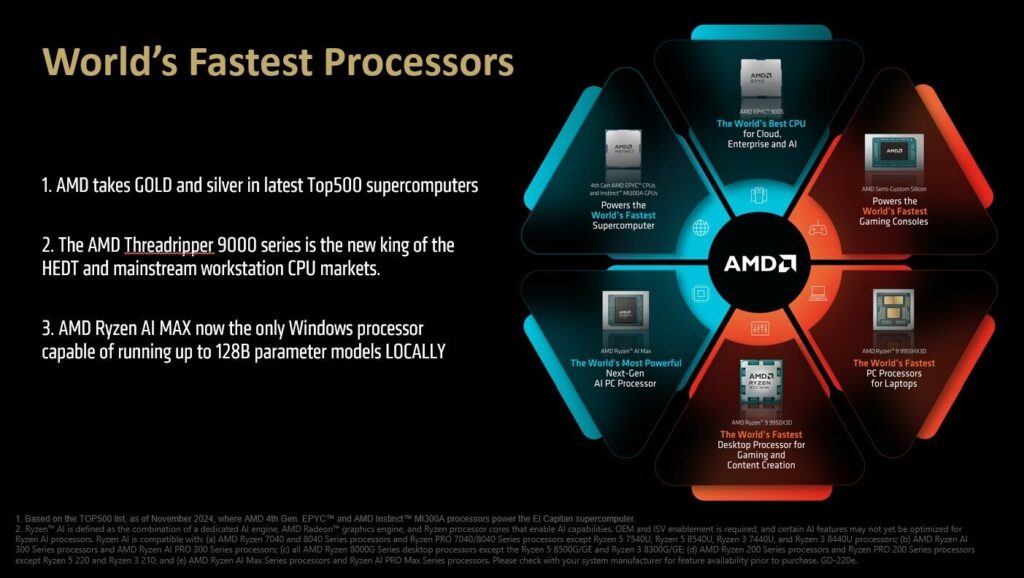
How Project Helix Fits Microsoft’s Gaming Strategy
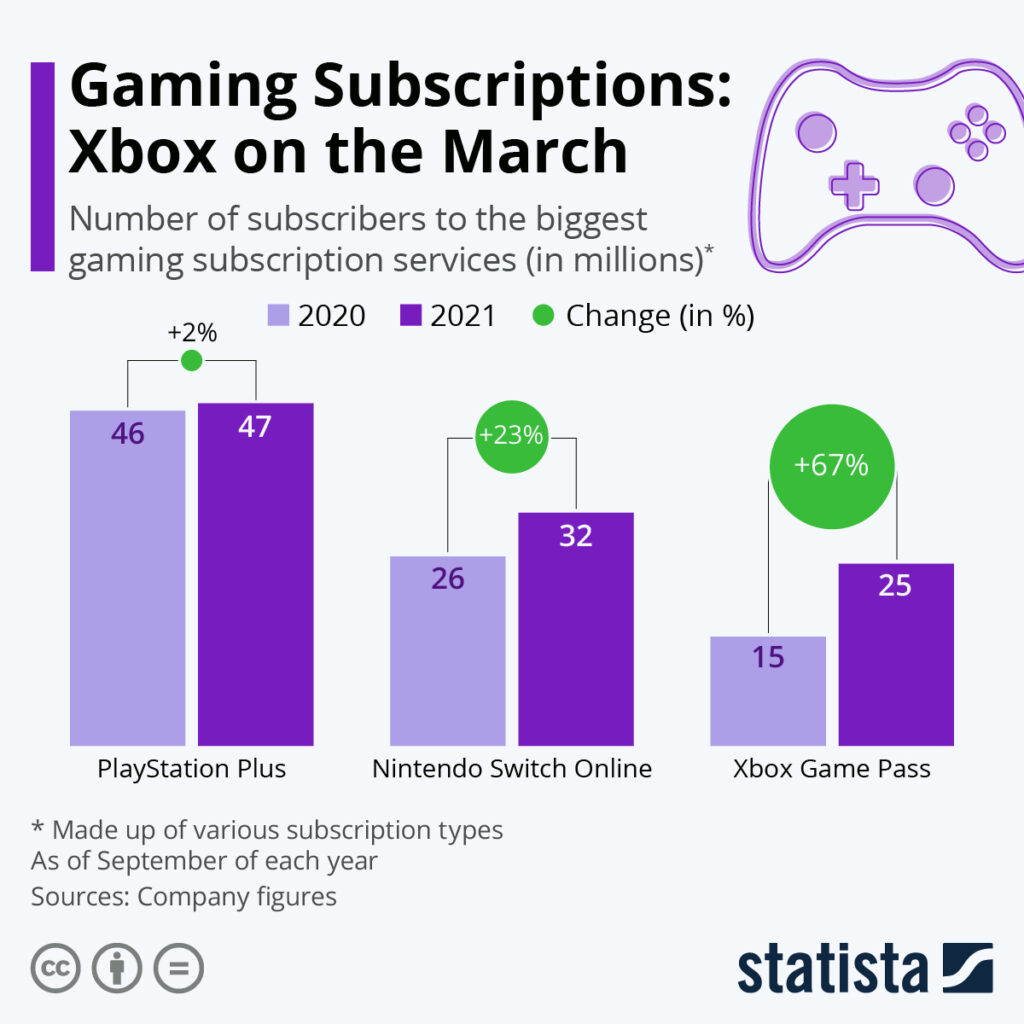
Project Helix aligns closely with Microsoft’s broader gaming strategy, which focuses heavily on services rather than hardware exclusivity. Over the past several years, the company has invested billions into expanding its gaming ecosystem, including major studio acquisitions and the continued growth of Xbox Game Pass.
Xbox Game Pass already works across consoles, PCs, and cloud gaming services. If Project Helix integrates PC functionality, the service could become even more powerful, allowing users to seamlessly move between devices while maintaining access to the same games.
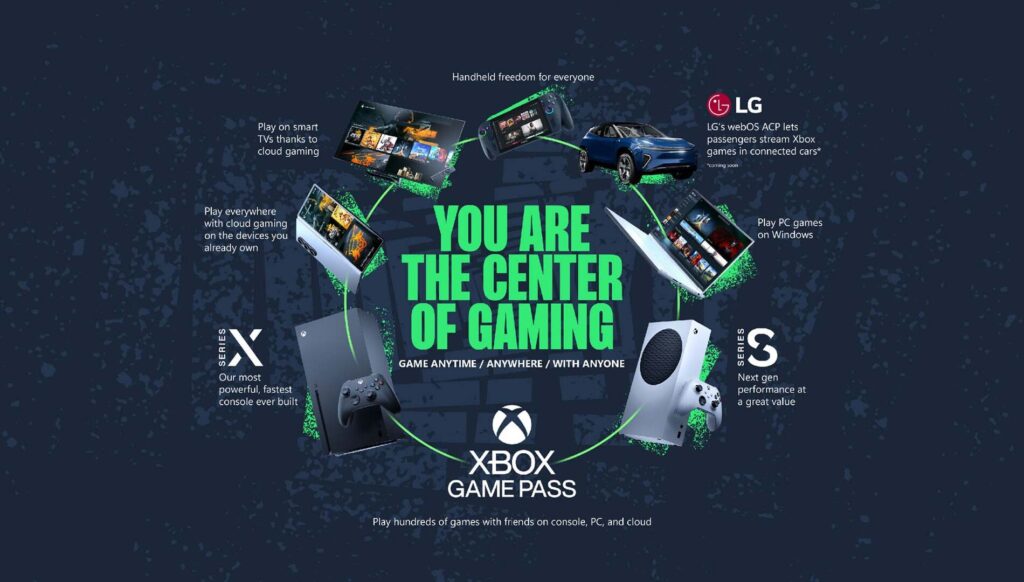
Microsoft’s long-term goal appears to be making Xbox the central hub for gaming across multiple platforms. By bridging PC and console experiences, Project Helix could strengthen the company’s competitive position in a gaming industry that increasingly values cross-platform access.
Industry Reaction and Competition
The announcement of Project Helix has sparked significant discussion across the gaming industry. Analysts believe the move could reshape competition between Microsoft, Sony, and other gaming platforms.
Sony’s PlayStation consoles traditionally emphasize exclusive titles and proprietary systems. In contrast, Microsoft’s strategy increasingly focuses on accessibility and ecosystem growth. If Project Helix successfully integrates PC gaming, it could offer a unique value proposition compared to other consoles.
At the same time, the move could also challenge gaming PCs themselves. Some players who want a PC-like experience without the complexity of building a computer might find the next Xbox appealing. This hybrid approach could open new opportunities for the gaming market.
What Gamers Might Expect From the Hardware
Although Microsoft has not released full technical specifications for Project Helix, early industry expectations suggest the console will feature advanced processors, powerful GPUs, and faster storage technologies similar to high-end gaming PCs.
The system will likely continue supporting backward compatibility with previous Xbox games, ensuring that existing game libraries remain playable. Microsoft has prioritized backward compatibility for years, and the next console is expected to expand that feature even further.
Players may also see deeper integration with cloud gaming services, allowing games to run locally or stream from Microsoft’s servers. This could give users more flexibility, depending on internet speed and hardware performance needs.
Why This Matters Now for the Gaming Industry
The confirmation of Project Helix arrives during a period when gaming platforms are rapidly evolving. The boundaries between PC, console, and cloud gaming are becoming less defined, and companies are competing to build the most flexible ecosystems.
For Microsoft, the next Xbox generation represents an opportunity to strengthen its ecosystem and attract players from multiple platforms. If the console successfully combines PC and console gaming into one device, it could reshape how gamers choose their hardware.
Developers may also benefit because a unified platform could simplify game development. Instead of building separate versions for PC and console, studios could design games that work across both environments more efficiently.
For players, the biggest advantage could be freedom—freedom to access larger game libraries, switch between devices, and enjoy gaming experiences without strict platform limitations.
Conclusion
Microsoft’s confirmation of Xbox Project Helix signals a bold new direction for the gaming industry. By combining console simplicity with PC compatibility, the next Xbox generation could redefine how gaming platforms operate.
While many details about the console remain undisclosed, the concept alone suggests a future where the boundaries between gaming devices continue to disappear. If Microsoft successfully delivers on this vision, Project Helix could become one of the most significant console launches in recent years.
Subscribe to trusted news sites like USnewsSphere.com for continuous updates.