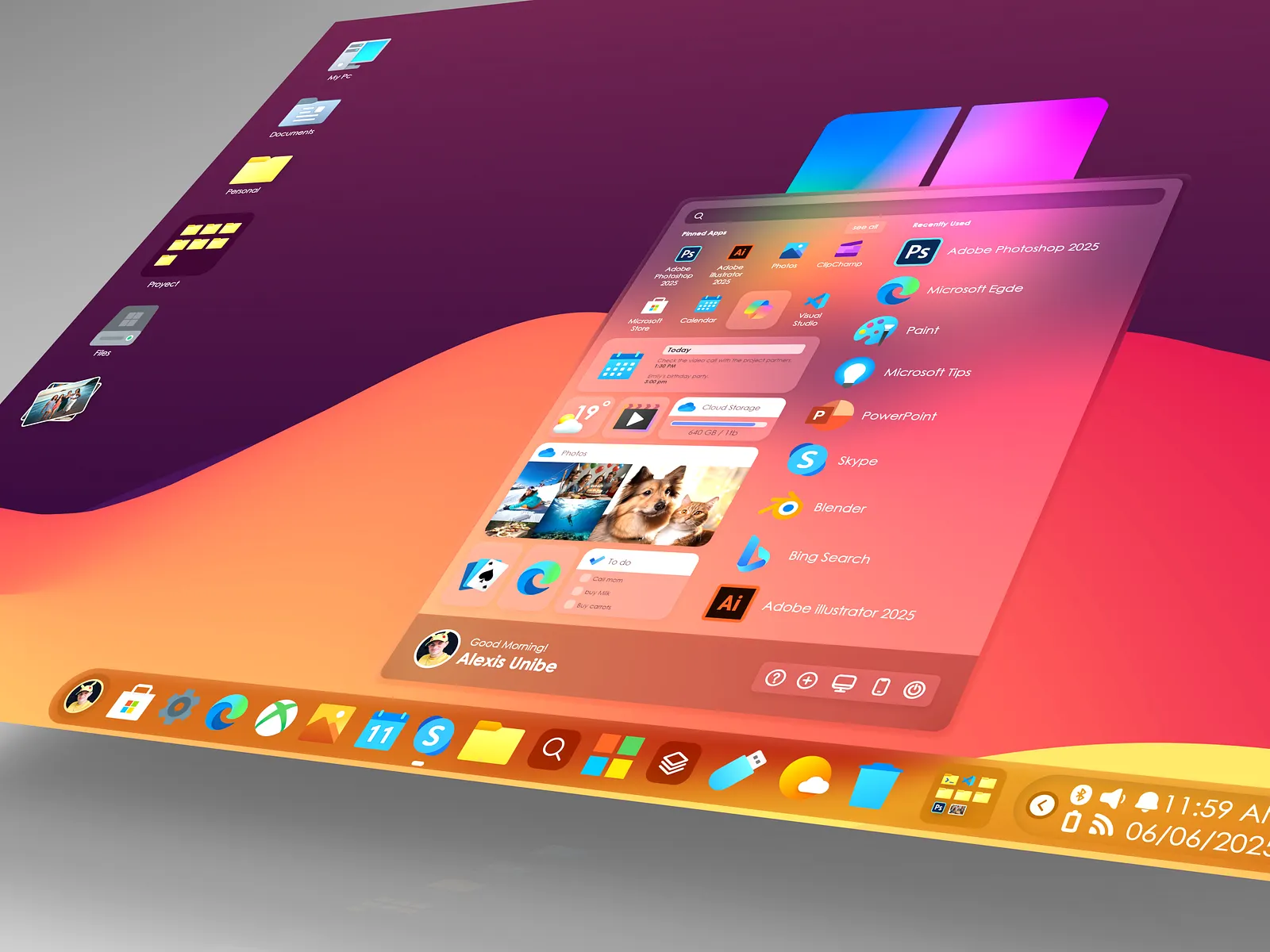
Windows 12, reportedly releasing in 2026 with a modular AI-focused OS, is becoming one of the most discussed technology developments among Microsoft watchers, developers, and PC manufacturers. According to multiple tech industry reports, Microsoft is working on a next-generation Windows platform designed around artificial intelligence, modular system architecture, and deeper cloud integration.
The potential new operating system could arrive around 2026 and may introduce major structural changes compared with Windows 10 and Windows 11. The goal appears to be creating a faster, more flexible system that can adapt to different devices while supporting the growing wave of AI-powered computing. For users in the United States and around the world, this could mean smarter PCs, better performance, and operating systems designed for the AI era.
What Windows 12 Is Expected to Be
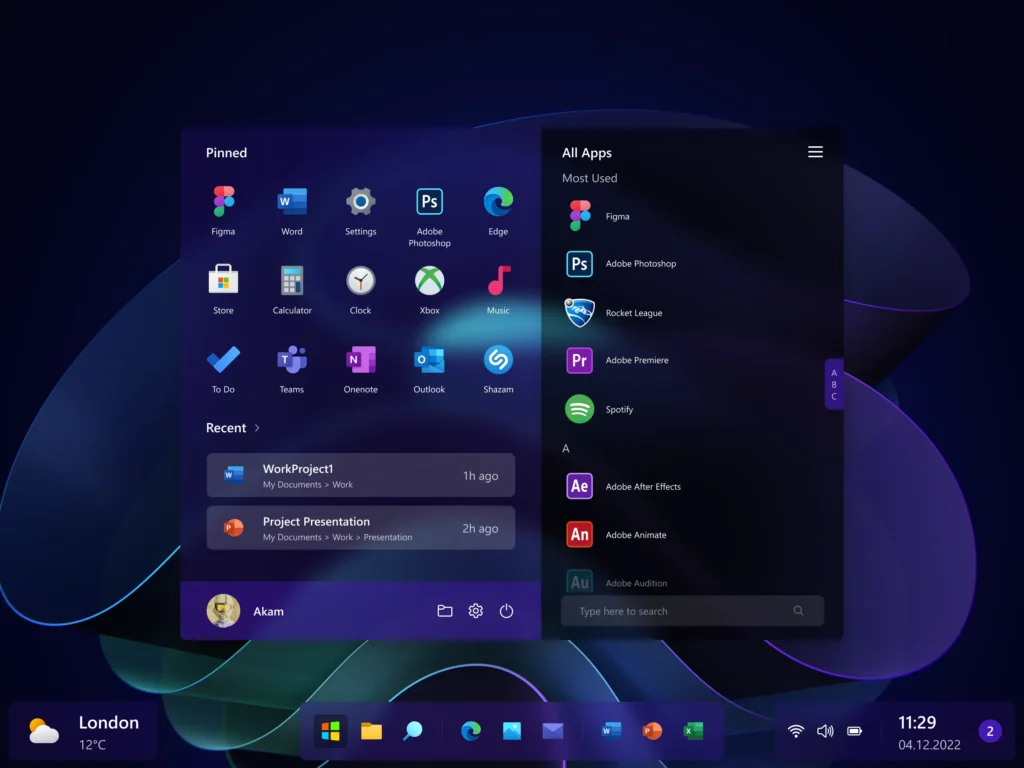
Reports from technology analysts and industry insiders suggest that Windows 12 will be designed as a modular operating system rather than a single large system like previous versions. A modular design means different components of the operating system can be updated or replaced independently, which could improve stability, security, and speed.
Instead of requiring major full-system updates every few years, Microsoft may be able to upgrade individual parts of Windows continuously. This approach would allow the operating system to evolve faster while reducing the risk of system-wide bugs. Modular architecture could also help Microsoft tailor Windows to different device categories such as desktops, laptops, gaming systems, and future AI-powered devices.
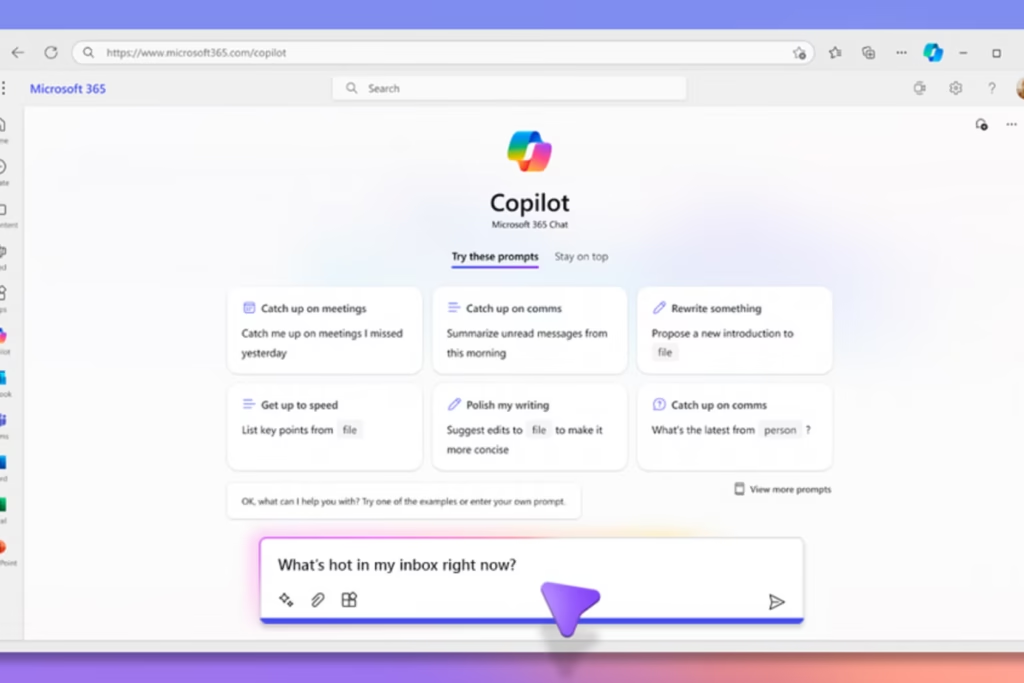
Another key expectation is the integration of advanced artificial intelligence features directly into the operating system. While Windows 11 already introduced AI tools such as Copilot, Windows 12 could expand these capabilities dramatically by making AI a core part of the system rather than an add-on feature.
Microsoft’s Shift Toward AI-First Computing
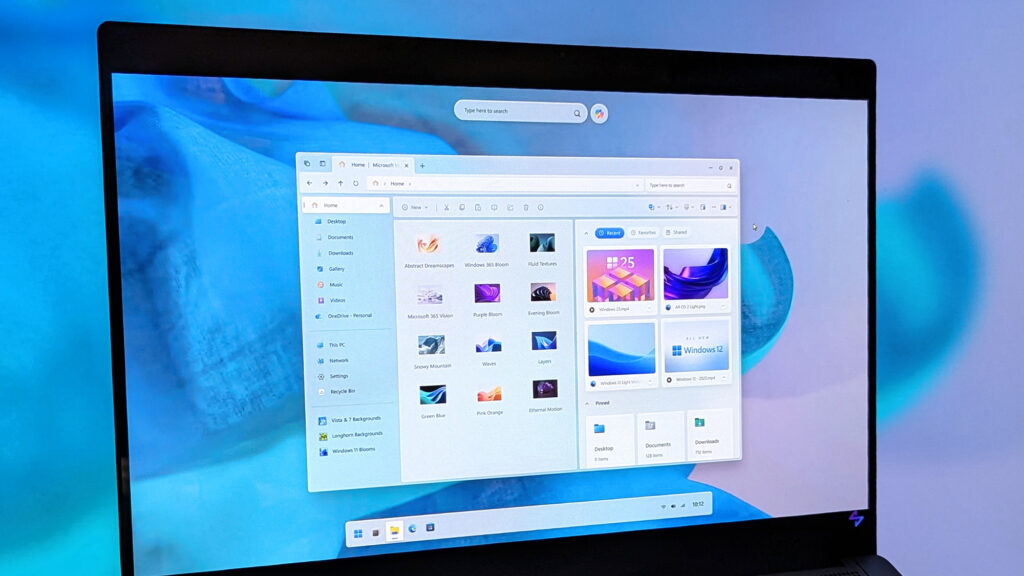
The biggest technological trend shaping Windows 12 appears to be Microsoft’s strong push toward AI-first computing. Over the past few years, the company has invested billions of dollars into AI development, particularly through its partnership with OpenAI and the integration of AI across products like Microsoft 365, Azure, and Bing.
In the context of Windows, AI could help automate everyday computing tasks. Future PCs may include built-in AI processors that can handle language models, image generation, and predictive automation locally without relying entirely on cloud services. This would allow applications to run smarter features while maintaining faster response times and improved privacy.
For example, AI inside Windows 12 could potentially help manage system performance, organize files automatically, improve security monitoring, and assist users through intelligent assistants that understand natural language. Such features could transform the way people interact with their computers.
Modular Windows Could Change PC Performance
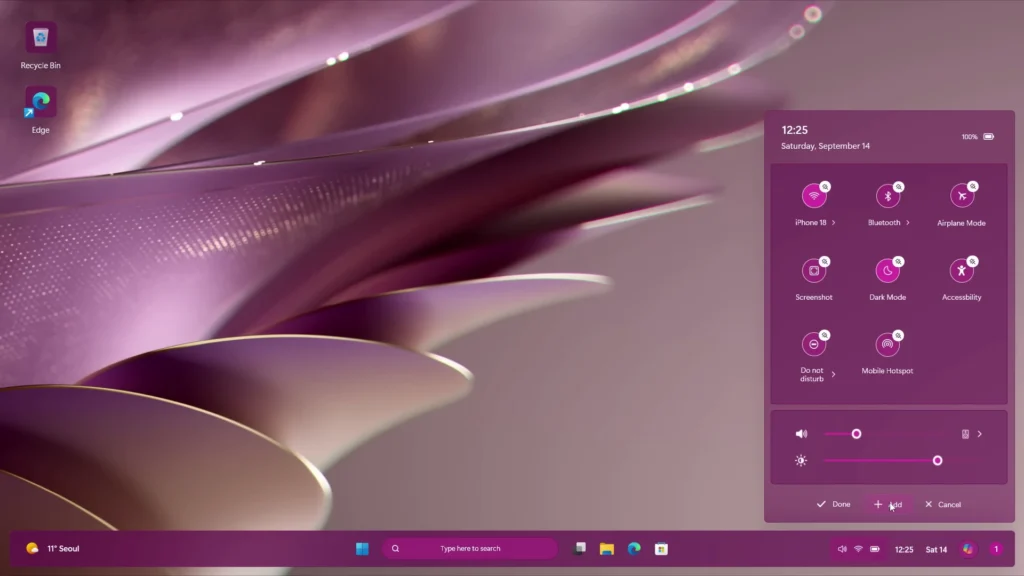
One of the most important technical improvements expected from Windows 12 is the modular operating system structure, sometimes referred to in industry discussions as “CorePC.” This design would separate the operating system into multiple layers, allowing Microsoft to update individual components more efficiently.
A modular system could also improve performance by running only the necessary system components for each device type. Lightweight devices such as tablets could operate with minimal background processes, while high-performance workstations could enable advanced modules designed for productivity or gaming.
For enterprise users and developers, this structure could also simplify software compatibility and system maintenance. Businesses often delay Windows upgrades due to compatibility concerns, but a modular design might allow updates to occur without disrupting mission-critical software environments.
Why This Matters Now
The timing of Windows 12 discussions reflects a broader shift in the technology industry toward AI-powered personal computing. Major chip manufacturers such as Intel, AMD, and Qualcomm are now releasing processors designed specifically for AI workloads, often including neural processing units (NPUs) that accelerate machine-learning tasks.
Because operating systems control how hardware and software interact, Microsoft needs Windows to evolve alongside these new processors. A modern operating system designed for AI can better utilize specialized hardware, improve battery efficiency, and unlock new categories of applications.
This shift also matters for developers and businesses. Software built for AI-capable operating systems may provide better automation, analytics, and creative tools. As a result, the release of Windows 12 could influence the entire PC ecosystem, from hardware design to software innovation.
Possible Release Timeline and Industry Expectations
While Microsoft has not officially confirmed a release date for Windows 12, many analysts believe the operating system could arrive around 2026. Historically, Microsoft releases major Windows versions several years apart, and Windows 11 debuted in 2021, making a mid-decade update plausible.
Technology industry reports indicate that Microsoft has been restructuring its Windows development strategy to focus more heavily on long-term platform evolution rather than rapid yearly changes. This could mean Windows 12 will represent a deeper architectural update rather than just a visual redesign.
If the rumored timeline proves accurate, previews and developer builds could appear earlier to allow software companies time to adapt their applications. Early access programs often help Microsoft gather feedback before a global launch.
The Future of Windows and AI-Powered PCs
Looking ahead, Windows 12 may represent the beginning of a new era where operating systems function as intelligent platforms rather than simple software environments. As artificial intelligence becomes embedded in everyday tools, operating systems will likely play a key role in coordinating how these capabilities work across devices.
For consumers, this could mean more personalized computing experiences. PCs might automatically optimize settings, assist with complex tasks, and even anticipate user needs based on behavior patterns. For businesses, AI-enhanced operating systems could increase productivity and support advanced automation workflows.
While many details about Windows 12 remain speculative, the direction is clear: Microsoft is preparing Windows for a future where AI, modular software design, and powerful hardware work together to redefine the personal computer.
Subscribe to trusted news sites like USnewsSphere.com for continuous updates.