Microsoft Stock Hits Worst Quarter in Years — Is the AI Boom Losing Momentum? This question is now dominating financial headlines across the United States as investors reassess the sustainability of the artificial intelligence rally that powered markets through 2023 and 2024. After delivering massive gains fueled by AI optimism, Microsoft’s recent quarterly performance has raised concerns about whether the hype is finally cooling—or simply entering a new phase.
Microsoft’s Recent Performance: What the Latest Data Reveals
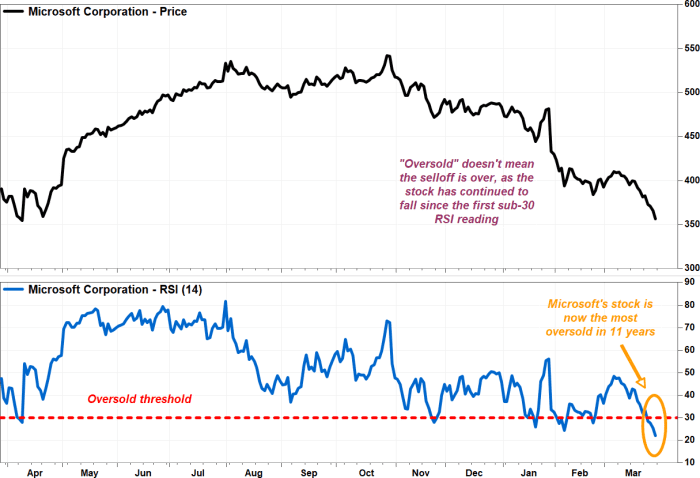

Microsoft’s stock has experienced one of its weakest quarters in recent years, underperforming broader indices like the Nasdaq. While exact numbers vary depending on trading sessions, analysts point to a notable correction after a prolonged rally driven largely by AI enthusiasm.
The decline is not happening in isolation. Several large-cap tech companies have also seen pullbacks, indicating a broader market recalibration rather than a company-specific collapse. However, because Microsoft has been at the center of the AI revolution—through its aggressive integration of AI into cloud and enterprise tools—its stock is being closely watched as a signal for the entire sector.
Revenue growth remains strong on paper, especially in cloud computing and enterprise services. Yet, investors are increasingly focused on future expectations rather than past performance, and this is where concerns are emerging.
The AI Boom: From Explosive Growth to Reality Check


The AI boom that fueled Microsoft’s rise was driven by the rapid adoption of generative AI tools, massive enterprise spending, and strategic investments. Microsoft’s integration of AI into products like Azure cloud services and productivity tools created a strong narrative of long-term growth.
However, markets are now entering a “proof phase.” Investors want to see measurable returns from AI investments rather than projections. Key concerns include:
- Slower-than-expected enterprise adoption cycles
- Rising costs of AI infrastructure (data centers, chips, energy)
- Increasing competition from other tech giants
This shift from hype to fundamentals is a natural progression in any technological cycle. The same pattern was observed during the early days of cloud computing and the Internet boom.
Why Investors Are Nervous Right Now


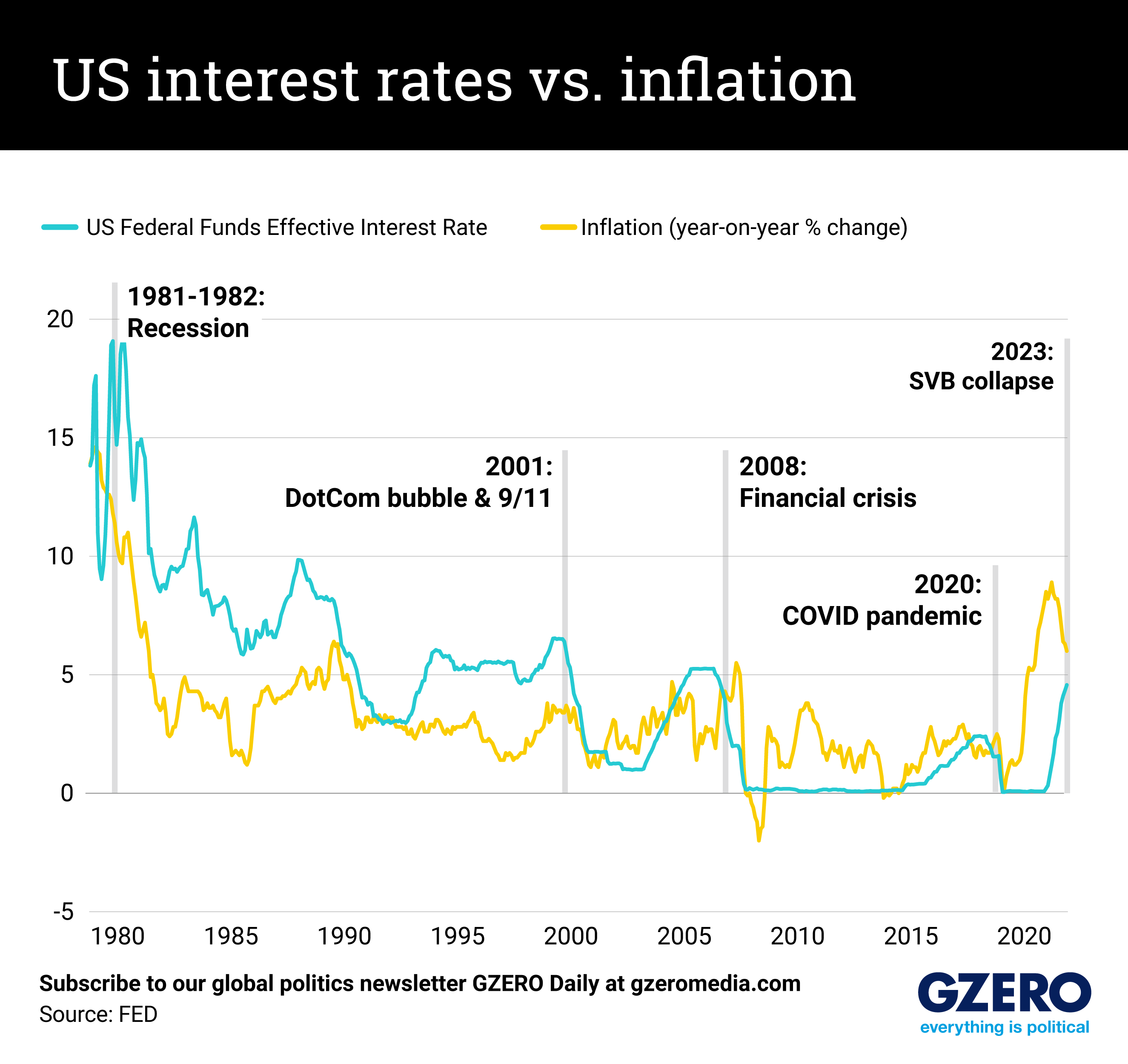
Several macroeconomic and company-specific factors are contributing to investor anxiety:
Rising Interest Rates
Higher interest rates reduce the present value of future earnings, which heavily impacts growth stocks like Microsoft.
Valuation Concerns
Microsoft’s valuation had reached historically high multiples during the AI rally. Even a slight miss in expectations can trigger sharp corrections.
Profit-Taking Behavior
After significant gains over the past year, institutional investors are locking in profits, leading to short-term downward pressure.
AI Monetization Questions
While AI is widely adopted, monetization strategies are still evolving. Investors want clarity on how quickly AI will translate into sustained revenue growth.
Is Microsoft Still Fundamentally Strong?
Despite the recent downturn, Microsoft’s core business remains highly robust. Its diversified revenue streams provide stability that many tech companies lack.
Cloud Computing Dominance
Azure continues to be one of the fastest-growing cloud platforms globally, benefiting directly from AI demand.
Enterprise Ecosystem Strength
Microsoft’s integration of AI into widely used tools like Office and enterprise software ensures long-term customer retention.
Strategic AI Investments
The company has invested billions into AI partnerships and infrastructure, positioning itself as a long-term leader rather than a short-term player.
From a fundamentals perspective, analysts still view Microsoft as one of the strongest companies in the technology sector. The current correction may reflect market sentiment more than operational weakness.
Market Outlook: What Happens Next for AI and Tech Stocks


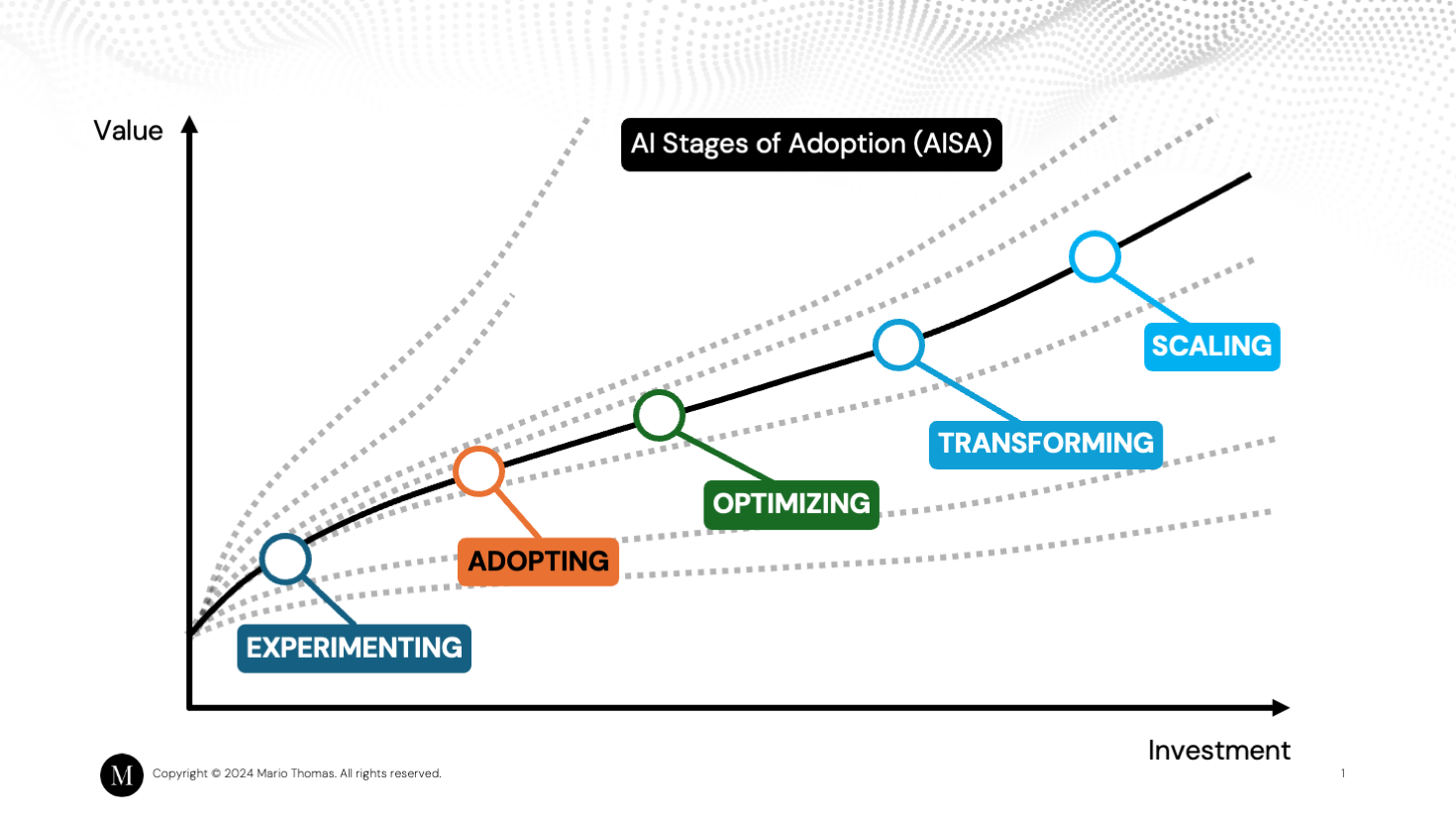
The outlook for Microsoft and the broader AI sector depends on how quickly companies can demonstrate real value from AI investments.
Short-Term Outlook
Volatility is likely to continue as markets digest earnings reports and adjust expectations. Investors may remain cautious until clearer monetization trends emerge.
Mid-Term Outlook
AI adoption is expected to grow steadily across industries such as healthcare, finance, and manufacturing. Microsoft is well-positioned to benefit from this expansion.
Long-Term Outlook
Most experts agree that AI is not a passing trend. Instead, it represents a foundational shift in how businesses operate. Companies like Microsoft are expected to remain key players in this transformation.
Risks Investors Should Watch Closely
While the long-term story remains strong, several risks could impact Microsoft’s trajectory:
Infrastructure Costs
Building and maintaining AI data centers requires massive capital investment, which could pressure margins.
Competition Intensifies
Rivals are rapidly advancing their AI capabilities, increasing competitive pressure.
Regulatory Challenges
Governments are beginning to regulate AI technologies, which could slow innovation or increase compliance costs.
Economic Slowdown
A broader economic slowdown could reduce enterprise spending on AI and cloud services.
Understanding these risks is crucial for investors looking to navigate the current market environment.
Final Analysis: Correction or Turning Point?
Microsoft’s recent stock performance does not necessarily signal the end of the AI boom. Instead, it highlights a transition from speculation-driven growth to fundamentals-driven valuation.
The AI revolution is still in its early stages, but markets are becoming more selective. Companies must now prove that their AI investments can generate consistent, scalable profits.
For long-term investors, this phase may present opportunities rather than threats. Corrections often create entry points into fundamentally strong companies, and Microsoft remains one of the most dominant players in global technology.
What This Means for Investors
The recent decline in Microsoft’s stock reflects a broader shift in market sentiment rather than a collapse of the AI narrative. While short-term volatility may continue, the long-term outlook for AI—and Microsoft’s role within it—remains highly promising.
Investors should focus on fundamentals, monitor AI monetization trends, and stay informed about macroeconomic factors influencing the market. The companies that successfully translate AI innovation into real-world value will define the next phase of growth.
Subscribe to trusted news sites like USnewsSphere.com for continuous updates.