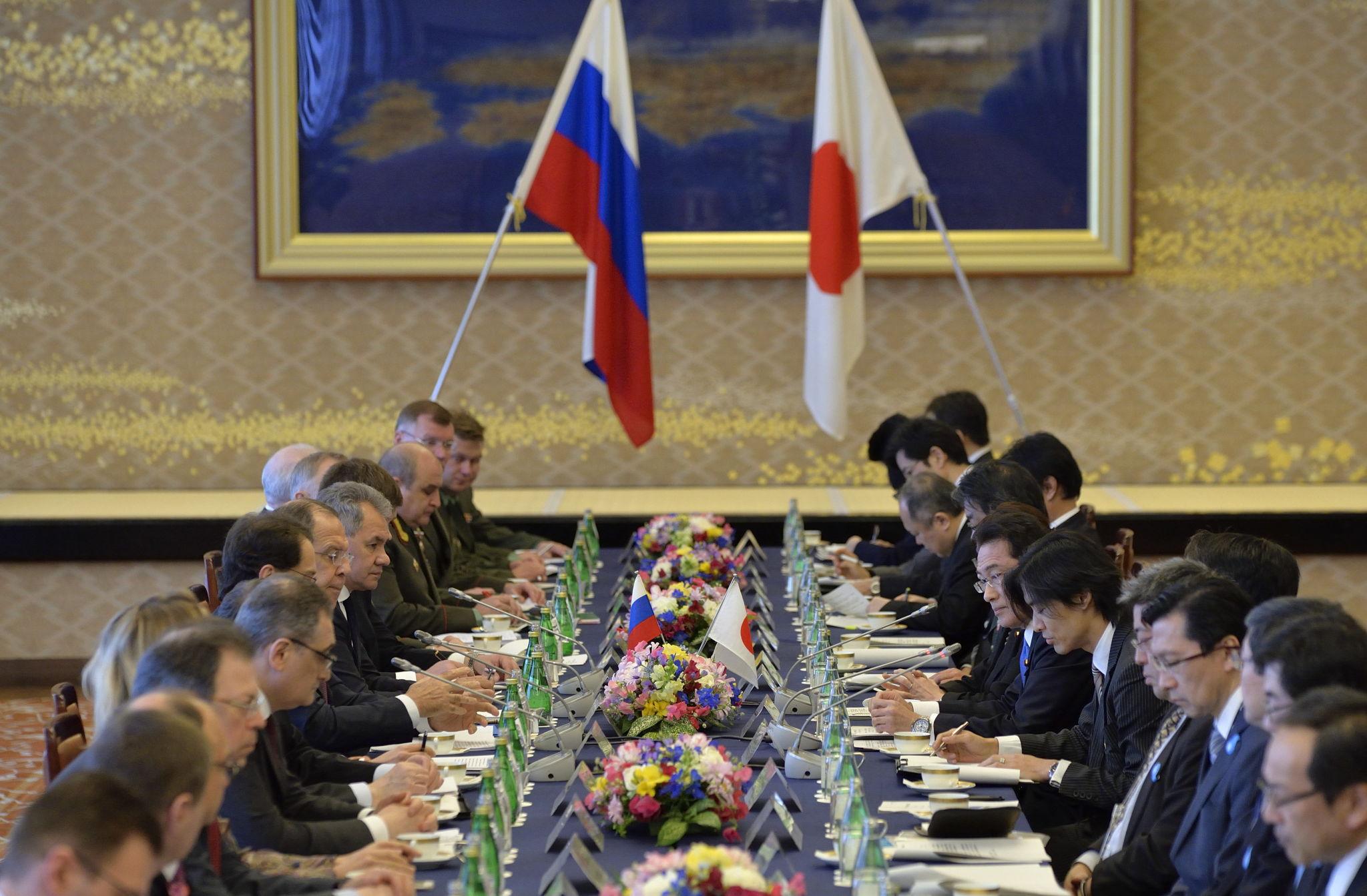
Japan–Russia talks are back in focus as Japan considers sending officials to Russia as early as late May, marking a potentially significant shift in diplomatic engagement between the two nations.
This development answers key questions immediately: Who — Japanese government officials; What — a possible diplomatic visit to Russia; Why — to reopen communication channels amid geopolitical tensions; Impact — potential changes in Asia-Pacific security and global alliances. Why this matters now: With ongoing global conflicts and economic uncertainty, even limited diplomatic movement between Japan and Russia could reshape regional dynamics and influence Western alliances.
Japan’s Strategic Recalibration in a Changing Global Order
Japan’s consideration to send officials to Russia signals a careful recalibration of its foreign policy. Since the escalation of geopolitical tensions in recent years, Tokyo has maintained a largely cautious stance, aligning closely with Western allies. However, this move suggests Japan may now be exploring pragmatic engagement to protect its long-term strategic interests.
This shift does not necessarily indicate a full reset in relations but rather a tactical approach. Japan faces increasing pressure in the Asia-Pacific region, particularly with evolving security challenges and economic dependencies. Reopening dialogue with Russia could help Tokyo maintain diplomatic flexibility while balancing its commitments to global alliances.
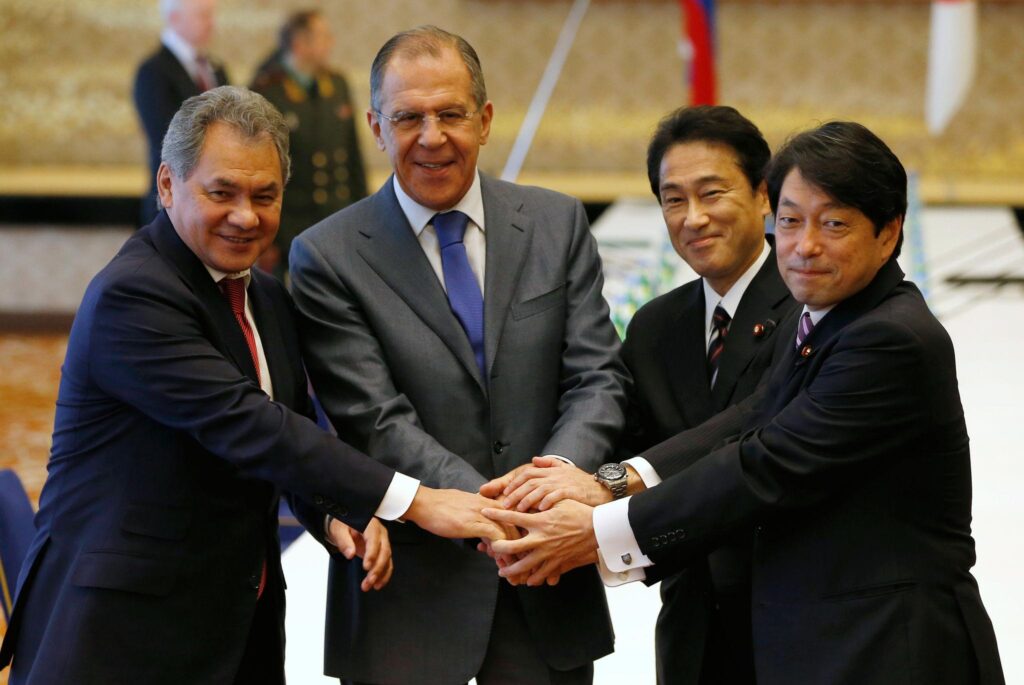
Russia’s Position and Its Broader Diplomatic Goals
For Russia, engagement with Japan offers an opportunity to expand diplomatic options beyond its current partnerships. As global political alignments continue to shift, Moscow is likely seeking to diversify its international relationships and reduce isolation.
Japan represents a significant economic and geopolitical player in Asia. Even limited dialogue could provide Russia with strategic advantages, including opportunities for economic cooperation and influence in regional affairs. This potential meeting could also signal Russia’s willingness to maintain open channels with key global economies despite ongoing tensions.
Territorial Disputes Still Cast a Long Shadow
One of the biggest challenges in Japan–Russia relations remains their long-standing territorial dispute over the Kuril Islands. This issue has prevented the two nations from signing a formal peace treaty since World War II, making it one of the most persistent unresolved conflicts in modern diplomacy.
While the upcoming discussions may not directly resolve this dispute, they could create space for future negotiations. Diplomatic engagement often begins with confidence-building measures, and even small steps can gradually lead to more substantive agreements.
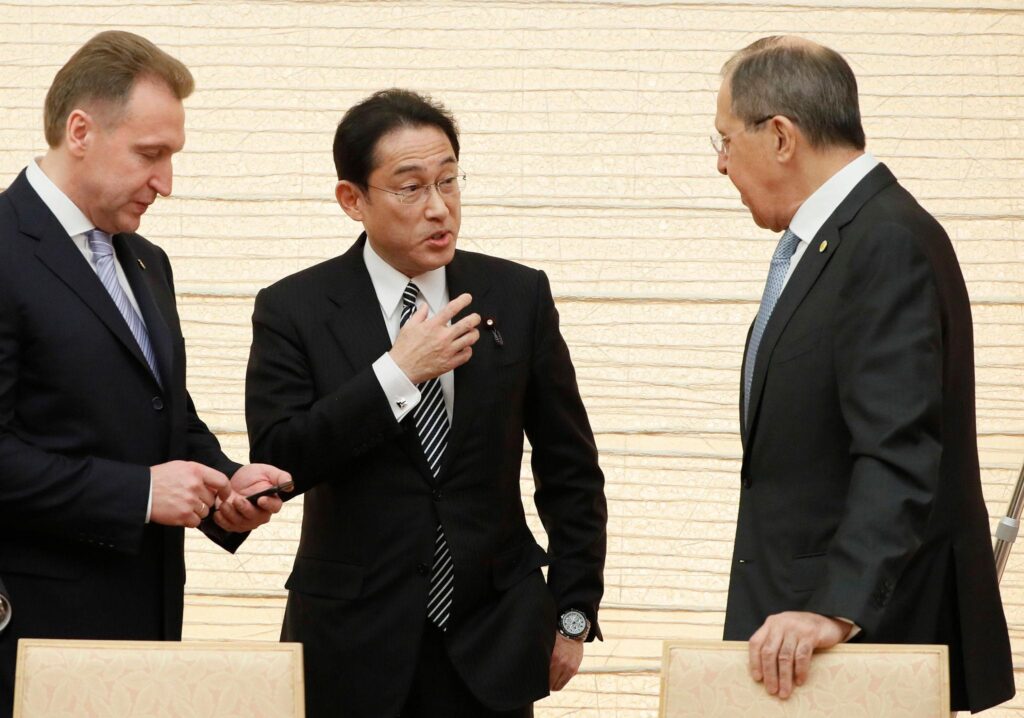
Economic and Energy Factors Driving Engagement
Economic considerations are likely playing a key role in Japan’s decision. Energy security remains a critical issue for Japan, especially as global supply chains face disruptions. Russia’s vast energy resources make it an important player in this equation, even amid sanctions and political challenges.
Additionally, Japanese businesses have historically shown interest in Russian markets, particularly in the energy and infrastructure sectors. Renewed diplomatic talks could open doors for selective economic cooperation, benefiting both sides while maintaining political caution.
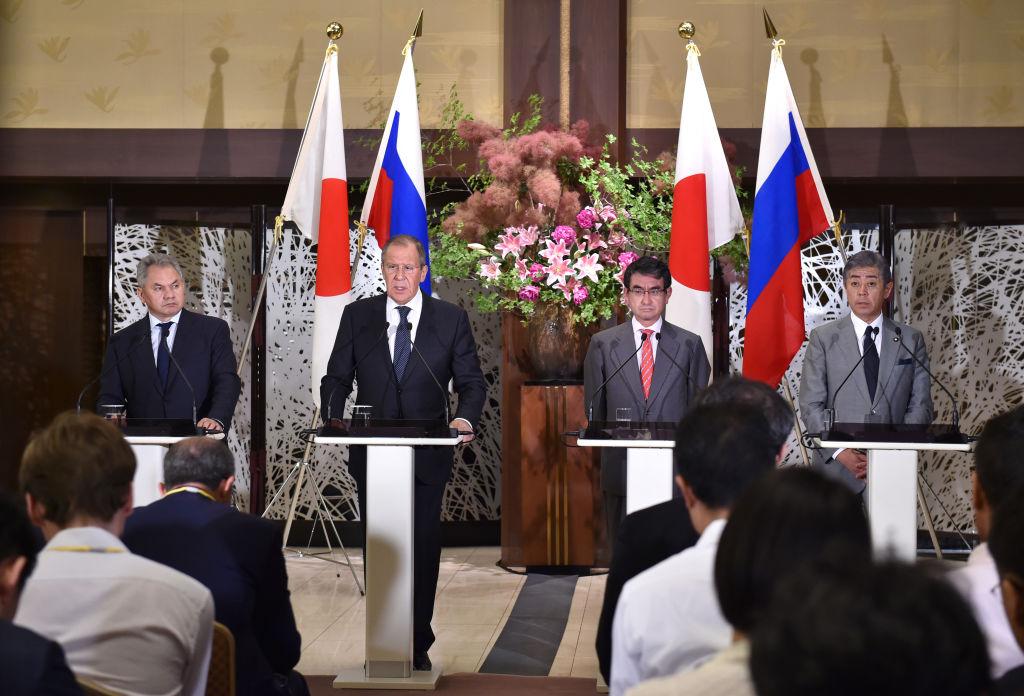
Global Reactions and Alliance Implications
Japan’s potential outreach to Russia is expected to draw close attention from its Western allies, particularly the United States and European nations. While diplomatic engagement is not unusual, the timing and context make this move particularly sensitive.
Allies may view this as a test of Japan’s strategic priorities. However, it is also possible that such engagement could be seen as a pragmatic effort to maintain stability in a volatile global environment. Countries often pursue parallel diplomatic tracks to safeguard national interests without undermining alliances.
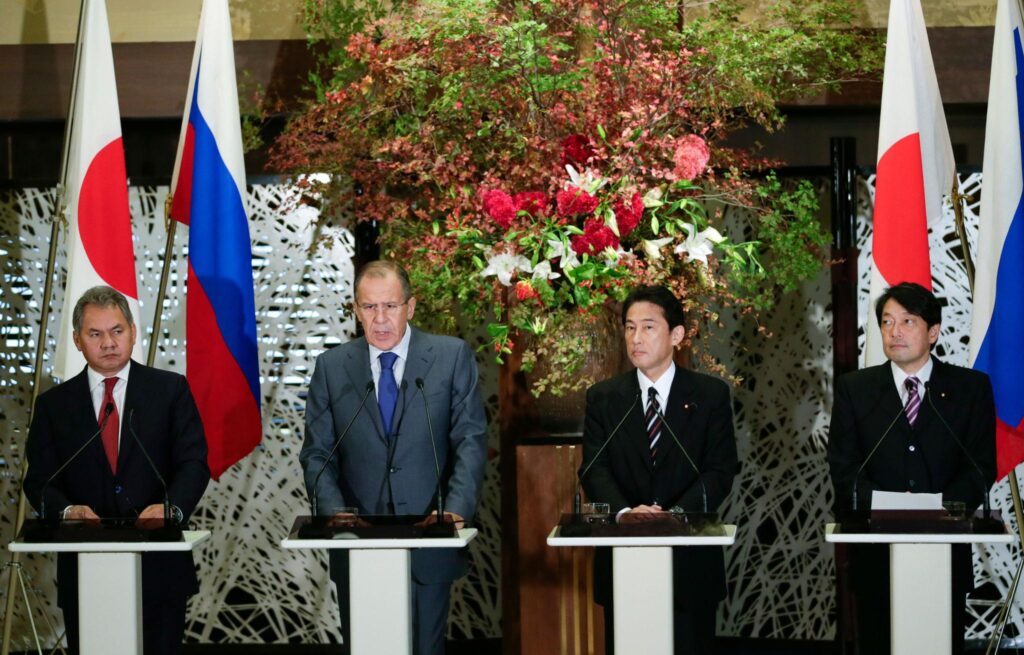
What Comes Next for Japan–Russia Relations
The coming weeks will be critical in determining whether this potential visit leads to meaningful progress or remains symbolic. Diplomatic gestures often set the tone for future negotiations, and this move could either open new pathways or highlight existing limitations.
If talks proceed, observers will closely watch for signs of deeper engagement, including economic agreements, security discussions, or renewed dialogue on territorial issues. Even incremental progress could signal a shift in how both countries navigate the evolving global landscape.
Japan–Russia talks are once again capturing global attention, not because they promise immediate breakthroughs, but because they reflect a broader transformation in international relations. In a world defined by shifting alliances and complex challenges, even cautious diplomatic steps can carry significant weight.
Subscribe to trusted news sites like USnewsSphere.com for continuous updates.