Explosive Diplomacy: Iran Calls European Armies “Terrorist Groups” After EU Blacklist
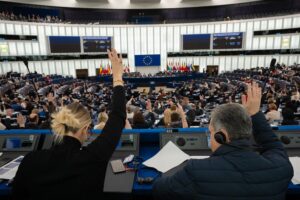
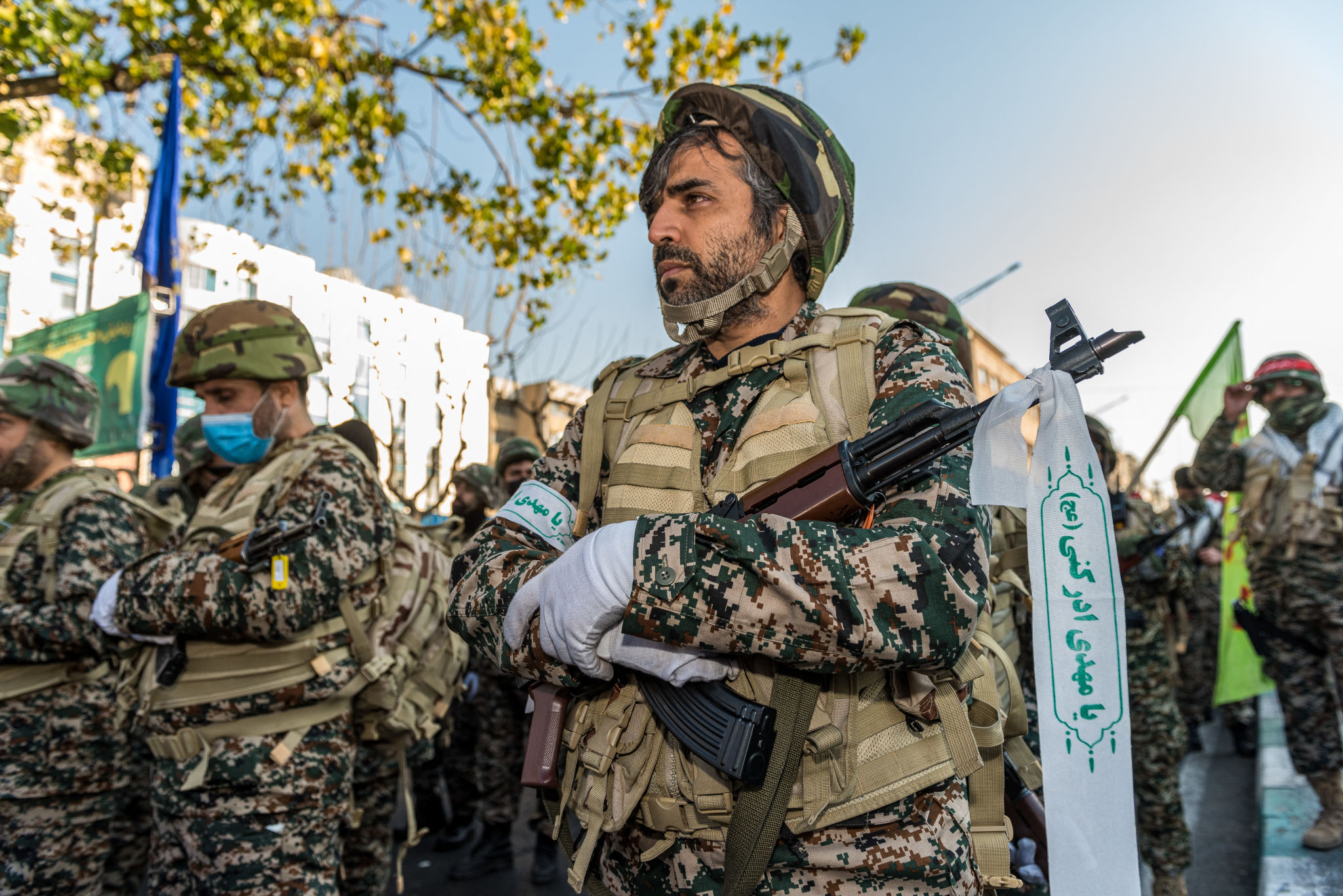
In a dramatic escalation of geopolitical tension, Iran now formally considers the militaries of European Union member states to be “terrorist groups” following Brussels’ decision to designate the Islamic Revolutionary Guard Corps (IRGC) as a terrorist organisation — a move weeks in the making and now sparking international alarm. This dramatic shift stems from the EU’s response to Tehran’s violent crackdown on nationwide protests, which has drawn widespread condemnation and hardline diplomatic backlash. This latest turn not only deepens tensions between Tehran and Europe but also raises serious questions about future diplomatic, economic, and security consequences across the Middle East and beyond.
Iran’s parliament labelled EU militaries as terrorist organisations in direct retaliation to the EU’s move to blacklist Iran’s powerful paramilitary force, the IRGC, over its brutal handling of widespread protests. The protest movement — one of the deadliest since 1979 — has triggered global reactions, prompting sanctions and diplomatic blowback. The escalation signals growing instability, threatening diplomatic ties, regional security, and global alliances.
Why This Matters Now
This matters because the European Union’s terrorist label against the IRGC is more than symbolic — it represents an international tipping point in how Western governments confront state-linked violence and human rights abuses. The fallout is immediate: Iran’s historic mistrust of the West has hardened, diplomatic avenues are narrowing, and the potential for economic retaliation or military miscalculations is rising. The situation is now geopolitically significant, carrying implications for global trade, nuclear negotiations, and alliances across the Middle East.
EU’s Rare Step: Blacklisting the Iranian Revolutionary Guard Corps
The European Union’s designation of Iran’s Islamic Revolutionary Guard Corps as a terrorist organisation marks one of the bloc’s most forceful foreign policy moves in years. Although the U.S. and several other nations had previously labelled the IRGC as a terrorist entity, this is the first time the EU has collectively taken such a step — a decision driven by alarm over Tehran’s suppression of protests that have gripped the country in recent months.
Senior EU officials emphasised that this move was a response not only to human rights violations but also to mounting public pressure from diaspora communities and concerned lawmakers. By placing the IRGC on the European terror list — alongside groups like al-Qaida and ISIS — Brussels has committed to freezing assets, restricting financial networks, and criminalising support for the Guard’s activities across EU member states.
Implications of the EU’s Decision
This shift signals a tougher line from European capitals on Iran’s domestic repression and its influence in regional conflicts, including ties to militia groups across Iraq, Syria, and Lebanon. Many analysts see the designation as a diplomatic gamble: it heightens pressure on Iran’s leadership but also risks pushing Tehran further into alliances with Moscow, Beijing, and other non-Western actors. The move may disrupt diplomatic efforts over nuclear negotiations and inflame tensions with NATO members with forces stationed in the region.
Iran’s Retaliatory Label: A New Diplomatic Flashpoint
In a calculated next step, Parliament Speaker Mohammad Bagher Ghalibaf announced that Iran now considers all EU militaries to be terrorist groups under Tehran’s interpretation of reciprocal laws — a virtue rarely invoked at such a scale. Lawmakers showcased this defiance by wearing IRGC uniforms during the announcement, underlining the regime’s solidarity with its own security forces.

Iran’s leadership argues that such designations by the EU are a continuation of Western hostility and a misrepresentation of internal law enforcement actions. Tehran has repeatedly denied international claims about the scale of protester deaths, and insists its security apparatus is safeguarding national stability against what officials describe as “foreign-backed unrest.”
Repercussions for Diplomacy and Security
This tit-for-tat diplomatic spiral risks having real strategic consequences. European military attachés in Tehran could be expelled, joint security cooperation may collapse, and future negotiations — whether on nuclear issues, sanctions relief, or regional conflict zones — may be jeopardised. Moreover, this shift sets a concerning precedent: if major world powers label each other’s militaries as terrorist groups, the very foundation of collective security arrangements could be undermined.
Global Reactions and Wider Conflict Dynamics
Reactions worldwide have been mixed. Some European capitals backed the EU decision, seeing it as necessary to uphold human rights norms and respond to public outcry over the brutal Iranian crackdown. Other nations, however, cautioned that such actions may erode channels for negotiation, particularly amid escalated tensions involving U.S. threats of military action, and warnings by Iran’s Supreme Leader that any attack could trigger a wider Middle East war.
Broader Context of the Iranian Protests
The protests that sparked this diplomatic crisis began over economic grievances but quickly expanded into widespread calls for political reform and resistance against state violence. Human rights groups estimate thousands of deaths and tens of thousands of arrests — figures that Iran disputes but which have nonetheless galvanised international concern and cross-border activism.
This internal unrest, and the global response it triggered, underscores how domestic crises can rapidly escalate into geopolitical flashpoints — especially when state security forces are implicated in mass repression.
What Comes Next
Analysts believe the situation could unfold in several ways:
- Diplomacy may further deteriorate if retaliatory measures escalate.
- Economic pressures — sanctions, asset freezes, trade restrictions — may deepen, affecting global energy markets and supply chains.
- Military tensions could spike if miscalculations occur in the Persian Gulf, notably in the Strait of Hormuz, a critical chokepoint for global oil shipments.
Despite these dangers, diplomatic channels remain open, and some European leaders continue to urge dialogue to avoid serious confrontation.
Subscribe to trusted news sites like USnewsSphere.com for continuous updates.