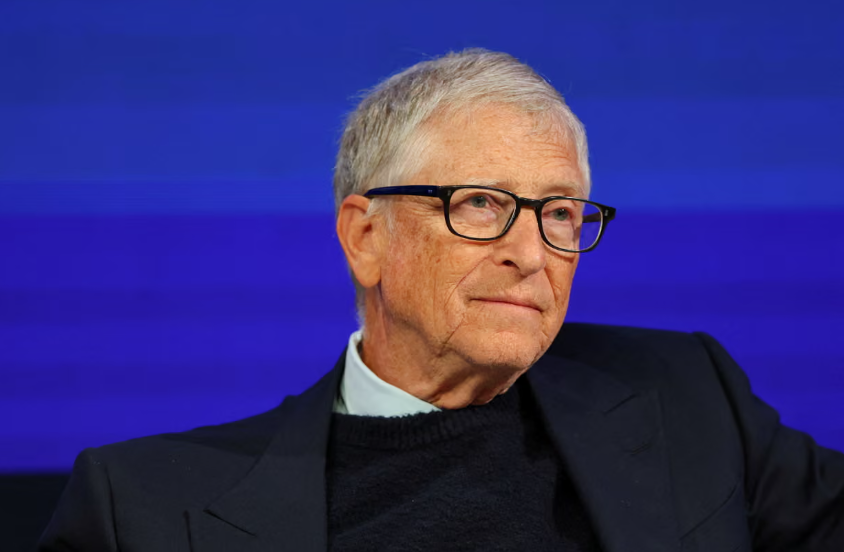
Bill Gates cancelled his scheduled keynote address at the India AI Impact Summit just hours before he was due to speak, after his name appeared in the recently released Epstein files — raising renewed public scrutiny of his past association with the late financier. This abrupt withdrawal comes as India hosts one of the largest global gatherings focused on artificial intelligence policy, innovation, and ethical governance.
The change in plans was confirmed by the Gates Foundation, which said Gates will not deliver his keynote to “ensure the focus remains on the summit’s key priorities,” and instead sent Ankur Vora, the president of its Africa and India offices, to represent the foundation.
A Global Summit Marred by High-Profile Withdrawal
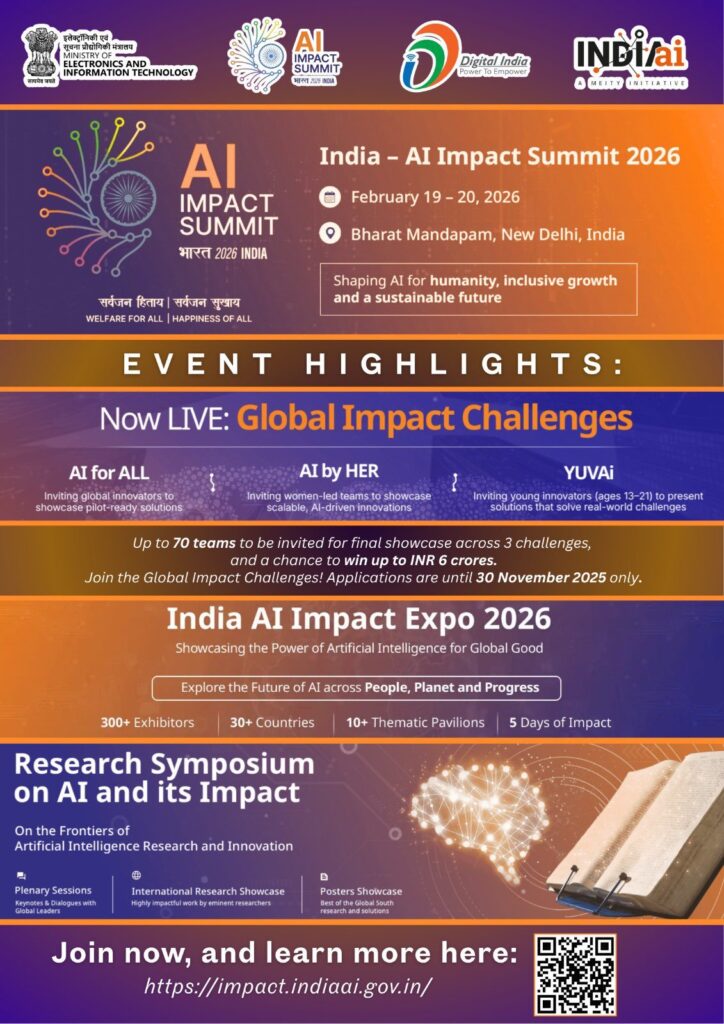
The India AI Impact Summit 2026, held in New Delhi, is one of the first major AI policymaking events bringing together political leaders, technology CEOs, and international representatives to discuss how artificial intelligence can benefit societies — especially in the Global South. Speeches from leaders like Indian Prime Minister Narendra Modi and tech executives like Sundar Pichai, Sam Altman, and Dario Amodei were expected to draw global media attention.
With Gates’ withdrawal, the summit has faced added headlines not just for visionary AI dialogue, but also for controversy. The decision grabbed worldwide attention because Gates is one of the most influential voices in tech philanthropy and someone whose views could shape global discussions on AI ethics.
Why This Matters Now
Gates’ cancellation is not merely a scheduling shift. It comes at a moment when the Epstein files — newly released U.S. Department of Justice documents — have cast public attention back on people linked, directly or indirectly, to Jeffrey Epstein, a convicted sex offender who died by suicide in 2019. These documents include emails between Epstein and various senior figures, some referring to personal and questionable interactions that have sparked renewed media and public scrutiny.
Although Gates has denied wrongdoing, calling certain claims “false” and expressing regret for ever associating with Epstein, the timing of these revelations placed the foundation in a delicate position just as the India AI summit commenced.
Why this matters now: global tech events rely heavily on credibility and influence. A last-minute withdrawal by a leading figure over reputational issues underscores how public trust — not just expertise — directly affects international leadership roles in next-generation technologies like AI.
The Gates Foundation’s Statement and Official Response
According to official comments from the Gates Foundation, Gates’ decision was made after “careful consideration” in order to keep the summit’s attention on AI and not on unrelated controversies. The foundation stated it remains fully committed to its work in India, which includes health, education, and development partnerships, and that these efforts will continue through official representatives present at the summit.
Ankur Vora, who stepped in for Gates, is a senior leader in the foundation with responsibility for initiatives across Africa and India. His presence ensures continuity of the foundation’s mission, even as questions swirl in public discussion about past decisions and Gates’ own interactions with Epstein.
Public Reaction, Summit Coverage, and Broader Implications
Social media and international news outlets exploded with commentary — some focused on the controversy itself, others on how this decision could influence global perceptions of tech leadership and philanthropic responsibility. In India, discussions have ranged from excitement about AI innovation opportunities to criticism over planning and logistical challenges surrounding the summit.
For example, the summit itself was already drawing attention for investment pledges exceeding $200 billion toward AI infrastructure by Indian conglomerates and global tech companies — signalling India’s leadership ambitions in the sector. Still, logistical criticisms, including traffic disruptions and organisational disputes, have accompanied these headline-grabbing figures.
Looking Ahead: What’s Next for AI Policy Dialogue
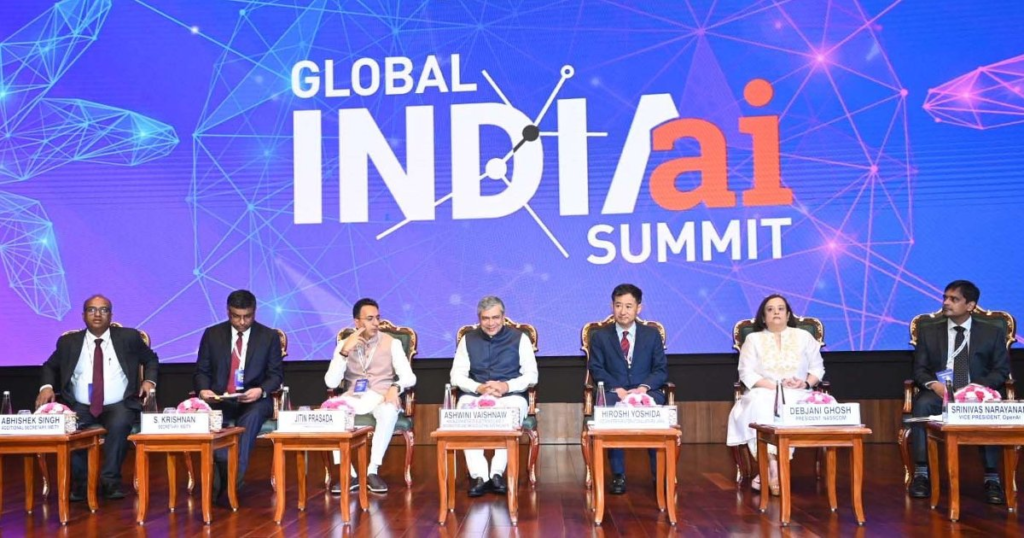
Despite the setback of a major keynote withdrawal, the India AI Impact Summit provides a platform for global AI policy coordination. Leaders from technology, government, and civil society will continue debating crucial topics — from digital equity to ethical AI standards, and from privacy laws to economic opportunities — especially for developing economies.
The Gates Foundation’s continued participation through representatives highlights that, even amid reputational challenges, institutional commitments to AI for social good remain intact. However, observers note that public perception — especially in high-stakes global forums — will increasingly influence which voices are seen as authoritative and trustworthy in technopolitical debates.
Subscribe to trusted news sites like USnewsSphere.com for continuous updates.