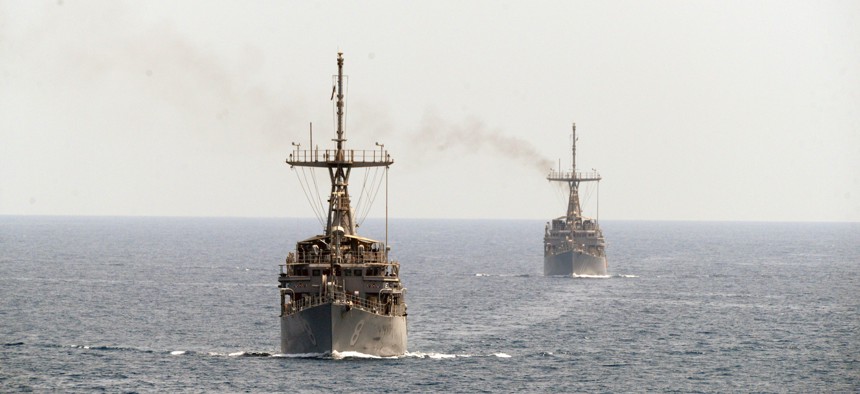
The US military is preparing for potentially weeks-long operations against Iran as tensions between Washington and Tehran escalate to levels not seen in years, signaling a pivotal moment in global geopolitics that could reshape Middle East stability and international diplomacy.
For Americans, Europeans, Middle Eastern nations, and global markets, this development matters now because prolonged planning for sustained military engagement suggests that diplomacy may be nearing its limits — and that the U.S. government is positioning for outcomes far beyond quick strikes.
Why US Military Forces Are Preparing for Extended Operations
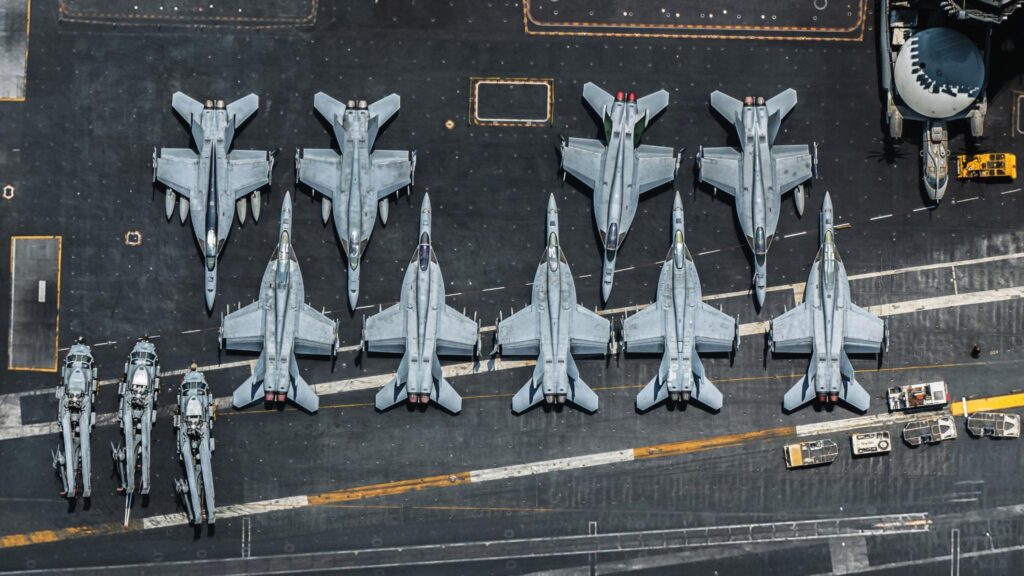
Senior U.S. officials, speaking on condition of anonymity due to the sensitivity of the issue, confirmed to Reuters that the Pentagon is planning for the possibility of sustained military operations against Iran that could last several weeks if ordered by the President.
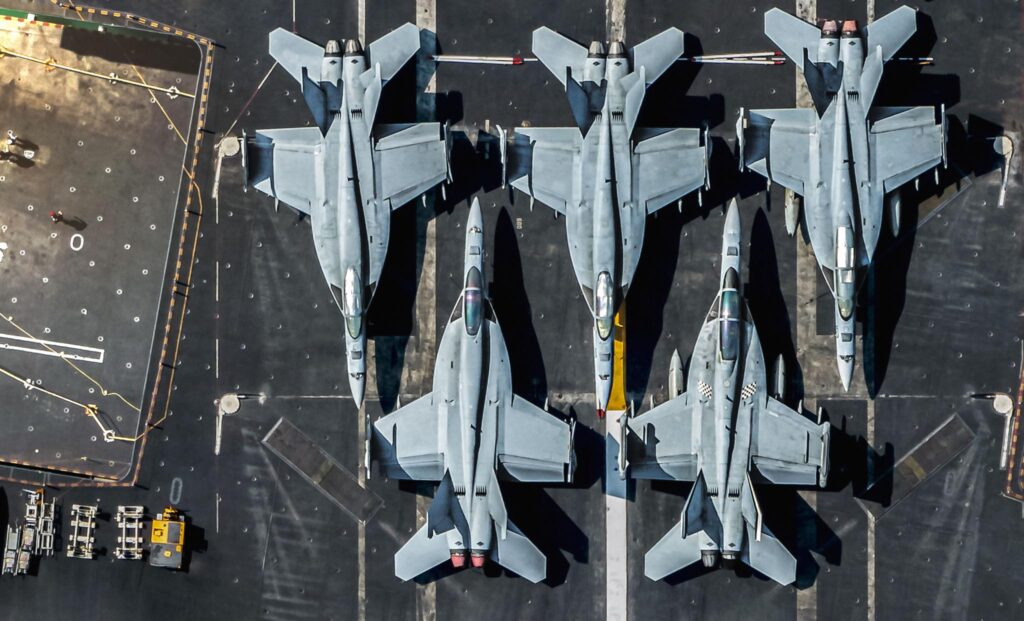
This preparation reflects a major shift from reactive, one-off attacks to planning for a broader campaign. Defense planners are positioning not just a single carrier group but multiple major naval assets, thousands of troops, fighter jets, missile-equipped destroyers, and support aircraft across the Middle East.
Unlike previous limited operations — such as those targeting nuclear facilities — this potential campaign could extend to broader Iranian state and security infrastructure, significantly widening the scope of engagement and increasing the risk of direct confrontation or retaliatory actions.
Diplomatic Efforts Continue Amid Rising Tensions
Despite rising military preparations, diplomatic channels have not been abandoned. Indirect talks between U.S. and Iranian delegations took place recently in Oman with the aim of reviving negotiations over Tehran’s contentious nuclear program.
However, a major sticking point remains Iran’s ballistic missile program, which Tehran insists is non-negotiable. Washington has sought to expand discussions beyond nuclear issues to include missiles, regional proxy activity, and human rights concerns — complicating diplomatic progress.
President Trump has publicly stated he is dissatisfied with the pace and substance of talks, warning that failure to reach meaningful agreements could lead to “very painful” consequences.
Strategic and Global Stakes of a Prolonged Operation
The broader international community is watching closely. A sustained U.S. campaign against Iran could fundamentally alter regional alliances, escalate conflict in Iraq, Syria, and the Persian Gulf, and trigger retaliation that extends beyond the Middle East.
Oil markets have already shown sensitivity to the prospect of conflict. Crude prices edged up on heightened fears of supply disruptions, especially through strategic chokepoints like the Strait of Hormuz — a vital artery for global energy shipments.
If military action escalates, global shipping, insurance premiums, and energy costs could be severely affected, with ripple effects on economies from Asia to Europe and the United States.
Iran’s Response and Threats of Retaliation
Iran has not taken the U.S. buildup lightly. Tehran has made clear it will defend its sovereignty and strategic interests. Iranian officials have warned that U.S. bases and assets across the region would be legitimate targets in retaliation for an attack.
This raises the specter of back-and-forth strikes, proxy involvement, and extended combat across multiple fronts — a scenario far more volatile than a short, surgical strike.
Regional Dynamics and International Reactions
Allies such as Israel are deeply involved in the calculations. Israeli leaders insist any deal with Iran must address threats to their national security, including Iran’s missile program and regional proxy networks.
Neighboring Gulf nations, already wary of Iran’s influence, are on heightened alert as U.S. forces amass nearby. Saudi Arabia, Qatar, Bahrain, Kuwait, and the UAE host critical U.S. facilities that could become focal points in a wider conflict.
Why This Matters Now
The combination of extensive military build-up, fragile diplomacy, and global economic stress — particularly around oil security — means this situation is a defining moment in international relations. With the world still reeling from the long tails of past conflicts, any escalation between the U.S. and Iran could redefine strategic balances for years to come.
The U.S. military’s preparation for potentially weeks-long operations against Iran represents more than tactical planning: it’s a signal that geopolitical tensions have reached a critical phase. Diplomacy remains in play, but military readiness suggests a readiness for worst- case scenarios. Countries and markets around the globe stand vigilant as new developments unfold.
Subscribe to trusted news sites like USnewsSphere.com for continuous updates.