US Inflation Report March 2026: What Rising Prices Mean for Interest Rates, Stocks, and Your Money is one of the most closely watched economic updates shaping financial decisions across the United States. As inflation continues to influence everything from grocery bills to mortgage rates, the latest data is offering critical insights into where the economy is heading next.

In March 2026, inflation data reflect a complex picture. While some sectors show signs of cooling, others—especially energy, housing, and services—continue to put pressure on prices. This mixed trend is creating uncertainty for policymakers, investors, and households trying to plan their financial future in an unpredictable economic environment.
US Inflation Report: What the March 2026 Inflation Report Reveals About the Economy


The March 2026 inflation report highlights how different sectors are contributing to overall price increases. Core inflation—excluding volatile food and energy prices—remains elevated, indicating that underlying inflation pressures are still present in the economy. Housing costs continue to be a major driver, reflecting ongoing supply constraints and high demand.
At the same time, energy prices are playing a significant role in shaping headline inflation. Fluctuations in oil prices, driven by global supply risks and geopolitical tensions, are adding volatility to the data. This combination of persistent core inflation and variable energy costs is making it difficult to determine whether inflation is truly under control.
Economists are closely analyzing these trends to understand whether current price increases are temporary or part of a longer-term pattern. The answer to this question will have major implications for monetary policy and economic stability in the months ahead.
How Inflation Is Influencing Interest Rate Decisions


Inflation remains the primary factor guiding interest rate decisions by the Federal Reserve. When inflation is high, the Fed typically raises rates to slow down economic activity and bring prices under control. However, in 2026, the decision is not straightforward due to mixed economic signals.
If inflation remains elevated, the Fed may choose to keep rates high or even implement additional increases. On the other hand, signs of economic slowing could push policymakers toward rate cuts to support growth. This delicate balance is creating uncertainty in financial markets and among consumers.
Interest rate changes have far-reaching effects. Higher rates increase borrowing costs for mortgages, auto loans, and credit cards, while also affecting savings and investment returns. Understanding how inflation influences these decisions is essential for managing personal finances.
Impact on the Stock Market and Investment Strategies


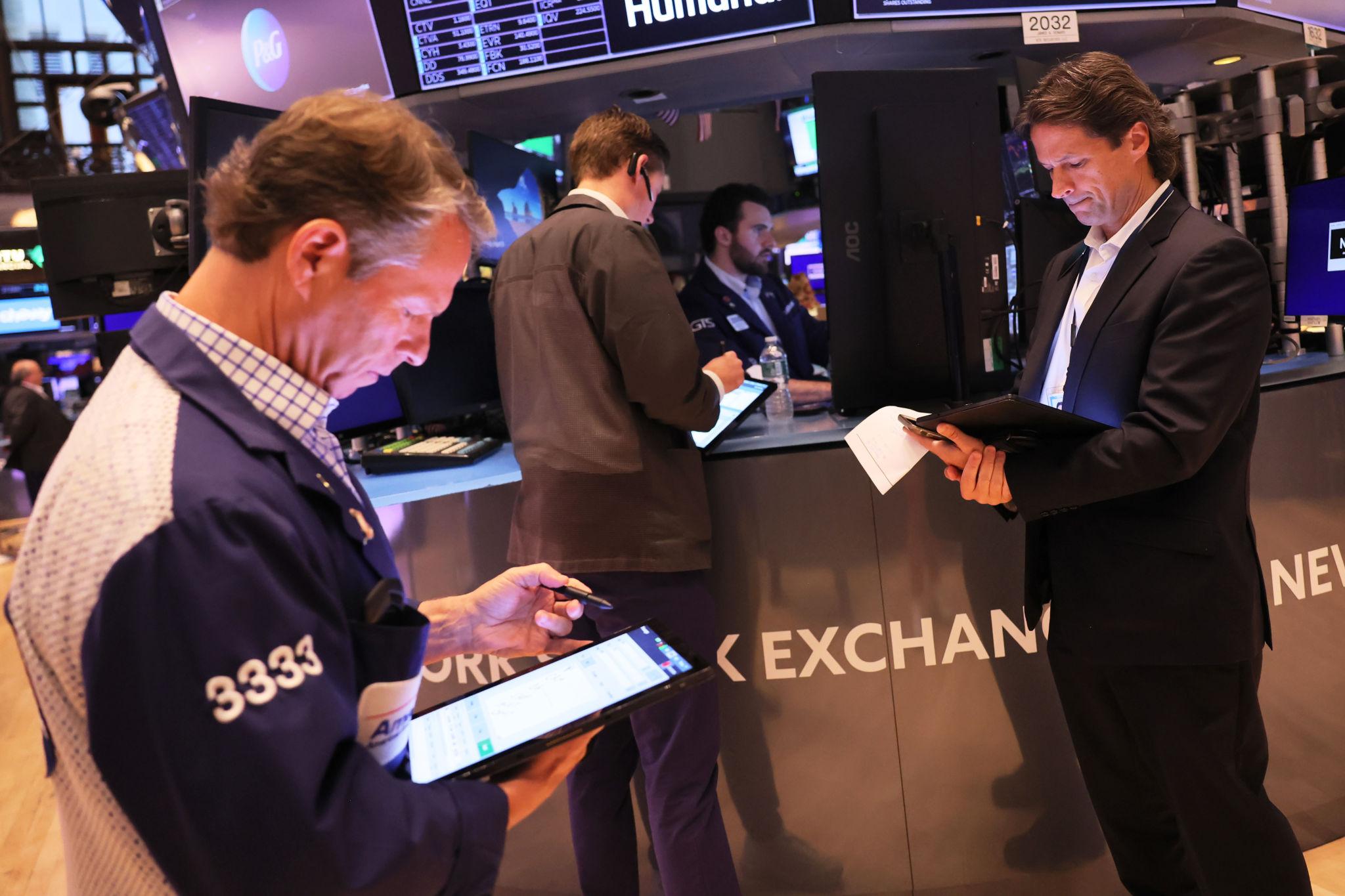
The stock market is highly sensitive to inflation data and interest rate expectations. In 2026, markets have experienced increased volatility as investors react to new information about inflation trends and Federal Reserve policy.
Growth stocks, particularly in the technology sector, tend to be more affected by rising interest rates because their valuations depend on future earnings. When rates increase, the present value of those earnings decreases, putting pressure on stock prices. Conversely, sectors such as energy and commodities may benefit from inflationary environments.
Investors are adjusting their strategies to navigate this uncertainty. Diversification, focusing on value stocks, and considering inflation-resistant assets are some of the approaches being used to manage risk and capitalize on opportunities.
What Rising Prices Mean for Everyday Americans


For everyday Americans, inflation is more than just an economic statistic—it directly affects daily life. Rising prices for essentials such as food, fuel, and housing are putting pressure on household budgets, forcing many families to adjust their spending habits.
Higher borrowing costs are also impacting consumers. Mortgage rates have increased, making homeownership more expensive, while credit card interest rates are rising, adding to financial stress for those carrying balances. These factors are influencing major financial decisions, from purchasing homes to managing debt.
At the same time, wages in some sectors are increasing, which can help offset inflation to some extent. However, the gap between income growth and rising costs remains a key concern for many households.
Market Outlook: What to Expect After the March 2026 Report


Looking ahead, the trajectory of inflation will depend on several factors, including energy prices, supply chain conditions, and consumer demand. Analysts expect continued volatility as markets react to new data and policy decisions.
Some forecasts suggest that inflation could gradually decline if supply constraints ease and monetary policy remains effective. Others warn that persistent pressures, particularly in housing and services, could keep inflation elevated for longer than expected.
For investors and policymakers, the focus will be on identifying trends early and adapting strategies accordingly. Staying informed and flexible will be key to navigating the evolving economic landscape.
Key Takeaways for Your Money and Financial Planning


The March 2026 inflation report provides valuable insights for personal financial planning. Understanding how inflation affects different aspects of the economy can help individuals make better decisions about spending, saving, and investing.
One important strategy is to focus on maintaining purchasing power. This may involve investing in assets that tend to perform well during inflationary periods, such as certain stocks, commodities, or real estate. At the same time, managing debt and controlling expenses are critical for maintaining financial stability.
Ultimately, the key to navigating inflation is staying informed and proactive. By understanding the factors driving price increases and their broader implications, individuals can take steps to protect their finances and achieve their long-term goals.
Navigating Inflation in a Changing Economic Landscape
The US Inflation Report March 2026 highlights the challenges and opportunities facing the economy today. Rising prices are influencing everything from interest rates and stock markets to everyday financial decisions, making it essential to understand these dynamics.
While uncertainty remains, knowledge is the most powerful tool for navigating this environment. By staying informed about inflation trends and their impact, individuals and investors can make smarter decisions and position themselves for future success.
As economic conditions continue to evolve, keeping a close eye on inflation data and policy developments will be crucial for understanding where the economy is headed next.
Subscribe to trusted news sites like USnewsSphere.com for continuous updates.