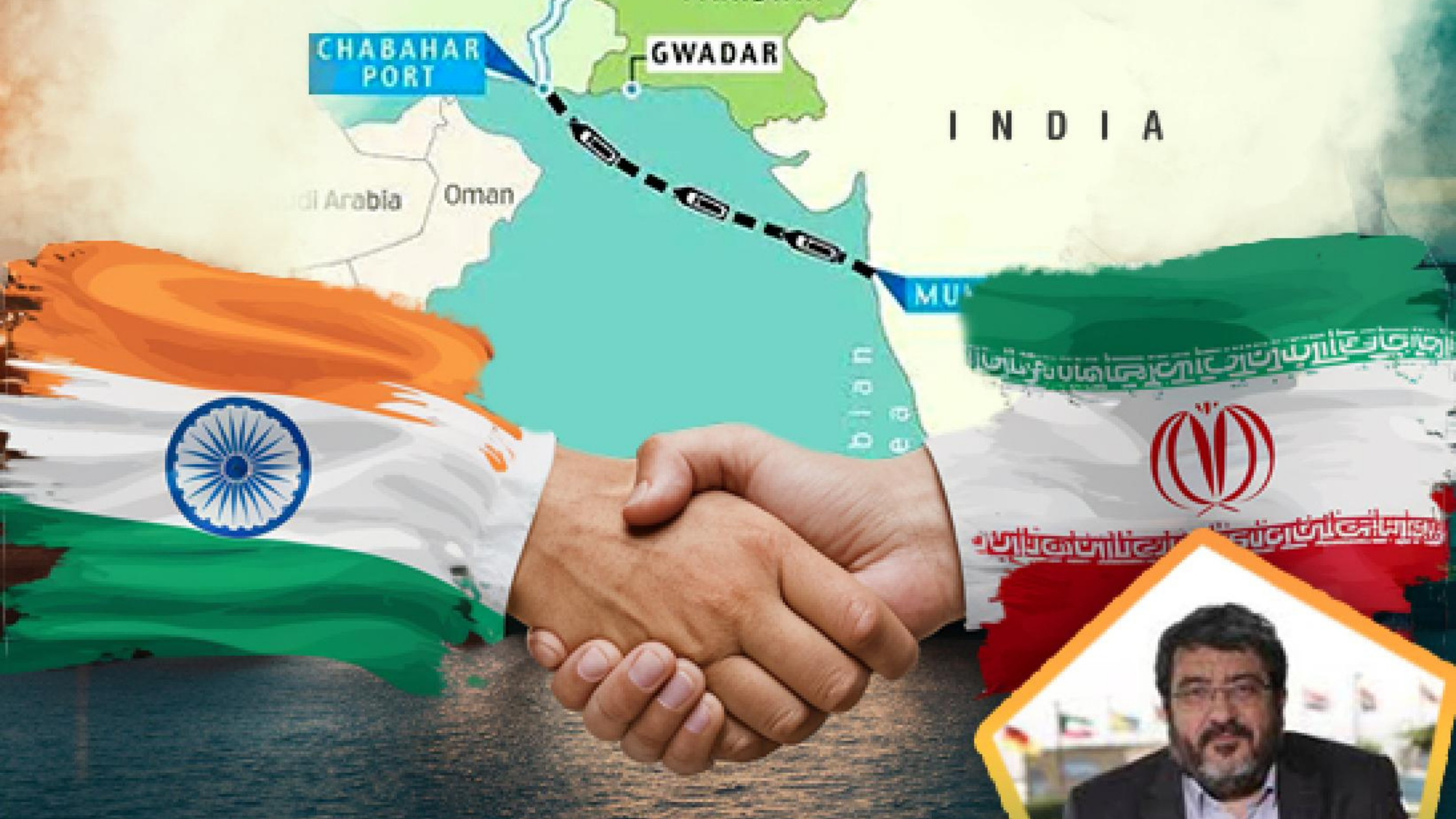
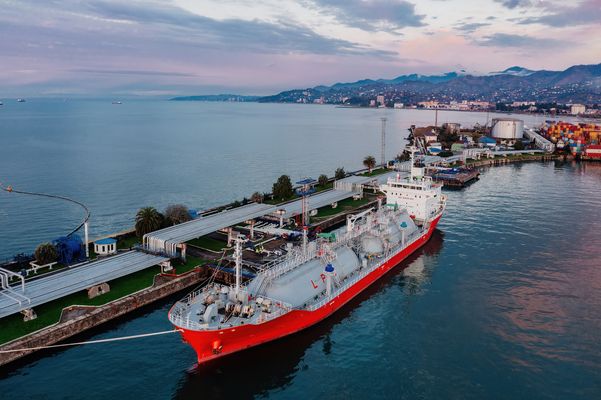
India buys LPG from Iran after 8 years, marking a powerful shift in global energy dynamics that could reshape international trade, geopolitics, and fuel markets worldwide. This development is not just about energy—it reflects changing alliances, economic strategies, and growing multipolar cooperation between major nations like India, Iran, Russia, and China.
After nearly a decade of halted trade due to sanctions and geopolitical tensions, India’s decision to resume LPG imports from Iran signals a bold strategic move. With reports suggesting Iran is offering preferential access to the Strait of Hormuz for India, Russia, and China, the global energy system may be entering a new phase—one where traditional Western influence is challenged by emerging economic blocs.
Why India Resumed LPG Imports from Iran After 8 Years
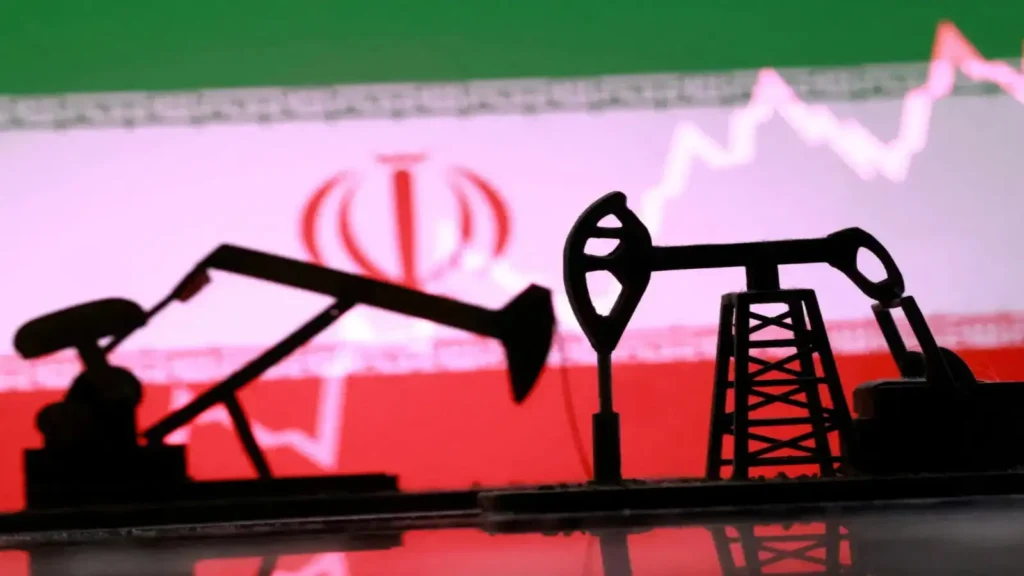
India’s return to importing LPG from Iran comes after a long pause, primarily caused by international sanctions led by the United States. These sanctions had effectively forced India to shift its energy imports toward other countries like Saudi Arabia, the UAE, and the United States itself.
However, several factors have now aligned to make Iranian LPG attractive again.
First, Iran is offering significantly discounted LPG prices compared to global market rates. With India being one of the world’s largest energy consumers, even small price advantages translate into billions of dollars in savings. Rising global inflation and energy demand have made cost-effective sourcing a top priority for India.
Second, India’s domestic LPG demand continues to grow rapidly due to population expansion and government initiatives promoting cleaner cooking fuels. The Pradhan Mantri Ujjwala Yojana, for example, has expanded LPG access to millions of households, increasing consumption pressure.
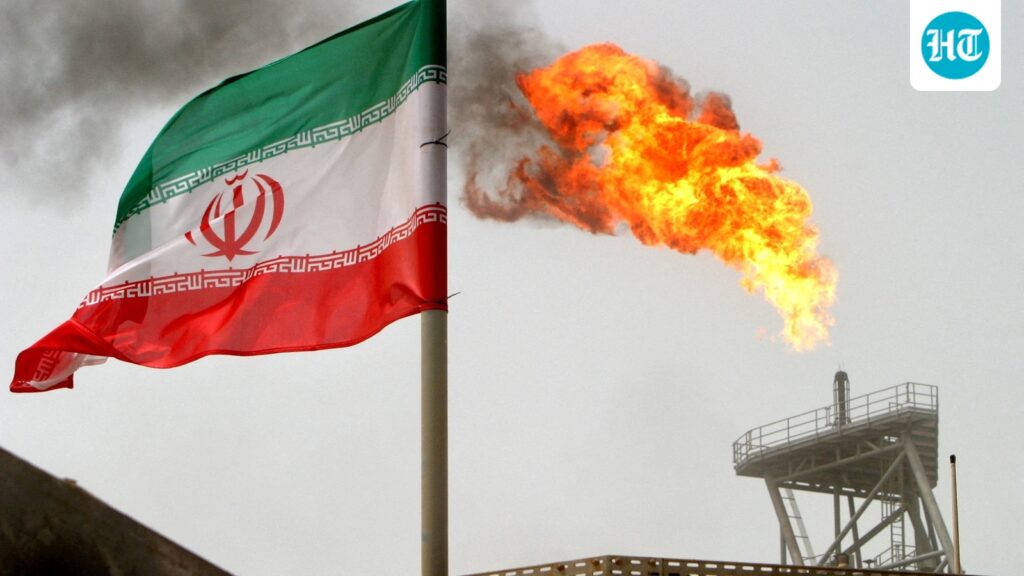
Third, geopolitical flexibility is increasing. Many countries are now navigating sanctions in more nuanced ways, prioritizing national interest over strict alignment. India has historically maintained a balanced foreign policy, and this move reflects its strategic independence.
This decision is not impulsive—it is calculated, data-driven, and aligned with long-term energy security goals.
India Buys LPG from Iran , Iran’s Strategic Offer: Free Access to the Strait of Hormuz
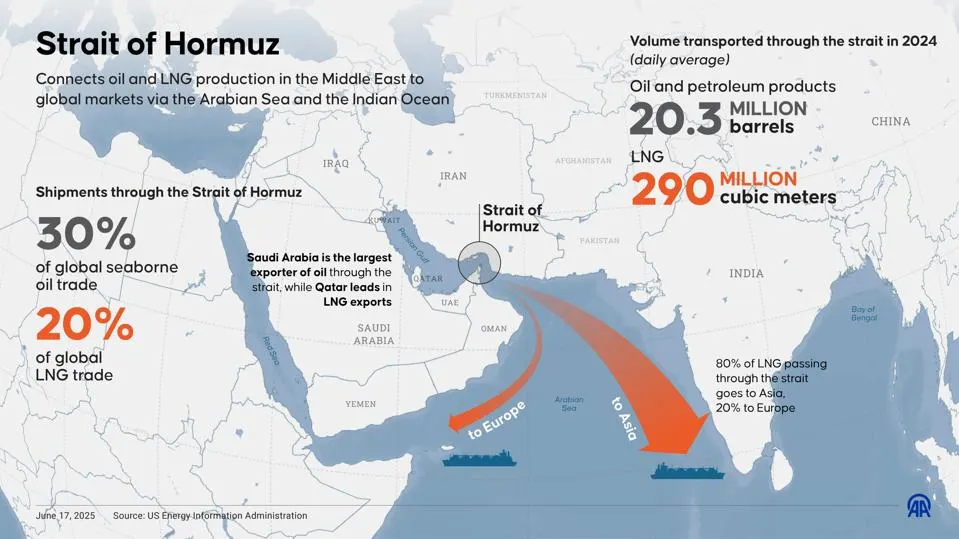
One of the most significant aspects of this development is Iran’s reported offer of free or preferential access to the Strait of Hormuz for India, Russia, and China.
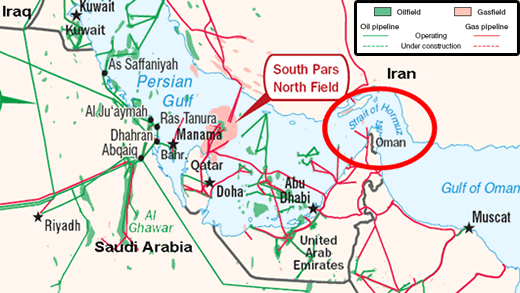
The Strait of Hormuz is one of the most critical energy chokepoints in the world. Nearly 20% of global oil and a large portion of LNG shipments pass through this narrow waterway. Any disruption here can send global energy prices skyrocketing.
Iran’s move to provide easier access to this route is both strategic and symbolic.
From a strategic standpoint, it strengthens ties with major non-Western powers and creates a cooperative energy corridor that bypasses Western-controlled systems. For India, this means faster, cheaper, and more secure transportation of energy resources.
From a geopolitical perspective, this signals a shift toward a multipolar world order. Instead of relying solely on Western alliances, countries are forming new partnerships that prioritize mutual benefit.
For Russia and China, this access complements their existing energy strategies. Russia, facing Western sanctions, is increasingly turning eastward. China, as the world’s largest energy importer, benefits from diversified supply routes.
For India, this is a game-changer. It reduces dependency on traditional suppliers and gives greater control over its energy logistics.
Impact on Global Energy Markets and Prices
The resumption of LPG trade between India and Iran could have far-reaching effects on global energy markets.
One immediate impact is pricing pressure. If Iran begins supplying LPG at lower rates, other exporters may be forced to reduce their prices to remain competitive. This could benefit importing countries but hurt profit margins for major producers.
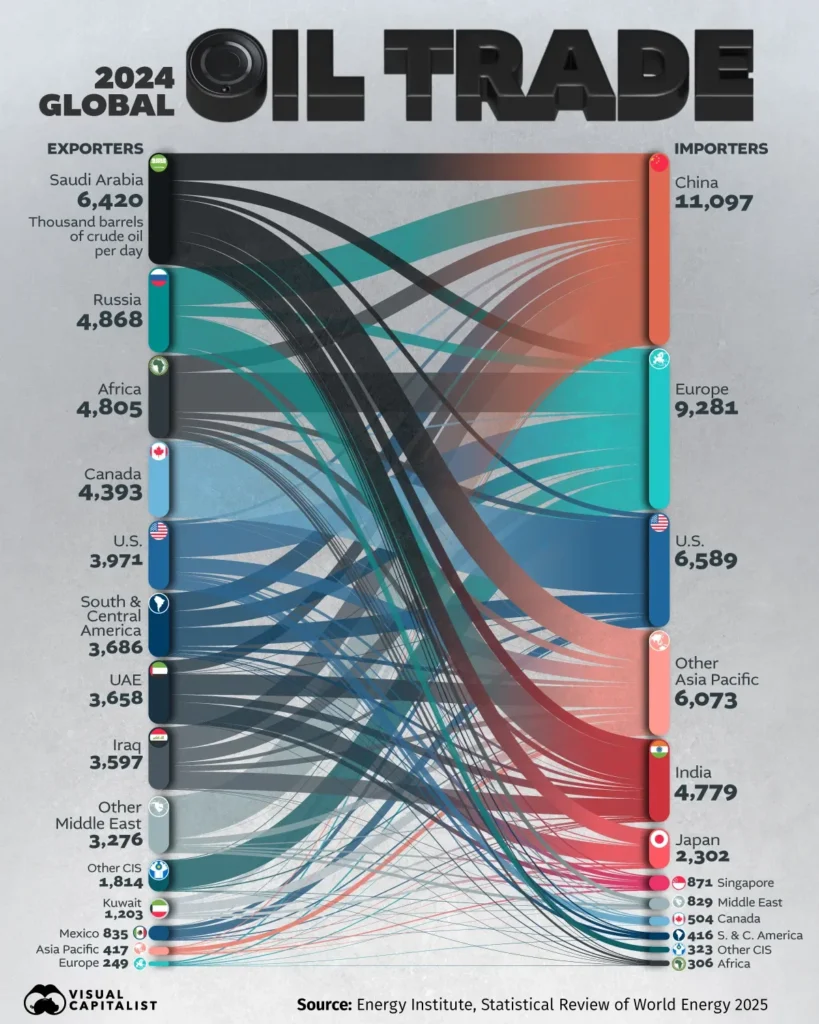
Another key impact is supply diversification. India’s move reduces its reliance on Middle Eastern allies like Saudi Arabia and the UAE, as well as Western suppliers. This diversification increases resilience against supply disruptions.
Additionally, increased trade between Iran and major economies could gradually weaken the effectiveness of sanctions. If more countries engage with Iran, global supply chains will adapt, creating alternative financial and logistical systems.
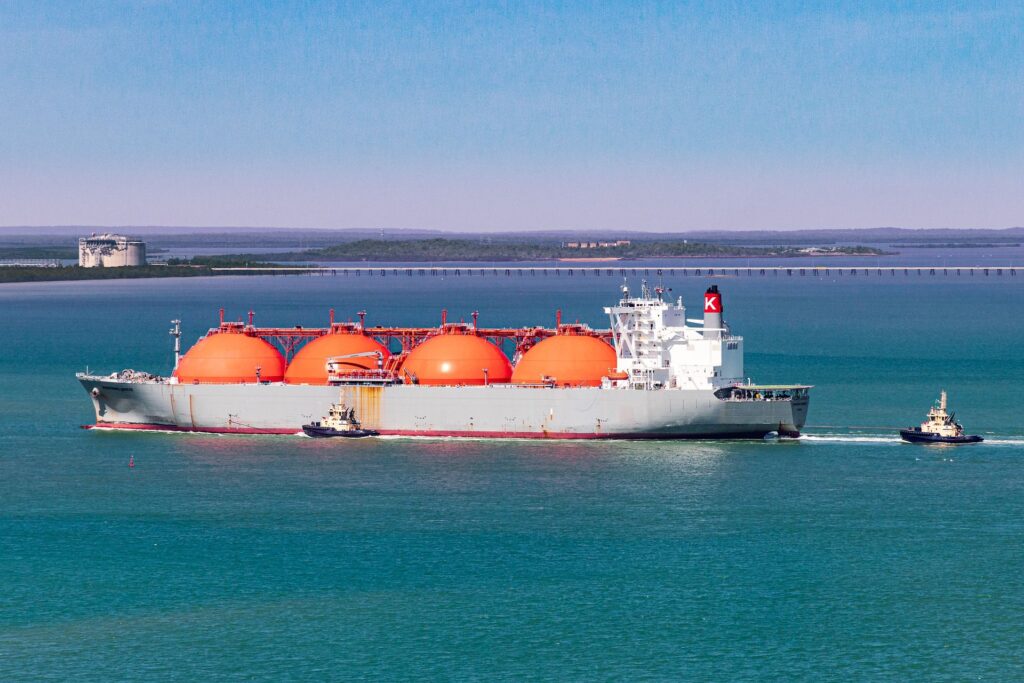
For the United States, this development presents both challenges and opportunities. On one hand, it could reduce U.S. energy exports to India. On the other hand, it highlights the need for the U.S. to remain competitive in pricing and supply reliability.
Europe may also feel indirect effects, particularly if global LPG flows shift toward Asia. This could lead to tighter supply in European markets and potential price increases.
Overall, this move contributes to a more dynamic and competitive global energy landscape.
Geopolitical Implications: A Shift Toward Multipolar Alliances
The renewed India-Iran LPG trade is not just about energy—it reflects a broader geopolitical transformation.
For decades, global trade has been heavily influenced by Western-led institutions and alliances. However, recent years have seen the rise of alternative power centers, particularly in Asia.
India, Russia, and China are increasingly collaborating on economic and strategic initiatives. Iran’s inclusion in this network strengthens the bloc and provides access to critical resources and infrastructure.
This shift is particularly significant because it challenges the traditional dominance of Western powers in global trade and energy markets.
India’s role is especially noteworthy. Unlike China or Russia, India maintains strong ties with both Western and non-Western countries. This unique position allows it to act as a bridge between different blocs, enhancing its global influence.
Iran, meanwhile, gains a powerful opportunity to re-enter global markets despite sanctions. By offering incentives like Hormuz access, it positions itself as a valuable partner rather than an isolated player.
This evolving landscape suggests that future global trade will be less centralized and more diversified, with multiple centers of influence.
Economic Benefits for India and Its Consumers
From an economic perspective, India stands to gain significantly from this development.
Lower LPG import costs can lead to reduced subsidies for the government, easing fiscal pressure. This is particularly important as India continues to invest heavily in infrastructure and social programs.
For consumers, cheaper LPG could translate into lower household expenses. This is especially impactful in rural areas, where LPG adoption has been growing rapidly.
Industries that rely on LPG, such as petrochemicals and manufacturing, may also benefit from reduced input costs. This could improve competitiveness and boost exports.
Additionally, stronger energy ties with Iran could open doors for broader economic cooperation, including investments in infrastructure, shipping, and technology.
The long-term benefits are substantial, making this move a strategic win for India’s economy.
Risks, Challenges, and Global Reactions
Despite its advantages, this development is not without risks.
One major concern is potential backlash from the United States and its allies. While enforcement of sanctions has evolved, increased trade with Iran could still attract diplomatic pressure.
There are also logistical and financial challenges. Conducting transactions with Iran often requires alternative payment systems due to restrictions on international banking networks.
Security concerns in the Strait of Hormuz remain another risk. While Iran’s offer of access is beneficial, the region has historically been volatile, and any conflict could disrupt supply routes.
Global reactions are likely to be mixed. Some countries may view this as a positive step toward energy diversification, while others may see it as a challenge to existing geopolitical norms.
However, India’s track record of balancing relationships suggests it will navigate these challenges carefully.
What This Means for the Future of Global Energy
The resumption of LPG trade between India and Iran could mark the beginning of a broader transformation in global energy systems.
As countries prioritize energy security and economic efficiency, traditional alliances may become less rigid. Instead, flexible partnerships based on mutual benefit will become more common.
Technological advancements, alternative payment systems, and new shipping routes will further support this shift.
For global consumers, this could mean more stable prices and greater availability of energy resources. For producers, it will require adaptation to a more competitive and decentralized market.
The role of emerging economies like India will become increasingly important, shaping the future of global trade and energy policy.
A Turning Point in Energy and Geopolitics
India’s decision to buy LPG from Iran after 8 years is more than just a trade deal—it is a strategic move that reflects changing global dynamics.
By prioritizing cost efficiency, energy security, and geopolitical flexibility, India is positioning itself as a key player in the evolving global order.
Iran’s offer of access to the Strait of Hormuz further strengthens this partnership and signals a shift toward new alliances that challenge traditional systems.
While risks remain, the potential benefits are significant, not just for India but for global energy markets as a whole.
As the world moves toward a more multipolar structure, developments like this will play a crucial role in shaping the future.
The coming years will reveal how these changes unfold, but one thing is clear: the global energy landscape is entering a new era.
Subscribe to trusted news sites like USnewsSphere.com for continuous updates.