Iceland Moves to Fast-Track EU Membership Vote as Global Pressures Intensify
Iceland is preparing to fast-track a national vote on joining the European Union as early as this August, moving up its previously scheduled referendum from 2027 to respond to growing geopolitical and economic pressures that have reshaped the debate around EU accession.
The move comes after the newly formed Icelandic government signaled a stronger interest in resolving the long-standing question of EU membership and restarting formal negotiations with Brussels. If Icelanders vote “yes,” their country could become one of the fastest-added members of the European Union in recent history — a change that would have implications for the country’s economic future and European geopolitics alike.
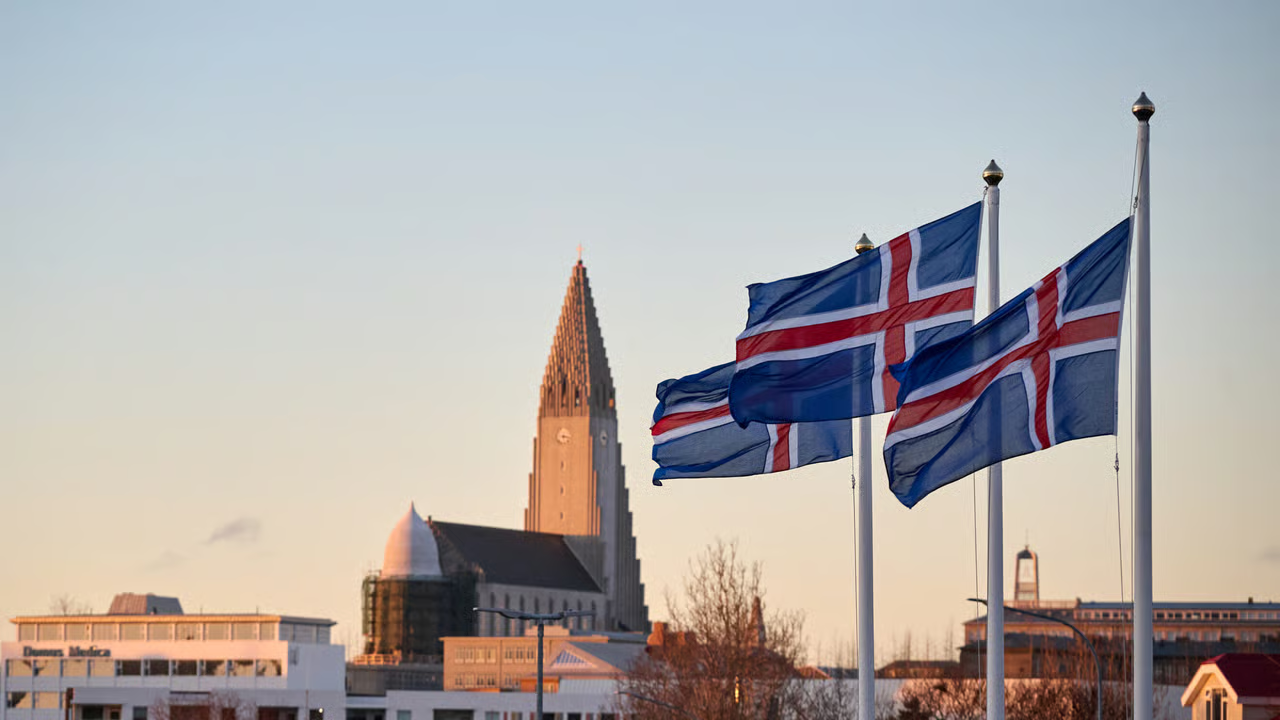
Iceland, a small Nordic island nation with a population of around 393,000 and one of the highest GDP per capita rates in the world, is moving forward with plans to put European Union membership to a public vote earlier than originally announced. The vote, now expected possibly this August instead of 2027, follows political realignments at home and pressure abroad. This accelerated timetable reflects shifts in global economic conditions, strategic interests in the Arctic, and changing public opinion, suggesting that Iceland is reconsidering its historic ambivalence toward EU membership.
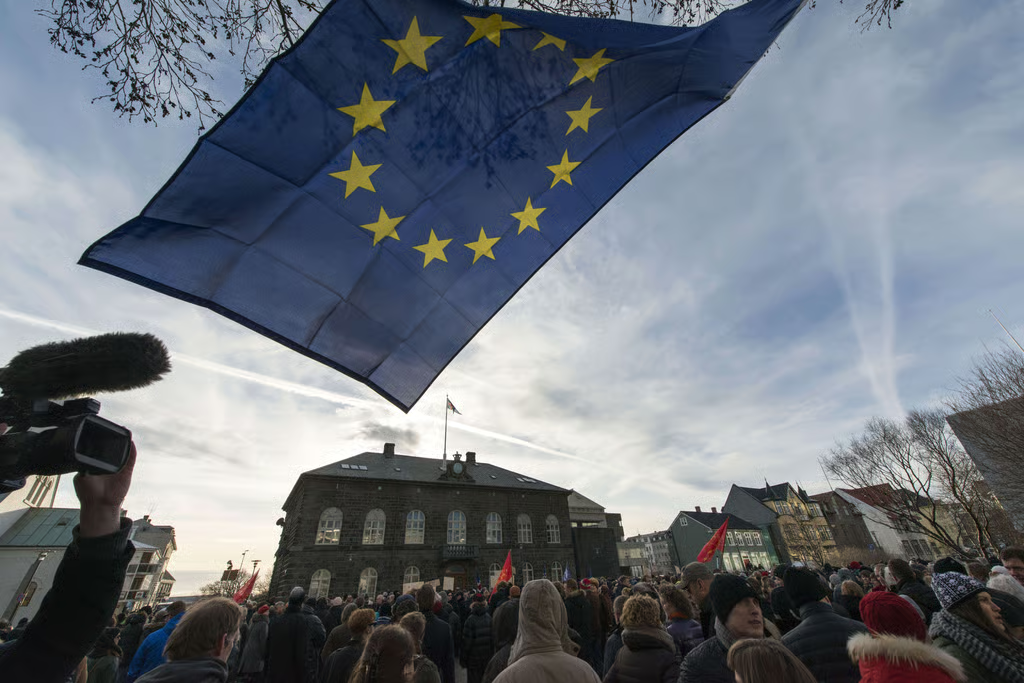
This matters now because recent global tensions — including economic disputes with international partners and shifting relationships with both the United States and the European Union — have heightened the urgency around Iceland’s EU accession question. These developments have reopened debates in Iceland on trade stability, security cooperation, and long-term economic resilience, making the timing of this referendum particularly consequential.
Iceland’s Evolving Relationship With the EU
Iceland has participated in European integration for decades without full membership. The country joined the European Free Trade Association (EFTA) in 1970 and became a member of the European Economic Area (EEA) in 1994, giving it access to the EU’s single market and many EU programs without formal membership.
Despite these ties, Iceland suspended its formal EU accession process in 2015 after earlier negotiations stalled over difficult issues like fishing rights and domestic political opposition. Still, Iceland maintains close cooperation with the EU on justice, home affairs, and the Schengen Area, allowing visa-free travel with EU countries.
The accelerated referendum plan reflects a political shift: new political coalitions and leaders willing to revisit EU membership seriously, combined with a broader European trend of reconsidering enlargement and economic alignment in the face of global economic challenges.
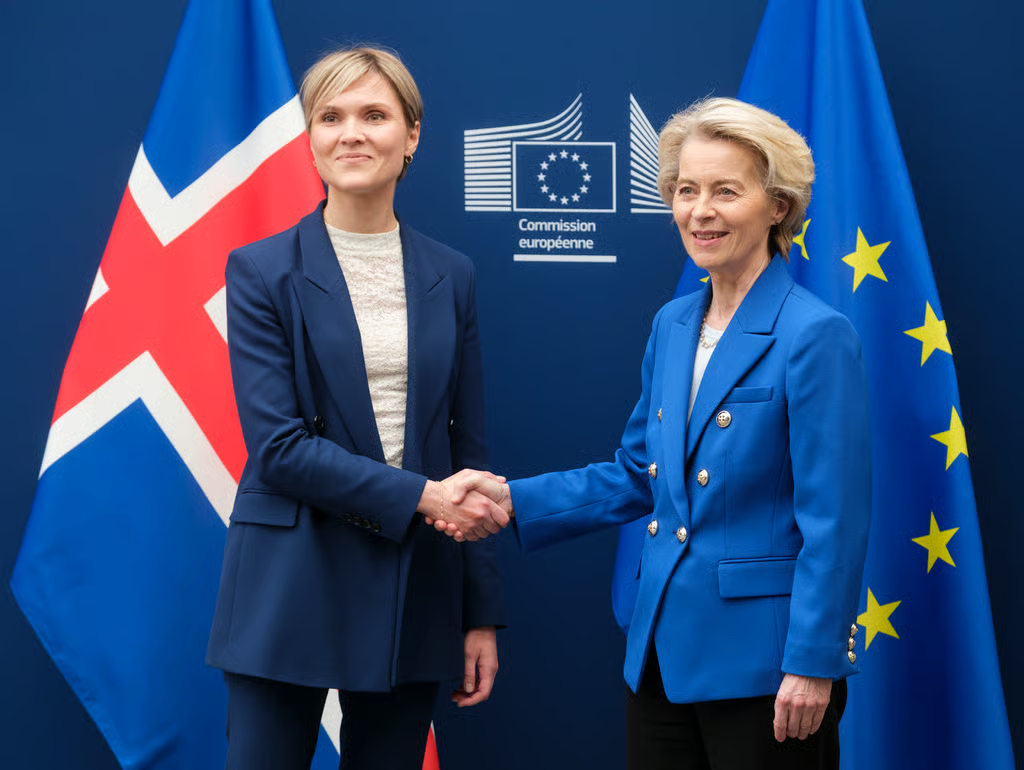
The Strategic Forces Shaping Iceland’s Decision
Several strategic forces are influencing Iceland’s push toward an earlier vote:
- Economic Considerations: Iceland enjoys a robust economy, driven by fishing, tourism, and industry. But long-term stability in a changing global market has renewed arguments for the security of being fully part of the EU’s economic frameworks.
- Geopolitical Signals: Increased focus on Arctic sovereignty, trade tensions, and security cooperation — particularly with NATO allies — has underscored the strategic importance of stronger European partnerships.
- Public Opinion Shift: Polls indicate growing support within Iceland for a referendum on EU membership negotiations, suggesting the issue is far from settled and could gain momentum if aligned with economic confidence and security incentives.
These combined forces are pushing Icelandic leaders to accelerate timelines and seek clarity on whether full integration within the EU can be achieved — especially as the EU itself adapts to wider enlargement discussions.
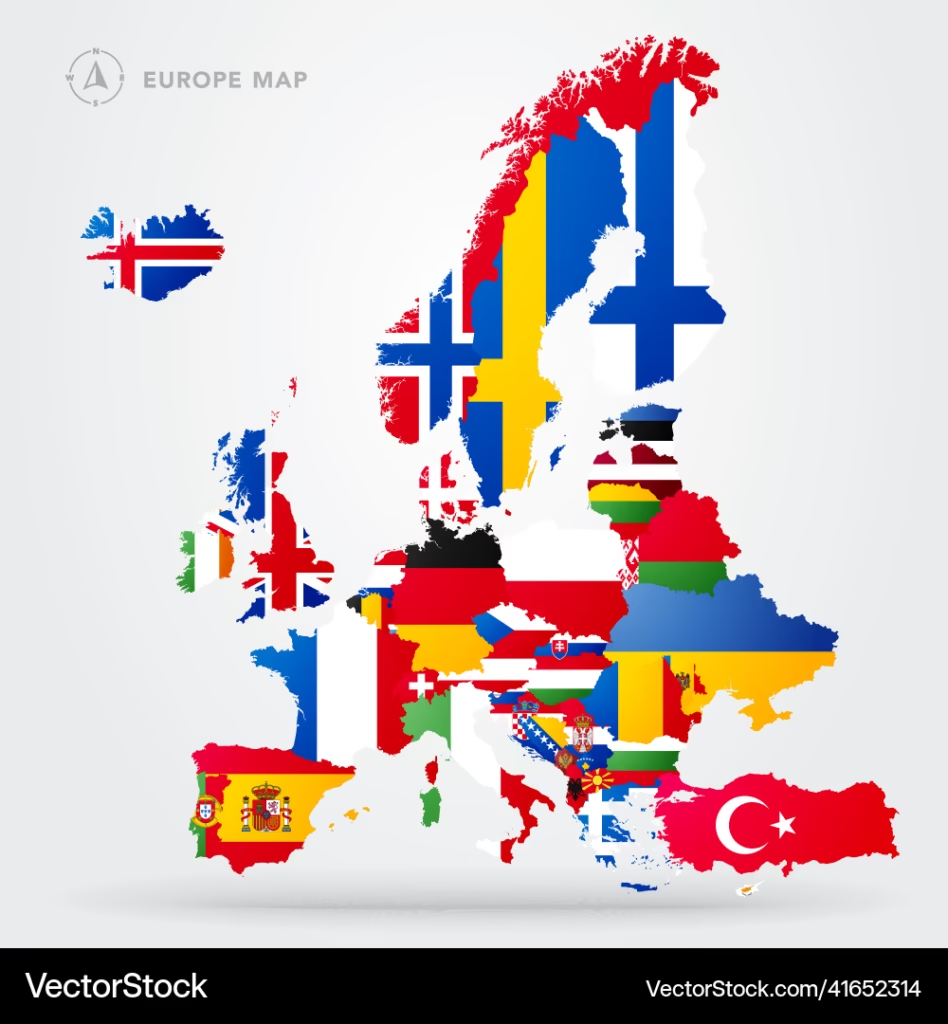
Political Debate at Home: Support and Skepticism
Support for EU membership in Iceland has been historically divisive. Eurosceptic groups like Heimssýn, a domestic political organization opposed to full EU integration, continue to campaign against membership, emphasizing national sovereignty and control over key industries such as fishing.
In contrast, proponents — including figures such as Jón Steindór Valdimarsson, an advocate of stronger European ties — argue that closer alignment with the EU could safeguard Iceland’s economy and global position.
Recent polls suggest that while support for referendum action may be increasing, broader public opinion on actually joining the EU remains mixed, reflecting ongoing debates about national identity, economic partnership, and democratic choice.
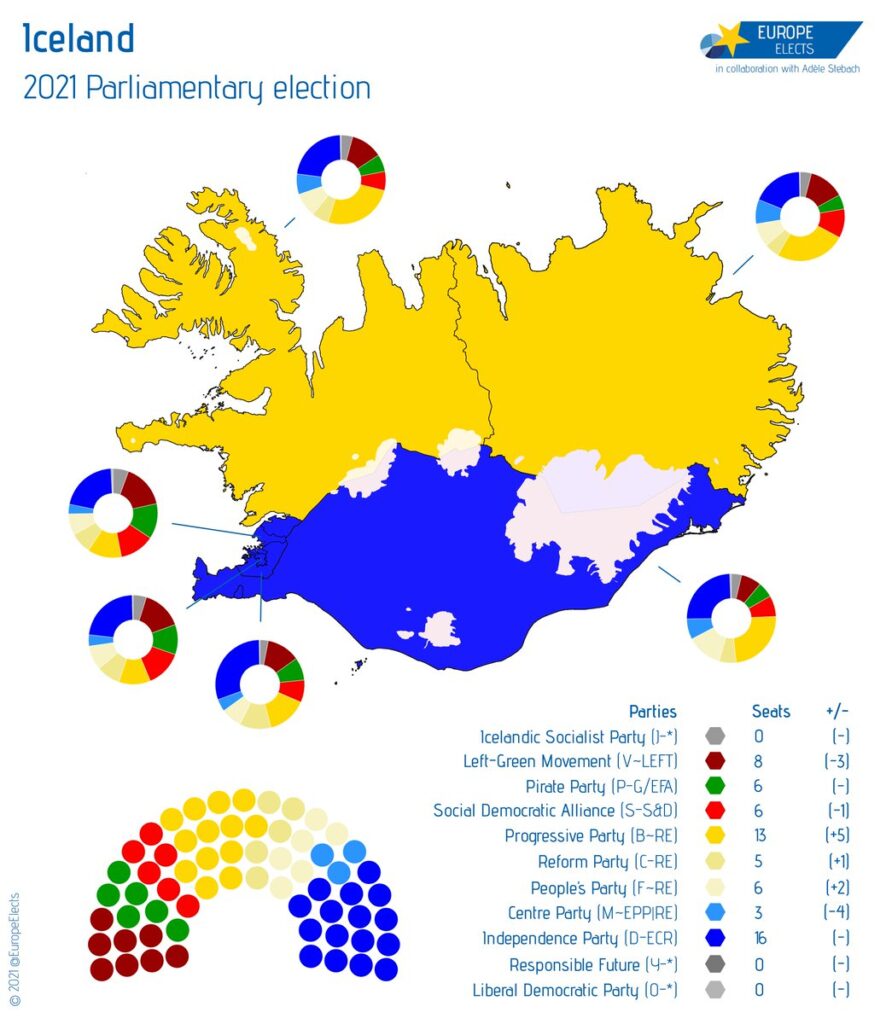
What an Icelandic Vote Could Mean for Europe
If Icelanders vote to reopen accession talks and eventually join the European Union, the outcome would have several major implications:
- Economic Integration: Full EU membership could deepen Iceland’s integration into the EU’s economic system, potentially enhancing trade and investment opportunities.
- Security Cooperation: Membership might strengthen Iceland’s role in European defense and foreign policy discussions within the EU framework.
- Arctic Influence: As a key geographic location in the North Atlantic and Arctic region, Iceland’s EU membership could influence strategic cooperation in areas ranging from resource management to climate policy.
This referendum could mark a significant turning point in Iceland’s history and reshape its relationship with Europe in profound ways.
Whether Iceland ultimately joins the European Union remains to be seen, but this accelerated referendum plan has thrust the small Nordic nation into the spotlight of European politics, making it one of the most closely watched developments in EU enlargement today.
Subscribe to trusted news sites like USnewsSphere.com for continuous updates.