
How to Read the US Economy Like a Pro Investor in 2026: Stocks, Rates, Inflation, and Hidden Signals Explained is not just a skill—it’s becoming a necessity in a year where markets are rising even as risks quietly build beneath the surface. In 2026, the US economy is sending mixed signals: stock markets are climbing, oil executives are warning about supply shocks, AI investment is exploding, and policymakers are debating debt sustainability. For investors who want to stay ahead, understanding how these signals connect is what separates long-term wealth builders from short-term speculators.

Understanding the Big Picture: Why the US Economy Looks Strong but Feels Fragile
The US economy in 2026 appears resilient on the surface. Equity markets have continued to climb despite ongoing geopolitical tensions and warnings from energy executives about potential oil supply disruptions. At the same time, corporate earnings in sectors like technology and energy are showing strength, helping maintain investor confidence.
However, beneath this strength lies a fragile balance. Debt levels are approaching historic highs relative to GDP, and policymakers are increasingly debating how long the current trajectory is sustainable. Meanwhile, economists are closely watching productivity gains from artificial intelligence, which could either support long-term growth or inflate a valuation bubble.

This combination of strong performance and underlying risk is why professional investors no longer rely on a single indicator. Instead, they analyze multiple signals simultaneously—stocks, interest rates, inflation, and global events—to understand where the economy is truly heading.
Stocks as a Leading Indicator: What the Market Is Really Telling You
Stock markets are often considered a forward-looking indicator of economic health. In 2026, the continued rise in US equities suggests that investors expect growth to persist. Sectors tied to artificial intelligence, energy, and infrastructure are leading gains, driven by both innovation and government spending.
But experienced investors know that rising markets don’t always mean a strong economy. Sometimes, they reflect excess liquidity or speculative behavior. The surge in certain tech stocks, for example, has raised concerns about a potential AI-driven bubble. When valuations expand faster than actual revenue growth, it signals that expectations may be getting ahead of reality.
Another key signal comes from market breadth. If only a handful of large companies are driving gains while smaller firms lag behind, it suggests that the rally may not be as healthy as it appears. Monitoring these dynamics helps investors distinguish between sustainable growth and temporary optimism.
Interest Rates and the Federal Reserve: The Most Powerful Economic Lever
Interest rates remain one of the most influential forces shaping the US economy. Decisions by the Federal Reserve affect borrowing costs, consumer spending, business investment, and ultimately, market valuations.
In 2026, the Federal Reserve is navigating a complex environment. Inflation has moderated compared to previous peaks, but it remains above long-term targets. As a result, policymakers are cautious about cutting rates too quickly, even as some sectors of the economy show signs of slowing.
For investors, the relationship between interest rates and asset prices is critical. Higher rates tend to reduce the present value of future earnings, which can pressure stock valuations—especially in growth sectors like technology. Conversely, stable or declining rates can support higher valuations and encourage risk-taking.
Watching signals such as Treasury yields, central bank statements, and policy projections allows investors to anticipate market movements before they happen.
Inflation Trends: The Silent Driver of Consumer and Market Behavior
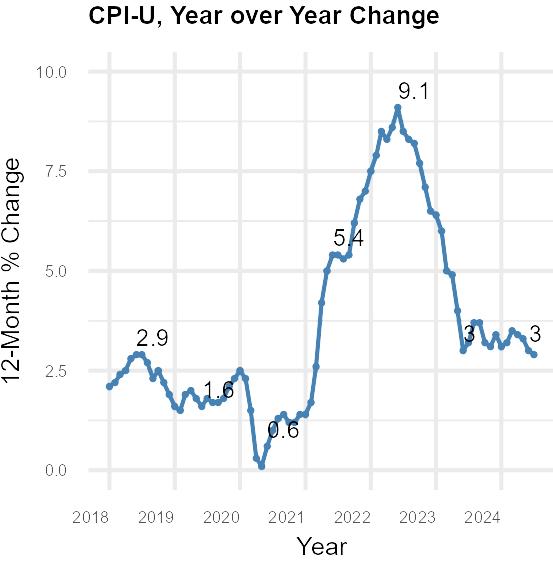
Inflation is one of the most important yet misunderstood components of the economic cycle. In recent years, US inflation has transitioned from rapid increases to a more moderate but still persistent level. This shift is influencing everything from consumer spending to corporate pricing strategies.
Rising prices reduce purchasing power, which can slow demand over time. At the same time, moderate inflation can support corporate earnings by allowing companies to maintain or increase margins. This delicate balance is why inflation data remains a central focus for both policymakers and investors.
Recent developments, such as potential tax refunds reaching millions of Americans and changes in housing market incentives, could temporarily boost consumer spending. However, long-term inflation trends will depend on factors like wage growth, energy prices, and global supply chains.
For investors, tracking inflation indicators such as the Consumer Price Index (CPI) and Personal Consumption Expenditures (PCE) provides insight into future policy decisions and market conditions.

Hidden Signals Most Investors Miss: Energy, AI, and Global Risks
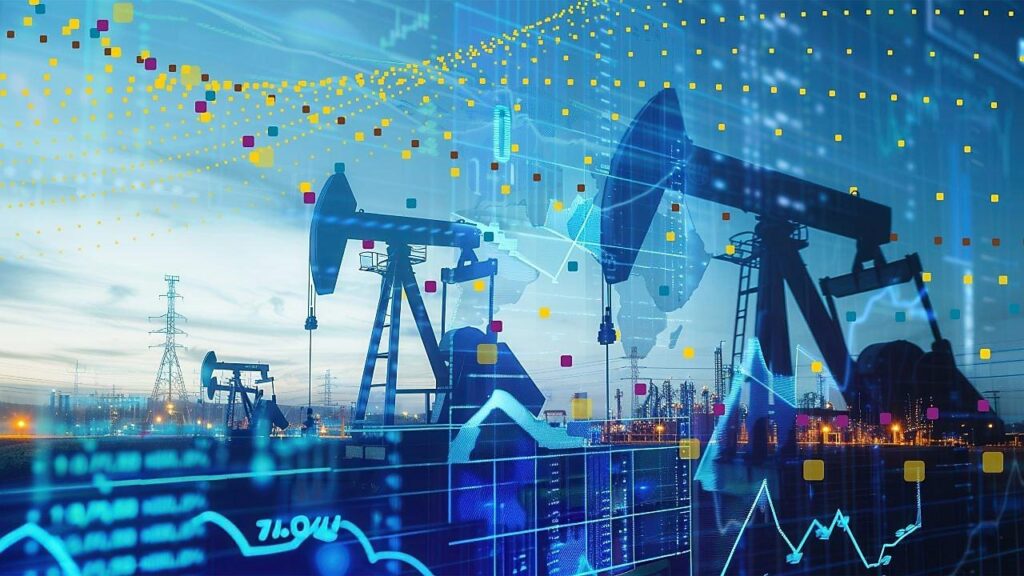
While stocks, rates, and inflation dominate headlines, some of the most important economic signals are less obvious. In 2026, energy markets are emerging as a key risk factor. Executives from major oil companies have warned that geopolitical tensions could disrupt supply routes, potentially leading to price spikes that impact the entire economy.
At the same time, the rapid expansion of artificial intelligence is reshaping industries and investment flows. Massive spending by large technology companies is driving growth, but it also raises concerns about sustainability. If returns on these investments fail to meet expectations, markets could face a sharp correction.
Another overlooked signal is infrastructure risk in space. Studies have highlighted the increasing danger of satellite collisions in low Earth orbit, which could disrupt communications, navigation systems, and global financial networks. While this may seem distant, such risks have real economic implications.
By paying attention to these hidden factors, investors gain a more comprehensive understanding of the forces shaping the economy.
Connecting the Dots: How Professional Investors Build a Complete Economic View
Professional investors do not analyze economic indicators in isolation. Instead, they focus on how different signals interact. For example, rising oil prices can increase inflation, which may lead to higher interest rates, ultimately affecting stock valuations.
Similarly, strong stock market performance combined with weakening economic data can signal a disconnect that may eventually correct. Understanding these relationships allows investors to anticipate turning points rather than react to them.
A simple framework used by experienced investors includes monitoring:
- Stock market trends and sector leadership
- Interest rate movements and central bank policy
- Inflation data and consumer behavior
- Global events and supply chain risks
By combining these elements, investors create a dynamic view of the economy that adapts as conditions change.
What this means for you
For individual investors and readers, the key takeaway is that no single headline tells the full story of the economy. A rising stock market does not guarantee long-term stability, and low inflation does not eliminate risks.
By learning to interpret multiple signals together, you can make more informed decisions about saving, investing, and spending. This approach reduces reliance on short-term market noise and helps build a long-term strategy based on real economic trends.
Investor takeaway
The most successful investors in 2026 are those who focus on connections rather than isolated data points. Understanding how stocks, interest rates, inflation, and global risks interact provides a significant advantage in navigating uncertain markets.
Instead of chasing trends, disciplined investors analyze underlying fundamentals and adjust their strategies accordingly. This mindset not only improves returns but also helps manage risk during periods of volatility.
Future outlook
Looking ahead, the US economy is likely to remain in a state of transition. Advances in technology, shifts in energy markets, and evolving policy decisions will continue to shape economic outcomes. While growth opportunities remain strong, risks are also becoming more complex and interconnected.
Investors who stay informed and adaptable will be best positioned to navigate this environment. By continuously analyzing economic signals and updating their perspectives, they can turn uncertainty into opportunity.
Turning Economic Signals Into Long-Term Advantage
Reading the US economy like a professional investor is about more than understanding data—it’s about seeing patterns, identifying risks early, and making decisions with confidence. In 2026, where optimism and uncertainty coexist, this skill is more valuable than ever.
By focusing on the interplay between stocks, interest rates, inflation, and hidden signals, you can gain a deeper understanding of the economic landscape and position yourself for long-term success.
Subscribe to trusted news sites like USnewsSphere.com for continuous updates.