U.S. Business Closures Are Rising Fast in 2026 — Hidden Economic Warning Signs Investors Can’t Ignore is emerging as one of the most critical economic signals this year, reflecting deeper structural challenges within the American economy. While headline indicators such as GDP growth and employment data may appear stable, a closer look reveals a surge in bankruptcies, store closures, and corporate restructuring across multiple sectors. For investors, this trend is not just a statistic—it is a warning sign that could reshape markets, consumer behavior, and future investment strategies.
The Sharp Rise in U.S. Business Closures in 2026
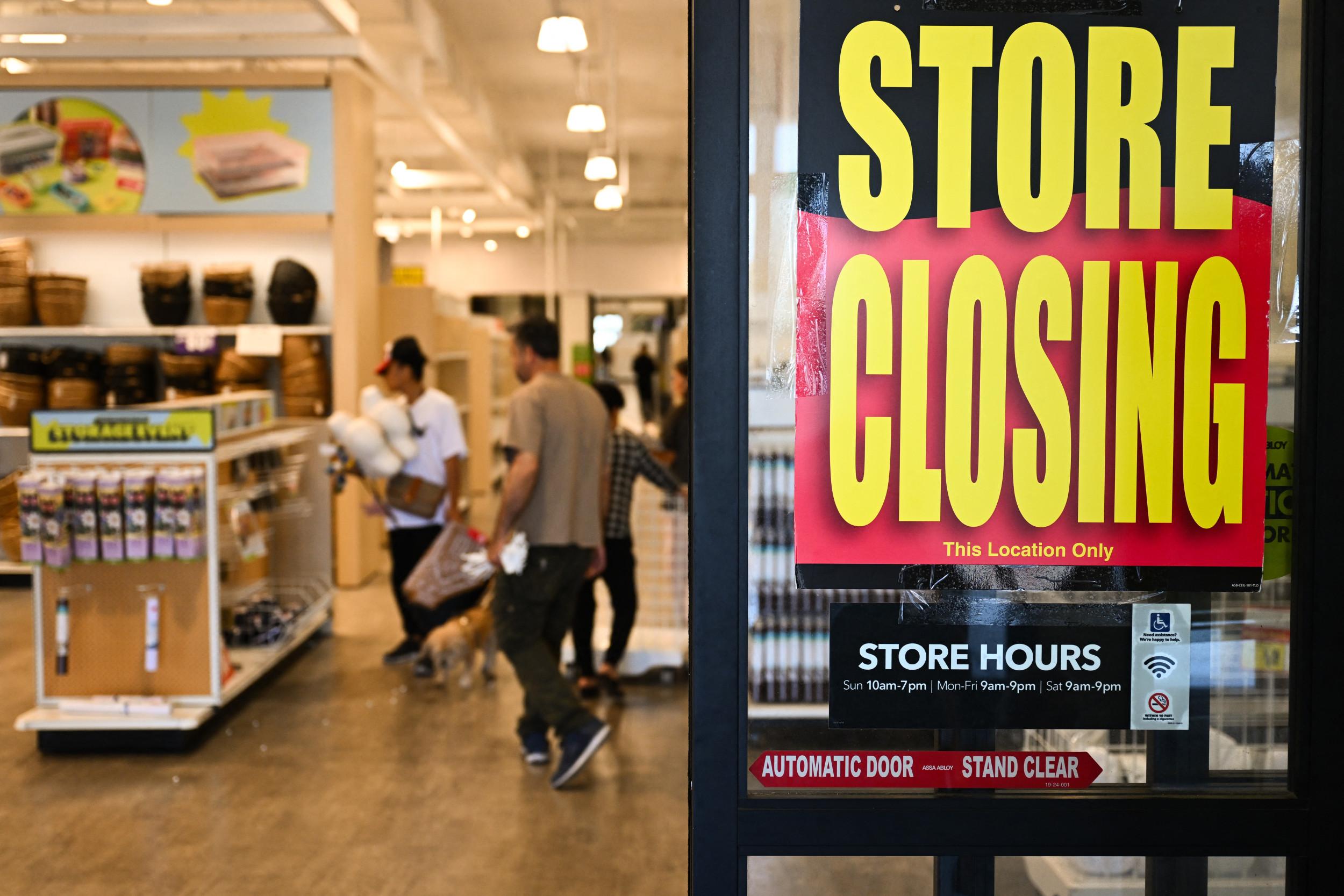
Across the United States, business closures are accelerating in 2026, affecting industries ranging from retail and restaurants to airlines and manufacturing. Several high-profile bankruptcies and shutdowns have highlighted the growing financial pressure companies are facing.
Small and medium-sized businesses are particularly vulnerable. Many are still recovering from past economic disruptions while dealing with rising costs, reduced consumer spending, and tighter access to credit. For these businesses, even minor financial stress can lead to closure.

The increase in closures is not isolated—it is part of a broader pattern that suggests underlying weaknesses in the economy. When businesses begin to shut down at a faster pace, it often signals shifts in demand, profitability, and overall economic health.

Key Drivers Behind the Surge in Closures
Several interconnected factors are driving the rise in business closures. Inflation remains a major challenge, increasing the cost of raw materials, labor, and operations. Even as inflation rates moderate, the cumulative impact of higher prices continues to strain businesses.
High interest rates are another critical factor. Borrowing has become more expensive, making it difficult for companies to refinance debt or invest in growth. Businesses that relied on cheap credit in previous years are now facing significantly higher financial burdens.


At the same time, consumer spending patterns are shifting. Many households are becoming more cautious due to rising living costs, leading to reduced demand for non-essential goods and services. This decline in demand is directly affecting business revenues.

What This Means for the U.S. Economy
The increase in business closures has broader implications for the U.S. economy. When companies shut down, it leads to job losses, reduced income, and lower consumer spending—all of which can slow economic growth.

This creates a feedback loop where declining demand leads to more closures, which in turn further weakens the economy. While the U.S. economy has shown resilience in many areas, these warning signs suggest that underlying risks are building.

Economists often view rising business closures as a leading indicator of potential recessionary conditions. While it does not guarantee a downturn, it signals that the economy may be entering a more fragile phase.

Impact on Financial Markets and Investment Strategy
Financial markets are highly sensitive to economic signals, and rising business closures can influence investor sentiment. Increased uncertainty often leads to higher market volatility, as investors reassess risk and adjust their portfolios.
In 2026, many investors are shifting toward defensive sectors such as healthcare, utilities, and consumer staples—areas that tend to perform more consistently during economic slowdowns. At the same time, riskier assets may experience greater fluctuations.

Diversification and risk management are becoming increasingly important. Investors are focusing on balancing growth opportunities with stability to navigate uncertain market conditions effectively.


Which Industries Are Most at Risk
Certain industries are more vulnerable to current economic pressures. Retail continues to face challenges from e-commerce competition and changing consumer preferences. Physical stores are closing as more shopping moves online.

The restaurant industry is also under pressure from rising food costs, labor shortages, and shifting dining habits. Many smaller establishments are struggling to maintain profitability.

Airlines and manufacturing sectors are dealing with high operational costs and fluctuating demand. These industries are particularly sensitive to economic cycles, making them more exposed to downturns.

What Investors Should Watch Moving Forward
Investors should closely monitor key economic indicators such as business closure rates, consumer spending, and interest rate trends. These metrics provide valuable insights into the direction of the economy.
Understanding which sectors are resilient and which are vulnerable can help guide investment decisions. Staying informed about policy changes, market trends, and global developments is essential.


In uncertain times, flexibility and strategic thinking are key. Investors who can adapt to changing conditions and identify emerging opportunities will be better positioned to succeed.

A Critical Warning Signal for 2026
The rise in U.S. business closures in 2026 is more than just a headline—it is a critical warning signal that investors and policymakers cannot afford to ignore. While the economy continues to show strength in some areas, underlying challenges are becoming increasingly visible.
By understanding these trends and their implications, investors can make more informed decisions and prepare for potential shifts in the economic landscape. The key is to remain proactive, stay informed, and approach uncertainty with a clear strategy.
Subscribe to trusted news sites like USnewsSphere.com for continuous updates.