
How to invest during market crashes (2026 guide) is one of the most important questions investors are asking as volatility continues to shake global markets. The truth is, market downturns are not just periods of loss—they are often the best opportunities to build long-term wealth if approached correctly.
In 2026, economic uncertainty, inflation shifts, interest rate changes, and geopolitical tensions have made market crashes more frequent and unpredictable. Many investors panic and sell, but experienced investors know that downturns can create discounted buying opportunities across stocks, ETFs, and other high-growth assets.
In this guide, you’ll learn exactly how to invest during market crashes, including proven strategies, risk management techniques, real-world examples, and expert-backed insights designed to help you maximize returns while minimizing losses.
How to Invest: Understanding Market Crashes and Why They Create Opportunity
Market crashes occur when stock prices fall sharply over a short period, often triggered by economic shocks, financial crises, or investor panic. While they may seem destructive, they are a natural part of the economic cycle.
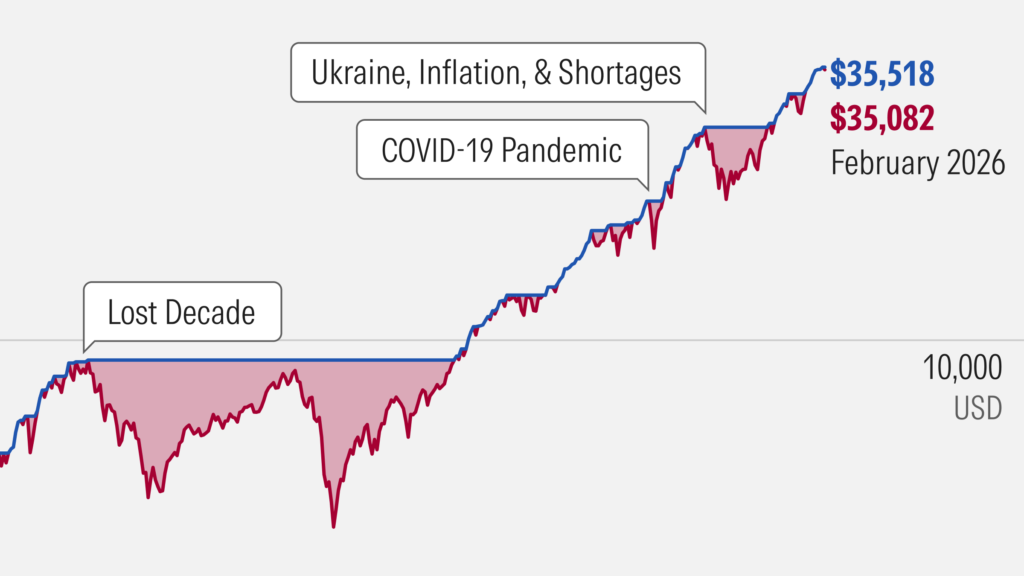
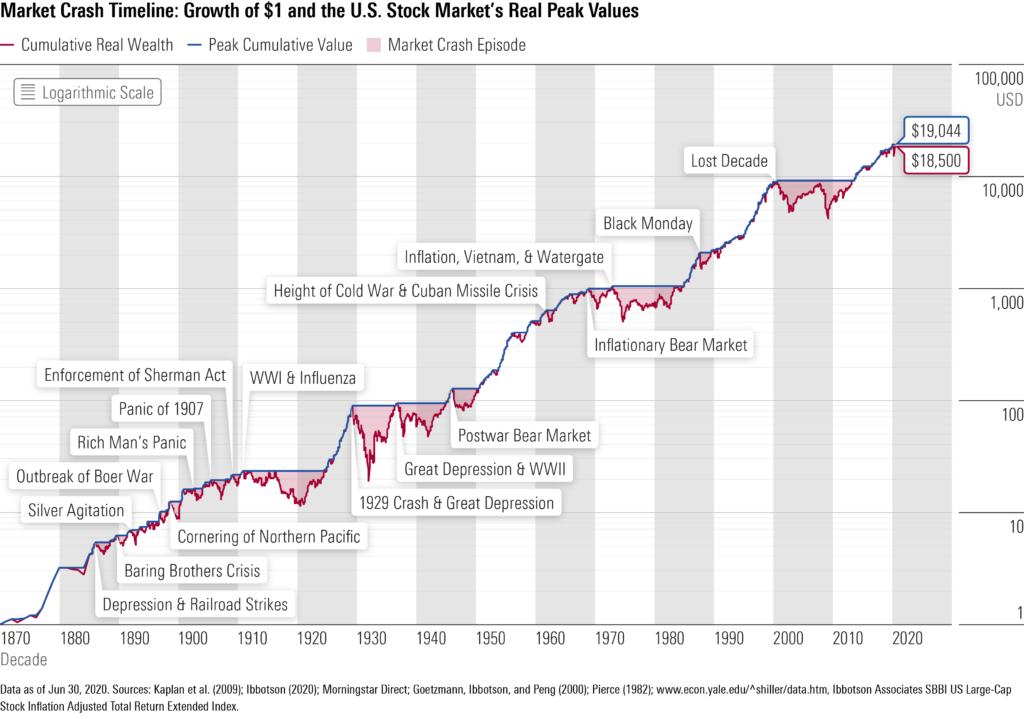
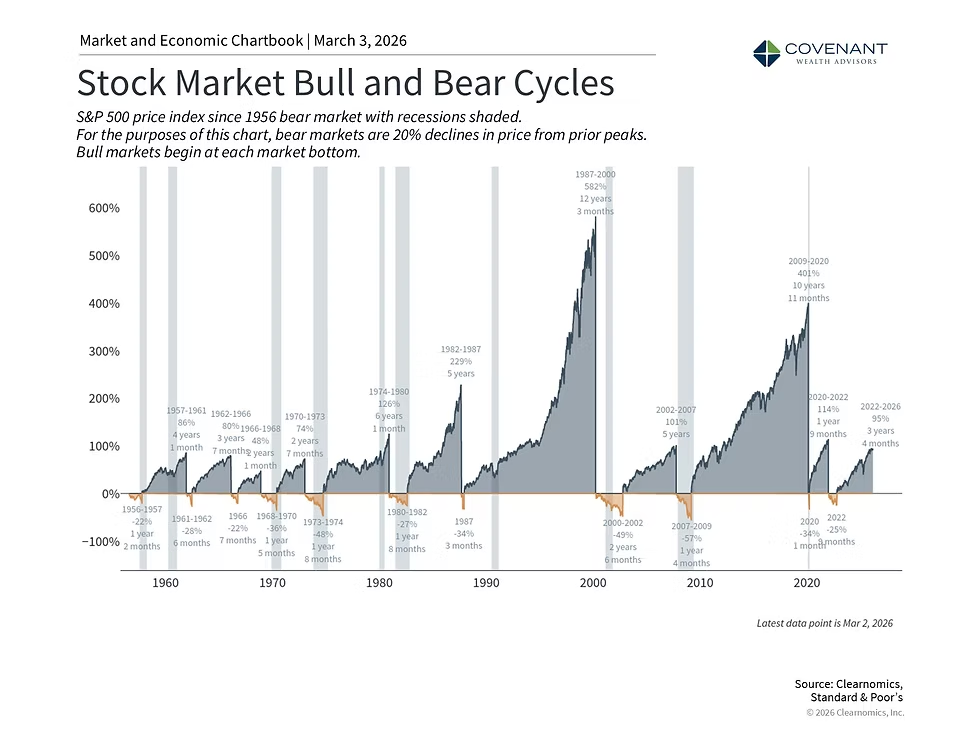
During a crash, fear drives prices below their intrinsic value. This disconnect creates opportunities for disciplined investors to buy high-quality assets at discounted prices. Historically, markets have always recovered, making downturns temporary but powerful entry points.
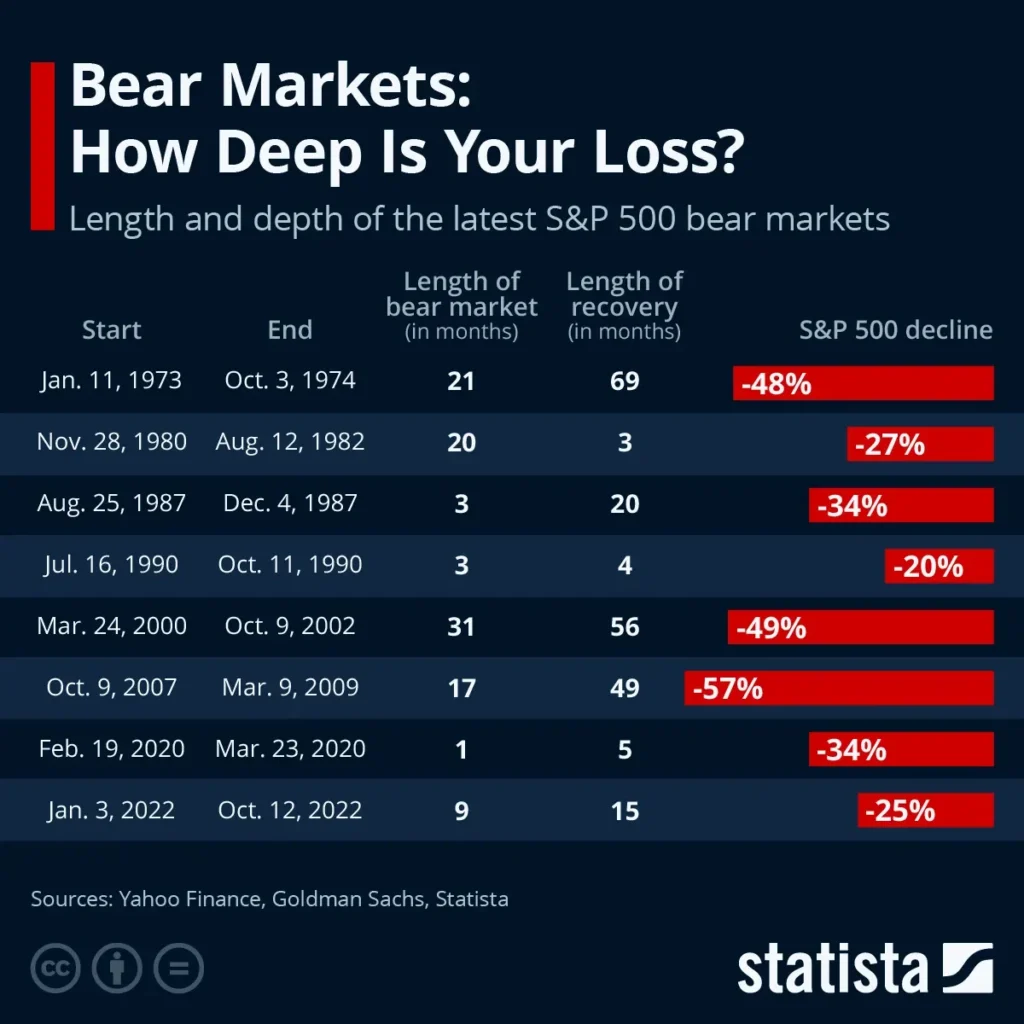
For example, during past crashes like 2008 and 2020, investors who stayed invested or bought during the decline saw significant long-term gains. The key lesson is simple: crashes reward patience, not panic.
Best Stocks to Buy During a Recession (Top 10 Picks for 2026)
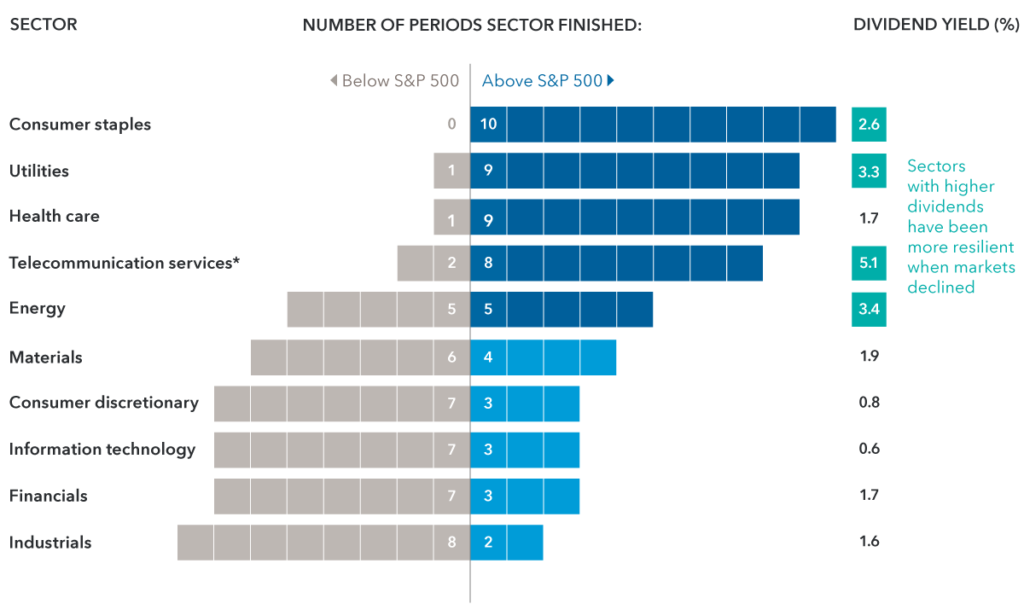
Top Recession-Proof Stocks (Mobile-Friendly List)
Apple Inc. (AAPL)
- Sector: Technology
- Why Buy: Strong cash flow, loyal users, premium brand
- Risk: Medium
Microsoft Corp. (MSFT)
- Sector: Technology
- Why Buy: Cloud business (Azure), recurring revenue
- Risk: Low-Medium
Johnson & Johnson (JNJ)
- Sector: Healthcare
- Why Buy: Essential healthcare demand, stable earnings
- Risk: Low
Procter & Gamble (PG)
- Sector: Consumer Staples
- Why Buy: Everyday essentials always sell
- Risk: Low
Coca-Cola (KO)
- Sector: Consumer Staples
- Why Buy: Global demand, recession-resistant brand
- Risk: Low
Walmart (WMT)
- Sector: Retail
- Why Buy: Discount shopping increases in a downturn
- Risk: Low
McDonald’s (MCD)
- Sector: Consumer
- Why Buy: Affordable food demand rises in a recession
- Risk: Low
Berkshire Hathaway (BRK.B)
- Sector: Financials
- Why Buy: Diversified holdings, strong leadership
- Risk: Low
Exxon Mobil (XOM)
- Sector: Energy
- Why Buy: Dividend income, energy demand stability
- Risk: Medium
JPMorgan Chase (JPM)
- Sector: Banking
- Why Buy: Strong balance sheet, top US bank
- Risk: Medium
Step-by-Step Strategy to Invest During a Market Crash
The first step is to stay calm and avoid emotional decisions. Panic selling locks in losses, while strategic buying positions you for recovery gains. Successful investors focus on long-term fundamentals rather than short-term noise.
Next, build a list of strong companies or assets before the crash happens. Look for businesses with solid earnings, low debt, and strong market positions. When prices drop, these are the assets you want to accumulate.
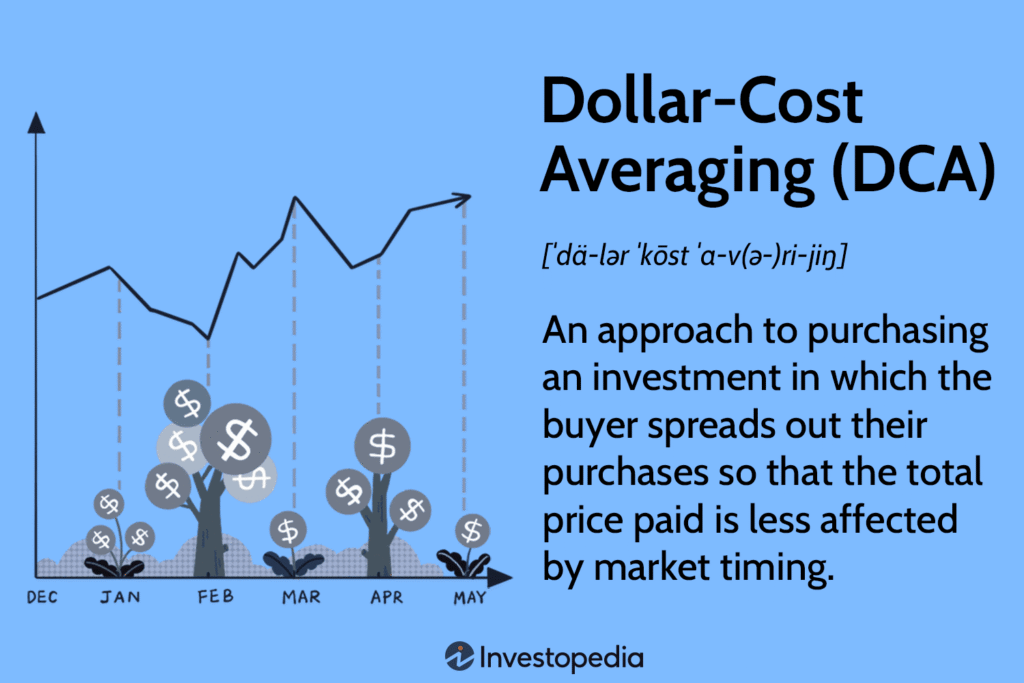
Another critical step is dollar-cost averaging. Instead of investing all your money at once, invest gradually over time. This reduces risk and allows you to take advantage of falling prices without trying to perfectly time the bottom.
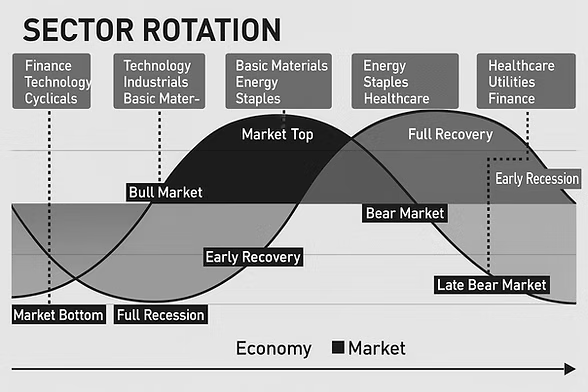
Finally, maintain proper diversification. Spread your investments across sectors like technology, healthcare, energy, and finance. This reduces overall portfolio risk and ensures stability during volatile periods.
Benefits and Risks of Investing During Market Crashes
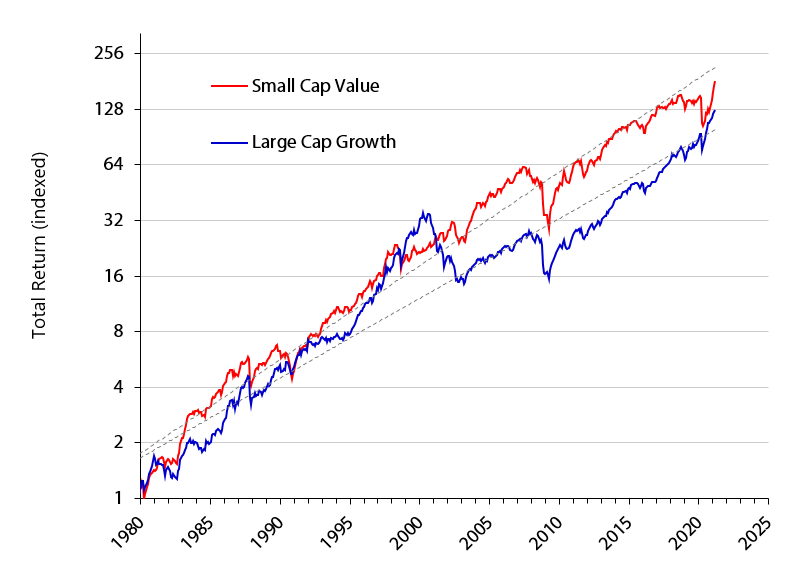
One of the biggest benefits is the ability to buy assets at a discount. When prices fall 20–50%, long-term investors can significantly increase their future returns by entering at lower valuations.
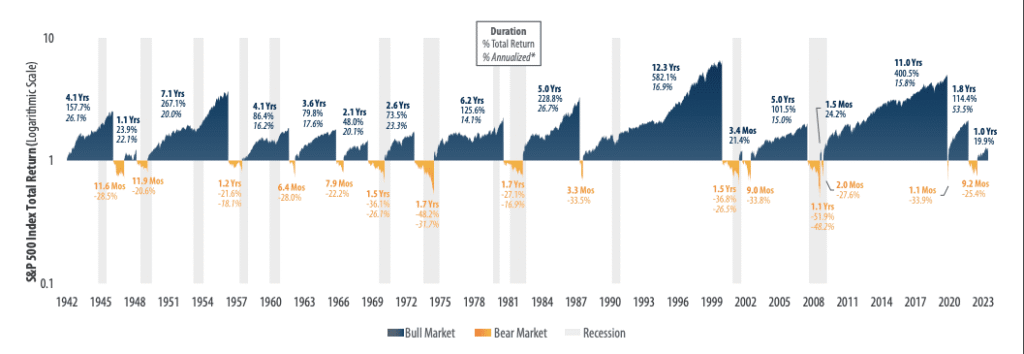
Another advantage is higher potential returns during recovery phases. Historically, the strongest market gains occur shortly after major declines. Missing these recovery periods can reduce long-term profits significantly.
However, there are risks to consider. Markets can continue falling even after you start investing, which may lead to temporary losses. This is why gradual investing strategies are essential.
There is also a psychological risk. Many investors struggle to stay disciplined during downturns. Fear and uncertainty can lead to poor decisions, making emotional control one of the most important investing skills.
Financial Impact: How Much Can You Gain or Lose?
Let’s break this down with a realistic example. Suppose you invest $10,000 during a market crash when stocks are down 30%. If the market recovers and grows by 50% over the next few years, your investment could grow to $15,000 or more.
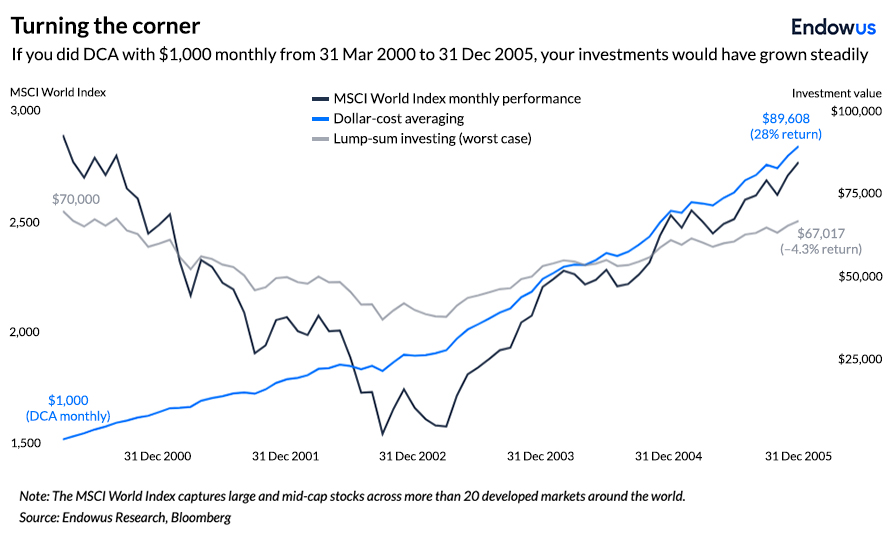
Now consider dollar-cost averaging. If you invest $1,000 monthly during a 10-month downturn, you benefit from lower average purchase prices. This strategy can significantly boost long-term returns compared to lump-sum investing.
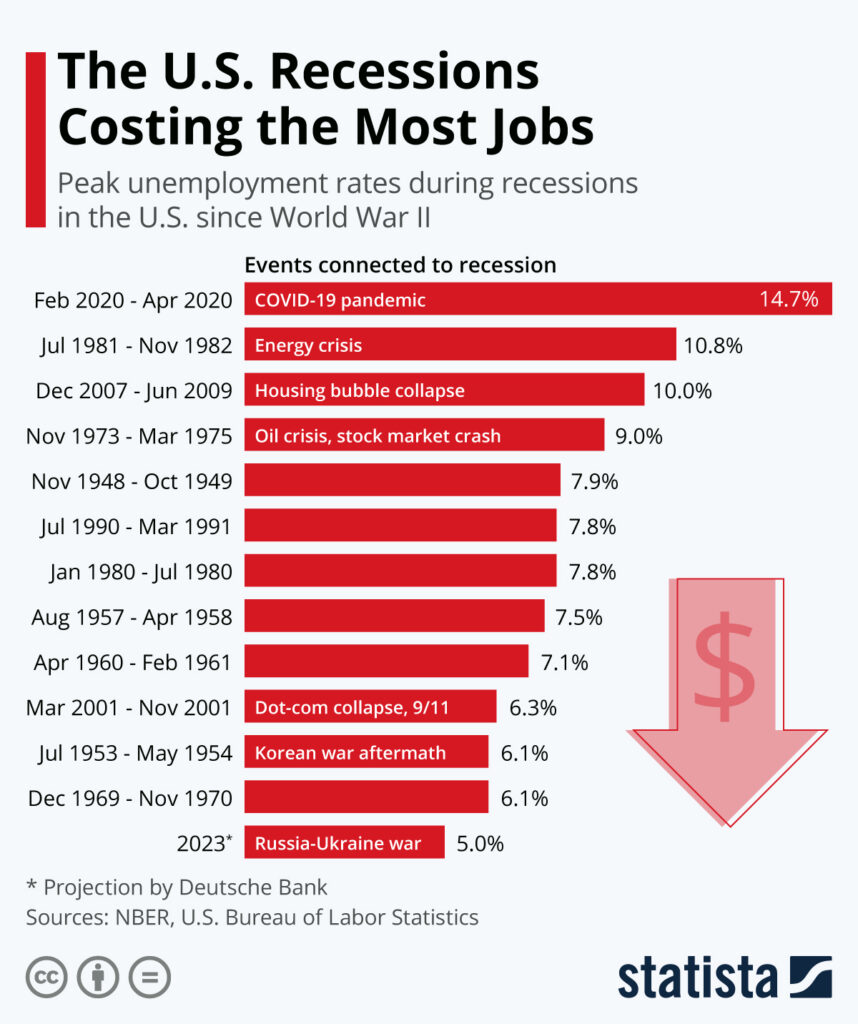
On the downside, if you invest too early and the market drops another 20%, your portfolio may temporarily decline. However, if you continue investing, your average cost decreases, improving your long-term position.
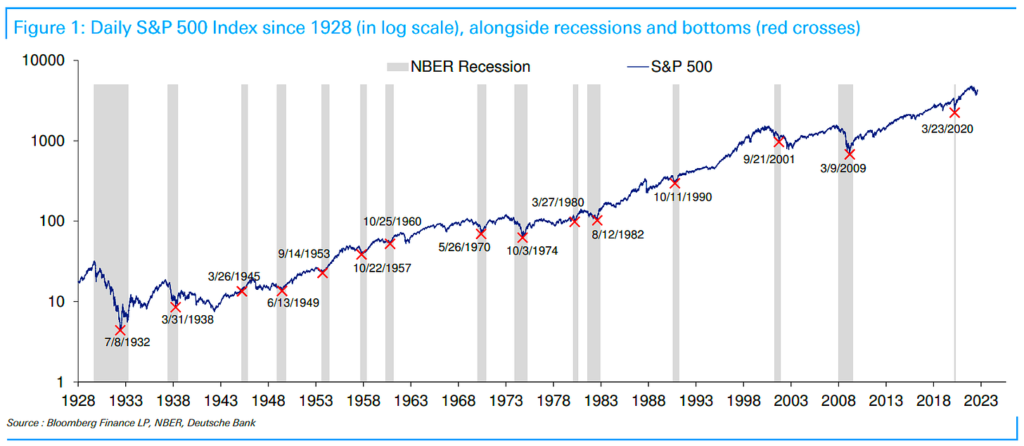
In the U.S. market, historical data show that investors who stay invested during downturns often outperform those who exit the market. Missing just a few of the best recovery days can reduce total returns by over 30%.
Comparing Different Investment Approaches During Crashes
One common approach is lump-sum investing, where you invest all your money at once. This can generate high returns if you time the bottom correctly, but it also carries higher risk if the market continues falling.
Dollar-cost averaging, on the other hand, spreads risk over time. While it may not capture the exact bottom, it provides more consistent results and reduces emotional stress.
Another comparison is between active trading and long-term investing. Active traders attempt to profit from short-term movements, but this requires skill and carries high risk. Long-term investors focus on fundamentals and benefit from overall market recovery.
For most investors, a combination of dollar-cost averaging and long-term investing provides the best balance between risk and reward.
Expert Strategies to Maximize Returns During Market Downturns
One of the most effective strategies is focusing on high-quality assets. Blue-chip stocks, index funds, and ETFs tend to recover faster and provide more stability during volatile periods.
Another key strategy is maintaining liquidity. Keeping some cash on hand allows you to take advantage of sudden market drops without needing to sell existing investments.
Rebalancing your portfolio is also essential. During a crash, some sectors may fall more than others. Rebalancing ensures your portfolio remains aligned with your long-term goals.
Finally, think long-term. Wealth is built over years, not days. Investors who stay consistent and disciplined during downturns are the ones who benefit the most when markets recover.
Frequently Asked Questions (FAQ)
Is it safe to invest during a market crash?
Investing during a market crash can be safe if you focus on long-term strategies and high-quality assets. While short-term volatility may cause losses, historical trends show that markets recover over time.
The key is to avoid risky investments and focus on diversification. Using strategies like dollar-cost averaging can further reduce risk and improve outcomes.
What is the best investment during a crash?
The best investments are typically strong companies with stable earnings, index funds, and ETFs. These assets tend to recover faster and provide consistent long-term growth.
Avoid speculative or highly volatile investments during downturns, as they may not recover as quickly or at all.
Should I invest all my money at once or gradually?
Investing gradually is generally safer during market crashes. Dollar-cost averaging allows you to reduce risk and take advantage of falling prices over time.
However, experienced investors with strong market knowledge may choose lump-sum investing for higher potential returns.
How long does it take for markets to recover?
Recovery time varies depending on the cause of the crash. Some recoveries happen within months, while others may take several years.
Historically, U.S. markets have always recovered and reached new highs, making long-term investing a reliable strategy.
Can beginners invest during a crash?
Yes, beginners can invest during a crash by focusing on simple strategies like index funds and ETFs. These provide diversification and reduce risk.
It’s important to avoid emotional decisions and stick to a long-term plan.
What mistakes should I avoid during a market crash?
Common mistakes include panic selling, trying to time the market perfectly, and investing without a clear strategy.
Successful investors remain disciplined, continue investing, and focus on long-term growth rather than short-term fluctuations.
Investing during market crashes is not about avoiding risk—it’s about managing it intelligently. By staying calm, focusing on strong assets, and using strategies like dollar-cost averaging, investors can turn downturns into powerful wealth-building opportunities.
As we move through 2026 and beyond, market volatility will remain a constant. Those who prepare, stay disciplined, and think long-term will be best positioned to achieve financial success. The next market crash is not something to fear—it’s an opportunity waiting to be seized.
Subscribe to trusted news sites like USnewsSphere.com for continuous updates.