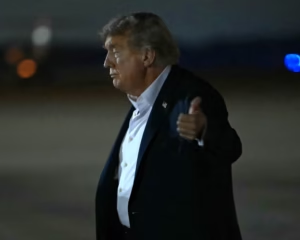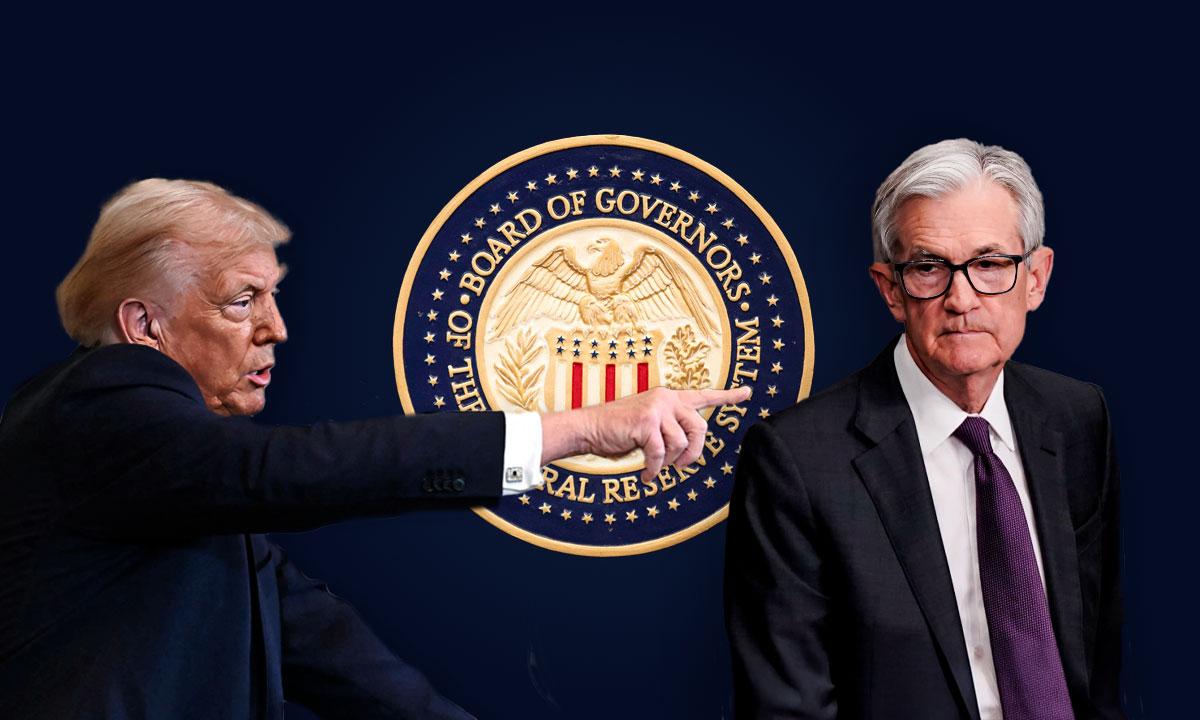
The Trump-Powell Fed showdown is dominating global financial headlines as former President Donald Trump warns Federal Reserve Chair Jerome Powell to step down within weeks or face removal. The conflict centers on interest rate policy, a controversial federal investigation, and control over the U.S. central bank. Powell has refused to resign, signaling a direct institutional clash. This matters now because it could impact interest rates, inflation, stock markets, and global economic stability—especially in the U.S. and Europe.
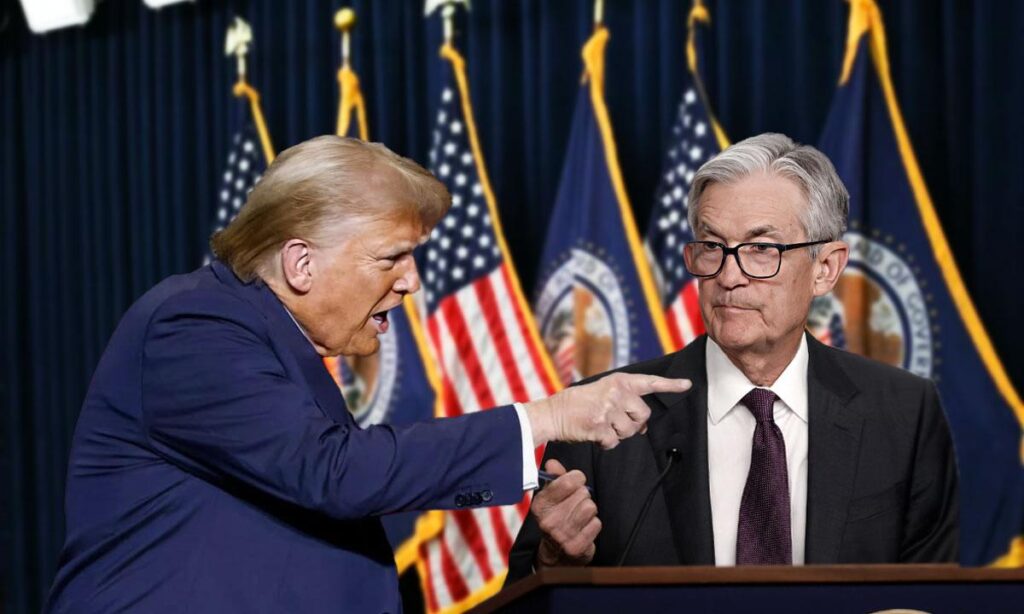
Why Trump is pressuring Powell and what triggered the crisis
The conflict between Donald Trump and Jerome Powell has been building for years, but has now reached a critical point. Trump has repeatedly criticized Powell for keeping interest rates higher than he prefers, arguing that lower rates would boost economic growth and stock markets.
The situation escalated sharply in April 2026 when Trump publicly stated that Powell must step down when his term as Fed Chair ends on May 15. If he refuses, Trump warned he may take steps to remove him.
Adding fuel to the crisis is a Justice Department investigation into a multi-billion-dollar renovation project at the Federal Reserve. Trump and his allies claim it reflects mismanagement, while critics argue the probe is politically motivated and aimed at pressuring Powell.
Powell refuses to step down and defends Fed independence
Jerome Powell has made it clear he will not resign under political pressure. Even if his term as chair ends, he is legally allowed to remain on the Federal Reserve Board until 2028.
Powell has emphasized that his priority is maintaining the independence of the central bank. He has also stated that he intends to stay until ongoing investigations are resolved transparently.
This stance reflects a broader concern among economists and policymakers: if political leaders can influence the Fed, it could undermine trust in U.S. monetary policy. The Federal Reserve has historically operated independently to control inflation and stabilize the economy.
Legal battle: Can a U.S. president actually fire the Fed chair?
One of the biggest questions in this crisis is whether a president has the authority to remove a Federal Reserve chair.
Legally, the situation is complex. The Fed chair can only be removed “for cause,” meaning misconduct or serious violations—not simply policy disagreements. Courts have historically protected this independence, making Trump’s threat highly controversial.
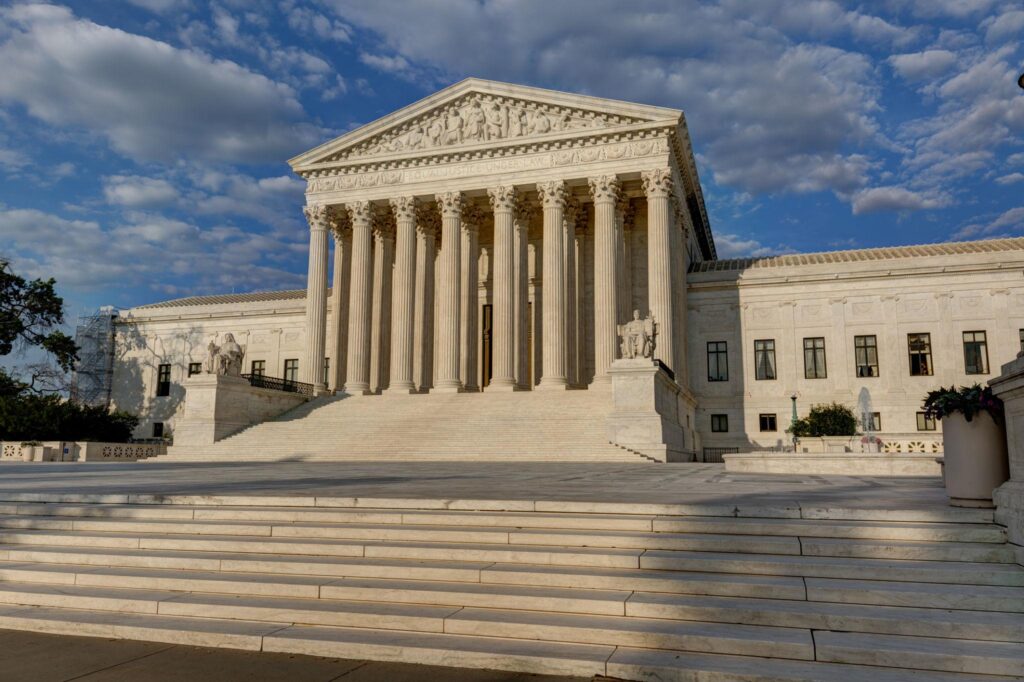
This issue may soon reach the U.S. Supreme Court, which is already reviewing related questions about presidential power over independent agencies.
If Trump attempts to fire Powell, it could trigger a historic constitutional and financial crisis.
Market impact: Why investors and global economies are watching closely
Financial markets are reacting cautiously to this developing situation. The Federal Reserve plays a central role in setting interest rates, which directly affect:
- Stock markets (S&P 500, Nasdaq)
- Mortgage and loan rates
- Inflation control
- Global currency stability
Any perception that the Fed is losing independence could lead to market volatility. Analysts warn that sudden changes in leadership or policy direction could shake investor confidence worldwide.
The situation is also affecting the nomination of Kevin Warsh, Trump’s proposed replacement for Powell. His confirmation is facing delays in the Senate due to the ongoing investigation and political tensions.
Surprise developments: Investigation and political pressure intensify
Recent developments have made the situation even more unpredictable. U.S. prosecutors reportedly attempted an unannounced visit to the Federal Reserve headquarters as part of the investigation, raising concerns about procedural norms.
At the same time, some lawmakers have pushed back strongly, arguing that the investigation threatens the independence of the central bank. This has created divisions within both political parties and increased uncertainty about the future of U.S. monetary policy.
The investigation, combined with Trump’s public pressure campaign, is seen by some analysts as an attempt to reshape the Federal Reserve’s direction ahead of future economic decisions.
Why this matters now for the U.S., Europe, and global economy
This is not just a political story—it has real economic consequences.
If the Federal Reserve’s independence is weakened:
- Interest rate decisions could become politically driven
- Inflation control may become less effective
- Global confidence in the U.S. dollar could decline
- European and Asian markets could face ripple effects
The U.S. Federal Reserve is one of the most powerful financial institutions in the world. Any instability at the top can influence trillions of dollars in global markets.
For everyday Americans, this could impact borrowing costs, job growth, and investment returns. For global investors, it raises concerns about long-term economic stability.
Meta Tags (SEO Optimized)
Title Tag (under 60 characters):
Trump vs Powell: Fed Crisis Explained 2026
Meta Description (150–160 characters):
Trump threatens to fire Jerome Powell, sparking a Fed crisis. Learn why this matters for interest rates, markets, and the global economy in 2026.
Subscribe to trusted news sites like USnewsSphere.com for continuous updates.