
How to Analyze Stocks Like a Pro: Data-Driven Methods Used by Wall Street Experts is one of the most searched financial topics in 2026 as retail investors across the United States look for smarter, data-backed ways to beat the market. With AI transforming trading, institutional investors rotating capital, and macroeconomic shifts influencing valuations, stock analysis today is no longer about guesswork—it’s about combining data, strategy, and disciplined execution.
In recent months, market signals such as rising AI investments, fluctuations in interest rates, and warnings about declining private credit returns have made one thing clear: only data-driven investors are consistently winning. This guide breaks down the exact frameworks, tools, and strategies used by Wall Street professionals—translated into practical steps you can use right now.
Understanding the Foundation: What Moves Stock Prices in 2026
Stock prices in 2026 are influenced by a combination of macroeconomic forces, corporate performance, and investor sentiment. Interest rate expectations, inflation data, and Federal Reserve signals continue to drive major market movements. When rates rise, growth stocks often face pressure; when rates stabilize or fall, risk assets typically rally.
At the same time, sector-specific trends are reshaping valuations. For example, AI-focused companies and infrastructure providers are seeing increased capital inflows, while traditional sectors are being reevaluated based on efficiency and innovation. Energy deals, mergers, and acquisitions are also playing a critical role in determining stock performance.
Professional investors start by understanding this broader context before analyzing individual stocks. Without this macro perspective, even the best company analysis can lead to poor investment decisions.
Fundamental Analysis: Reading Financial Data Like an Expert
Fundamental analysis remains the backbone of professional investing. It involves evaluating a company’s financial health, growth potential, and competitive position.
Key metrics include revenue growth, profit margins, and earnings per share (EPS). Companies that consistently grow revenue while maintaining strong margins are often seen as high-quality investments. Balance sheets are equally important—low debt and strong cash flow indicate financial stability.
Wall Street analysts also focus on valuation ratios such as the price-to-earnings (P/E) ratio. A high P/E may indicate growth expectations, while a low P/E could signal undervaluation—or underlying risk.
Another critical factor is forward guidance. Companies that provide strong future outlooks often attract institutional investors, driving stock prices higher. Understanding these metrics allows you to identify companies with real long-term potential.
Technical Analysis: Timing the Market with Precision
While fundamentals tell you what to buy, technical analysis helps determine when to buy or sell.
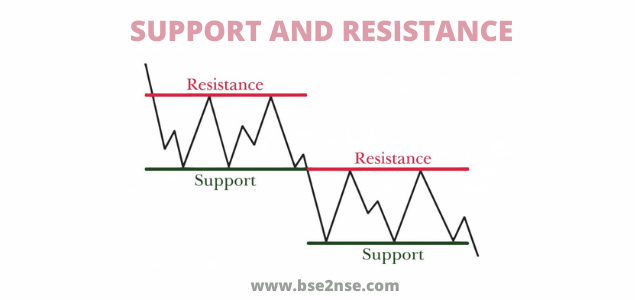
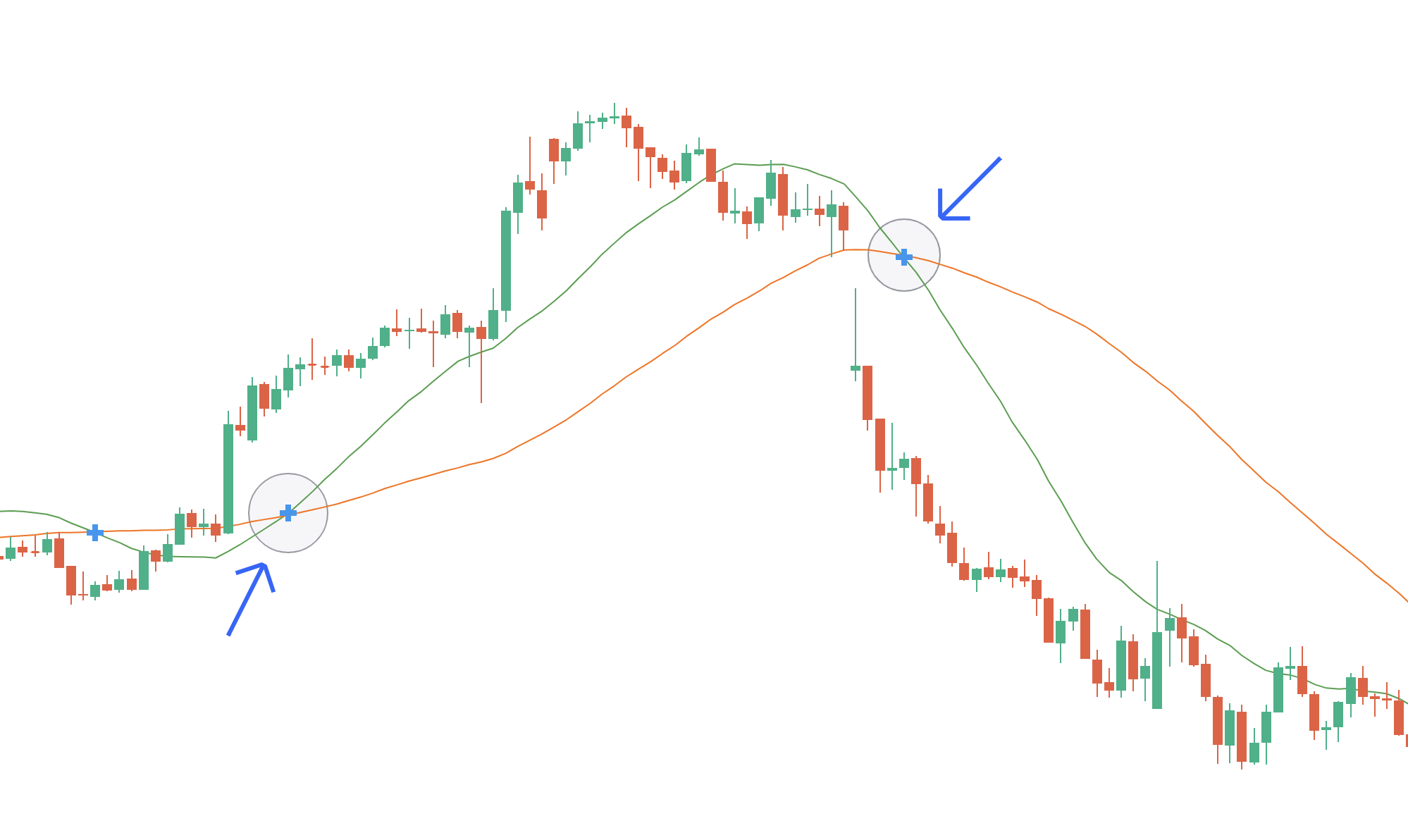
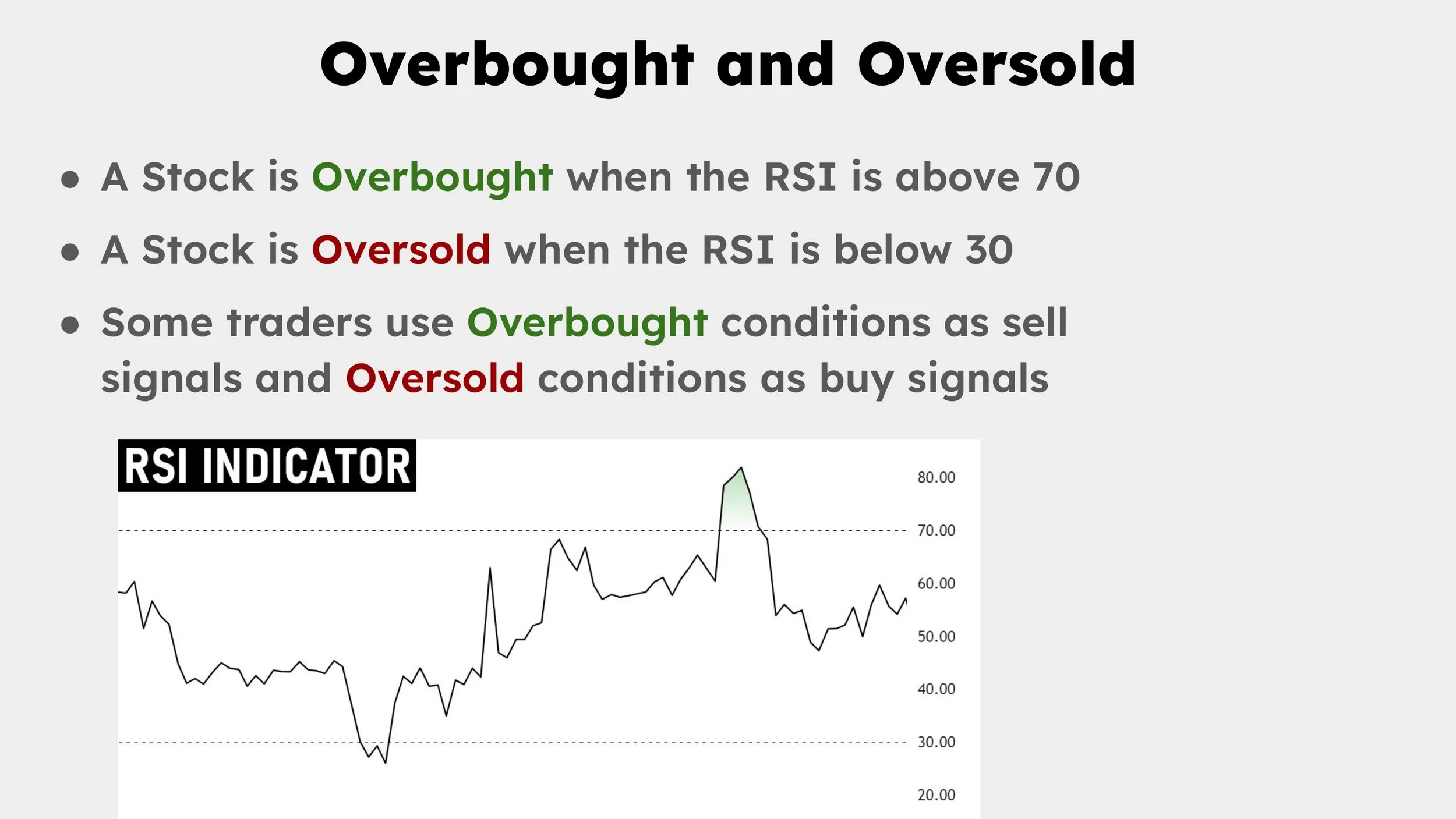
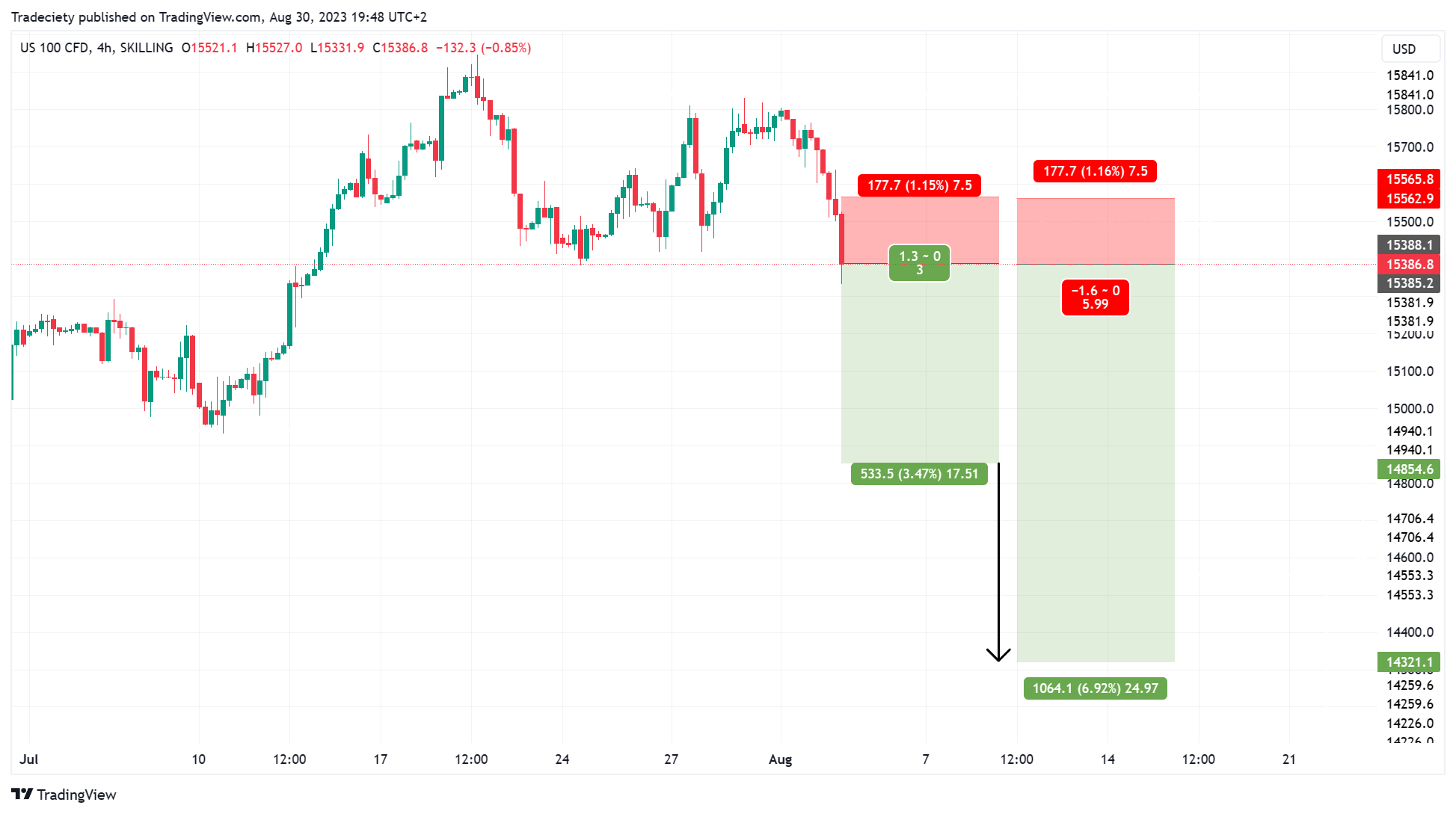
Professional traders use charts to analyze price patterns, trends, and momentum. Key tools include moving averages, which help identify trends, and the Relative Strength Index (RSI), which indicates whether a stock is overbought or oversold.
Support and resistance levels are also crucial. These levels represent price points where stocks tend to reverse direction. Breakouts above resistance often signal strong upward momentum, while breakdowns below support can indicate further declines.
In 2026, algorithmic trading and AI models are heavily based on technical indicators. This makes technical analysis even more relevant, as market movements often follow predictable patterns driven by data and algorithms.
Quantitative and AI-Driven Analysis: The New Edge
One of the biggest shifts in modern investing is the use of quantitative models and artificial intelligence.
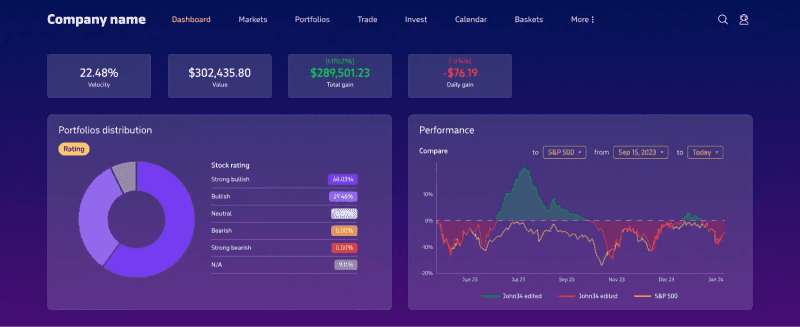
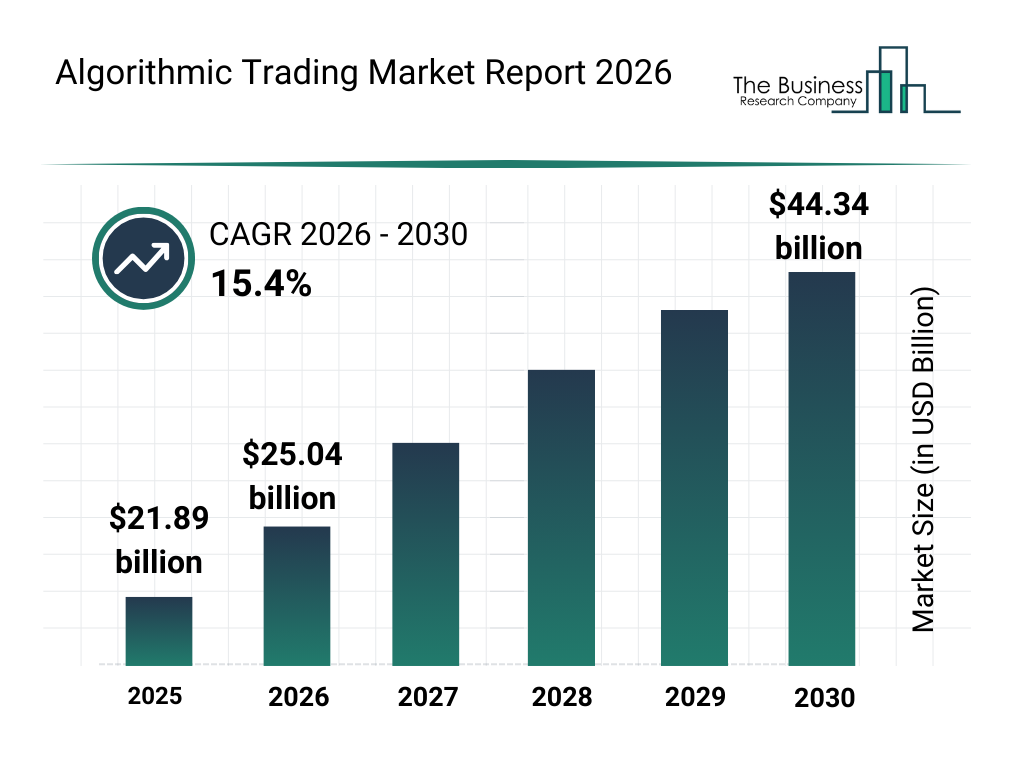

Hedge funds and institutional investors use advanced algorithms to analyze massive datasets, including market trends, economic indicators, and even social sentiment. These models can identify patterns that are impossible to detect manually.
Retail investors now have access to similar tools through trading platforms and analytics software. Features like predictive analytics, automated alerts, and sentiment tracking are becoming standard.
For example, AI tools can analyze earnings calls, news sentiment, and market trends to predict stock movements. This provides a significant advantage, especially when combined with traditional analysis methods.
The key takeaway is that data-driven investing is no longer optional—it’s essential for staying competitive in today’s market.
Risk Management: The Secret Behind Consistent Profits
Even the best analysis cannot eliminate risk. That’s why professional investors prioritize risk management above everything else.
One of the most important principles is position sizing. Instead of investing all capital in one stock, professionals diversify across multiple assets to reduce exposure. Stop-loss orders are also commonly used to limit potential losses.
Another critical factor is understanding market cycles. During periods of high volatility, defensive strategies such as holding cash or investing in stable sectors can help preserve capital. Conversely, during bullish trends, investors may take on more risk to maximize returns.
Risk management also involves emotional discipline. Fear and greed are the biggest enemies of investors. By following a structured strategy and relying on data, professionals avoid impulsive decisions.
Building a Complete Data-Driven Investment Strategy
The most successful investors combine multiple approaches into a single, cohesive strategy.

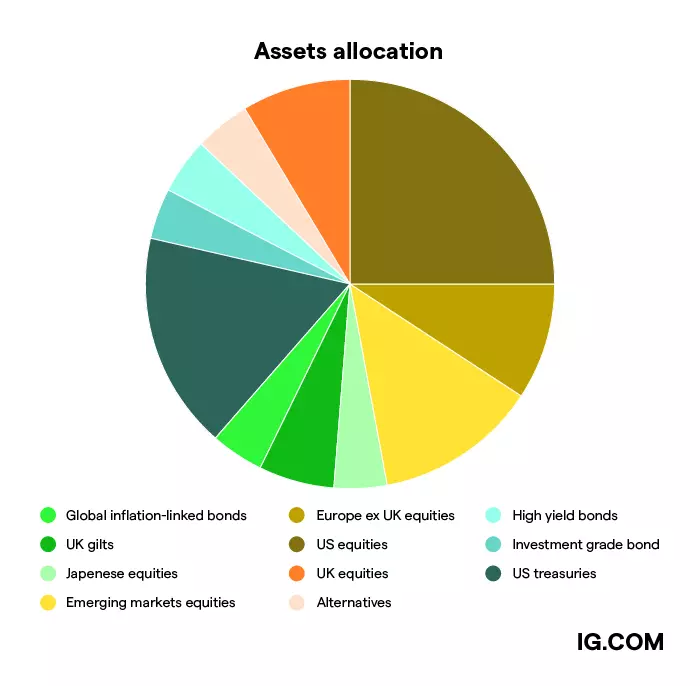
A typical professional strategy includes:
- Macro analysis to understand market conditions
- Fundamental analysis to select strong companies
- Technical analysis to optimize entry and exit points
- Quantitative tools to enhance decision-making
- Risk management to protect capital
This integrated approach ensures that every investment decision is backed by data and aligned with market conditions.
Investors should also continuously review and refine their strategies based on performance and changing market dynamics. In 2026, adaptability is just as important as knowledge.
Market Outlook for 2026: Opportunities and Risks
The outlook for 2026 presents both opportunities and challenges for investors.
On the positive side, sectors like AI, space technology, and energy infrastructure are attracting significant investment. These industries are expected to drive long-term growth and create new market leaders.
However, risks remain. Interest rate uncertainty, inflation pressures, and geopolitical tensions can impact market stability. Additionally, warnings about declining returns in certain alternative investments highlight the importance of careful analysis.
Experts suggest focusing on high-quality companies, maintaining diversification, and staying informed about macroeconomic trends. Investors who combine these principles with data-driven analysis are likely to outperform the market.
Mastering Stock Analysis in the Modern Era
Analyzing stocks like a professional in 2026 requires more than basic knowledge—it demands a data-driven, disciplined, and adaptive approach.
By understanding market fundamentals, using technical tools, leveraging AI-driven insights, and managing risk effectively, investors can significantly improve their chances of success. The strategies used by Wall Street experts are no longer out of reach—they are accessible to anyone willing to learn and apply them.
The future of investing belongs to those who embrace data, stay informed, and continuously refine their strategies. Whether you are a beginner or an experienced trader, mastering these methods can help you build long-term wealth and achieve financial independence.
Subscribe to trusted news sites like USnewsSphere.com for continuous updates.