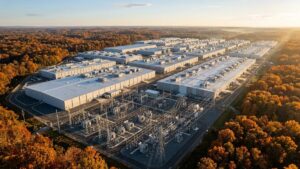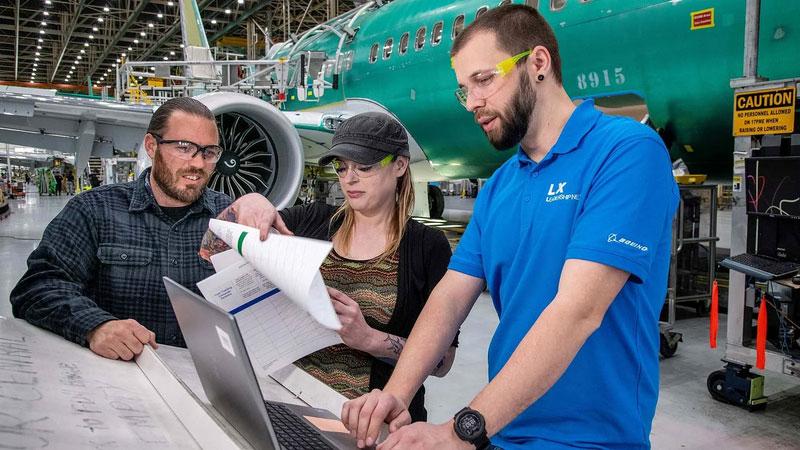
Boeing Hiring Surge Signals Economic Strength — Or Is It a Setup for the Next Cycle? is emerging as a key question in 2026 as one of America’s largest aerospace companies ramps up hiring to boost production. At first glance, a hiring surge from a major industrial player suggests confidence in economic growth, rising demand, and a strengthening labor market. However, experienced investors know that such moves can also signal something deeper—potentially the late stages of an economic cycle before a slowdown.
Boeing’s Hiring Surge: A Sign of Industrial Recovery
Boeing’s decision to expand its workforce comes as the company increases aircraft production to meet growing global demand. Airlines are ordering more planes as travel demand continues to recover and expand, particularly in international markets.

This hiring push reflects broader trends in the manufacturing and industrial sectors. Increased production activity often signals confidence in future demand, suggesting that businesses expect continued economic growth.
At the same time, the aerospace sector plays a critical role in the U.S. economy, supporting jobs, exports, and technological innovation. Boeing’s expansion could therefore have ripple effects across multiple industries.


What This Says About the U.S. Economy in 2026
A surge in hiring by a major company like Boeing is often interpreted as a sign of economic strength. Strong labor markets, rising production, and increased business investment are typically associated with expansion phases of the economic cycle.
However, the broader economic picture in 2026 is more complex. While some sectors are growing, others—such as retail and housing—are showing signs of stress. This divergence raises questions about the sustainability of current growth.

Economists are closely watching whether industrial strength can offset weaknesses in other areas of the economy. The answer will shape expectations for future growth.


The Risk of Late-Cycle Expansion Signals
While hiring surges are generally positive, they can also occur late in an economic cycle. Companies often expand aggressively when demand is strong, but this can sometimes precede a slowdown if conditions change.

Rising interest rates, for example, can eventually reduce demand for big-ticket items such as aircraft. If airlines face higher financing costs or weaker travel demand, orders could slow.
This creates a scenario where current growth masks underlying risks. Investors must consider whether today’s expansion is sustainable or if it could reverse in the near future.


How Markets and Investors Are Interpreting the Move
Financial markets are reacting to Boeing’s hiring plans with a mix of optimism and caution. On one hand, increased production suggests strong demand and potential revenue growth.

On the other hand, investors are aware of broader economic risks, including interest rate pressures and global uncertainties. This has led to a more balanced approach, with some investors maintaining exposure to industrial stocks while also diversifying into defensive sectors.
The aerospace sector is particularly sensitive to economic cycles, making it an important indicator for market trends.


What This Means for Jobs, Wages, and Consumers
For workers, Boeing’s hiring surge represents new opportunities in a high-skilled industry. Increased demand for labor can lead to higher wages and improved job prospects.

This can have a positive impact on consumer spending, as higher incomes support economic activity. Strong employment levels are a key driver of overall economic health.
However, if economic conditions weaken, job growth could slow or reverse. This highlights the importance of sustainable growth rather than short-term expansion.


The Big Question: Growth Momentum or Warning Signal?
The central question is whether Boeing’s hiring surge represents a continuation of economic momentum or an early warning of a turning point. The answer depends on how key factors—such as interest rates, global demand, and consumer spending—evolve in the coming months.

If demand remains strong and economic conditions stabilize, the hiring surge could signal sustained growth. However, if headwinds intensify, it could mark the peak of the current cycle.
For investors and policymakers, understanding this balance will be critical in navigating the next phase of the economy.


A Critical Signal in an Uncertain Economy
Boeing’s hiring surge is a powerful signal—but one that can be interpreted in multiple ways. It highlights both the strength of the industrial sector and the complexity of the current economic environment.
As the U.S. economy moves through 2026, this development serves as a reminder that growth and risk often coexist. The challenge is to distinguish between sustainable trends and temporary momentum.
For investors, businesses, and workers, staying informed and adaptable will be key to navigating what comes next.
Subscribe to trusted news sites like USnewsSphere.com for continuous updates.