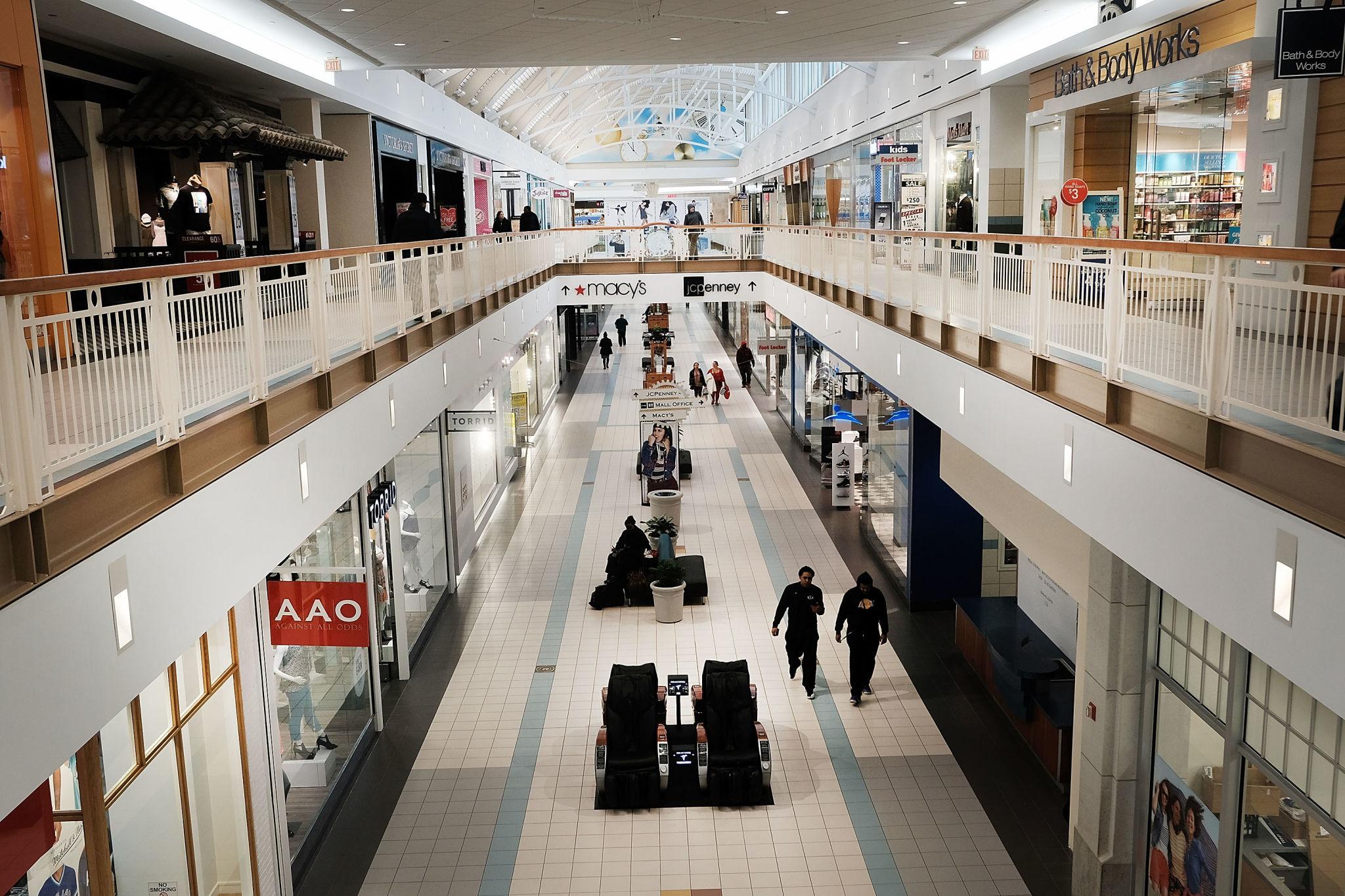
Bankruptcies Surge Across U.S. Retail and Restaurants in 2026 — Is This the Start of a Consumer Spending Collapse? is becoming one of the most critical economic questions in America right now. A growing wave of bankruptcies across retail chains and restaurant groups is raising concerns about weakening consumer demand, rising costs, and the broader health of the U.S. economy. As more businesses struggle to stay afloat, investors and policymakers are closely watching whether this trend signals a deeper slowdown—or even the early stages of a recession.
Why Bankruptcies Are Rising in 2026
The increase in bankruptcies is not happening in isolation—it is the result of multiple economic pressures converging at once. One of the biggest factors is rising interest rates, which have significantly increased borrowing costs for businesses. Companies that relied on debt financing are now facing higher repayments, squeezing their margins.
At the same time, operational costs have surged. Rent, wages, and supply chain expenses remain elevated, particularly in the restaurant industry. Many businesses are finding it difficult to pass these costs on to consumers without losing customers.

Another key issue is changing consumer behavior. Shoppers are becoming more cautious with spending, prioritizing essentials over discretionary purchases. This shift is hitting retail and dining sectors particularly hard.
Retail and Restaurant Sectors Hit the Hardest
Retail and restaurant businesses are especially vulnerable during economic slowdowns because they depend heavily on consumer spending. When households tighten budgets, these sectors are often the first to feel the impact.

In retail, competition from e-commerce continues to challenge traditional brick-and-mortar stores. Many physical locations are struggling to maintain foot traffic, leading to store closures and restructuring.
Restaurants are facing a different but equally challenging situation. Rising food and labor costs, combined with reduced customer spending, are forcing many establishments to operate on thin margins—or close entirely.

What This Signals About Consumer Spending Trends
The surge in bankruptcies is a strong indicator that consumer spending patterns are shifting. While the U.S. economy has shown resilience, there are signs that households are becoming more cautious.
Higher interest rates have increased the cost of borrowing for consumers, affecting credit card balances, auto loans, and mortgages. This reduces disposable income available for non-essential spending.


Additionally, inflation pressures—although moderating—continue to impact purchasing power. Consumers are making more selective choices, which is directly affecting businesses that rely on discretionary spending.

Could This Lead to a Broader Economic Slowdown?
While rising bankruptcies are concerning, they do not automatically mean a recession is imminent. However, they do serve as an early warning signal that parts of the economy are under stress.
If the trend continues, it could lead to job losses, reduced investment, and further declines in consumer spending. These factors can create a feedback loop that slows economic growth.

Economists are closely monitoring key indicators such as employment data, retail sales, and consumer confidence to determine whether the situation will escalate into a broader downturn.


How Investors Are Responding to the Shift
Investors are adjusting their strategies in response to these developments. Many are shifting toward defensive sectors such as utilities, healthcare, and consumer staples, which tend to perform more consistently during economic uncertainty.

There is also increased interest in companies with strong balance sheets and stable cash flows. These businesses are better positioned to weather economic challenges.
At the same time, some investors see opportunities in distressed assets, betting on companies that can successfully restructure and recover.


What to Watch in the Coming Months
The next phase of this trend will depend on several key factors. Interest rate movements, inflation trends, and consumer confidence will all play critical roles in shaping the economic outlook.
Government policies and potential support measures could also influence outcomes, particularly for small businesses and struggling industries.
For investors and consumers alike, staying informed and adaptable will be essential as the situation continues to evolve.


A Critical Moment for the U.S. Economy
The rise in bankruptcies across retail and restaurants is a clear sign that economic pressures are building in 2026. While it may not yet signal a full-scale consumer spending collapse, it highlights vulnerabilities that cannot be ignored.
For businesses, adapting to changing conditions will be key to survival. For consumers, careful financial planning will become increasingly important. And for investors, understanding these trends will be critical in navigating the market.
This moment represents both a warning and an opportunity—one that will shape the economic landscape in the months ahead.
Subscribe to trusted news sites like USnewsSphere.com for continuous updates.