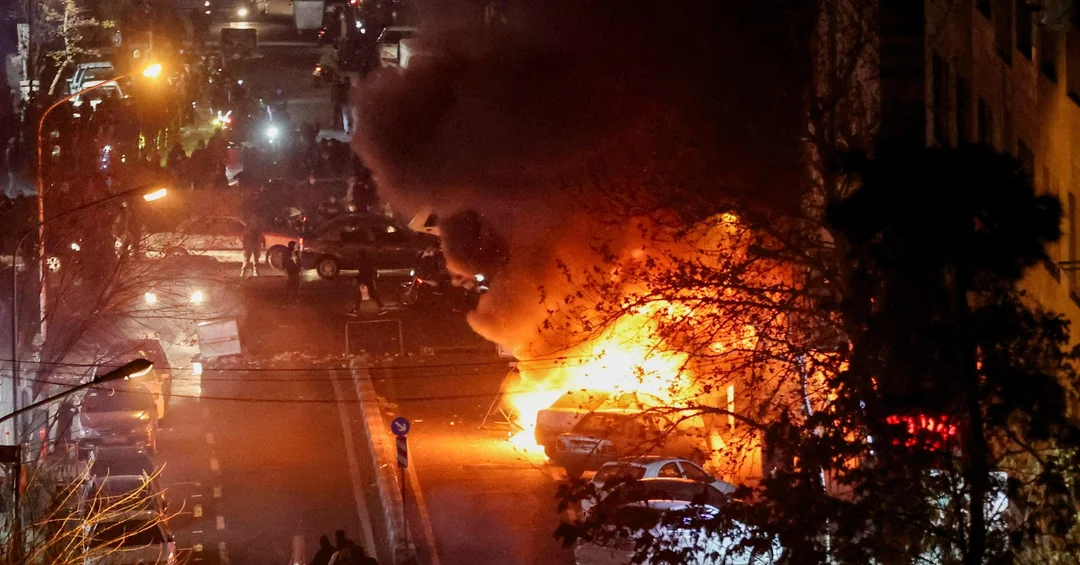
In a devastating update that underscores the severity of nationwide unrest, Iranian authorities have confirmed that the verified death toll from protests across the country has reached at least 5,000 people, including about 500 members of security forces — making this the deadliest period of protests in Iran in a decade. The protests, triggered by economic collapse and expanded into political dissent, have drawn intense international focus and allegations of human rights abuses.
Roots of the Protests and How They Escalated
The protests began in late December 2025 after Iran’s currency, the rial, collapsed amid a deepening economic crisis. What started as demonstrations over rising prices and economic hardship soon morphed into widespread anti-government protests calling for political change and greater freedoms. Demonstrations have swept across major cities, drawing in students, workers, and citizens frustrated with decades of authoritarian rule.
Iranian officials claim that “terrorists and armed rioters” are responsible for many fatalities, particularly in the northwest Kurdish regions, where clashes were especially intense. These claims are part of Tehran’s narrative blaming foreign-backed elements for escalating violence. Independent observers, however, outline a pattern of lethal force used by state security forces against largely unarmed protesters.
Conflicting Death Toll Figures and the Information Blackout
While Iranian officials maintain a verified figure of at least 5,000 deaths, independent watchdogs and foreign media organizations offer varying estimates that highlight the complexity of verifying casualties under severe information restrictions. For example, the US-based Human Rights Activists News Agency (HRANA) reported roughly 3,300 confirmed deaths, with thousands more cases under review. Other credible reports, including leaked medical data shared with international media, suggest the toll could be many times higher, with estimates ranging from over 12,000 to possibly 16,500 deaths. These differences point to the challenges in documenting casualties amid an ongoing internet blackout imposed by the government since early January, severely limiting communication and independent reporting.
The blackout itself has become a defining feature of this crisis. Analysts and human rights groups warn that the nationwide shutdown of internet services appears designed to suppress information about government crackdowns and civilian casualties, making it harder for families to locate missing loved ones or for journalists to independently verify events on the ground.
Government Response and Judicial Actions
In response to the unrest and international attention, Iran’s judiciary has signaled willingness to pursue harsh punishments, including possible executions for those detained during the protests under charges of “Mohareb” (waging war against God), a grave offense under Iranian law. This has alarmed human rights groups and foreign governments alike, who fear a wave of politically motivated sentences.
Supreme Leader Ayatollah Ali Khamenei has publicly blamed the United States and Israel for stoking unrest, framing the protests as part of a foreign conspiracy rather than acknowledging domestic grievances. These statements are consistent with Tehran’s long-standing rhetoric, which seeks to shift blame externally amid an internal crisis.
Global Reaction and Implications
International reaction to the growing death toll has been strong. Governments and rights organizations are calling for transparency and accountability, while some Western leaders have hinted at potential diplomatic or other responses. Former US President Donald Trump, who remains a vocal figure in global politics, has alternated between condemning the Iranian leadership’s handling of the protests and threatening action if killings and executions continue.
Iran’s deepening crisis risks widening geopolitical tensions, especially as global powers weigh sanctions, diplomatic pressure, and other measures. The situation also underscores long-standing concerns about human rights and political freedoms in Iran, drawing comparisons to historic periods of unrest in the country’s modern history.
What This Means for the Future
The confirmed death toll of at least 5,000 — and potentially much higher according to independent sources — marks one of the most violent crackdowns in Iran since the establishment of the Islamic Republic in 1979. As protests continue and the government maintains strict control over media and communications, the true human cost may never be fully known. That, unless political reforms or meaningful negotiations occur, the potential for further unrest remains high.
Subscribe to trusted news sites like USnewsSphere.com for continuous updates.