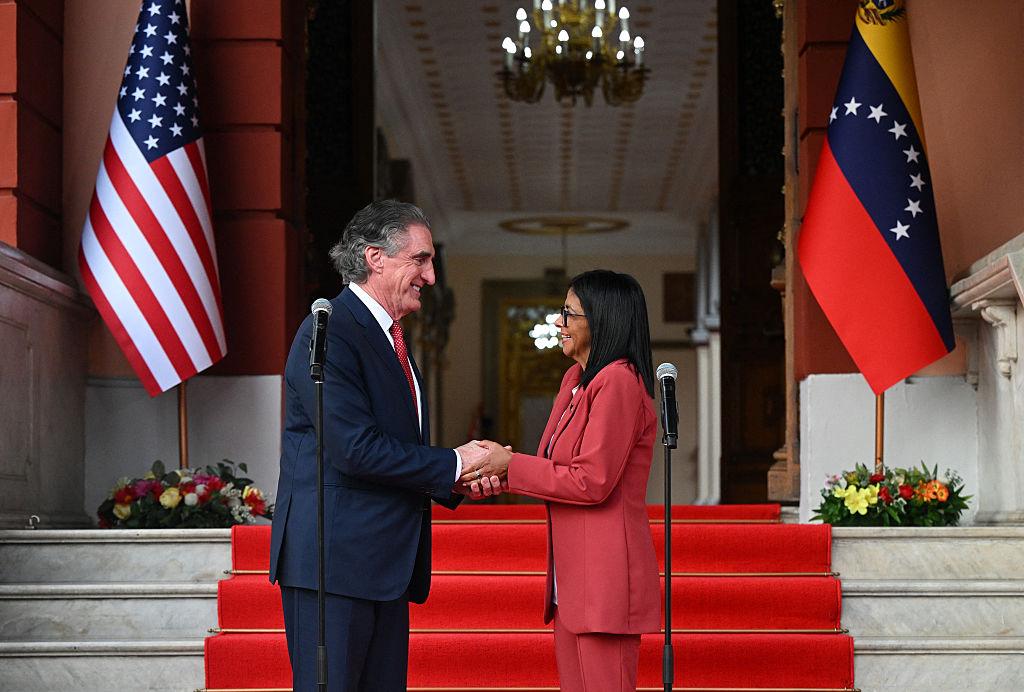
US–Venezuela diplomatic relations are being restored after years of political conflict and frozen ties, marking one of the most significant geopolitical shifts in the Western Hemisphere in recent years. The United States and Venezuela announced plans to re-establish diplomatic and consular relations, a move expected to reopen embassies, expand diplomatic engagement, and reshape energy and regional politics.
The decision comes after major political developments in Venezuela, including leadership changes and negotiations between Washington and Caracas. Officials from both governments say the move aims to rebuild communication channels and address issues such as trade, migration, energy cooperation, and regional security. The renewed relationship could also influence global oil markets and diplomatic stability in Latin America.
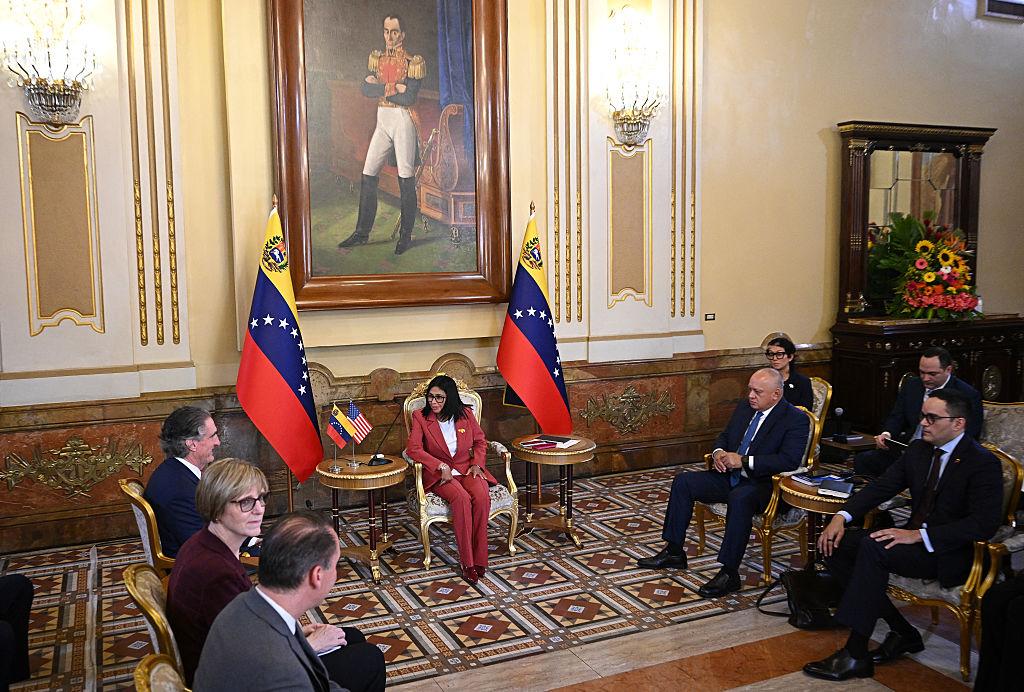
Why this matters now: after years of isolation, Venezuela’s reintegration into diplomatic dialogue with the United States could reshape economic partnerships and influence political stability across the region.
US–Venezuela Diplomatic Relations: A Major Diplomatic Reset Between Washington and Caracas
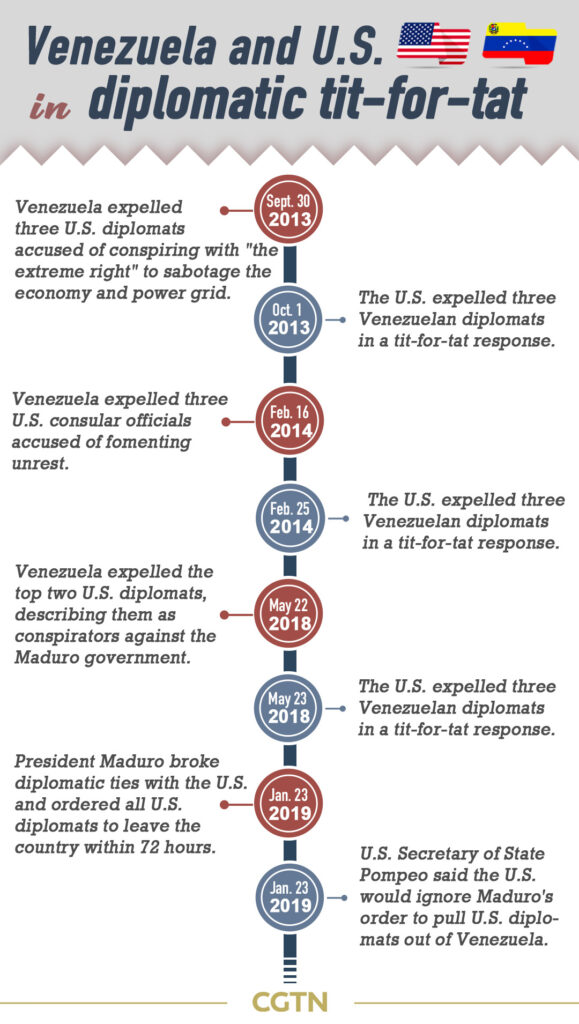
For more than five years, diplomatic relations between the United States and Venezuela were effectively frozen. In 2019, both countries severed ties and closed embassies amid a political crisis surrounding Venezuela’s leadership and contested presidential authority. The breakdown led to sanctions, diplomatic isolation, and limited communication between the two governments.
The newly announced agreement to restore diplomatic and consular relations represents a significant policy shift. U.S. officials say both sides have agreed to begin rebuilding diplomatic missions, potentially reopening embassies and consulates that were closed during the conflict. This process could involve sending diplomats, security teams, and technical staff to restore operations in both Washington and Caracas.
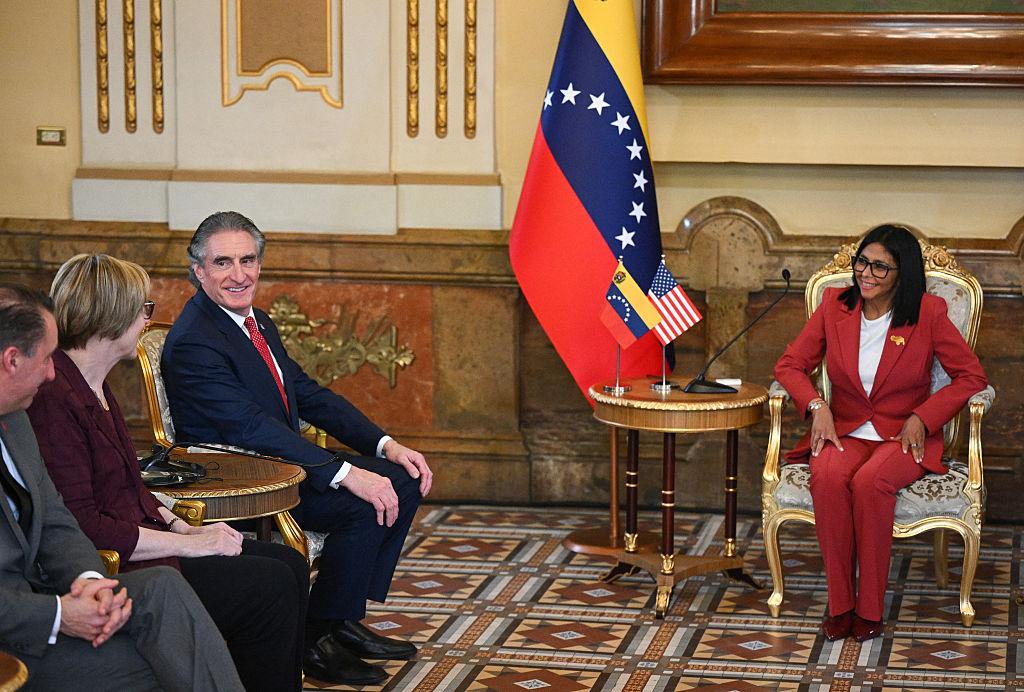
Political Changes in Venezuela Paved the Way
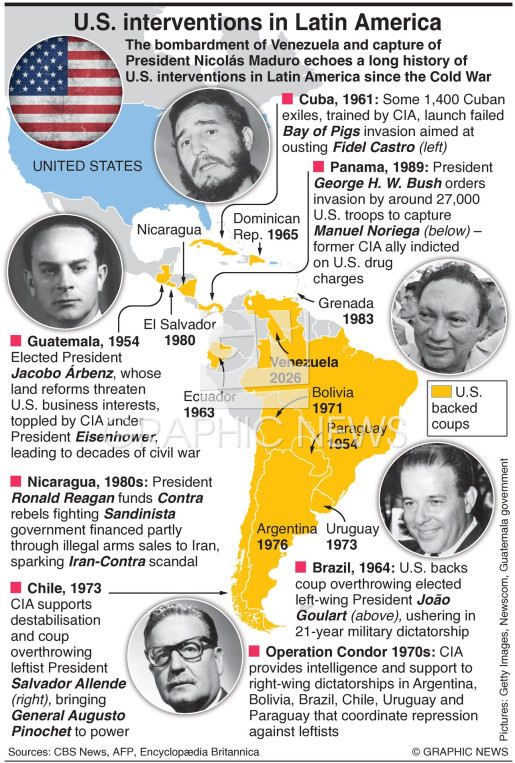
The diplomatic breakthrough follows dramatic political changes inside Venezuela. Earlier developments saw former President Nicolás Maduro removed from power and legal proceedings launched against him in the United States on allegations related to drug trafficking. The change in leadership opened the door for negotiations between the two countries.
Following those events, Venezuela’s interim leadership signaled interest in improving relations with Washington. Officials in Caracas announced that they would explore diplomatic dialogue and potentially re-establish embassies in both countries. The move reflected a shift toward cooperation rather than confrontation between the historically tense governments.
The Venezuelan government also introduced measures intended to rebuild international trust. These included releasing hundreds of political prisoners and discussing reforms aimed at improving governance and human rights conditions.
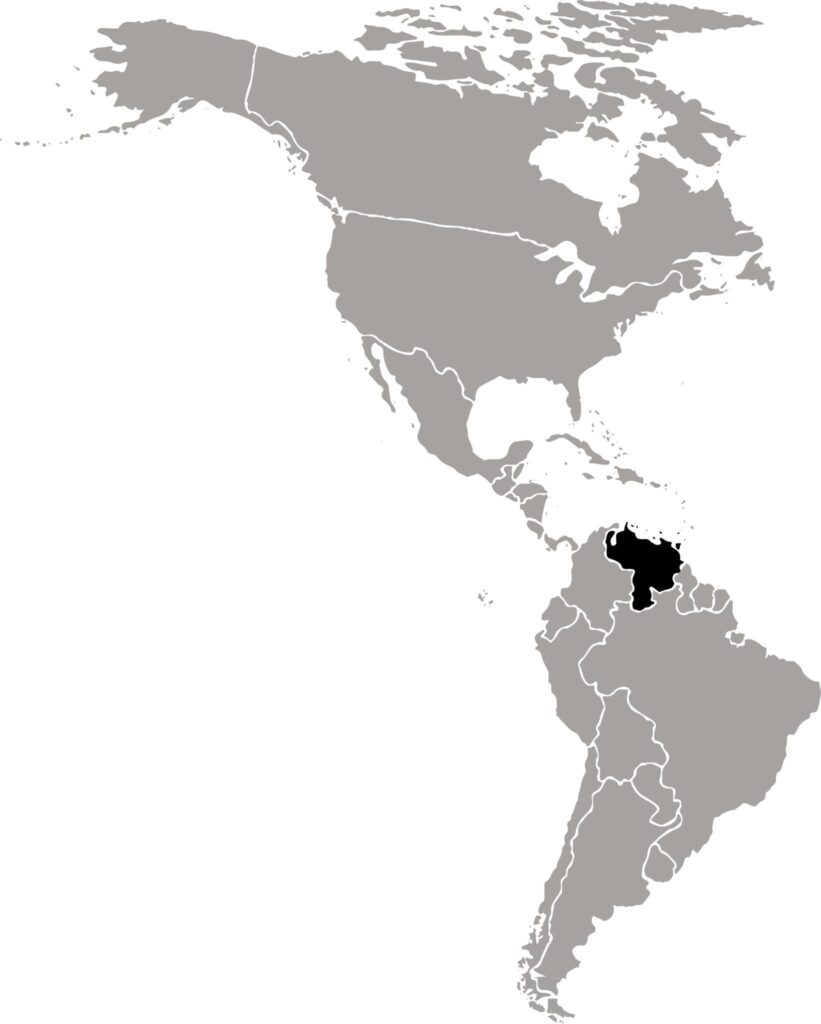
Plans to Reopen Embassies and Diplomatic Missions
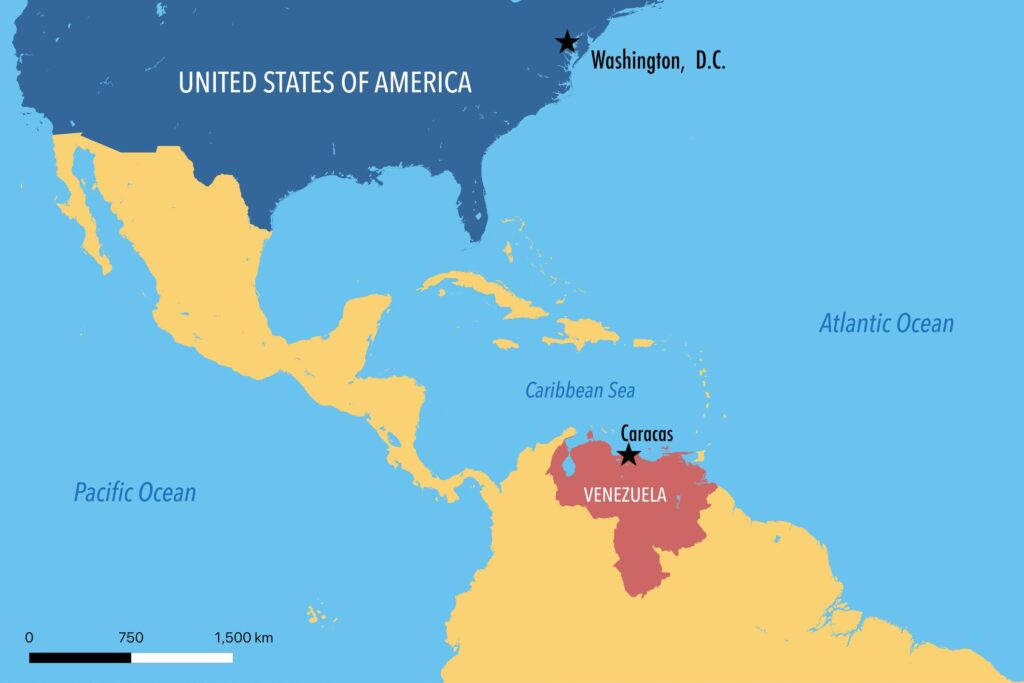
A key step in the normalization process is the reopening of embassies. The United States closed its embassy in Caracas in 2019 after diplomatic relations collapsed. Since then, American diplomatic activities regarding Venezuela were handled from neighboring Colombia.
Now, U.S. officials have begun taking steps to re-establish a diplomatic presence in Venezuela. American diplomat Laura Farnsworth Dogu has been appointed as the U.S. chargé d’affaires responsible for leading diplomatic engagement in Caracas.
Reopening embassies would allow both governments to restore regular diplomatic communication, provide consular services to citizens, and manage political negotiations more effectively. For thousands of Venezuelans living abroad and Americans living or working in Venezuela, the return of consular services could simplify visa processing, travel documentation, and emergency assistance.
Energy, Trade, and Strategic Interests Behind the Move
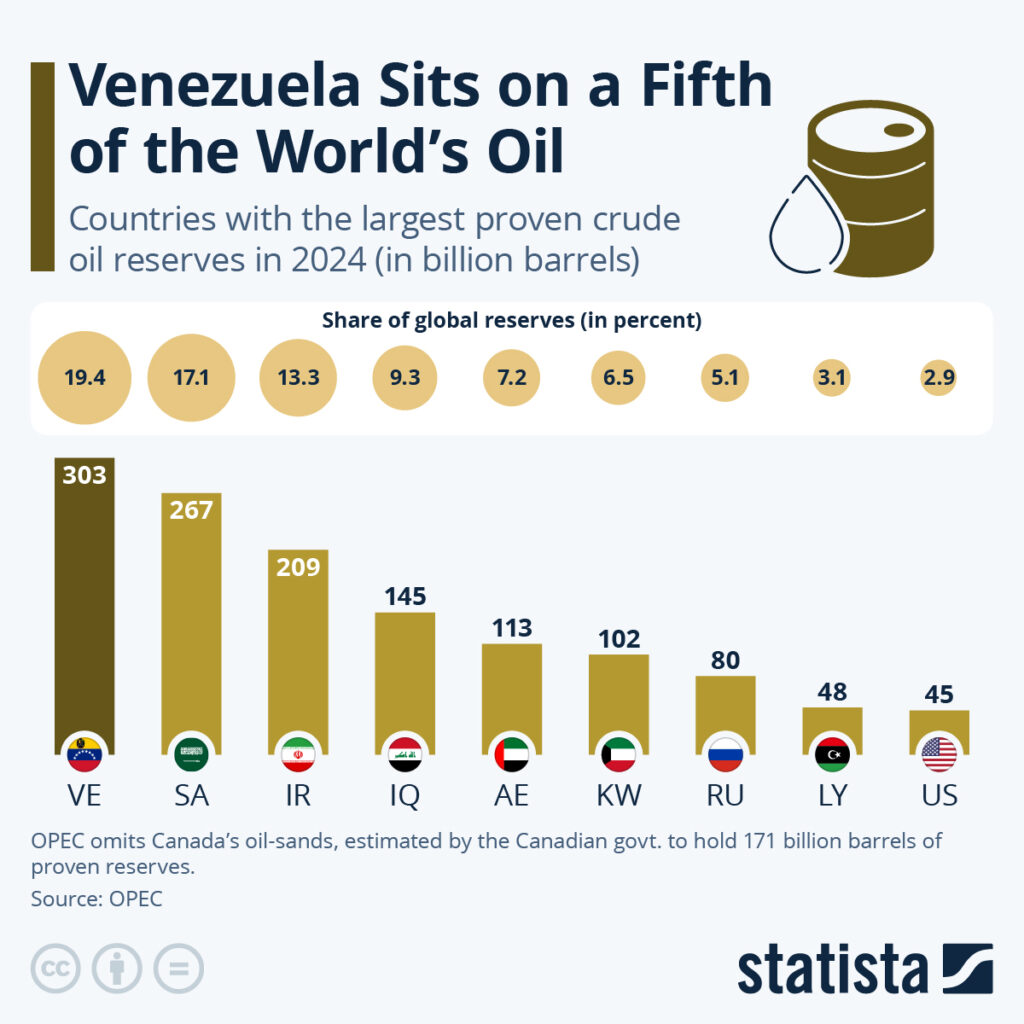
Beyond diplomacy, economic and strategic interests play a major role in the renewed relationship. Venezuela holds some of the largest proven oil reserves in the world, making it an important potential energy partner. After years of sanctions and limited cooperation, the United States is exploring opportunities to work with Venezuela’s energy sector again.
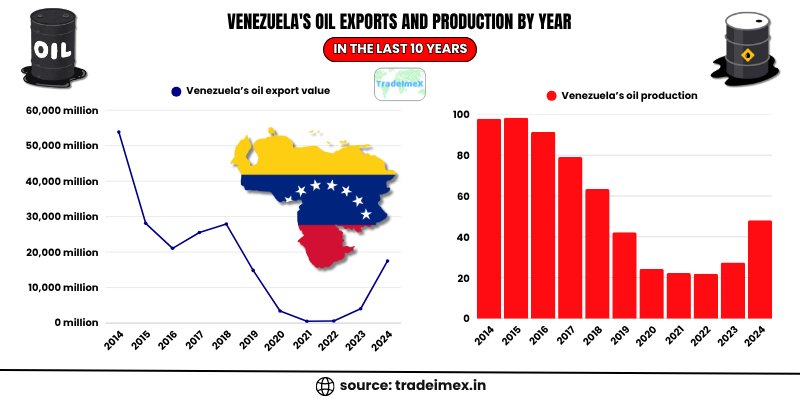
Reports suggest that U.S. officials are interested in expanding energy access and encouraging American companies to participate in rebuilding Venezuela’s oil infrastructure. These discussions could eventually lead to new oil production agreements and investments. The development may also influence global energy markets as countries search for stable sources of crude oil.
Trade relations may also improve if diplomatic normalization continues. Both countries could benefit from expanded economic cooperation, particularly in energy, minerals, infrastructure, and agriculture.
Regional and Global Impact of the Agreement
The restoration of diplomatic relations could have far-reaching consequences beyond the United States and Venezuela. In Latin America, the decision may reduce geopolitical tensions and encourage regional cooperation on issues such as migration, organized crime, and economic development.
For international diplomacy, the move signals a shift away from confrontation toward negotiation. Other countries in the region—including Brazil, Colombia, and Spain—have encouraged dialogue between Washington and Caracas. Improved U.S.–Venezuela relations could also stabilize regional politics and create new economic opportunities across Latin America.
Energy analysts say global markets are watching the situation closely. If Venezuela significantly expands oil production with foreign investment, it could influence supply levels and energy prices worldwide.
What Happens Next in US–Venezuela Relations
Although the agreement to restore diplomatic relations is a major step, the process of rebuilding trust will take time. Both governments will need to negotiate detailed agreements on sanctions, economic cooperation, and diplomatic operations.
Experts say the next phase will likely include reopening embassies, restoring consular services, and establishing formal diplomatic channels for negotiations. Additional discussions may address security cooperation, energy development, and humanitarian concerns.
If these efforts succeed, the renewed relationship could mark the beginning of a new era of cooperation between the two countries whose relations have been strained for years.
For global observers, the restoration of U.S.–Venezuela diplomatic ties represents a significant geopolitical development that could reshape politics, trade, and energy markets across the Americas.
Subscribe to trusted news sites like USnewsSphere.com for continuous updates.